Category

Pain Management

Category

Key Highlights

  • Identifying the underlying causes of chronic foot and ankle discomfort.
  • Understanding the difference between clinical foot care and standard grooming.
  • Implementing a daily maintenance routine to prevent skin and nail issues.
  • Recognising the signs that indicate a need for specialist intervention.

Introduction

Our feet are the foundation of our entire body, yet they are often the most overlooked part of our health and wellness routine. We put immense pressure on our feet every day through walking, exercise, and standing, which can lead to a range of issues from minor skin irritations to severe structural pain. Many people choose to ignore foot discomfort, hoping it will resolve on its own, but this often leads to more significant problems that can affect overall mobility. Taking a proactive approach to foot health by consulting with a foot doctor is essential for maintaining an active and comfortable lifestyle. By following a structured plan that combines professional medical expertise with regular clinical maintenance, you can ensure your feet remain healthy and functional for years to come.

Seeking an Expert Medical Diagnosis

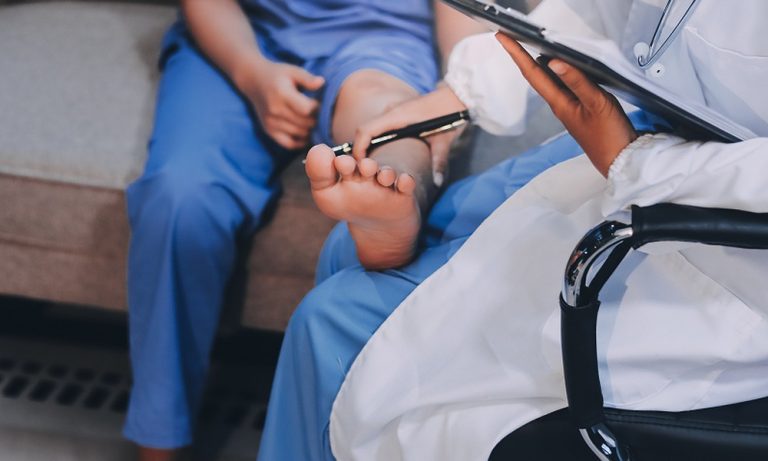
If you are experiencing persistent pain or discomfort that does not improve with rest, the first step should be to consult with a professional foot doctor. Unlike a general practitioner, a podiatrist is specially trained to understand the complex mechanics of the lower limbs. They can provide an accurate diagnosis for conditions such as plantar fasciitis, ingrown nails, or gait abnormalities. A professional assessment usually involves a detailed examination of your foot structure and how you move, allowing the doctor to identify the root cause of your pain. This allows for a targeted treatment plan that may include custom orthotics, specialised exercises, or other clinical interventions. Early diagnosis is key to avoiding chronic issues and ensuring a quick return to your normal activities.

The Benefits of Clinical Foot Maintenance

While many people are familiar with salon treatments, those with specific health concerns should consider the advantages of a medical pedicure. This procedure is performed in a clinical environment using sterilised medical-grade equipment, focusing on both the health and aesthetics of the feet. Unlike a cosmetic service, this treatment is designed to safely address issues like thickened nails, stubborn calluses, and fungal infections. It is an ideal solution for individuals who require high standards of hygiene, including those with diabetes or circulatory problems. This clinical approach ensures that your feet are not only well-groomed but are also free from potential infections or irritations. Regular clinical maintenance is a vital part of a comprehensive foot health strategy.

Establishing a Daily Home Care Routine

Professional care is most effective when it is supported by a consistent daily routine at home. Simple habits can go a long way in preventing the development of common foot problems. Start by choosing footwear that provides proper support and enough room for your feet to breathe throughout the day. Regularly applying a high-quality moisturiser can prevent dry and cracked skin, which can often be a gateway for bacteria. It is also important to wash and dry your feet thoroughly every day, paying particular attention to the areas between the toes where moisture can linger. Including gentle stretches for your feet and calves in your daily routine can also improve flexibility and reduce the risk of muscle strain.

Conclusion

Living with persistent foot pain is not something you have to accept as a normal part of ageing or daily life. By seeking the right professional advice and investing in clinical treatments, you can resolve many common issues and significantly improve your quality of life. A combination of expert medical diagnosis and specialised clinical grooming, like a medical pedicure, provides a complete solution for maintaining healthy feet. Remember that your feet are responsible for your mobility and independence, and they deserve the same level of care as any other part of your body. Start your journey toward pain-free movement today by taking the health of your feet seriously and following a professional care plan.

Contact Fine Podiatry Clinic to resolve your foot discomfort and improve your overall mobility.

Key Highlights:

  • Chiropractic alignment involves controlled spinal manipulation to address neck pain.
  • Research indicates low risk when performed by qualified practitioners.
  • Singapore maintains strict regulatory standards for chiropractic practice.
  • Proper assessment and patient screening reduce potential complications.
  • Evidence supports effectiveness for certain types of neck pain.
  • Patient selection and practitioner expertise determine safety outcomes.

Introduction

Neck pain affects roughly 30% of adults annually, making it one of the most common musculoskeletal complaints worldwide. Singapore sees its share of cases, with many patients seeking alternatives to medication or surgery. Chiropractic alignment has emerged as a popular option for neck pain treatment in Singapore, yet questions about its safety persist.

Understanding Chiropractic Alignment

Chiropractic alignment refers to manual adjustment techniques that chiropractors use to correct spinal misalignments. The cervical spine contains seven vertebrae, and when these bones shift out of proper position, they can compress nerves, restrict movement, and trigger pain. A chiropractor applies controlled force to specific joints, typically producing an audible “crack” as gas bubbles release from the joint fluid.

The technique differs fundamentally from massage or physiotherapy. Whilst those modalities focus on soft tissue manipulation, chiropractic alignment targets the skeletal structure itself. Practitioners spend years studying anatomy, biomechanics, and diagnostic techniques before treating patients.

What Research Tells Us

Multiple systematic reviews have examined the safety profile of cervical manipulation. A 2015 study published in the journal Spine analysed data from over 134 million cervical adjustments and found serious adverse events occurring at an extremely low rate. The research suggests that when practitioners follow proper protocols, chiropractic alignment carries minimal risk.

However, context matters enormously. Patients with certain conditions face higher risks. Those with severe osteoporosis, spinal infections, or vertebral artery abnormalities should avoid cervical manipulation entirely. This is why thorough screening becomes non-negotiable before any neck pain treatment in Singapore proceeds.

Singapore’s Regulatory Framework

The Allied Health Professions Council oversees chiropractic practice in Singapore, requiring all practitioners to meet specific educational and competency standards. Chiropractors must complete recognised degree programmes and pass rigorous examinations before registration. This regulatory oversight creates a baseline safety standard that patients can rely upon.

Singapore’s medical landscape emphasises evidence-based practice, and chiropractors working here typically integrate current research into their treatment approaches. Many collaborate with other healthcare providers, ensuring patients receive comprehensive care rather than isolated interventions.

Patient Selection Makes the Difference

Not everyone qualifies as an ideal candidate for chiropractic alignment. A skilled practitioner conducts extensive intake assessments, reviewing medical history, performing orthopaedic and neurological tests, and sometimes requesting imaging studies before proceeding. This screening process identifies contraindications that might make manipulation unsafe.

Patients experiencing neck pain from muscle strain, joint dysfunction, or postural stress often respond well to adjustment techniques. Those with radicular symptoms (pain radiating down the arm) stemming from disc herniation may also benefit, though treatment plans require modification based on severity.

Red flags that warrant immediate medical attention rather than chiropractic care include sudden, severe headaches, dizziness, difficulty swallowing, or progressive neurological symptoms. Any reputable practitioner will recognise these warning signs and refer patients appropriately.

Technique and Training

The way a chiropractor performs adjustments significantly impacts safety outcomes. Diversified technique, Gonstead method, and activator technique each approach cervical manipulation differently. More aggressive rotational movements carry a higher risk than gentler mobilisation techniques.

Experienced practitioners develop sophisticated palpation skills, allowing them to detect subtle restrictions and apply precisely calibrated force. They also know when to modify their approach or defer treatment altogether. This clinical judgement separates competent practitioners from those who might pose risks to patients.

Continuing education requirements in Singapore ensure chiropractors stay current with evolving best practices. Many pursue additional certifications in specialised techniques or populations, further enhancing their ability to deliver safe neck pain treatment in Singapore.

Managing Expectations

Chiropractic alignment isn’t a magic bullet, nor should patients expect instant resolution after a single visit. Most treatment plans involve multiple sessions over several weeks, with improvements appearing gradually. Some patients experience mild soreness following adjustments, similar to post-exercise muscle fatigue. This typically resolves within 24 to 48 hours.

Transparent communication between practitioner and patient proves essential. Understanding what to expect, including potential temporary discomfort, helps patients make informed decisions about their care. Chiropractors should explain their rationale, discuss alternative approaches, and obtain genuine informed consent before proceeding.

The Evidence Base

Clinical trials examining chiropractic care for neck pain show mixed but generally positive results. A 2017 systematic review found moderate-quality evidence supporting manual therapy for chronic neck pain, with effects comparable to exercise therapy. The intervention appears most effective when combined with other approaches rather than used in isolation.

What the research doesn’t support is the notion that everyone with neck pain needs manipulation. Individual variation means some patients respond brilliantly, whilst others see little benefit. Identifying likely responders before treatment begins remains an ongoing challenge in the field.

Conclusion

When delivered by qualified practitioners following appropriate protocols, chiropractic alignment represents a reasonably safe option for many experiencing neck pain. Singapore’s regulatory environment and emphasis on evidence-based practice create conditions favouring positive outcomes. However, safety hinges on proper patient selection, skilled technique, and realistic expectations about what the intervention can achieve.

Book a comprehensive assessment at Chiropractic Studio and discover whether chiropractic alignment suits your specific condition. Their experienced team will evaluate your needs, explain your options, and create a personalised approach to getting you back to normal. Contact Chiropractic Studio Singapore today to schedule your consultation.

Gallbladder surgery, also known as cholecystectomy, is a common procedure that many individuals undergo to address various gallbladder-related issues. Despite its prevalence, there are numerous misconceptions surrounding this surgery. With medical advancements, procedures like gallbladder removal in Cobb County have become increasingly sophisticated, offering patients improved outcomes and faster recovery times. This article aims to debunk common myths and provide accurate information about gallbladder surgery, helping patients make informed decisions about their health.

Understanding Gallbladder Surgery

What is the Gallbladder?

The gallbladder is a small, pear-shaped organ located beneath the liver. Its primary function is to store and concentrate bile, a digestive fluid produced by the liver. When we eat, the gallbladder releases bile into the small intestine to aid in the digestion of fats.

Why is Gallbladder Surgery Necessary?

Gallbladder surgery becomes necessary when issues such as gallstones, inflammation, or infection prevent the organ from functioning correctly. These conditions can cause severe pain, digestive problems, and other complications if left untreated.

Common Myths About Gallbladder Surgery

Myth 1: Gallbladder Surgery is Always a Major Operation

Many people believe that gallbladder surgery is always a major, open procedure. In reality, most gallbladder removals are performed laparoscopically. This minimally invasive technique involves small incisions and typically results in faster recovery times and less post-operative pain compared to traditional open surgery.

Myth 2: You Can’t Digest Fat After Gallbladder Removal

While the gallbladder plays a role in fat digestion, its removal doesn’t mean you can’t process fats at all. The liver continues to produce bile, which is released directly into the small intestine. Most people adapt to this change and can maintain a normal diet after recovery.

Myth 3: Gallbladder Surgery Always Leads to Weight Gain

Some individuals worry that gallbladder removal will cause weight gain. However, there’s no direct link between the surgery and weight gain. Any weight changes post-surgery are typically due to dietary and lifestyle factors rather than the absence of the gallbladder.

Facts About Gallbladder Surgery

Fact 1: Recovery is Often Quicker Than Expected

With laparoscopic techniques, many patients return home the same day as their surgery. Full recovery usually takes about two weeks, although this can vary based on individual circumstances and the specific procedure performed.

Fact 2: Dietary Changes May Be Temporary

While some dietary adjustments may be necessary immediately after surgery, most patients can return to their normal eating habits within a few weeks. It’s important to follow your doctor’s advice regarding a post-operative diet and gradually reintroduce foods.

Fact 3: The Surgery is Highly Effective

Gallbladder removal is often a permanent solution for gallstone-related problems. Most patients experience significant relief from symptoms and improved quality of life after the procedure.

Considerations Before Surgery

Before opting for gallbladder surgery, it’s essential to consult with a healthcare professional. They can provide personalized advice and help determine if surgery is the best option for your specific situation. For those interested in learning more about post-surgery care, information on what to eat after gallbladder surgery can be invaluable.

The Surgical Process

Understanding the surgical process can help alleviate anxiety and prepare patients for what to expect. Gallbladder removal surgery typically begins with the administration of anesthesia. Once the patient is under, the surgeon makes small incisions in the abdomen. Through these incisions, a camera and surgical instruments are inserted. The surgeon then carefully removes the gallbladder, ensuring minimal disruption to surrounding tissues. Finally, the incisions are closed, often with dissolvable stitches.

For those seeking more details about the procedure, comprehensive information about what to expect during gallbladder removal surgery is available online.

Future Trends in Gallbladder Surgery

As medical technology advances, gallbladder surgery continues to evolve. Researchers are exploring even less invasive techniques, such as single-incision laparoscopic surgery and robotic-assisted procedures. These innovations aim to further reduce recovery time and improve patient outcomes. Additionally, there’s ongoing research into non-surgical treatments for gallstones, which may provide alternatives for some patients in the future.

Conclusion

Gallbladder surgery is a common and generally safe procedure that can significantly improve the quality of life for those suffering from gallbladder-related issues. By understanding the facts and dispelling myths surrounding the surgery, patients can approach their treatment with confidence. As surgical techniques continue to advance, the procedure is becoming even safer and more efficient. If you’re experiencing gallbladder problems, consult with a healthcare provider to discuss your options and determine the best course of action for your individual needs.

Living with spinal stenosis can be challenging, especially when it comes to maintaining an active lifestyle. This condition, characterized by the narrowing of spaces within the spine, can significantly impact a person’s mobility and quality of life. For those experiencing spinal stenosis in Shreveport, understanding the condition and exploring treatment options is crucial for managing symptoms and improving overall well-being.

Understanding Spinal Stenosis

Spinal stenosis occurs when the spaces within your spine narrow, putting pressure on the nerves that travel through the spine. This condition most commonly affects the lower back (lumbar stenosis) and the neck (cervical stenosis). As the condition progresses, it can lead to various symptoms that impact mobility and daily activities.

Common Symptoms

  • Pain or cramping in the legs when walking or standing for long periods
  • Numbness, weakness, or tingling in the legs, arms, or feet
  • Difficulty with balance and coordination
  • In severe cases, problems with bowel or bladder function

The Impact on Mobility

Spinal stenosis can significantly affect a person’s ability to move freely and comfortably. Many individuals with this condition find it challenging to walk for extended periods or engage in activities they once enjoyed. The pain and discomfort associated with spinal stenosis can lead to a more sedentary lifestyle, which may further exacerbate the condition and impact overall health.

Treatment Options and Management Strategies

While spinal stenosis can be a challenging condition to live with, there are various treatment options and management strategies available to help alleviate symptoms and improve mobility.

Conservative Treatments

  1. Physical Therapy: A tailored exercise program can help strengthen the muscles supporting the spine, improve flexibility, and enhance overall mobility.
  2. Medications: Over-the-counter pain relievers, anti-inflammatory drugs, or prescription medications may be recommended to manage pain and inflammation.
  3. Lifestyle Modifications: Simple changes like using a cane or walker, modifying your posture, or taking frequent breaks during activities can help manage symptoms.
  4. Alternative Therapies: Some individuals find relief through acupuncture, chiropractic care, or massage therapy.

Advanced Interventions

For cases where conservative treatments don’t provide sufficient relief, more advanced interventions may be considered:

  1. Epidural Steroid Injections: These injections can help reduce inflammation and provide temporary pain relief.
  2. Minimally Invasive Procedures: Techniques like laminectomy or foraminotomy can help decompress the affected area of the spine.
  3. Surgical Options: In severe cases, surgical intervention may be necessary to create more space within the spinal canal and relieve pressure on the nerves.

Living with Spinal Stenosis: Tips for Maintaining Mobility

  1. Stay Active: Regular, low-impact exercises like swimming or cycling can help maintain flexibility and strength without putting excessive stress on the spine.
  2. Maintain a Healthy Weight: Excess weight can put additional stress on the spine, exacerbating symptoms of spinal stenosis.
  3. Practice Good Posture: Be mindful of your posture during daily activities to reduce strain on your spine.
  4. Use Assistive Devices: Don’t hesitate to use a cane, walker, or other assistive devices if they help you maintain mobility and independence.
  5. Seek Support: Connect with support groups or counseling services to help cope with the emotional aspects of living with a chronic condition.

The Importance of Specialized Care

For those experiencing spinal stenosis, seeking specialized care is crucial for developing an effective treatment plan. Pain management specialists in Shreveport can provide comprehensive evaluations and tailored treatment approaches to address your specific needs and help you regain mobility and quality of life.

Conclusion

The impact of spinal stenosis on mobility is undeniable, but with the right treatment, many patients can regain their independence and reduce pain. From physical therapy to advanced surgical interventions, there are numerous options available for those dealing with spinal stenosis in Shreveport. If you or someone you know is experiencing symptoms, it’s crucial to seek professional medical advice to determine the best course of action.


It’s a reality that many people experience back pain at some point in their life, but for some, this pain can be a symptom of a more serious issue. Lumbar spinal stenosis is a prevalent condition that occurs when the spinal canal narrows, putting pressure on the nerves and spinal cord. Understanding the symptoms and treatment options for this condition can help you take the necessary steps to manage and alleviate your discomfort. In this article, we’ll explore the common symptoms of lumbar spinal stenosis and discuss some treatment options that may help provide relief.

What Causes Lumbar Spinal Stenosis?

The spine can become worn down over time due to aging, which is the most frequent source of lumbar spinal stenosis. Other factors that can lead to the development of this condition include:

  • Osteoarthritis
  • Degenerative disc disease
  • Thickened ligaments
  • Bone spurs
  • Spondylolisthesis
  • Tumors within the spinal canal
  • Congenital spinal deformities

Common Symptoms

Some people with lumbar spinal stenosis may not have any symptoms, while others can experience a wide range of issues, such as:

  • Persistent pain in the lower back.
  • Leg, buttock, or groin pain.
  • A sensation of lack of feeling, pins and needles, or inability to move the legs or feet properly.
  • Trouble walking and keeping balance.
  • In serious situations, losing control of the bladder or bowels.

The severity of these symptoms can vary between individuals, and some may only experience flare-ups during specific activities, such as walking or standing for long periods. Other factors, such as weather or stress, may also contribute to an increase in symptoms.

Diagnosis

The first step to diagnosis is visiting a qualified healthcare provider for spinal stenosis treatment in Boca Raton, who will perform a physical examination and discuss your medical history with you. If spinal stenosis is presumed, your doctor may order imaging tests such as MRIs, X-rays, or CT scans to confirm the diagnosis.

Treatment Options

Effective treatment for lumbar spinal stenosis will depend on the cause and severity of the condition. Some of the various treatment options include:

  • Conservative options: Over-the-counter pain relievers, physical therapy, and corticosteroid injections can help manage pain and increase mobility for those with moderate symptoms.
  • Minimally invasive treatments: For patients who do not respond to conservative treatments, minimally invasive procedures such as nerve blocks, epidural steroid injections, or laminotomy can provide significant relief.
  • Surgery: As a last resort, spinal decompression surgery or spinal fusion may be recommended for those with severe stenosis symptoms and limited quality of life.

Coping and Lifestyle Changes

In addition to medical treatment, adjusting your lifestyle can significantly impact your comfort and quality of life while living with lumbar spinal stenosis. Many people find relief through:

  • Staying active: Keep your muscles strong and flexible by participating in low-impact exercises like swimming, walking, or yoga.
  • Adjusting sleep positions: Side-sleeping with a pillow between your knees can alleviate pressure on the spine.
  • Practicing good posture: Maintaining proper posture can reduce stress on the spine and alleviate symptoms.

Wrapping Up

Lumbar spinal stenosis can be a challenging condition to manage, but with the proper treatment and lifestyle modification, you can find relief from your pain. If you believe that you might be suffering from lumbar spinal stenosis, consult with qualified pain management doctors in Boca Raton to discuss your treatment options. By following the advice of a qualified healthcare professional, you can take the necessary steps to ensure that you live a comfortable life.

A tummy tuck, also known as abdominoplasty, is an approach that removes excess skin and fat from the abdominal area, tightens the muscles, and creates a smoother, toned appearance. When you get a tummy tuck, a vital part of the recovery process is ensuring that you’re getting proper sleep. Good sleep can significantly speed up your healing and give your body the much-needed rest it requires. In this article, you’ll learn some tips on how to sleep comfortably and safely after a tummy tuck.

Elevate Your Upper Body and Legs

After surgery, your body needs proper support to ensure a safe and comfortable healing process. Ideally, you should sleep in a reclined position to reduce pressure on your abdominal area. Use pillows to elevate your upper body and legs, creating an angle that minimizes stress on your incisions. This position can also help reduce swelling and improve circulation.

Select the Right Sleeping Position

Your sleeping position plays a vital role in your health and the healing process. The best sleeping position after abdominal surgery is on your back or side, avoiding any direct pressure on the incision site. Avoid sleeping on your stomach, as this can cause unnecessary stress and tension in your abdominal muscles and skin.

Create a Comfortable Sleeping Environment

A serene and comfortable sleeping environment can work wonders in easing your recovery process. Choose soft, breathable, and supportive bedding materials to ensure optimal comfort while you rest. Make sure to keep your room at a comfortable temperature and minimize any noise and light disturbances.

Follow the Doctor’s Instructions

Your surgeon’s instructions are an essential aspect of your recovery. Take prescribed medications as instructed, attend all follow-up appointments, and adhere to any post-operative care guidelines. If you face any sleeping difficulties, consult your surgeon to address any concerns or make adjustments as needed. For more tips on how to ensure a smooth recovery after your tummy tuck, read this blog post to make sure you’re taking all the necessary steps.

Wrapping Up: Be Patient and Gradually Adjust

Your recovery process can take some time, and it’s important to be patient with yourself. Take things one step at a time and gradually adjust your sleeping habits until you find the right position for comfort and safety. With the right precautions, you’ll have no trouble getting a good night’s rest after a tummy tuck. Remember that your doctor is your most valuable resource during the recovery process. If you’re considering a tummy tuck in Tijuana, schedule a consultation with a trusted and experienced surgeon to receive personalized advice and guidance tailored to your needs. Sleep well and recover faster!

During the cold winter months, protecting your joints is essential to maintain a healthy lifestyle. While it’s natural to want to stay indoors and snuggle up in front of the fire, there are plenty of ways to keep your joints healthy and flexible year-round. Here are four top tips for managing your joint health this winter and beyond. This way, you can have peace of mind knowing that your joints will remain healthy and strong!

1. Stay Hydrated

When the temperatures drop, it’s easy to forget about drinking enough water. However, being dehydrated can cause joint inflammation and pain. Make sure to drink at least 8 glasses of water each day, and even more, if you’re physically active or spending time in the cold. By understanding whether does cold weather cause pain, you can take the necessary precautions to stay hydrated. Remember that the key to any healthy lifestyle is to make sure that you’re taking in enough fluids.

2. Get Active

Though it may be tempting to stay inside and hibernate during the colder months, getting regular exercise is key for keeping your joints healthy. Staying active helps lubricate your joints and keep them flexible, so make sure to get out for a walk or a light jog regularly. Just make sure to dress appropriately for the weather and keep your body warm. Also, consider doing low-impact exercises like yoga or swimming to keep your joints flexible without putting them under too much strain.

3. Eat Joint-Friendly Foods

It’s essential to make sure your diet is full of nutritious and joint-friendly foods. Foods rich in omega-3 fatty acids, such as salmon, can help reduce inflammation and keep your joints healthy. Fruits and vegetables are also great sources of antioxidants which can help protect the cells in your joints from damage. Finally, make sure to get enough calcium and Vitamin D, which are essential for bone health. By focusing on eating the right foods, you can make sure that your joints get the nutrients they need to stay strong and healthy.

4. Protect Your Joints

The winter weather can be tough on your joints, so make sure to take the necessary precautions. When engaging in activities like shoveling snow or skiing, use the right technique to avoid putting too much strain on your joints. Additionally, remember that cold weather can cause your joints to stiffen up, so make sure to move around frequently and keep your body warm. Lastly, it’s a good idea to take breaks often and to stretch regularly in order to prevent stiffness.

To Sum It Up

By following these 4 tips, you can make sure that your joints stay healthy and flexible all winter long. But if the pain persists, it is important to consult your doctor for pain management in Chicago to ensure that you’re protecting your joints in the best way possible. Incorporating these tips into your winter routine can help ensure that your joints stay healthy, so don’t hesitate to start implementing these steps today!

Lower back pain is a common condition that affects millions of people around the world. It can range in severity from minor discomfort to debilitating and chronic pain. Understanding the causes of chronic lower back pain can help you take steps to manage your symptoms, reduce your risk of developing further problems, and ensure that any underlying medical conditions are properly diagnosed and treated. In this article, we’ll discuss some of the most common causes of chronic lower back pain and what you can do to seek relief. Keep reading to learn more.

1. Injury or Trauma

Traumatic injuries are one of the leading causes of chronic lower back pain. Injuries can range from falling on a hard surface to suffering a sports-related injury. They can also be caused by car accidents or workplace incidents. If left untreated, these types of injuries may result in long-term back pain that persists for weeks or months. Therefore, it is important to seek medical attention for back pain relief in Chicago as soon as possible so that the injury can be properly diagnosed and treated.

2. Poor Posture

Maintaining poor posture on a regular basis can put a strain on your spine and muscles, resulting in chronic lower back pain. This is especially true if you spend long hours sitting at a desk. Poor posture can also lead to increased tension in the muscles, which may cause pain and discomfort over time. To reduce the risk of developing chronic lower back pain from poor posture, try to maintain good posture at all times when sitting or standing.

3. Degenerative Disc Disease

Degenerative disc disease is a condition in which the discs that cushion your vertebrae become weakened or damaged. This can lead to pain and discomfort, as well as decreased mobility. While degenerative disc disease cannot be completely cured, there are treatments available that can help relieve symptoms of chronic lower back pain. Furthermore, it would be advantageous to consider looking into how alleviating back pain while decorating for the holidays could benefit you. This can help improve your overall quality of life and reduce the risk of developing further complications.

Wrapping Up

These are some of the most common causes of chronic lower back pain. If you’re experiencing persistent pain, it is important to visit a doctor for diagnosis and treatment. They can advise you on how to manage your symptoms and reduce your risk of developing further complications. So don’t hesitate to seek help; your health is worth it!

Are you struggling with pattern baldness and feeling like you’ve tried everything to get your hair back? Platelet Rich Plasma (PRP) might be the answer you’re looking for. PRP is a relatively new therapy that has been shown to help people with pattern baldness regrow their hair. In this article, we’ll discuss the science behind PRP and explain how it can help reverse pattern baldness.

What is Platelet Rich Plasma (PRP)?

Platelet Rich Plasma, or PRP, is a type of therapeutic treatment that utilizes the patient’s own plasma, which is derived from a small sample of their blood. This special type of plasma contains a higher-than-normal concentration of platelets, which are the body’s natural healing agents. When injected into areas of concern or injury, these concentrated platelets can stimulate the body’s natural healing process and support tissue regeneration.

Additionally, PRP has been found to stimulate the growth of new blood vessels, which can further promote healing. This makes it a useful tool for addressing issues like pattern baldness, as it can help promote the growth of new healthy hair follicles. You just have to make sure to consult with an experienced doctor for PRP therapy in Chicago to ensure that you receive the best results. They can help you determine the best course of action for your specific situation and provide the treatment in a safe, controlled setting.

How Does PRP Reverse Pattern Baldness?

PRP works by stimulating the body’s own healing process and encouraging new hair growth. When injected into the scalp, the PRP encourages the regeneration of healthy follicles due to the high concentration of growth factors and proteins present in the platelets. This helps to reverse pattern baldness by promoting the growth of new hair follicles, as well as strengthening existing ones.

In addition, PRP has been found to improve blood flow in the scalp area and encourages new blood vessels to form. This helps to provide the follicles with the oxygen and nutrients they need for healthy hair growth, leading to thicker and more vibrant hair. Overall, PRP can be a powerful tool in reversing pattern baldness and helping you regain your hair.

Wrapping Up

We hope this article has helped explain how PRP can reverse pattern baldness. If you’re interested in learning more or potentially pursuing this type of treatment, be sure to consult with an experienced doctor and see what options are available to you. With the right doctor and a good plan of action, you can experience the benefits of PRP and get your hair back. Good luck!

Pain is a complex phenomenon that affects millions of people worldwide. It can range from mild discomfort to severe, debilitating pain, and the type of pain experienced can have significant implications for treatment. Acute and chronic pain are two types of pain that differ in their duration, intensity, and causes. In this article, we will explore the differences between acute and chronic pain and provide tips on how to identify each type.

What is Acute Pain?

Acute pain is defined as pain of short duration, usually lasting anywhere from a few seconds to several weeks. It is generally caused by an illness, injury, or other medical problem such as surgery. Acute pain can be severe and debilitating, but it typically resolves on its own or with treatment once the underlying cause has been addressed.

Examples of acute pain include a broken bone, a headache brought on by stress, or the burning sensation of an infected wound. So, if you have recently experienced a sudden injury or illness and are now experiencing pain, chances are it’s acute. But this doesn’t mean that you can’t or shouldn’t seek medical help. Additionally, knowing what to expect from your pain management specialist regarding treatment can help you understand the healing process.

What is Chronic Pain?

Chronic pain is defined as persistent, long-lasting pain that lasts beyond the expected period of healing or recovery. It can be caused by many different conditions, such as arthritis, fibromyalgia, nerve damage, or cancer. Chronic pain is usually more intense and can be harder to treat, as it does not always respond to medications or other treatments.

It is important to note that chronic pain is often associated with depression, anxiety, and other mental health issues due to the fact that it can become very disabling. However, it can be well-managed with the help of a pain management specialist. You can even visit the chronic pain management salt lake city ut to get the best treatment if you are located in that region.

What can you do to manage pain?

No matter if your pain is acute or chronic, there are many ways to manage it. Some of the most effective methods include lifestyle changes such as exercising regularly, reducing stress, and eating a healthy diet. You can also use over-the-counter or prescription medications for acute pain relief or talk to your doctor about different treatments, such as physical therapy or relaxation techniques. For those who suffer from chronic pain, it is important to find a pain management specialist who can create an individualized treatment plan that will help you manage your symptoms and improve your quality of life.

##In Summary

By understanding the differences between acute and chronic pain and knowing how to identify each type, you will be better equipped to seek the proper diagnosis and treatment. So, if you are experiencing pain of any kind, be sure to speak with your doctor or a pain management specialist right away.