Author

Daniel Dom

Browsing

CoolSculpting has become a frequent option for individuals exploring non-surgical arm fat removal and targeted body contouring. The treatment applies controlled cooling to fat cells, encouraging gradual fat reduction without incisions or anaesthesia. While the procedure itself is straightforward, preparation influences comfort, outcomes, and recovery efficiency. Preparing properly ensures that expectations are aligned, risks are addressed, and the treatment plan fits both aesthetic preferences and medical considerations.

Assessing Eligibility and Setting Clear Expectations

Individuals should attend a clinical consultation to confirm eligibility before starting CoolSculpting in Singapore. CoolSculpting is not a weight-loss treatment; it works best for localised fat pockets on otherwise stable body profiles. Professionals will examine the arm area or other target zones, evaluate skin elasticity, and confirm there is sufficient pinchable fat for the applicator. Patients should openly discuss their goals, previous procedures, and any long-term health conditions or medications during this stage. Setting realistic expectations is important, as results are gradual and may take several weeks to become visible. Some individuals require multiple sessions depending on fat distribution and desired outcome, so scheduling and budget planning should be addressed early.

Reviewing Lifestyle Habits Before Treatment

A balanced approach to diet and activity supports better outcomes. Although CoolSculpting assists with fat reduction, maintaining or building muscle tone through regular exercise can provide a more defined arm contour. Individuals should keep hydration levels adequate in the days leading up to the session, as proper hydration can support lymphatic activity during fat breakdown. It is advisable to avoid excessive alcohol intake and keep sodium consumption moderate to prevent unnecessary bloating. Heavy sun exposure to the treatment area should also be avoided, as irritated skin may become more sensitive during cooling cycles.

Managing Skin and Body Conditions Before the Session

The treated area should be in a stable condition before the procedure. Active skin concerns, such as rashes, abrasions, or infections, require resolution before booking. Individuals prone to bruising may want to avoid anti-inflammatory medication or supplements such as aspirin, ibuprofen, fish oils, and ginkgo several days before treatment, unless medically necessary. These substances can increase bruising risk, so any changes to medication should only be made under medical advice. Wearing loose sleeves prevents irritation post-procedure, particularly if the appointment focuses on non-surgical arm fat removal. It is also useful to manage expectations regarding temporary side effects, which may include mild numbing, firmness, swelling, or tingling after the session.

Planning the Practicalities

A single CoolSculpting session for the arms can take between 35 minutes to over an hour, depending on applicator type and whether multiple cycles are required. Individuals should account for additional consultation and preparation time. Choosing comfortable clothing is recommended to support movement and prevent pressure on the treated area. Thin fabrics, soft jackets, or sleeveless tops often work best, especially for arm treatments.

Many people return to work or their daily routines immediately after treatment, as CoolSculpting does not involve surgical downtime. However, scheduling the appointment on a day that is not physically demanding can help manage temporary numbness or sensitivity in the arms. Planning short breaks or lighter activities for the rest of the day can help with post-session comfort.

Preparing Mentally and Financially

CoolSculpting is a commitment requiring both time and financial planning. Local clinics often propose multi-session plans for optimum results, so understanding package options and overall cost structure is practical. Reviewing before-and-after expectations, follow-up visits, and potential complementary treatments helps ensure a structured approach. Mentally preparing for gradual changes, rather than immediate visual differences, aligns expectations with the treatment’s biological process.

Conclusion

Effective preparation enhances experience and results when undergoing CoolSculpting in Singapore, particularly for those targeting non-surgical arm fat removal. Individuals can approach the procedure with confidence and practical readiness by clarifying treatment goals, reviewing lifestyle habits, preparing skin health, planning schedules, and understanding financial commitments. CoolSculpting remains a structured method for addressing specific fat deposits, and thorough preparation ensures the treatment fits comfortably within personal routines and long-term wellness plans.

Visit Halley Body Slimming Clinic and let us help you determine a structured pathway to targeted fat reduction.


Caring for someone living with a rheumatologic condition can be both rewarding and challenging. Rheumatology patients often experience chronic pain, fatigue, and mobility issues that affect their daily lives. For families and caregivers, understanding these complexities is essential to providing effective support and fostering a positive environment. Education plays a vital role in equipping caregivers with the knowledge and tools needed to address physical, emotional, and social needs while maintaining the well-being of both the patient and the caregiver.

Understanding the Needs of Rheumatology Patients

Rheumatology patients encompass a broad group of individuals living with conditions such as rheumatoid arthritis, lupus, ankylosing spondylitis, and other autoimmune or inflammatory disorders. These conditions can impact joints, muscles, and connective tissues, leading to pain, stiffness, and reduced mobility. Symptoms may fluctuate, with periods of flare-ups and remission, making daily life unpredictable.

Families and caregivers who are educated about these conditions are better prepared to recognize early warning signs and respond appropriately. Awareness of symptoms, treatment protocols, and lifestyle adjustments can reduce stress for both the patient and their support network. Understanding the physical limitations of rheumatology patients also encourages patience, empathy, and realistic expectations, fostering a more supportive caregiving environment.

Communication and Emotional Support

Rheumatology patients often face emotional challenges related to chronic illness, including anxiety, depression, and frustration. Families and caregivers who engage in open and empathetic communication can significantly impact a patient’s mental health. Listening actively, validating feelings, and offering reassurance helps patients feel understood and supported.

Educating caregivers about effective communication strategies ensures that discussions are constructive rather than overwhelming. For example, discussing treatment plans, medication schedules, or lifestyle modifications in a calm and supportive manner can reduce confusion and increase adherence. Emotional support also involves recognizing signs of burnout in caregivers themselves. Balancing care responsibilities while attending to personal needs requires awareness and self-care practices to maintain resilience over the long term.

Practical Care Strategies

Providing practical care for rheumatology patients involves a combination of physical assistance, daily living accommodations, and medical coordination. Families and caregivers benefit from training on techniques that minimize strain on both the patient and themselves. This may include safe methods for assisting with mobility, arranging the home to reduce fall risks, or implementing adaptive devices that support independence.

Medication management is another critical component of care. Many rheumatology patients rely on complex treatment regimens, including disease-modifying drugs, anti-inflammatories, or biologic therapies. Educated caregivers can help organize medications, monitor side effects, and communicate with healthcare providers when adjustments are necessary. Proper management enhances treatment effectiveness and reduces the likelihood of complications.

In addition to physical care, caregivers play an important role in promoting lifestyle choices that support disease management. Encouraging gentle exercise, balanced nutrition, and stress-reduction activities contributes to overall well-being. Families who are educated on these aspects can integrate practical strategies into daily routines, helping rheumatology patients maintain function and quality of life.

Building a Supportive Network

Caregiving for rheumatology patients can be demanding, but families do not have to face these responsibilities alone. Education includes understanding available resources, such as support groups, counseling services, and community programs. These networks provide emotional encouragement, practical advice, and opportunities for shared experiences with others in similar situations.

Healthcare professionals also play a critical role in caregiver education. Rheumatologists, nurses, and patient educators offer guidance on disease management, treatment options, and coping strategies. Families who engage with these professionals gain insights that improve caregiving effectiveness and enhance patient outcomes. Accessing reputable information sources and attending workshops or seminars can further strengthen knowledge and confidence in supporting rheumatology patients.

Ultimately, educating families and caregivers about the needs, challenges, and resources available for rheumatology patients fosters a compassionate and informed environment. Well-prepared caregivers are able to provide physical assistance, emotional support, and guidance on lifestyle modifications while maintaining their own well-being. This holistic approach ensures that rheumatology patients receive the care necessary to thrive and that caregivers feel empowered in their roles.

Heart disease remains one of the leading causes of death in Singapore, yet many of its risk factors are preventable with early detection and lifestyle changes. While most people only seek help when symptoms arise, cardiologists stress the importance of taking a proactive approach to cardiovascular health. Consulting a heart doctor early and undergoing regular heart screening in Singapore can significantly reduce the risk of serious heart-related conditions. Preventive care is not just about avoiding problems—it’s about understanding your risk and managing it before complications develop.

Start with a Comprehensive Heart Screening

One of the most important steps in preventive heart care is regular screening. A heart screening in Singapore typically involves several tests to evaluate risk factors such as high blood pressure, cholesterol levels, blood sugar, and overall heart function. It may include an electrocardiogram (ECG), stress tests, and echocardiograms, depending on your age, family history, and lifestyle.

Your heart doctor uses these results to identify early warning signs before symptoms appear. Conditions such as hypertension, arrhythmias, and coronary artery disease form silently as time passes. Early detection through screening allows for intervention through medication or lifestyle adjustments before the condition worsens or leads to a cardiac event.

Understand Your Risk Factors

Cardiologists often highlight the need to recognise and manage personal risk factors. These include age, family history of heart disease, smoking, lack of exercise, high stress levels, and poor dietary habits. A heart doctor in Singapore will assess these factors during your consultation and guide you on reducing your overall risk profile.

Modifiable risks, such as obesity, diabetes, and high cholesterol, are key areas of concern. If left unchecked, they increase the likelihood of developing cardiovascular conditions. Preventive care involves setting realistic health goals and working consistently towards them through dietary changes, physical activity, and sometimes medication. Personal responsibility plays a major role, but professional support ensures you stay on the right track.

Don’t Ignore Early Symptoms

While some symptoms of heart problems are well known, such as chest pain and shortness of breath, others are more subtle. Fatigue, light-headedness, or even arm or jaw discomfort can be early indicators of a cardiac issue. Many individuals brush off these signs until they become severe, often leading to delayed diagnosis.

A heart doctor in Singapore encourages patients to report mild symptoms, especially if they persist or worsen over time. Early evaluation can make a difference, as acting on early warning signs may prevent a heart attack or the need for invasive treatment later. Prevention begins with vigilance and timely medical attention.

Commit to Long-Term Lifestyle Changes

Preventive care extends beyond tests and consultations, requiring long-term commitment to healthier living. Your cardiologist will likely recommend regular exercise, a heart-healthy diet, adequate sleep, and stress reduction techniques. These changes protect the heart and improve overall physical and mental health.

Common dietary recommendations include reducing saturated fats, sodium, and processed foods while increasing whole grain, vegetable, and lean protein intake. Consistent physical activity, even light exercise like walking, can significantly reduce cardiovascular risk. With ongoing support from a healthcare provider, patients can stay motivated and accountable in their heart health journey.

Get Screened Even If You Feel Fine

One of the biggest misconceptions about heart disease is that it always comes with warning signs. In reality, many individuals with heart conditions report no symptoms until a serious event occurs. That’s why heart screening in Singapore is so important, particularly for those aged 40 and above or with known risk factors.

Preventive care is not just for those already diagnosed with heart conditions. Even if you feel healthy, regular check-ups allow your doctor to track changes over time and respond early. Prevention is far more effective and less costly than treatment after a heart event.

Conclusion

Preventive care is crucial in managing heart health and avoiding long-term complications. Regular heart screening in Singapore, combined with professional advice from a qualified heart doctor, helps identify risks early and supports healthier choices. Don’t wait for symptoms to act — taking control of your heart health now can lead to a longer, healthier life.

Take charge of your heart health today. Contact Dr. Leslie Tay to book a preventive screening and get personalised guidance to stay ahead of cardiovascular risks.

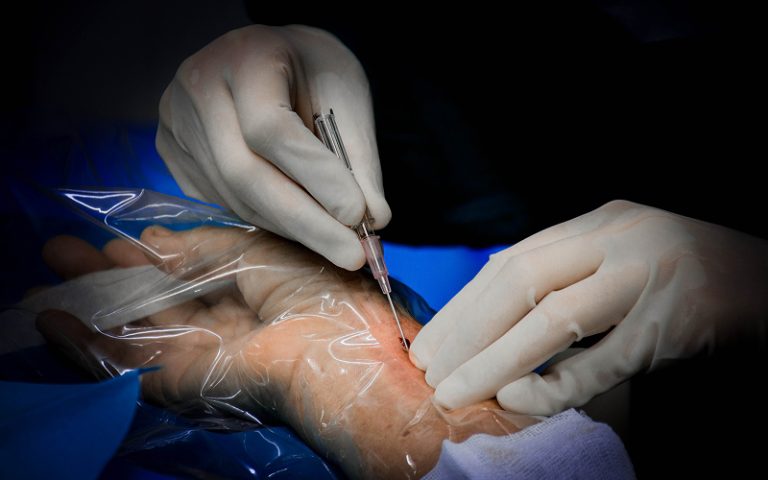
Hand surgeons provide specialised care for various conditions affecting the hand, wrist, and forearm. Most are trained as orthopaedic hand surgeons, meaning they have a thorough understanding of the musculoskeletal system, as well as further subspeciality training in delicate hand anatomy, nerve repair, microsurgery, and reconstructive procedures. These procedures are commonly required due to trauma, repetitive strain, nerve compression, congenital defects, or degenerative diseases.

Discover what procedures are routinely performed by a hand surgeon in Singapore, helping patients make informed decisions when referred for specialist intervention.

1. Fracture Fixation and Trauma Management

Most of the work performed by orthopaedic hand surgeons revolves around trauma. Hand fractures, particularly those involving the metacarpals, phalanges, and wrist bones, are common due to accidents and sports injuries. Surgical fixation may involve screws, plates, or external stabilisation devices to maintain alignment during healing. Complex or open fractures may also require soft tissue repair or microsurgical techniques to reconnect blood vessels and nerves. Surgeons are also well-versed in managing crush injuries, tendon lacerations, and dislocations with a multidisciplinary approach that includes hand therapy post-operation.

2. Tendon and Nerve Repair

Flexor and extensor tendon injuries can severely affect hand function. A hand surgeon typically performs primary repair for clean lacerations or staged tendon reconstruction for complex or delayed cases. The use of magnification and microsurgical tools allows precise suturing to restore mobility while minimising adhesion formation. Similarly, nerve injuries, whether from trauma or compression, are treated through nerve repair, grafting, or decompression techniques. Typical procedures include digital nerve repair and median nerve release, especially in carpal tunnel syndrome. Early surgical intervention is essential to preserve sensation and motor function.

3. Carpal Tunnel and Nerve Compression Surgery

One of the most frequent procedures conducted by hand surgeons is carpal tunnel release. This surgery relieves pressure on the median nerve at the wrist by cutting the transverse carpal ligament, thereby improving symptoms such as numbness, tingling, and hand weakness. Other nerve decompression surgeries include cubital tunnel release (for the ulnar nerve) and radial tunnel release. These are often performed as day surgeries using minimally invasive or open techniques, depending on the severity of the condition and the patient’s anatomical profile.

4. Arthritis and Joint Reconstruction Procedures

Degenerative diseases such as osteoarthritis and rheumatoid arthritis can lead to severe joint deformities and pain. Orthopaedic hand surgeons offer several interventions, including joint fusion (arthrodesis) to relieve pain or joint replacement (arthroplasty) to maintain mobility. Common sites include the thumb base, finger joints, and wrist. Silicone or metal implants may be used depending on the patient’s age, activity level, and disease severity. Tendon transfers or synovectomy may also be performed in some cases to improve function and reduce inflammation.

5. Congenital and Reconstructive Surgery

Some hand surgeons are trained in managing congenital anomalies such as syndactyly (webbed fingers), polydactyly (extra digits), and other structural deformities. These procedures are often performed in early childhood but may also require follow-up or corrective surgery during adulthood. Reconstructive surgery is also necessary after major trauma, burns, or tumour excision, involving skin grafts, flap coverage, or even toe-to-thumb transfers to restore hand function and appearance.

6. Cyst, Ganglion, and Tumour Removal

Benign hand masses like ganglion cysts, lipomas, and giant cell tumours of the tendon sheath are commonly excised by a hand surgeon. While many cysts are harmless, they may cause pain, cosmetic concern, or compress adjacent structures, warranting surgical removal. Surgeons ensure complete excision to reduce recurrence risk and may send tissue for histological analysis to rule out malignancy.

Conclusion

Orthopaedic hand surgeons offer a wide range of procedures, from trauma and nerve repair to complex reconstructive surgery. Their role is essential in restoring hand functionality and improving the quality of life for patients affected by both acute injuries and chronic conditions. Patients with prolonged discomfort, numbness, or deformity should contact a trained hand surgeon to decide whether surgical intervention is necessary.

Visit National University Hospital (NUH) and take the first step towards restoring full hand function today.

Nosebleeds are often dismissed as a minor inconvenience. However, ENT doctors in Singapore frequently treat patients who ignore recurrent or prolonged nosebleeds until they develop into more serious issues. While a single, brief episode may not be concerning, patterns of bleeding or incorrect self-treatment can signal deeper sinus or vascular concerns.

What ENT Doctors Wish You Knew About “Minor” Nosebleeds

Not All Nosebleeds Are the Same

ENT surgeons classify nosebleeds based on their origin. The most common type, anterior nosebleeds, occur in the front of the nose and are typically caused by dry air, nose picking, or minor trauma. Posterior nosebleeds, though less frequent, originate deeper in the nasal cavity and are more challenging to manage without professional intervention. ENT doctors caution against assuming all nosebleeds are minor just because they stop on their own. If bleeding occurs from both nostrils or after minimal provocation, further evaluation may be necessary.

Home Remedies Often Do More Harm Than Good

Many patients resort to old-school remedies like tilting the head back or stuffing tissue up the nose. ENT doctors discourage these methods as they can cause blood to flow into the throat or lead to clots and infections. Instead, apply pressure to the soft part of the nose and lean forward slightly. Ice packs on the bridge of the nose may help constrict blood vessels. However, sinus surgeons warn that repeated episodes treated only at home could signal deeper anatomical or vascular problems.

Frequent Nosebleeds May Indicate Underlying Conditions

While dry air or irritants are common triggers, recurrent nosebleeds should not be dismissed. ENT doctors often identify chronic allergies, hypertension, or bleeding disorders during evaluations. In some cases, nasal polyps or deviated septums discovered by sinus surgeons could be contributing to frequent bleeding. Persistent nosebleeds may also be an early sign of more serious conditions such as nasal tumours or blood vessel abnormalities.

Your Environment Might Be a Hidden Culprit

Air-conditioned workplaces, urban pollution, and even overuse of nasal sprays can dry out and irritate nasal linings. ENT doctors frequently see nosebleeds spike during haze periods or when people rely heavily on antihistamines and decongestants. ENT surgeons recommend using saline sprays to keep nasal passages moist and limiting exposure to environmental triggers where possible. Adjusting your home environment—such as using humidifiers—can also make a significant difference.

When to See an ENT Specialist

If you experience nosebleeds more than once a week, or if each episode lasts longer than 10 minutes, it’s time to consult an ENT doctor. Additional red flags include bleeding that occurs during sleep, nosebleeds accompanied by bruising or fatigue, and any post-surgery or post-injury bleeding. An ENT physician can perform nasal endoscopy and imaging if required, and sinus surgeons are trained to correct anatomical causes surgically or with cauterisation when conservative treatment fails.

What to Expect During a Consultation

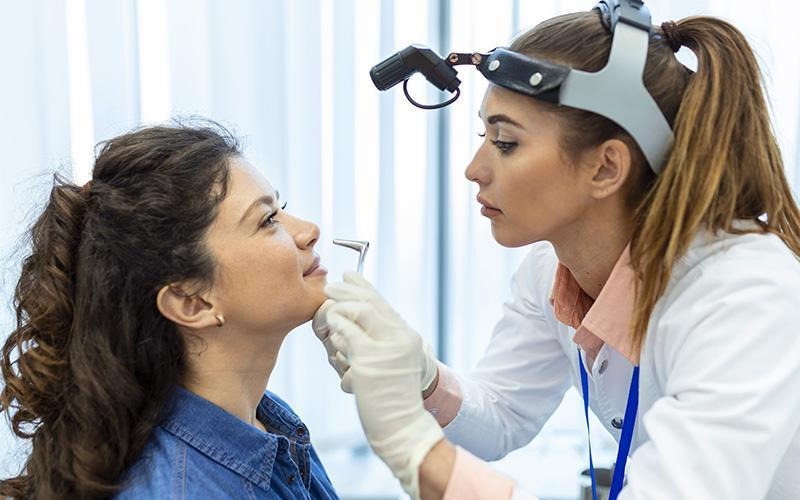
ENT doctors typically begin with a physical examination, followed by a review of medical history and lifestyle factors. If warranted, they may conduct nasal endoscopy to inspect internal structures. Treatment options range from nasal moisturisers and medications to cauterisation and minor surgical corrections by sinus surgeons. Many cases can be resolved without invasive measures if addressed early.

Conclusion

Nosebleeds might seem trivial, but they’re often a signal your body is trying to tell you something. ENT doctors emphasise the importance of not dismissing patterns, triggers, or uncommon symptoms. Seeking consultation from an ENT surgeon or sinus expert at an early stage can help avoid issues and promote long-term nose health.

Don’t let a “minor” nosebleed turn into a major concern. Contact Dr Jenica Yong to schedule a consultation with an experienced ENT doctor today.

Singapore’s humidity and year-round sun can take quite a toll on our skin. Between the heat, stress, and urban pollution, it’s no wonder many people are turning to professional treatments to restore a natural glow. One treatment quietly gaining popularity in aesthetic clinics is the Erbium YAG laser, a precise and gentle tool for skin rejuvenation that delivers visible results without long recovery times.

What Makes the Erbium YAG Laser Different?

Here’s the thing: not all lasers are created equal. The Erbium YAG laser uses a specific wavelength that targets water molecules within the skin, making it highly effective for controlled skin resurfacing. In simple terms, it gently removes the outermost layer of damaged skin while stimulating collagen production underneath. The result? Smoother, fresher-looking skin that doesn’t look “overdone”.

Compared to older technologies, this type of ablative laser skin resurfacing is known for being less aggressive. It penetrates the skin precisely without causing unnecessary heat damage to surrounding tissue. That’s why many dermatologists in Singapore recommend it for those who want results without the long downtime typical of older CO₂ lasers.

Gentle Yet Powerful: The Science Behind It

Let’s get a bit technical, but not too much. The Erbium wavelength (2,940 nanometres, to be exact) has a high absorption rate in water, which allows the laser to vaporise microscopic layers of skin with minimal thermal injury. Because of this, patients experience less redness and a faster recovery period.

The magic lies in how it stimulates the body’s natural healing process. As new collagen forms, the skin becomes tighter and more even in texture. Think of it as polishing the surface of wood, removing the dull outer layer so the grain beneath shines through.

Common Skin Concerns It Can Treat

You’d be surprised how versatile the Erbium YAG laser really is. It can treat everything from fine lines and wrinkles to acne scars and pigmentation. Many patients also use it to refresh dull skin that’s lost its elasticity due to ageing or sun exposure.

In some medical aesthetic clinics, the treatment is customised according to skin type. Singapore’s tropical climate means many patients have a mix of oily and sensitive skin, so precision matters. The Erbium system’s adjustable settings make it suitable even for those with lighter complexions that are prone to redness or irritation.

What to Expect During and After the Treatment

The session itself usually lasts under an hour. A topical anaesthetic is applied beforehand, so the sensation is more like a warm tingling than pain. During treatment, you might notice a faint smell of skin vapourising, which is completely normal. Afterwards, your skin will feel slightly tight and appear pinkish, almost like a mild sunburn.

Downtime varies, but most people resume daily routines within three to five days. Gentle cleansing and sunscreen are essential while the skin regenerates. It’s common to see results improving gradually over the following weeks as new collagen develops, giving the face a soft, youthful glow that looks completely natural.

Why Erbium YAG Outshines Other Options

When comparing ablative laser skin resurfacing treatments, the Erbium YAG stands out for its precision and comfort. While CO₂ lasers can produce dramatic results, they often involve longer healing times and more discomfort. The Erbium YAG laser bridges that gap beautifully, as it’s strong enough to make a visible difference yet gentle enough for those who want to avoid extended downtime.

For many Singaporeans juggling busy schedules, this balance is ideal. You can book a session over the weekend and return to work a few days later looking refreshed, not overtreated.

The Subtle Confidence That Follows

There’s something quietly empowering about looking in the mirror and noticing smoother, more radiant skin. It’s not vanity, it’s self-assurance. For many patients, the Erbium YAG treatment isn’t just about addressing wrinkles or scars; it’s about feeling comfortable in their skin again. That little boost of confidence can change how you carry yourself, even in everyday interactions.

Final Thoughts

Whether you’re targeting specific problem areas or simply looking to maintain a youthful glow, the Erbium YAG laser offers a balanced and effective approach to skin renewal. It’s precise, safe, and ideal for Singapore’s fast-paced lifestyle where convenience and results both matter.

If you’ve been considering ablative laser skin resurfacing, it might be time to book a consultation and see how this treatment could fit your skin goals. Contact Halley Medical Aesthetics today to learn more and take that first step towards healthier, rejuvenated skin.


Surgical treatment for Spinal Cord Injury (SCI) requires the highest precision. Working within millimeters of delicate neural structures, surgeons must stabilize damaged vertebrae and decompress the spinal cord, without causing further harm. In recent years, computer navigation has become a vital tool for meeting this challenge. By providing real-time, three-dimensional guidance, these systems help surgeons plan and execute procedures with greater accuracy, improving outcomes and reducing risks. Dr. Larry Davidson, a board-certified neurosurgeon, with fellowship training in complex spinal surgery, has integrated computer navigation into his practice, to strengthen both safety and effectiveness.

This approach demonstrates how technology enhances a surgeon’s expertise, allowing complex procedures to be executed with greater confidence and attention. Tools such as advanced imaging, navigation systems and robotics improve precision, while minimizing the risk of complications. By combining human skill with these innovations, patients experience safer surgeries and more reliable results.

The Need for Precision in SCI Surgery

The stakes in spinal surgery are uniquely high. Even minor errors in the placement of screws, rods or grafts can jeopardize stability or damage nerve tissue, leading to complications that affect mobility, sensation, and quality of life. For patients with SCI, who already face significant challenges, precision is not optional. It is essential.

Traditional methods relied on two-dimensional imaging, such as X-rays, to guide instrumentation. While effective to a degree, these techniques left room for error, particularly in anatomically complex cases. Surgeons often had to rely heavily on experience and judgment, with limited intraoperative feedback. Computer navigation has changed this dynamic by offering a clear, detailed visualization of the surgical field.

How Computer Navigation Works

Computer navigation begins with advanced imaging, such as CT or MRI scans, which create a three-dimensional model of the patient’s spine. This digital map is then linked to the operating room in real time, allowing surgeons to track their instruments with extraordinary accuracy.

During surgery, reference markers are attached to the patient’s anatomy, and cameras or sensors track their position. The navigation system synchronizes this data with the preoperative scans, providing a live, interactive image on a screen. Surgeons can see exactly where their tools are in relation to the spinal cord, vertebrae and surrounding tissues. This technology functions like a GPS for the spine, directing the surgeon through intricate anatomy and supporting the accurate placement of implants and instruments.

Benefits of 3D Mapping in Surgery

Three-dimensional mapping provides a level of detail that two-dimensional imaging cannot match. Surgeons can rotate and manipulate the model to view the spine from multiple angles, gaining insight into each patient’s unique anatomy. It is particularly valuable in SCI cases, where injuries may cause distortion or instability that complicates navigation.

With 3D guidance, surgeons are better able to plan their approach, anticipate challenges and adjust during the procedure. This preparation reduces the likelihood of errors, shortens operative time and enhances the overall safety of the surgery. 3D mapping improves accuracy and increases the surgeon’s ability to protect delicate neural structures. By visualizing the surgical field in detail, he can operate with confidence, knowing that real-time data supports every move.

Reducing Risks Through Navigation

Navigation helps limit complications, lower the need for revision surgeries, and improve patient outcomes by reducing the margin of error. For SCI patients, who may already face uncertain recovery, this added security is invaluable.

Dr. Larry Davidson says, “Combining advanced robotic tools with surgical expertise elevates patient care, by making procedures safer and recovery more manageable.” His insight emphasizes that while navigation provides extraordinary precision, its true power lies in how it enhances the surgeon’s ability to deliver safer and more reliable care.

The Athlete’s Perspective

Athletes recovering from SCI often measure their progress in terms of speed, function and return to activity. For them, the precision offered by computer navigation is especially meaningful. Accurate placement of hardware and effective decompression provide a stronger foundation for rehabilitation, giving athletes a better chance of regaining strength and mobility.

Shorter operative times and fewer complications also translate into quicker rehabilitation. Athletes benefit from a smoother recovery process, with fewer setbacks, allowing them to focus on rebuilding performance. For patients whose careers and lifestyles depend on physical capacity, navigation offers a clearer path to achieving their goals.

Education and Training in Navigation

As computer navigation becomes increasingly common, surgical training has evolved so that new neurosurgeons and orthopedic specialists develop proficiency with the technology. Training focuses on both mastering the system’s technical operation and applying its guidance, with sound clinical judgment.

The integration of navigation with traditional surgical skills emphasizes that, while technology can enhance precision, a surgeon’s knowledge, judgment and experience remain key to successful outcomes. By mentoring younger physicians, this helps prepare the next generation to use these tools, responsibly and effectively.

Patients and Shared Decision-Making

For patients, understanding the role of computer navigation can strengthen trust in the surgical process. Many are reassured to know that their surgery will be guided by advanced imaging and real-time data, reducing risks and improving accuracy. Shared decision-making allows patients to discuss these benefits with their surgeon, weighing them against the challenges of surgery. When patients know that navigation will support the procedure, they often feel more confident in moving forward with treatment.

The field of computer navigation continues to expand. Advances in robotics, machine learning and augmented reality promise to integrate seamlessly with navigation systems, offering even greater precision and customization. Research is also exploring how navigation can be paired with regenerative strategies, such as stem cell therapy, to further enhance outcomes.

Computer navigation has become an essential part of spinal cord injury surgery. It offers three-dimensional mapping and real-time guidance that improve accuracy and reduce risks. By providing surgeons with detailed visualization and intraoperative feedback, these systems help protect nerve tissue, enhance safety and support better recovery. The dedication to integrating navigation into his surgical practice underscores its value in modern spinal care. This demonstrates how technology, when combined with expertise, can refine surgical outcomes and give patients greater confidence in their treatment journey.

Pigmentation woes are no strangers in Singapore. Many people have tried countless creams and concealers to no avail. Enter the pigmentation laser treatment clinics in Singapore that are swearing by—Pico laser. Promising results in fewer sessions and minimal downtime, but does it live up to the hype? And how does it compare to other pigmentation options? Let’s unpack the reality behind the radiant results.

What Tech and Skincare Have in Common

It’s easy to assume laser skincare is purely about surface-level glow. But in reality, the technology behind treatments like Pico laser mirrors innovation is seen with precision, calibration, and customisation. In Singapore, the beauty industry has embraced this technical synergy, offering pigmentation laser treatments using pico-level (one trillionth of a second) pulses.

This ultra-short pulse duration makes Pico laser in Singapore a go-to tool. Unlike traditional lasers that rely heavily on heat, Pico technology uses pressure to shatter pigmentation into particles, which the body can remove naturally. The result? Less risk of thermal damage, faster recovery, and greater accuracy, similar to how high-speed processing works in other tech fields.

Addressing the Real Emotional Toll of Pigmentation

Pigmentation issues are more than skin deep. For many individuals, acne scars and dark spots become long-term reminders of skin struggles that impact self-confidence. One of the advantages of Pico laser for acne scars is that it offers hope without invasive procedures. It’s a bridge between cosmetic improvement and emotional recovery.

But let’s not gloss over expectations. Some clients come in thinking a single session will be enough. In reality, while you might notice brighter skin after one treatment, visible improvement in pigmentation often requires multiple sessions spaced a few weeks apart. Depending on your skin tone, pigment type, and depth, this could range from three to six sessions.

From Consultation to Results

The process of pigmentation laser treatment in Singapore typically begins with a consultation. During this time, clinicians assess skin type, and pigmentation severity, and discuss goals. A good practitioner will use diagnostic tools, explain the laser settings, and set realistic expectations. Treatments usually take less than 30 minutes, making them feasible for lunch breaks.

Post-treatment, expect minor redness that subsides within hours. Some may experience mild flaking over a few days as pigmented cells are pushed to the surface. You’ll need sun protection and patience. Pico is fast, but natural healing still takes time.

Another way clients are streamlining their skincare process is by combining Pico with other treatments like chemical peels or hydra facials. While not mandatory, these can amplify results. However, any combination plan should be guided by a licensed professional.

What the Data Says

Looking back over the last year, pigmentation laser treatment in Singapore has consistently ranked high in demand. Clinics report a steady rise in Pico laser bookings, largely due to word-of-mouth, social media visibility, and client satisfaction. The cost remains one of the top concerns.

Depending on the clinic, the area being treated, and the number of sessions required, you can expect to pay anywhere from SGD 300 to SGD 600 per session. While not the cheapest option, many consider it an investment in skin confidence and long-term clarity.

Studies have shown treatments of Pico laser for acne scars can improve pigmentation by up to 75% with consistent sessions and maintenance. That figure rises when clients follow aftercare instructions properly.

Before and After Pico Laser Treatment

Before undergoing Pico laser treatment, avoid excessive sun exposure, active skincare acids, and tanning products for at least a week. On the day of your session, arrive with a clean face with no makeup or heavy skincare products. After the treatment, sunblock becomes your best friend. Reapply religiously and avoid heat-based activities like saunas or hot yoga for a few days.

Moisturising is key to skin recovery. While many clinics offer post-laser skincare kits, gentle pharmacy-grade products like ceramide-based creams or hyaluronic acid serums can work just as well. Avoid picking at flaking skin. It’s a sign your pigmentation is lifting naturally.

Glow Beyond the Gram

Pigmentation laser treatment in Singapore, particularly Pico laser, has carved out a unique spot in the aesthetics world for its tech-forward approach and ability to inspire confidence. Whether you’re fighting sun damage or fading long-standing acne scars, the Pico laser offers a gentler, smarter route to clearer skin. While it’s not a magic wand, it feels like one for many who’ve spent years masking their skin concerns.

If you’ve been curious but hesitant, now might be the time to explore this pulse-powered revolution and step into the spotlight on your terms. Contact Dream Plastic Surgery today to learn more.

Lifting weights can boost your strength and confidence, but improper technique lurks as a silent threat to your well-being. Those invisible risks include painful surprises like joint damage or chronic back injuries that could stick with you longer than the muscle gains. Special attention from fitness enthusiasts in Music City highlights the need for a smart approach to weightlifting safety.

This insight shapes our first concern: Joint Damage From Incorrect Technique, how incorrect form puts stress on your body’s hinges, sometimes leading to long-term harm

Joint Damage From Incorrect Technique

Improper lifting techniques can lead to joint damage, particularly in the knees. Incorrect movement patterns during exercises like squats may strain the knee joints

  1. When doing deep squats, poor control and misalignment of the knee joints increase injury risk. It’s vital to have strong support from muscles around this area, especially for such an intensive move.
  2. The critical thing isn’t just about exercise but also maintaining proper muscle activation. Training specific muscles like the Vastus Medialis Oblique is key for stabilizing your knees and keeping them healthy.
  3. Here’s a standout quadriceps strengthening drill: lie with something rolled under your knee, straighten that leg while focusing on using inner thigh strength. This not only fortifies quads but also targets the correct stabilization of your knee joint.

Remembering these points could make a significant difference in preventing needless stress on your body during workouts at some of the top fitness centers in Nashville.

Chronic Back Injuries and Nashville Fitness

Lifting weights without proper technique can lead to chronic back issues that affect your fitness routine, particularly in Nashville, where active lifestyles are common. Awareness and prevention of these conditions are essential for maintaining a healthy back

  1. Disc Herniation Risk: When vertebral discs tear or protrude, they may press on nerves, causing severe discomfort. Supportive weight belts during heavy lifts can prevent excessive strain on the lower back.
  2. Neutral Spine Importance: Maintaining a neutral spine throughout workouts promotes even distribution of pressure on intervertebral discs. Strong core muscles and thoughtful postures help reduce the likelihood of herniated disc injuries.
  3. Symptom Recognition: Pain, numbness in legs or buttocks signify potential disc displacement situations requiring immediate attention. Early intervention with rest and possibly medical consultation prevents worsening injury impact from improper lifting techniques at Next Level Fitness facilities around Nashville.

Nashville’s Approach to Weightlifting Safety

Nashville embraces a safety-first approach to weightlifting, emphasizing proper techniques and gradual progression. This focus on health over hazard underscores the often overlooked truth: weightlifting isn’t inherently dangerous but rather made risky by incorrect application

  1. Embrace Proper Technique: To ensure muscles like your glutes, hams, and biceps strengthen without risk of atrophy or injury, Nashville trainers stress correct form above all else. They advise athletes that posture is crucial when lifting weights to avoid complications with the back and joints.
  2. Listen To Your Body’s Signals: Success in lifting isn’t about pushing through pain; it’s about heeding your body’s feedback. Nashville experts counsel halting immediately if you feel undue strain or discomfort during exercises, since this prevents minor issues from escalating into serious injuries.
  3. Recovery Is Crucial: Trainers here believe fully recovering between sessions drastically reduces the likelihood of getting hurt during workouts. If there’s any soreness from previous activities, they encourage rest until it subsides completely before adding more load to prevent long-term damage.

Lifting weights the wrong way puts you at risk for injury, pain, and long-term health issues. At Next Level Fitness, we stress proper form to keep your body safe and improve fitness gains.

Remember to focus on technique over weight; this prevents joint strain or muscle tears. Seek guidance from a coach if unsure about an exercise; it’s worth it for your well-being. Stay safe in the gym, lift smartly for stronger results without the setbacks of unseen risks that come with improper practices.

Being a woman today means juggling a lot. Between work, family, friends, workouts, side hustles, and the occasional moment of “me-time,” who has the time (or budget) to schedule dentist visits for teeth whitening?

That’s why at-home teeth whitening kits are such a lifesaver. You get professional-level results without having to sit in a dental chair or block out your weekend. But with so many kits out there, how do you know which ones actually work, and which ones fit seamlessly into a packed schedule?

Let’s break it down.

Why At‑Home Whitening Kits Work for Women on the Go

If you’re anything like me, you’ve probably tried to multitask everything, even self-care. Whitening strips while folding laundry? Whitening gel during your skincare routine? Yep, same here.

The good news? Today’s best at-home whitening kits are designed for real life. They’re quick, mess-free, and come with built-in flexibility. You can whiten your teeth while responding to emails, binge-watching your favorite series, or even getting the kids ready for bed.

But not all kits are created equal. Some are harsh on enamel, others are overpriced, and a few just… don’t work.

What Actually Matters in a Whitening Kit

When you’re busy, your self-care routine has to work with your life, not slow it down. So if you’re picking out a whitening kit, these are the features that’ll save you time, hassle, and protect your smile in the process:

  • Fast, visible results – You shouldn’t have to wait weeks to notice a difference. Look for a kit that delivers a brighter smile in just a few uses.
  • Gentle on enamel – Whitening shouldn’t hurt. Go for kits with enamel-safe ingredients, especially if you’ve had sensitivity in the past.
  • Mess-free and low effort – No one wants to deal with gooey trays or complicated steps. Pre-filled applicators or custom-fit trays can make life so much easier.
  • Aligner-friendly – Already using affordable clear aligners? Choose a whitening kit that’s designed to work alongside them,  no interference, no damage, just results.
  • Nighttime-safe – If you wear a night guard, such as,  soft night guard, timing your whitening sessions earlier in the evening is key. Better yet, find a kit that works well around your nightly routine.

Our Top Picks for Whitening Kits That Fit Your Life

Here’s a curated list based on convenience, effectiveness, and ease of use:

1. Dual-Use Whitening + Aligner Kit

Perfect for those already using affordable clear aligners. This kind of kit allows you to whiten your teeth and continue your aligner routine,  no extra steps, no awkward trays.

Why you’ll love it:
Pop in the gel, wear your aligners as usual, and let the magic happen. Great for multitaskers and minimalists.

2. Gentle Whitening for Sensitive Smiles

If you’ve ever flinched from an icy drink after whitening, this one’s for you. Enamel-safe, low-sensitivity formulas are ideal, especially if you wear a soft night guard at bedtime.

Why it’s a winner:
It works while being kind to your enamel. Plus, you won’t wake up regretting last night’s whitening session.

3. LED-Boosted Kits

LED whitening sounds fancy, but it’s actually super practical. These kits speed up the whitening process, so you can get great results while doing your skincare or finishing that last-minute presentation.

Quick tip:
Make sure to choose a kit where the LED device is hands-free, because let’s be real, you’re going to be doing ten other things.

How to Get the Most Out of Your Whitening Kit

A whitening kit is only as good as how you use it,  and don’t worry, this part’s easy too:

  • Whiten during downtime – Try it while watching Netflix, cooking dinner, or winding down with a book.
  • Stick to the schedule – Most kits give you noticeable results in 5–7 days. Just don’t overdo it. Whitening isn’t a daily face mask; it’s more like a treatment cycle.
  • Avoid coffee or wine right after – I know, I know, but just for an hour or two. Your newly whitened teeth are extra absorbent during that time.
  • Keep your aligners clean – Cloudy aligners = dull-looking smile. Rinse them daily, and brush them if you can.
  • Don’t whiten with your night guard in – Whitening should happen earlier in the evening so your mouth is fresh and ready for overnight protection.

A Note for Aligner Users and Night Grinders

If you’re on a teeth straightening at home journey, you’re already investing in your smile. Whitening can complement that, just make sure your kit is designed to work with your aligners, not against them.

And if you wear a night guard, be mindful of timing. Night guards protect your smile; whitening brightens it,  just don’t confuse the two.

Whitening That Works with Your Life

You don’t have to pause your life to brighten your smile.

The best at-home whitening kits are made for real women, the ones who don’t have time for complicated routines, but still want to feel confident flashing their teeth at a last-minute meeting, school pickup, or Saturday brunch.

So go ahead. Find a kit that fits your lifestyle, and let your smile shine, even on your busiest days.

Because you deserve a routine that works for you, not the other way around.