
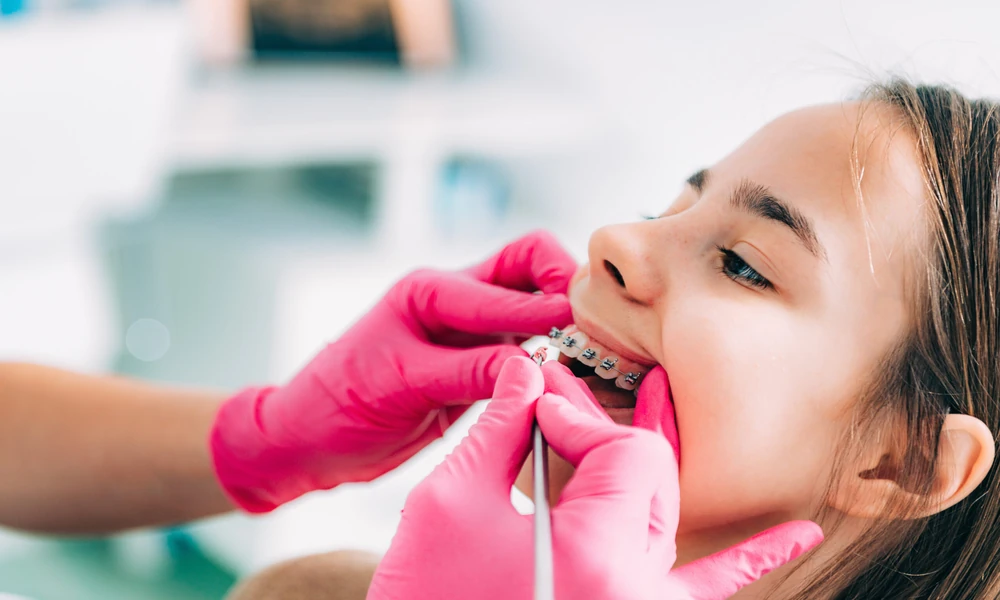
You might be noticing more than crooked teeth. Maybe your bite feels off, your jaw clicks when you chew, or your child breathes through their mouth and struggles to close their lips comfortably. When that starts to affect eating, speech, sleep, or confidence, it can feel hard to know what matters and what can wait. The short answer is this: The Connection Between Orthodontics And Proper Jaw Alignment goes far beyond appearance. A Chicago orthodontist looks at how the teeth, jaws, and facial growth work together, and that can make a real difference in comfort, function, and long term oral health.
That matters because jaw position is tied to daily life in quiet ways. A poor bite can place strain on the teeth and jaw joints, and in some cases it can make simple things like chewing and speaking feel harder than they should. According to MedlinePlus information on jaw disorders, jaw problems can involve pain, clicking, trouble chewing, and limited movement. So, where does orthodontic care fit into that picture?
Why does proper jaw alignment matter so much in orthodontic care?
When your upper and lower jaws do not line up well, the issue often shows up as an uneven bite. That can mean overbite, underbite, crossbite, open bite, or crowding that forces the teeth into positions they were never meant to hold. At first, it may seem like a cosmetic concern, but over time the effects can spread. Teeth can wear unevenly, gums can be harder to clean, and the jaw muscles may work overtime just to help you chew.
This is where jaw alignment orthodontic treatment becomes important. Orthodontics is not only about straightening teeth. It also helps guide bite relationships and, in growing children, can sometimes influence how the jaws develop. The goal is balance. When the bite is balanced, the teeth meet in a way that supports healthier function and less strain.
Because of this tension, you might wonder whether every jaw issue needs braces. Not always. Some jaw concerns are mild and mainly need monitoring, while others call for early treatment, tooth movement, appliances, or coordination with other dental or medical care. The key is understanding what is happening beneath the surface.
How can an orthodontist help when the bite and jaws are not working together?
An orthodontist evaluates more than the front teeth you see in the mirror. They look at facial growth, spacing, crowding, jaw position, bite contact, and how the teeth erupt over time. In children, this can be especially useful because growth is still in motion. The American Academy of Pediatric Dentistry guidance on developing dentition and occlusion explains that early assessment can help identify developing bite issues and support timely intervention when needed.
Think about a child with a narrow upper arch and a crossbite. If that goes untreated, the lower jaw may shift to one side each time they close their mouth. Over time, that pattern can affect comfort and growth. Or picture an adult whose deep bite causes front teeth to wear down and puts pressure on the jaw joints. Different age, different problem, but the same core issue. The bite is not in harmony.
That is why orthodontics and jaw alignment are so closely linked. Treatment may include braces, clear aligners, expanders, space maintenance, or other appliances designed to improve how the teeth and jaws fit together. In more severe skeletal cases, orthodontic care may be part of a larger plan that includes oral surgery. The review at NCBI Books on malocclusion outlines how bite problems can affect function, health, and treatment planning.
What should you weigh when comparing cosmetic straightening and full orthodontic evaluation?
It is easy to focus on straighter teeth because that is the part you can see. But when jaw position is part of the problem, cosmetic alignment alone may miss the reason your bite feels wrong. That does not mean every case is severe. It means the right plan starts with a full diagnosis, not guesswork.
| Concern | Cosmetic Tooth Straightening Only | Full Orthodontic Evaluation |
|---|---|---|
| Main focus | Appearance of front teeth | Teeth, bite, jaw relationship, and growth |
| Jaw alignment review | May be limited | Included as a core part of planning |
| Best for | Mild spacing or crowding with stable bite | Overbite, underbite, crossbite, open bite, crowding, shifting jaw |
| Possible risks if bite issues are missed | Uneven wear, discomfort, relapse, poor function | Lower chance of overlooking functional problems |
| Long term goal | Straighter smile | Healthier bite, better function, and straighter smile |
For many people, that difference is where the real value lies. A straight smile can feel rewarding, but a stable bite can help protect that result and support daily comfort.
What can you do right now if you are worried about bite problems or jaw alignment?
1. Pay attention to function, not just appearance.
Notice whether you or your child has trouble chewing, speech changes, mouth breathing, jaw clicking, frequent biting of the cheeks, or teeth that do not seem to meet evenly. Those details help show whether the issue goes beyond simple crowding.
2. Ask for a true orthodontic assessment.
If you are considering braces or aligners, ask how the bite and jaw relationship will be evaluated. A careful exam can identify whether the problem is dental, skeletal, or a mix of both. That one step can save time, money, and frustration later.
3. Do not wait too long for growing children.
Early evaluation does not always mean early treatment, but it does give you a map. When a child is still growing, some jaw and bite issues are easier to guide than they are to correct later. Even if the answer is “watch and wait,” you will know what to watch for.
When does the connection between orthodontics and proper jaw alignment become too important to ignore?
Usually, it becomes hard to ignore when the signs start affecting daily life. Pain, speech issues, uneven tooth wear, visible bite shifts, or trouble chewing are all reasons to take a closer look. And even if there is no pain, a developing bite problem can still be worth checking, especially in children and teens.
The good news is that many bite and alignment issues can be managed well with the right plan. You do not have to sort out every detail on your own. An orthodontist can help you understand whether the problem is mild, whether growth is a factor, and what options make sense for your goals. If something feels off with your bite or jaw, now is a good time to schedule an evaluation and get clear answers.

Comments are closed.