Category

Dental

Category

Key Takeaways

  • Modern dental restoration focuses on mimicking the natural function of your jaw while maintaining facial structure.
  • Consulting a professional located at a central hub ensures you receive consistent care throughout the recovery process.
  • Proper maintenance of your oral hygiene determines the endurance and success of any restorative procedure.

Introduction

Selecting a reliable solution for missing teeth often involves weighing various clinical options against your personal lifestyle. Many people find that gaps in their smile affect more than just their appearance; they can impact how you speak and eat every day. If you are looking for a permanent fix, researching a dental implant in Singapore provides a clear path toward restoring your confidence through a procedure that integrates directly with the bone. This method relies on a small titanium post that acts as a root, providing a sturdy foundation for a replacement tooth that looks and feels remarkably natural.

See the Clinical Process

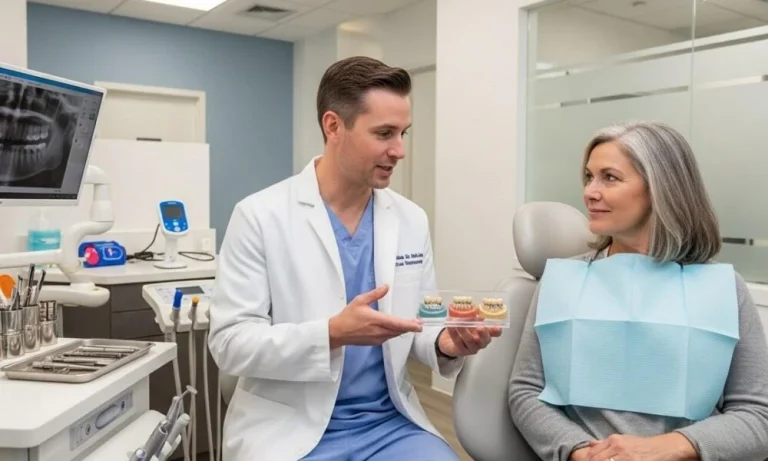
The journey toward a restored smile begins with a thorough assessment of your bone density and overall gum health. A practitioner will typically take detailed scans to ensure there is enough support for the titanium post, as this stability is vital for the success of the procedure. Once the site is prepared, the placement occurs in stages to allow the body to heal and bond with the material. This biological integration is what separates this method from removable alternatives, as it prevents the bone loss often associated with missing teeth. By choosing a dedicated dentist in Orchard, you can manage these appointments conveniently within a central location that offers comprehensive diagnostic tools.

Planning for these sessions involves understanding that the timeline is tailored to your body’s unique ability to regenerate tissue around the site. Your practitioner might suggest specific dietary adjustments or the use of specialised mouthwashes to keep the area sterile while the primary integration occurs. Because the jawbone needs time to grow around the screw, patience during the initial months is essential to ensure the final result is as stable as a natural root. This methodical approach ensures that the eventual crown can withstand the significant pressure generated by regular chewing.

Be Mindful of Post-Procedure Maintenance

Success after the initial placement depends heavily on how well you manage your oral environment during the healing phase. At the same time, the replacement tooth cannot decay like enamel, and the surrounding tissue remains susceptible to inflammation if neglected. Consistent brushing and flossing are non-negotiable habits that protect the area from bacteria that might compromise the stability of the foundation. Regular check-ups with a dentist in Orchard, allow the practitioner to monitor the site and ensure the crown remains properly aligned with your bite. Avoiding excessively hard foods during the early months helps the integration process remain undisturbed and allows the tissue to settle properly.

Focus on Lifestyle Integration

Adapting to a new dental fixture is usually seamless, provided you follow the specific guidance offered by your clinical team. Because these replacements function like natural teeth, they do not require special cleaning solutions or messy adhesives. You may find that your speech clarity improves and your ability to enjoy a diverse diet returns without the worry of a bridge slipping. Engaging with a teeth implant in Singapore specialist allows you to ask specific questions about your recovery timeline and what to expect during the transition. Most individuals find that once the final crown is attached, they quickly forget which tooth was the replacement because it fits so naturally into their daily routine.

Conclusion

Investing in your oral health through restorative procedures offers a reliable way to maintain your quality of life as you age. By understanding the importance of bone health and committed hygiene, you can ensure that your dental work remains functional for many years. Seeking advice from a qualified dentist in Orchard ensures that you have access to professional guidance tailored to your specific needs. Taking the first step toward a complete smile is a decision that benefits your overall well-being and social confidence.

Contact Elite Dental Group to schedule your consultation and discuss your options for a dental implant in Singapore.

Key Takeaways

  • The first month with braces focuses on adjustment, discomfort management, and dietary changes
  • Months two to three introduce visible movement and stricter oral hygiene routines
  • Mid-treatment requires consistency with appointments at a dental clinic in Orchard to avoid delays
  • Later months focus on refinement, minor corrections, and stabilisation
  • Retainers and post-treatment care are essential to maintain results

Introduction

Starting braces is not a single event but a structured process that unfolds over months. Each stage brings specific changes, expectations, and responsibilities. Patients often underestimate how routine adjustments, oral care, and follow-ups influence outcomes. Knowing the month-by-month progression helps set realistic expectations and reduces the risk of non-compliance. Whether treatment is handled by a general dentist or an orthodontist at a dental clinic in Orchard, the timeline follows a predictable clinical pattern focused on gradual, controlled tooth movement.

Month 1: Adjustment and Initial Discomfort

The first month is defined by adaptation. Once braces are fitted, patients typically experience soreness, pressure, and difficulty eating solid foods. Soft diets are recommended during the first week, and minor speech changes may occur. Oral hygiene becomes more time-consuming, requiring proper brushing techniques and possibly interdental brushes. Patients, at this stage, also learn what foods to avoid to prevent bracket damage. Regular communication with the dental clinic is critical, especially if discomfort feels excessive or appliances loosen. Compliance during this phase sets the tone for the rest of the treatment.

Months 2-3: Early Movement Becomes Noticeable

The initial discomfort reduces by the second and third months, and patients begin to notice slight alignment changes. This phase is where motivation typically improves, as visible progress confirms that the treatment is working. Follow-up visits are scheduled to tighten wires or replace elastics, which may cause temporary discomfort again. Oral hygiene becomes more disciplined, as plaque accumulation around brackets can lead to staining or gum issues. Patients undergoing braces are often reminded that consistency in cleaning and attendance directly impacts the overall timeline.

Months 4-6: Mid-Treatment Consistency

Alignment improves more significantly during this phase, but progress depends heavily on routine maintenance. Missed appointments or poor hygiene can slow down movement or lead to complications. Dentists at a dental clinic typically make incremental adjustments to ensure teeth shift in the correct direction without causing damage to roots or surrounding structures. Patients may also begin using elastics more frequently to correct bite alignment. Treatment, at this point, feels less intrusive, but discipline must remain consistent to avoid extending the duration.

Months 7-9: Refinement Phase

The refinement stage focuses on correcting smaller misalignments and improving bite precision. Tooth movement becomes more targeted rather than broad adjustments. Patients may not see dramatic visual changes during this period, but these refinements are critical for long-term stability. Those with braces in Singapore may feel that progress has slowed, but this phase ensures functional and aesthetic alignment. Regular reviews at a dental clinic help identify minor corrections that need attention before finalising treatment.

Months 10-12: Final Adjustments and Stabilisation

The focus in the final months shifts to stabilising results and preparing for brace removal. Dentists check alignment, spacing, and bite to ensure all treatment goals are met. Minor tweaks are common, and patients are often advised on post-treatment expectations. Oral hygiene habits should be well established by this stage. Additionally, those completing braces will be prepared for the transition to retainers, which play a critical role in preventing relapse.

Conclusion

A month-by-month approach highlights that orthodontic treatment is cumulative and dependent on patient cooperation. From initial discomfort to final refinement, each stage has a clear purpose. Working closely with a dental clinic ensures that adjustments are timely and complications are minimised. While the timeline may vary slightly between individuals, consistency remains the key factor in achieving predictable results with braces in Singapore.

Straightening your teeth is a commitment-make sure you’re guided properly at every stage. Contact Align Braces Clinic today.

When it comes to maintaining a radiant smile, most people immediately think of their toothbrush and floss. While these tools are indispensable, the foundation of a resilient set of pearly whites actually starts on your plate. Your teeth and gums are living tissues that require a specific suite of nutrients to repair damage, fight off bacteria, and maintain structural integrity.

By understanding the synergy between nutrition and hygiene, you can transform your daily meals into a preventative treatment plan. It is about more than just avoiding the “bad stuff”; it is about actively fueling your mouth’s natural defense systems.

The Building Blocks: Calcium and Phosphorus

The enamel on your teeth is the hardest substance in the human body, but it is not invincible. Every time you eat, the pH level in your mouth shifts, and acidic byproducts can leach minerals from your enamel. To counter this, you need a steady intake of calcium and phosphorus.

Dairy products like milk, plain yoghurt, and cheese are the gold standards here. Cheese, in particular, has the added benefit of containing casein, a protein that helps fortify the enamel surface. For those following a plant-based diet, fortified soy milk, almonds, and leafy greens like kale provide excellent alternatives. These minerals work in tandem to undergo remineralisation, essentially “plugging” the microscopic holes caused by acid erosion.

Vitamin C and Gum Vitality

You cannot have healthy teeth without a healthy foundation. Your gums are the literal anchors for your dentition, and they rely heavily on Vitamin C to stay firm and snug against your teeth. Vitamin C is crucial for collagen production; without it, gum tissue can become tender, inflamed, and prone to bleeding-early signs of gingivitis.

Incorporating citrus fruits, kiwis, strawberries, and capsicum into your snacks ensures your immune system can effectively manage the bacteria living in your gingival pockets. If you find yourself struggling with persistent sensitivity or redness despite a good diet, seeking professional oral care tips from a top-rated dentist can help determine if your nutritional intake needs a clinical boost.

Nature’s Scrubbers: Crunchy Fibrous Foods

Not all “teeth-cleaning” happens at the bathroom sink. Firm, crunchy foods with high water content act as natural toothbrushes. Raw carrots, celery, and apples require a lot of chewing, which stimulates the production of saliva.

Saliva is your mouth’s most potent natural defense. It contains enzymes that neutralise plaque acids and washes away lingering food particles. The fibrous texture of these vegetables also gently scrubs the surfaces of your teeth, disrupting the formation of biofilm (plaque) before it has a chance to harden into tartar. Think of a crunchy afternoon snack as a mechanical “pre-wash” for your evening hygiene routine.

The Hidden Dangers of “Healthy” Sugars

While we all know that lollies and soft drinks are detrimental to dental health, many people are caught off guard by “hidden” sugars in health foods. Dried fruits, such as sultanas and dates, are highly concentrated in sugar and possess a sticky consistency that clings to the grooves of molars for hours. Similarly, frequent snacking on acidic fruits like lemons or oranges can thin the enamel over time.

The trick is moderation and timing. It is far better for your teeth to eat these foods as part of a main meal rather than grazing on them throughout the day. This limits the “acid attack” windows and allows your saliva enough time to restore a neutral pH balance in the oral cavity.

Hydration and Fluoride

Water is arguably the most underrated tool in oral biology. Most tap water in Australia is fluoridated, providing a constant, low-level topical treatment that hardens enamel and makes it more resistant to decay. Drinking water after meals serves a dual purpose: it clears away debris and ensures your salivary glands have the hydration they need to function optimally. Replacing sugary juices or sports drinks with plain water is perhaps the single most effective dietary change a person can make for their long-term dental prognosis.

The Broader Impact of Nutritional Choices

Maintaining a mouth-friendly diet does not just prevent cavities; it influences your systemic wellbeing. The mouth is the gateway to the body, and chronic oral inflammation is often linked to wider health issues, including cardiovascular disease and diabetes. Choosing whole, unprocessed foods creates a ripple effect of health that extends far beyond the gum line.

Understanding the relationship between healthy food and oral health is the first step toward a holistic lifestyle where your fitness goals and your dental check-ups work in perfect harmony. When you nourish your body with the right fuel, your smile becomes a natural reflection of your internal vitality.

1. INTRODUCTION

When people consider dental implants, they often undergo a mixture of emotions, especially when they decide to set up an initial meeting with the dentist. To decide if this is the best solution to replace your tooth loss, you need to research a lot of questions with regard to the dental implant procedure. If you’re planning your visit, searching for dental implants near me can help you find experienced professionals in your area for a proper consultation. This article will help you to be aware of what to expect on your initial consultation with regard to dental implants and the steps you need to take to ensure that you choose the best. Remember that each dentist has a different experience.

2. START BY FINDING A KNOWLEDGABLE DENTIST

American Academy of Implant dentistry is one of the oldest organisations that is dedicated towards implant dentistry and has an online directory to help you search an implant dentist in your area. It is essential to select a dental implant expert who has experience, advanced training and sophisticated judgement to successfully place and restore your implant.

3. MEET THE TEAM

You will be meeting your dentist and his or her team when you arrive for your appointment. They are there to support and guide you through the entire procedure so that you can expect a casual conversation and an introduction to make you comfortable and at ease.

4. PRELIMINARY CONVERSATION
You will have an opportunity to talk to your doctor and share as to what’s going on with your mouth (concerns). Your records will be reviewed, history will be discussed and past x-rays or impressions will be reviewed. You maybe required to fill necessary paperwork regarding your history and the reason for your visit if you didn’t complete it before the appointment. To assess your individual needs the dentist will ask questions since each individual is different. This would be the best time to let your doctor know how you want to see yourself and the outcome you would like. If you feel emotional during this conversation then it is completely normal. You should know that there’s no need to be embarrassed about your appearance nor when you express a history that lacks proper oral care.

5. ORAL EVALUATION AND IMAGING
Following step would be to do a thorough evaluation of your mouth with the help of X-ray and 3D imaging. It is essential for the doctor to get the entire view of what’s going on so that best treatment plan can be devised.

6. TREATMENT PLAN
In this step the doctor would discuss various details regarding the treatment plan, various implant options available , different steps involved in the procedure, timeline, expectation after surgery and scheduling of the next phase with you.

7. QUESTIONS AND ANSWERS
Do not forget to utilise this time to ask questions about your doubts to the dentist. From dentists view point they are elated to talk to you about your experience, share their success stories and reply.

A child’s smile is closely tied to their confidence, comfort, and overall development. During the early years, dental and jaw growth happens rapidly, and even small issues can evolve into complex problems if ignored. Many parents assume orthodontic treatment should wait until the teenage years, but modern dentistry shows that early attention can make a profound difference. Interceptive orthodontics is designed to identify and manage developing concerns at the right time, helping children grow into healthier smiles and stronger self-esteem.

Interceptive orthodontics generally begins between ages six and ten, when children have a mix of baby teeth and permanent teeth. This phase of growth offers a unique opportunity because the jawbones are still developing and can be gently guided. Instead of reacting to severe misalignment later, orthodontists can address crowding, bite problems, and jaw discrepancies early. This proactive approach often simplifies or reduces the need for extensive treatment during adolescence.

One of the most compelling reasons for early orthodontic care is prevention. Dental issues such as overcrowding, crossbites, overbites, and underbites rarely correct themselves. As a child grows, these problems often become more pronounced, leading to longer treatment times and more invasive procedures. Interceptive orthodontics focuses on correcting the underlying causes while growth is still occurring. By creating space for permanent teeth and guiding jaw development, early treatment can prevent extractions, reduce the likelihood of surgery, and shorten future orthodontic care.

Functionality is another essential benefit of early intervention. Proper alignment affects how a child chews, speaks, and breathes. Bite issues can interfere with speech development and make chewing less efficient, while jaw imbalances may contribute to uneven tooth wear or jaw discomfort later in life. Early orthodontic treatment helps establish a balanced bite, supporting better oral function and long-term dental health. These improvements often extend beyond the mouth, influencing posture, breathing patterns, and overall comfort.

Interceptive orthodontic care is commonly delivered in phases. Phase one treatment addresses skeletal and developmental concerns using appliances such as expanders, partial braces, or habit-correcting devices. This phase helps guide jaw growth and prepares the mouth for permanent teeth. After a resting period, phase two may involve full braces or aligners to refine alignment once all adult teeth have erupted. This phased approach works with natural growth patterns, making treatment more efficient and predictable.

For parents, understanding the value of early intervention strategies in interceptive orthodontics can be empowering. These strategies involve early evaluations, close monitoring, and customized treatment plans tailored to each child’s unique development. Orthodontists assess factors such as tooth eruption patterns, jaw symmetry, and bite relationships to determine the ideal timing for intervention. Acting at the right moment often leads to better outcomes with less discomfort and lower overall costs.

The emotional impact of early orthodontic care is just as important as the physical benefits. Children are often very aware of their appearance, and noticeable dental issues can affect confidence during formative years. Early correction can help children feel more comfortable smiling, speaking, and interacting with peers. This boost in self-esteem can positively influence social development and help children approach adolescence with greater confidence.

Advancements in orthodontic technology have further improved the effectiveness of interceptive treatment. Digital imaging, 3D scans, and advanced treatment planning tools allow orthodontists to visualize growth patterns and anticipate future changes with remarkable accuracy. Appliances are now more precise, comfortable, and child-friendly, making early treatment less intimidating and more effective. These innovations also allow for better communication with parents, who can see projected outcomes and understand the long-term benefits of early care.

Choosing interceptive orthodontics is an investment in a child’s future health and well-being. Early treatment can reduce the severity of later orthodontic issues, shorten treatment time during the teenage years, and lower the risk of complications. More importantly, it helps children develop healthy oral habits and a positive relationship with dental care from a young age. A well-aligned smile supports not only oral health but also confidence, comfort, and quality of life.

As orthodontics continues to evolve, early treatment options are becoming more advanced and accessible. Ongoing innovation highlights how technology is changing early treatment, ensuring that children today benefit from smarter, gentler, and more personalized orthodontic solutions that support lifelong confidence and health.

Being a woman today means juggling a lot. Between work, family, friends, workouts, side hustles, and the occasional moment of “me-time,” who has the time (or budget) to schedule dentist visits for teeth whitening?

That’s why at-home teeth whitening kits are such a lifesaver. You get professional-level results without having to sit in a dental chair or block out your weekend. But with so many kits out there, how do you know which ones actually work, and which ones fit seamlessly into a packed schedule?

Let’s break it down.

Why At‑Home Whitening Kits Work for Women on the Go

If you’re anything like me, you’ve probably tried to multitask everything, even self-care. Whitening strips while folding laundry? Whitening gel during your skincare routine? Yep, same here.

The good news? Today’s best at-home whitening kits are designed for real life. They’re quick, mess-free, and come with built-in flexibility. You can whiten your teeth while responding to emails, binge-watching your favorite series, or even getting the kids ready for bed.

But not all kits are created equal. Some are harsh on enamel, others are overpriced, and a few just… don’t work.

What Actually Matters in a Whitening Kit

When you’re busy, your self-care routine has to work with your life, not slow it down. So if you’re picking out a whitening kit, these are the features that’ll save you time, hassle, and protect your smile in the process:

  • Fast, visible results – You shouldn’t have to wait weeks to notice a difference. Look for a kit that delivers a brighter smile in just a few uses.
  • Gentle on enamel – Whitening shouldn’t hurt. Go for kits with enamel-safe ingredients, especially if you’ve had sensitivity in the past.
  • Mess-free and low effort – No one wants to deal with gooey trays or complicated steps. Pre-filled applicators or custom-fit trays can make life so much easier.
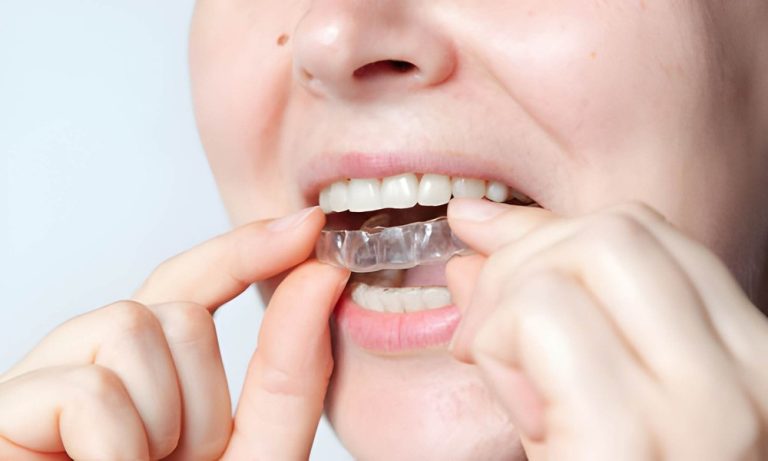
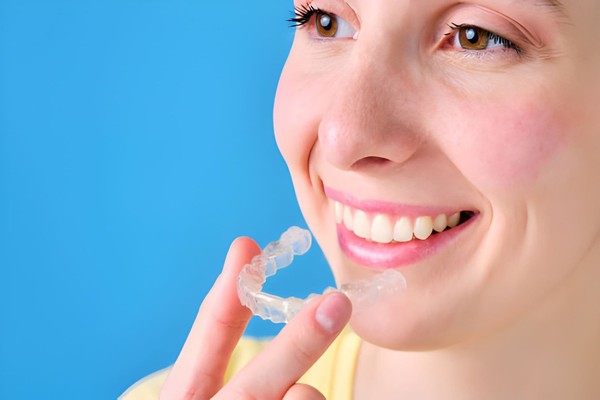
  • Aligner-friendly – Already using affordable clear aligners? Choose a whitening kit that’s designed to work alongside them,  no interference, no damage, just results.
  • Nighttime-safe – If you wear a night guard, such as,  soft night guard, timing your whitening sessions earlier in the evening is key. Better yet, find a kit that works well around your nightly routine.

Our Top Picks for Whitening Kits That Fit Your Life

Here’s a curated list based on convenience, effectiveness, and ease of use:

1. Dual-Use Whitening + Aligner Kit

Perfect for those already using affordable clear aligners. This kind of kit allows you to whiten your teeth and continue your aligner routine,  no extra steps, no awkward trays.

Why you’ll love it:
Pop in the gel, wear your aligners as usual, and let the magic happen. Great for multitaskers and minimalists.

2. Gentle Whitening for Sensitive Smiles

If you’ve ever flinched from an icy drink after whitening, this one’s for you. Enamel-safe, low-sensitivity formulas are ideal, especially if you wear a soft night guard at bedtime.

Why it’s a winner:
It works while being kind to your enamel. Plus, you won’t wake up regretting last night’s whitening session.

3. LED-Boosted Kits

LED whitening sounds fancy, but it’s actually super practical. These kits speed up the whitening process, so you can get great results while doing your skincare or finishing that last-minute presentation.

Quick tip:
Make sure to choose a kit where the LED device is hands-free, because let’s be real, you’re going to be doing ten other things.

How to Get the Most Out of Your Whitening Kit

A whitening kit is only as good as how you use it,  and don’t worry, this part’s easy too:

  • Whiten during downtime – Try it while watching Netflix, cooking dinner, or winding down with a book.
  • Stick to the schedule – Most kits give you noticeable results in 5–7 days. Just don’t overdo it. Whitening isn’t a daily face mask; it’s more like a treatment cycle.
  • Avoid coffee or wine right after – I know, I know, but just for an hour or two. Your newly whitened teeth are extra absorbent during that time.
  • Keep your aligners clean – Cloudy aligners = dull-looking smile. Rinse them daily, and brush them if you can.
  • Don’t whiten with your night guard in – Whitening should happen earlier in the evening so your mouth is fresh and ready for overnight protection.

A Note for Aligner Users and Night Grinders

If you’re on a teeth straightening at home journey, you’re already investing in your smile. Whitening can complement that, just make sure your kit is designed to work with your aligners, not against them.

And if you wear a night guard, be mindful of timing. Night guards protect your smile; whitening brightens it,  just don’t confuse the two.

Whitening That Works with Your Life

You don’t have to pause your life to brighten your smile.

The best at-home whitening kits are made for real women, the ones who don’t have time for complicated routines, but still want to feel confident flashing their teeth at a last-minute meeting, school pickup, or Saturday brunch.

So go ahead. Find a kit that fits your lifestyle, and let your smile shine, even on your busiest days.

Because you deserve a routine that works for you, not the other way around.

The number of people approaching an orthodontist for problems like crooked teeth and misaligned teeth has increased in number tremendously nowadays. The reason for that is that not correcting such problems could result in gum disease, digestive issues, and others. It would be difficult to get rid of the stuck food particles when you have crooked teeth, responsible for plaque buildup.

You have several options to correct this kind of teeth problem, and the most popular ones among them are Invisalign and Braces. The majority of the people who have used Invisalign felt pretty comfortable wearing it on their teeth. Those who have used braces reported that they have faced problems like plaque buildup, food restrictions, etc.

Both braces and Invisalign are effective when it comes to showing the results. People choose one of them according to their budget and comfort. Whether you need Invisalign or braces, for the best Pearland orthodontist, visit Ello Orthodontics. Which is easier to maintain? When you wear braces, you must brush your teeth at least two times a day until your orthodontist removes them.

You must use a toothbrush with soft bristles for brushing your teeth, as a toothbrush with hard bristles can damage braces. Brush your teeth gently. When it comes to Invisalign, it is easy to remove and put on. According to the research, people with Invisalign aligners hardly faced problems like cavities and tooth decay. Clean them with cleaning crystals at least once a day to maintain them in good condition. Brush Invisalign slowly after soaking it in the cleaning crystals using a brush. Lastly, clean them with lukewarm water.

Dental development is different for both kids and adults, which means orthodontists would use a different approach for kids to correct their teeth problems. Your orthodontist may recommend a different type of Invisalign for your kid. Most adults ignore several dental problems until they cause severe pain and discomfort. What you need to understand is that even the small issues might turn into major problems in the future if you ignore them.

For the kids, it would take around six to one and a half years for the treatment. For adults, it may take a maximum of 24 months for the treatment. Every patient is different. The goals and needs of every patient would be different. The treatment duration can be more or less, depending on your requirements and condition. Many people think that Invisalign for adults would cost them more, but Invisalign for kids is more expensive. Choosing Invisalign for kids would be a better choice, as they are easy to maintain.

What you must keep in mind is, your orthodontist may not always recommend Invisalign for your kids. Your orthodontist may recommend braces for more complex dental problems. Prepare your kid for the treatment. Tell them that there is nothing to panic about. Doing this is very important. Otherwise, this might take a toll on your kid’s mental health. Don’t forget to read the reviews of an orthodontist before you take the appointment for Invisalign or braces. Check whether your health insurance covers the dental treatment cost or not before visiting a dental clinic.

It is essential to practice good oral hygiene from an early age in order to guarantee that children’s teeth and gums remain healthy as they mature. However, brushing children’s teeth can sometimes be a challenge. Young children often resist brushing, and some may not have developed the coordination to brush effectively. In these cases, oral swabs are a convenient and effective solution to help parents and caregivers keep children’s mouths clean and healthy. These swabs, often made from soft mouth care sponges, provide an easy and gentle way to care for a child’s teeth and gums, even for those who are too young to brush independently.

What Are Oral Swabs?

Oral swabs are small, soft, sponge-like applicators attached to a handle, designed to clean the teeth, gums, and tongue. They may be used to assist clear the mouth of germs, plaque, and food particles when combined with a little water or an oral cleansing solution. For children, oral swabs offer an excellent alternative to traditional toothbrushes, especially when they are too young to brush on their own or have sensitive gums.

Mouth care sponges, which are often used to make oral swabs, are specially designed to be soft and non-abrasive. This makes them ideal for delicate oral tissues, ensuring that children’s gums and teeth are cleaned gently without causing any discomfort. Oral swabs can be used on children as young as infants to keep their mouths clean and free from bacteria, even before they start teething.

Benefits of Using Oral Swabs for Children’s Teeth

Gentle Cleaning for Sensitive Gums
Children, especially babies and toddlers, have delicate gums and teeth that need to be cleaned gently. Gum irritation can result from using a standard toothbrush too soon or too forcefully. Oral swabs made with soft mouth care sponges provide a gentle yet effective cleaning solution that ensures the gums are not harmed. Parents and caregivers can safely clean the child’s teeth and gums without worrying about causing any discomfort.

Helps with Teething
Teething can be a painful process for infants, and their gums may become swollen and sensitive. Oral swabs offer a soft and soothing way to clean the baby’s mouth during this stage. Gently wiping the gums with an oral swab can help relieve discomfort and keep the mouth clean, even before the first tooth emerges. Some swabs are designed with soothing gel or cooling properties to provide additional relief during teething.

Promotes Healthy Habits Early On
Establishing lifelong healthy dental hygiene habits requires introducing oral care at a young age. Using oral swabs on infants and young children allows caregivers to begin cleaning the child’s teeth even before they have fully developed their own brushing skills. By making oral care a regular part of the child’s routine, parents set a foundation for lifelong healthy habits.

Perfect for Babies and Toddlers
Before children can effectively brush their teeth on their own, oral swabs provide a safe and effective solution for parents who want to ensure their child’s teeth are properly cared for. The small size and soft material of the swabs make them ideal for use in babies’ mouths, allowing caregivers to clean hard-to-reach areas without discomfort. They are particularly useful for children who cannot yet spit out toothpaste or who might not tolerate brushing.

Convenient for On-the-Go Use
Oral swabs are compact and portable, making them a convenient option for cleaning children’s teeth while traveling or when you’re on the go. Since they require minimal equipment—just the swab and some water or oral solution—they are perfect for quick cleanings when a toothbrush is not readily available. Parents can easily carry a pack of swabs in their diaper bag or purse for use throughout the day, ensuring that their child’s mouth remains fresh and clean no matter where they are.

Effective in Preventing Oral Health Issues
Gum disease and cavities are two frequent dental problems that may be avoided with good oral care. Even before the eruption of baby teeth, using oral swabs regularly helps remove harmful bacteria and plaque buildup. This can help prevent issues like early childhood cavities, a condition that can affect young children if oral care is neglected.

Choosing the Right Oral Swabs for Children

When selecting oral swabs for children, it is important to choose high-quality products. Parents should look for oral swabs made from soft, non-toxic mouth care sponges to ensure they are safe for young children. Additionally, some custom medical foam suppliers specialize in producing oral swabs that are specifically designed for use in pediatric care. These products are made to meet safety and health standards while providing optimal comfort and effectiveness.

A trusted custom medical foam supplier will offer swabs that are designed with children’s needs in mind, ensuring the materials used are gentle yet durable enough for regular cleaning. It’s also important to choose swabs that are easy to handle and use, even by parents or caregivers who may not have much experience with oral care.

Conclusion

Oral swabs are a valuable tool for maintaining children’s oral health, offering a gentle and effective solution for cleaning their teeth and gums. Made from soft mouth care sponges, these swabs provide a safe and comfortable way to prevent oral health issues, promote good hygiene habits, and ease teething discomfort. By choosing the right oral swabs from a reliable custom medical foam supplier, parents and caregivers can ensure that they are providing the best care for their child’s developing teeth and gums.


We take care of our overall health and keep ourselves away from any physical illness. Similarly, it is important for us to take care of our dental health as it is a very important part of our overall health. So, in this case, you have to maintain your overall health by brushing, and flossing and there is another important element and that is regular dental checkups. Dental checkups play a significant role in ensuring that you are having healthy teeth. People are skeptical about the importance of regular dental checkups and if you are one of those who are skeptical about it, then this article is helpful for you. 

There are various benefits of dental checkups, and it is essential to know about these benefits effectively; therefore, in this article, we will discuss the benefits of regular dental checkups in Houston. You can visit the dental clinic in Houston, TX for any issues and regular dental checkups. 

What is the Importance of Regular Dental Checkups? 

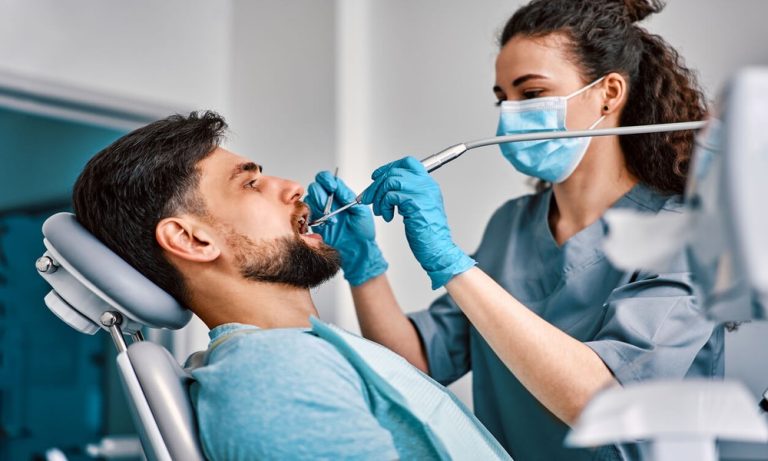
  • Regular dental checkup promotes preventive dentistry: We have always heard that prevention is better than cure and regular dental checkups promote preventive dentistry.  Preventive dentistry is a combination of daily care at your home, such as brushing and flossing and getting regular dental checkups. It ensures that the doctors check your dental issues in a timely manner and if there are any dental issues, they are able to detect them as soon as possible. 
  • It maintains good oral health: There is another important benefit of regular dental checkups and it promotes good oral health. If there is any infection, then the dental checkups ensure that they can detect the problem as soon as possible. Thus, it promotes good oral health. 
  • Preventive dental checkups help catch teeth issues early: There might be several dental issues that a person might face and it is possible to detect such issues at the early stage if there are regular dental checkups. We might not notice any symptoms of dental issues, but when we go for regular checkups, doctors will be able to detect the issue and they will help us to resolve the issue as soon as possible. 
  • Healthy teeth can lead to a healthy smile: When you go for a regular dental checkup, it will ensure that you have healthy teeth, which will ultimately promote a healthy smile for you. It will give you the confidence to smile more comprehensively and more often so that you can improve your personality. 

Sensitive teeth lead to severe pain while brushing, eating, or drinking anything. It creates a sharp, permanent, or temporary pain in the teeth. It is said that a sensitive tooth is a result of worn-out enamel and exposed tooth roots. Some other reasons for sensitive teeth, such as chipped teeth, cracked teeth, or gum disease, can lead to sensitive teeth. 

If you are one of those who are facing sensitivity in your teeth, then you should consult an expert doctor for your treatment in Burlingame. There are various doctors, such as family dental care Burlingame, where you can get detailed solutions to your problems.

What are the Treatment Methods for Sensitive Teeth? 

  • Desensitizing toothpaste: It is considered one of the standard methods through which you can ensure that there is no initial level of sensitivity. It works when the sensitivity is less or at its initial stages. It helps to block the pain associated with sensitive teeth. However, it is better to ask your doctor for treatment or over-the-counter toothpaste for sensitive teeth. 

  • Fluoride: Fluoride is an essential element in toothpaste or mouthwash that can help in reducing pain in the teeth. There are various sources of fluoride that you can use to cure the pain of sensitive teeth. It also helps strengthen the tooth enamel and reduces pain in your teeth. Doctors also suggest fluoride toothpaste to protect the teeth. 
  • Desensitizing or bonding: There are cases in which teeth are exposed, and the roots are visible, and in these cases, there is high sensitivity to the person. Therefore, there is a technique of desensitizing that treats the exposed roots by applying resins to the root surfaces. In this method, local anesthesia might be needed. 
  • Surgical gum graft: If there is a case of loss of gum tissues from your tooth root, then there is an addition of small gum tissue into the affected area. The healthy gum tissue is taken from other parts of the mouth and then attached to the affected site. This treatment provides safety to the exposed roots and reduces sensitivity. 
  • Root canal: It is a treatment method that involves cleaning the teeth from the core to reduce pain. There is the cleaning of the teeth’s softcore, i.e. the dental pulp. It is considered one of the most significant treatment methods for sensitive teeth. However, you should consult an experienced doctor before making any decision about the treatment methods for sensitive teeth.