
Key Takeaways
- Seniors should begin with low-intensity exercises before gradually increasing resistance and workout frequency.
- A structured fitness plan helps reduce injury risks and improve long-term consistency.
- Proper supervision and equipment selection are important when starting gym-based exercise later in life.
- Recovery, mobility work, and correct exercise form are equally important as strength development.
Introduction
Starting a gym routine later in life requires a different approach compared to younger adults. Age-related changes in muscle mass, balance, joint mobility, and recovery speed mean that exercise plans should prioritise safety and long-term sustainability. Many older adults now explore strength-training for seniors in Singapore as a way to improve mobility, maintain independence, and support daily physical function. However, rushing into intense workouts without proper preparation can increase the risk of strain or injury. A structured and realistic approach allows seniors to develop healthier exercise habits while gradually building strength and endurance.
Begin with a Medical and Fitness Assessment
Seniors should undergo a basic health assessment before starting any structured exercise programme. Existing conditions such as arthritis, osteoporosis, diabetes, cardiovascular disease, or previous injuries may affect exercise selection and intensity. A fitness assessment also helps identify limitations in balance, flexibility, and coordination. These findings allow trainers to create safer programmes suited to the individual’s physical condition rather than relying on generalised workout plans.
Many facilities offering a gym for the elderly conduct initial consultations to determine exercise readiness and mobility levels. These assessments often include posture checks, movement screening, and light endurance testing. The purpose is not to measure athletic performance but to establish a safe starting point for training progression.
Focus on Foundational Strength and Mobility
Seniors should avoid starting with heavy weights or advanced gym equipment. The initial phase of training should focus on basic movement patterns that support daily activities. Exercises such as seated leg presses, bodyweight squats, resistance band rows, and supported step-ups help improve lower-body stability and overall coordination. These exercises are generally easier to control and place less stress on the joints.
Mobility exercises should also be integrated into the routine. Tight joints and reduced flexibility can affect exercise form and increase the likelihood of falls or muscle strain. Gentle stretching, controlled mobility drills, and balance-focused exercises help prepare the body for resistance training. Mobility work in many strength-training programs for seniors is also treated as an essential part of the session rather than an optional warm-up.
Prioritise Consistency Over Intensity
One common mistake among beginners is attempting to train too aggressively within the first few weeks. Seniors benefit more from regular moderate exercise than occasional intense workouts. Starting with two or three gym sessions per week allows the body to adapt gradually to increased physical demand. Rest days between sessions help support muscle recovery and reduce excessive fatigue.
Workout duration should also remain manageable. Sessions lasting 45 to 60 minutes are generally sufficient for beginners. Long workouts may lead to overexertion, especially for individuals returning to exercise after years of inactivity. Trainers working in a gym for the elderly in Singapore often emphasise controlled pacing and sustainable progression instead of rapid performance improvement.
Learn Proper Exercise Technique
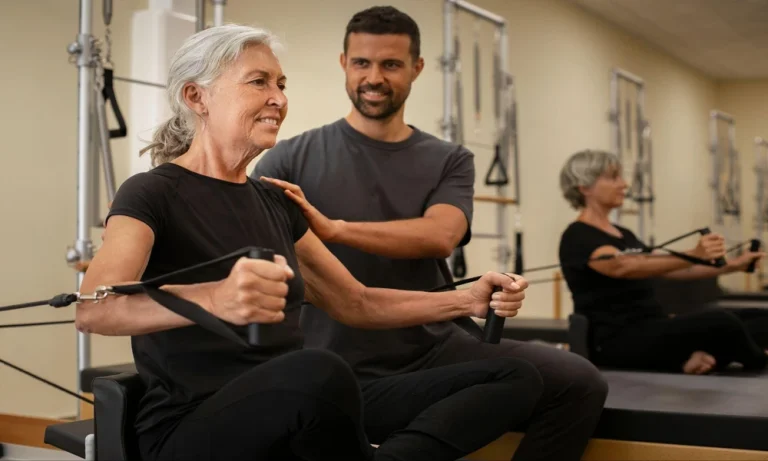
Correct exercise form becomes increasingly important with age. Improper lifting techniques can place unnecessary stress on the knees, lower back, shoulders, and wrists. Seniors should take time to learn proper posture, breathing control, and movement mechanics before increasing resistance levels. Supervised instruction during the early stages of training helps reduce the risk of poor habits developing over time.
Machines are often useful for beginners because they provide guided movement patterns and additional stability. However, trainers should still monitor posture and alignment closely. Even simple exercises can become unsafe when performed repeatedly with incorrect technique. Structured guidance remains an important part of safe strength-training for seniors.
Conclusion
A safe and sustainable gym routine for seniors should focus on gradual progression, proper supervision, and realistic expectations. Building strength later in life is less about athletic performance and more about improving mobility, balance, and independence. Remember, by starting cautiously, maintaining consistency, and prioritising correct technique, older adults can develop exercise habits that remain manageable over the long term.
Contact Vigeo Health & Fitness and discover a professionally guided programme designed for older adults.