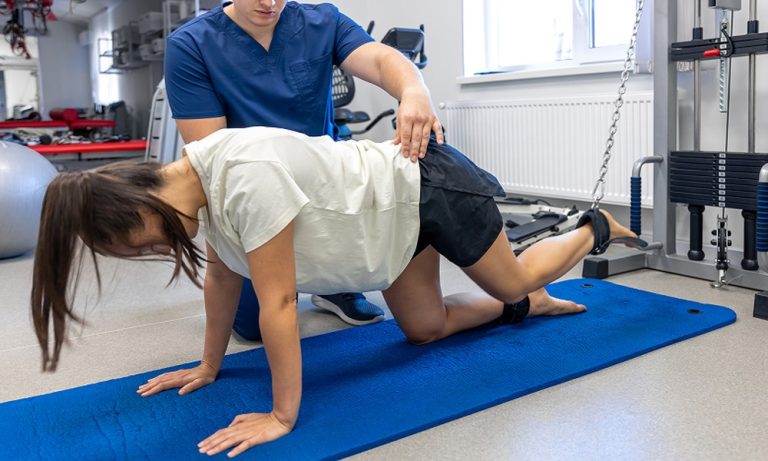
Key Highlights
- Chronic joint pain caused by osteoarthritis is one of the most frequent reasons patients seek the expertise of a specialist.
- Sports-related injuries, including ligament tears and tendonitis, require precise diagnostic tools and personalised treatment plans.
- Conservative measures and modern surgical techniques effectively manage foot deformities such as bunions.
- Specialist care often involves a multi-disciplinary approach, combining medication, physiotherapy, and minimally invasive surgery.
Introduction
Maintaining musculoskeletal health is essential for a high quality of life, yet many people endure persistent pain before seeking professional help. An orthopaedic specialist is a medical doctor who specialises in diagnosing, treating, and managing disorders of the bones, joints, ligaments, and tendons. These professionals handle everything from acute fractures sustained in accidents to chronic degenerative conditions that develop over several decades. Whether the goal is to return to a professional sporting career or to walk without discomfort, a specialist provides the necessary expertise to restore function. Navigating the healthcare system can be daunting, especially when patients begin to consider potential treatments. Understanding the breadth of conditions these doctors treat is the first step in finding the right solution for your specific needs.
1. Osteoarthritis and Joint Degeneration
Osteoarthritis is a leading cause of disability worldwide and a primary focus for any orthopaedic specialist. This condition occurs when the protective cartilage that cushions the ends of the bones wears down over time. While it can affect any joint, it is most commonly found in the knees, hips, and hands. Patients typically report stiffness in the morning and a dull, aching pain that worsens after physical activity. A specialist will use a combination of physical examinations and imaging, such as X-rays or MRIs, to determine the severity of the wear and tear.
Treatment strategies for joint degeneration have evolved significantly. In the early stages, specialists often recommend lifestyle modifications, such as weight management and targeted exercise, to reduce the load on the joints. Non-surgical interventions like viscosupplementation injections or specialised physiotherapy can also provide substantial relief. However, if conservative methods fail, a specialist may discuss joint replacement surgery. These procedures have high success rates and allow patients to regain previously lost mobility.
2. Sports-Related Ligament and Tendon Injuries
Active individuals often encounter injuries that go beyond simple strains. Tears of the anterior cruciate ligament (ACL) in the knee or rotator cuff tears in the shoulder are common occurrences in the world of sports medicine. An orthopaedic specialist is trained to assess these injuries and determine if the tissue can heal on its own or if surgical reconstruction is required.
Modern sports medicine focuses on pre-habilitation and minimally invasive surgical techniques. If surgery is necessary, specialists often use arthroscopy, which involves tiny incisions and specialised cameras to repair the damage. This approach results in less tissue disruption and a faster recovery time compared to traditional open surgery. Beyond the procedure itself, the specialist coordinates with physiotherapists to ensure the patient regains strength and proprioception. This integrated care is vital for athletes who want to return to their peak performance levels without risking a secondary injury.
3. Foot and Ankle Deformities
The human foot is a complex structure that bears the weight of the entire body, making it susceptible to various deformities. One of the most prevalent issues seen by specialists is the hallux valgus, commonly known as a bunion. While some may view it as a cosmetic issue, it can become incredibly painful and make finding comfortable footwear a challenge. Patients often begin their journey by investigating bunion surgery costs in Singapore to understand the financial commitment of a permanent fix.
A specialist will first attempt conservative treatments, such as custom orthotics, padding, or footwear changes, to manage the symptoms. If the deformity progresses and significantly impacts daily life, surgery may be the most viable option. Modern bunion correction involves realigning the bone and tendons to restore the foot’s natural shape. Because there are various surgical methods available, ranging from minimally invasive to more complex reconstructions, the specialist will tailor the approach to the patient’s specific anatomy and lifestyle.
4. Spinal Health and Back Pain
Back pain is one of the most frequent complaints in any medical practice, and an orthopaedic specialist plays a key role in identifying its source. While many cases are muscular, some stem from structural issues like herniated discs, spinal stenosis, or scoliosis. These conditions can cause not only localised back pain but also radiating pain, numbness, or weakness in the limbs. A specialist uses detailed neurological assessments to ensure that the spinal nerves are not being compressed, which could lead to long-term nerve damage.
The approach to spinal care is generally conservative at the outset. Many patients find relief through a combination of anti-inflammatory medications and targeted core-strengthening exercises. If surgery is required, modern techniques allow for smaller incisions and quicker recovery times than in previous decades. Specialists aim to decompress the nerves and stabilise the spine while preserving as much natural movement as possible. Maintaining a healthy spine is fundamental to overall mobility, and early intervention by a specialist can prevent a minor ache from becoming a chronic disability.
Conclusion
Whether you are dealing with an acute sports injury or a long-term degenerative condition, consulting an orthopaedic specialist is the most effective way to ensure a proper diagnosis and treatment plan. From managing the complexities of spinal health to explaining the details of bunion surgery costs in Singapore, these experts offer a pathway back to a pain-free life. By utilising a range of treatments from physiotherapy to advanced surgery, they help patients of all ages maintain their independence and continue the activities they enjoy. Taking the first step toward specialist care can make all the difference in your long-term musculoskeletal health.
If you are experiencing persistent joint pain or have concerns about a musculoskeletal condition, get in touch with Specialist Orthopaedic Centre today.