
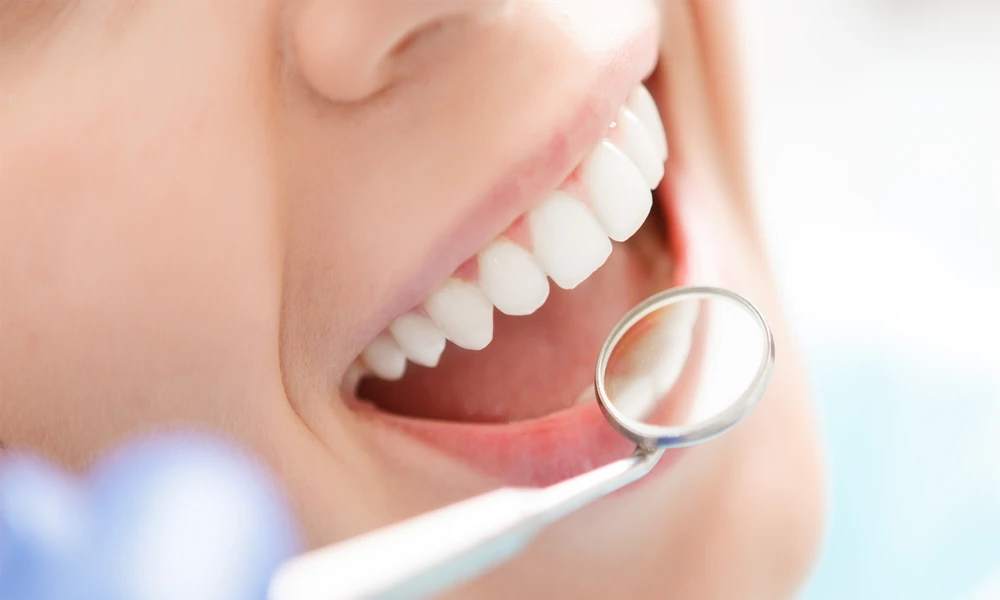
You go in for a routine cleaning, expecting the usual reminder to floss more, and then your dentist says your gums look inflamed. That can land hard, even when they also say it is early and treatable. Your mind may jump straight to tooth loss, expensive treatment, or the feeling that you somehow failed at basic care. Most people do that. Early gum inflammation sounds small, but it feels personal because it sits right at the line between a simple fix and a problem that can grow if ignored, and some people even start worrying about long-lasting tooth replacement in Wellesley, MA.
In most cases, this finding means gingivitis, the first stage of gum disease. Your gums may bleed when you brush, look a little puffy, or feel tender along the edge of your teeth. The good news is that early inflammation can often be reversed with better home care and a professional cleaning. The part that matters is timing. When you catch it early, you are usually dealing with irritation and bacteria at the gumline, not permanent damage to the bone that supports your teeth.
Early gum disease starts quietly and gets worse when plaque stays in place
Gums do not become inflamed for no reason. Plaque builds up around the teeth, especially where the toothbrush misses and floss does not reach often enough. That sticky film carries bacteria, and your body reacts. The redness and bleeding are not random. They are signs that your immune system is trying to deal with the irritation.
This is why a dentist may focus on your brushing angle, flossing habit, and cleaning schedule instead of rushing into major treatment. In the early stage, the problem is often still at the surface. According to the NIH overview of gum disease, gingivitis can improve when plaque is removed and daily oral care gets more consistent.
If it keeps going, the stakes change. The gum tissue can start to pull away from the teeth, deeper pockets can form, and infection can move into the structures that hold your teeth in place. That is when gingivitis can turn into periodontitis. You may not feel dramatic pain while this is happening, which is one reason people put it off. Bleeding gums seem easy to explain away. A little sensitivity does too.
A general dentist usually looks for causes, severity, and signs of progression
When a general dentist finds early gum inflammation, the next step is usually an exam that is more focused than a standard glance at your gums. They may measure the space between your teeth and gums, check for plaque and tartar buildup, ask whether your gums bleed at home, and review health factors that raise risk. Smoking, dry mouth, certain medications, and stress can all make gum problems harder to control.
Diabetes matters here too. High blood sugar can make it easier for infections to take hold and harder for your body to heal. The connection goes both ways, which is why the NIDDK page on gum disease and dental problems is worth reading if you have diabetes or prediabetes.
You might hear a recommendation for a professional cleaning, more frequent hygiene visits, or a deeper cleaning if tartar has collected below the gumline. Early inflammation does not always mean advanced treatment. It often means your dentist is trying to stop a small issue before it becomes a larger one.
Home care and professional treatment do different jobs
People often hope they can brush harder for a week and make the whole thing disappear. That usually misses the real issue. Once plaque hardens into tartar, you cannot remove it at home with a toothbrush or mouthwash. You can reduce fresh plaque every day, but the hardened buildup needs professional tools.
| Approach | What It Can Do | What It Cannot Do | Best Use |
|---|---|---|---|
| Improved brushing and flossing at home | Removes daily plaque, lowers bleeding, supports healing | Does not remove tartar stuck to teeth or under gums | Daily control and prevention |
| Antiseptic or fluoride rinse | Helps reduce bacteria, supports enamel protection | Does not replace mechanical cleaning | Extra support for a home routine |
| Professional dental cleaning | Removes plaque and tartar above and near the gumline | May not fully treat deeper pockets if disease has progressed | Early inflammation and routine maintenance |
| Deep cleaning for gum pockets | Removes buildup below the gumline, helps gums reattach | Does not work well if home care stays inconsistent | When inflammation has moved beyond simple gingivitis |
A strong home routine still matters because treatment does not end when you leave the office. The NIDCR oral hygiene guide covers the basics well, and basics are usually where healing starts. Brushing twice a day with fluoride toothpaste, cleaning between the teeth once a day, and keeping follow up visits all make a real difference.
Early gum disease treatment is often simpler than people expect
If your dentist says you have early gum inflammation, that does not mean you are headed for surgery or dentures. It usually means there is a window to reverse the problem. A cleaning removes what your toothbrush cannot. Better daily care lowers the bacterial load. Inflamed tissue often calms down within days or weeks once the source is under control.
The harder part is habit change. It is easy to brush the front teeth and rush through the back. It is easy to floss for a few days after an appointment and then fall off. That is where people get stuck, not because they do not care, but because life is full and oral care tends to slide until something hurts. What happens when a dentist finds early gum inflammation is often less about a dramatic procedure and more about a clear warning that your routine needs to become steadier.
Three steps you can take right away
1. Tighten your cleaning routine tonight. Brush for two full minutes, angle the bristles toward the gumline, and clean between every tooth. If floss is hard to manage, use picks or a water flosser if your dentist says it fits your needs. Consistency matters more than perfection.
2. Follow the treatment plan exactly. If your dentist recommends a cleaning, periodontal charting, or a recheck in a few weeks, keep it. Early inflammation is the stage where follow through pays off fastest. Waiting usually means more buildup, more bleeding, and more treatment later.
3. Look at the bigger health picture. If you smoke, this is a good time to cut back or stop. If you have diabetes, work on blood sugar control. If your mouth feels dry from medication, mention it. A gingivitis diagnosis is not only about brushing. It can point to other factors that need attention.
Early action protects your gums and keeps treatment manageable
Hearing that your gums are inflamed can feel like the start of something serious, but early findings give you a real chance to turn things around. Most cases improve when plaque and tartar are removed and your home care becomes more consistent. The goal is simple. Stop the irritation now so it does not become lasting damage later.
If your dentist has raised concerns about your gums, do not wait for pain to make the decision for you. Schedule the recommended follow up with a general dentist and start your home care reset today.

Comments are closed.