
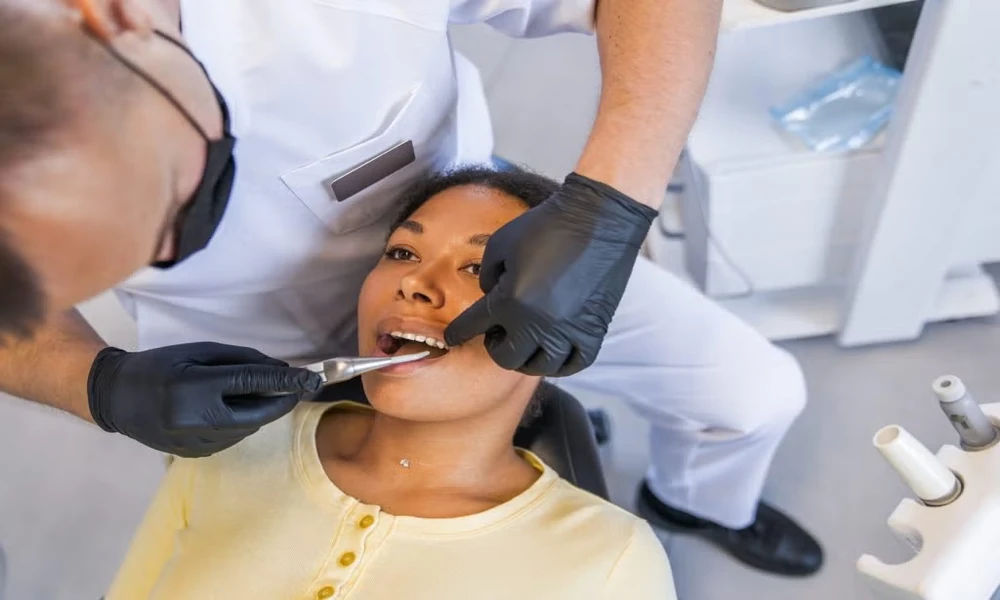
You may be dealing with two dental concerns at once, and a Lake Forest CA dentist can help with both. One is functional. A tooth hurts, a filling failed, your bite feels off, or routine care has been easy to postpone. The other is personal. You notice discoloration in photos, a chipped edge when you talk, or a smile that no longer feels like you. That mix can feel frustrating because you do not want to choose between a healthy mouth and a smile you feel good showing.
The good news is you usually do not have to choose. A family and cosmetic dentist can often treat health issues and improve appearance in the same plan, which saves time, reduces repeat work, and gives you a result that looks natural because it is built on a healthy foundation. That is the core of blending general dentistry with cosmetic enhancements. It is not vanity layered over neglect. It is smart care that respects how your teeth work and how your smile feels in daily life.
General and cosmetic dental care work better together
When dental care is split into separate goals, problems get missed. A patient might ask for whitening when the real issue is enamel wear, old restorations, or gum irritation. Another patient may replace a damaged tooth but ignore shape, color, and balance, then feel disappointed even though the repair technically worked. Health and appearance affect each other, and treatment tends to last longer when both are considered from the start.
That is one reason many people choose general dentistry with cosmetic enhancements instead of treating these as unrelated services. A cavity filled with the wrong material or shade can stand out every time you smile. A cracked tooth repaired without attention to bite alignment can chip again. According to the National Institute of Dental and Craniofacial Research, different dental filling materials have different strengths, uses, and appearance benefits, which matters when the goal is both repair and a natural look.
Blending treatment can reduce long term cost and repeat appointments
Many people delay cosmetic work because they assume it belongs in a separate, expensive category. In real life, combining care can be more efficient. If you already need a crown, bonding, or a replacement filling, planning the shape and color at the same time may prevent future revisions. If your dentist is treating gum disease or decay first, that also protects any cosmetic work you invest in later.
The financial stress is real. You may be thinking, what if I pay for something that looks good now but fails because the underlying issue was never fixed? That concern is valid. Cosmetic improvements last better when decay, bite pressure, and gum health are managed first. MedlinePlus explains that tooth decay treatment depends on how far the damage has progressed, which is another reason early, combined planning matters.
A family and cosmetic dentist can often map out treatment in phases. That helps you handle urgent needs first, then improve appearance in a way that fits your budget. Instead of scattered decisions, you get a sequence that makes sense.
A natural looking smile depends on function, not just color
White teeth alone do not create a believable result. If one tooth is shorter, worn down, turned inward, or repaired with a bulky filling, your smile can still feel uneven. Cosmetic enhancements work best when they respect bite, spacing, gum shape, and facial balance. General dental care provides that structure.
This matters in everyday moments more than people expect. You laugh at dinner and cover your mouth. You see one dark filling when you speak on video calls. You avoid smiling fully in family photos because one front tooth catches the light differently. Those are small moments, but they add up. A dentist who treats both health and appearance can correct the issue with a plan that supports chewing, comfort, and symmetry at once.
That is why many patients prefer cosmetic and general dental care in one place. The result tends to feel less artificial because it is based on how your mouth actually functions.
Consistent care makes prevention easier for the whole family
When one practice handles routine exams, fillings, restorations, and smile improvements, follow through gets easier. You are more likely to keep up with cleanings when you already trust the office with larger goals. You are also more likely to mention the small things, sensitivity, grinding, staining, old dental work, before they become bigger and more expensive.
For families, this can simplify a lot. One person may need preventive care, another may need repair, and someone else may want cosmetic bonding or whitening. A provider offering general dental care and aesthetic options can track patterns over time and recommend care that fits age, habits, and priorities. That continuity often leads to better decisions because treatment is not being made in isolation.
Common differences between separate care and blended dental treatment
| Approach | Main Focus | Common Risk | Likely Benefit |
|---|---|---|---|
| General dentistry only | Decay, gum health, pain, repair | Appearance concerns may stay unresolved | Protects oral health and stops active damage |
| Cosmetic treatment only | Color, shape, alignment, visible flaws | Hidden decay, bite issues, or gum problems can shorten results | Improves confidence and smile appearance |
| Blended treatment plan | Health, function, and appearance together | Requires thoughtful planning and sequencing | More natural results, fewer revisions, better long term value |
Clear steps help you move forward without guessing
1. Start with a full exam and an honest priority list. Tell your dentist what bothers you physically and what bothers you visually. Pain, sensitivity, discoloration, worn edges, and old fillings all belong in the same conversation.
2. Ask which treatments should come first. Decay, cracks, gum inflammation, and bite problems usually need attention before whitening, veneers, or other visible enhancements. The order affects comfort, cost, and how long the final result lasts.
3. Request a phased plan. If you are balancing time or budget, ask for care in stages. Urgent treatment can come first, then restorative work, then cosmetic refinements. A written plan makes the process feel more manageable.
A healthier smile and a better looking smile can be the same goal
You do not need to separate what feels practical from what feels personal. Wanting teeth that work well and look better is reasonable. In many cases, it is the best path. When general dentistry and cosmetic enhancements are planned together, you protect your oral health and get results that feel more natural, more durable, and more worth the effort. If you are ready to improve both function and appearance, schedule a visit with a family and cosmetic dentist and ask for a treatment plan that addresses the whole picture.

Comments are closed.