
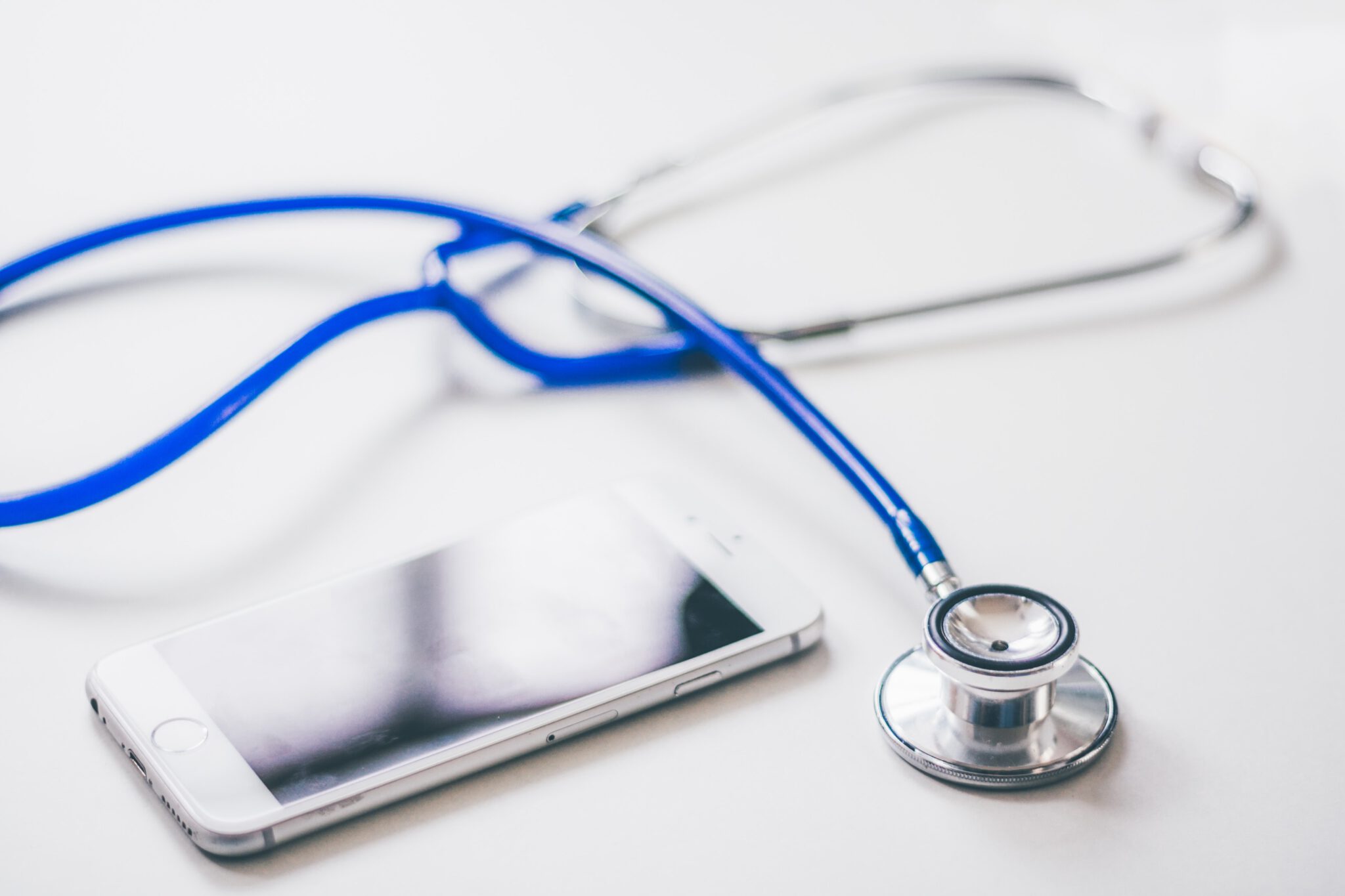
In recent years, telemedicine has emerged as a revolutionary approach to healthcare, leveraging technology to provide remote medical services. Telemedicine platforms have gained widespread popularity due to their numerous benefits and ability to overcome traditional barriers to healthcare access.
Enhanced Accessibility and Convenience
One of the primary benefits of telemedicine platforms is the enhanced accessibility and convenience they offer. With telemedicine, patients and healthcare professionals can connect remotely, eliminating the need for travel and reducing wait times. This is particularly beneficial for individuals residing in rural or remote areas, those with limited mobility, or individuals with busy schedules. Telemedicine platforms bring healthcare directly to the patient’s fingertips, ensuring that quality care is accessible.
Improved Patient-Provider Communication
Telemedicine platforms enable seamless communication between patients and healthcare providers. Patients can easily communicate with their healthcare team through secure video calls, phone consultations, and messaging features. This real-time interaction allows for effective symptom management, medication adjustments, and timely advice.
Patients can discuss their concerns, ask questions, and receive personalized care without leaving their homes. Improved communication leads to better patient engagement and overall healthcare outcomes.
Time and Cost Savings
Telemedicine platforms offer significant time and cost savings for both patients and healthcare providers. It saves patients valuable time by eliminating the need for travel and reducing wait times. Telemedicine also reduces transportation costs, parking fees, and potential time off from work, making healthcare more affordable and accessible.
Additionally, telemedicine platforms often have lower consultation fees compared to traditional in-person visits. The cost and time savings associated with telemedicine make it an attractive option for routine check-ups, follow-up appointments, and non-emergency medical concerns.
Continuity of Care and Follow-up Services
Telemedicine platforms support continuity of care by enabling seamless follow-up and monitoring. Patients can easily schedule virtual appointments for routine check-ups, medication management, and post-treatment follow-ups. Telemedicine ensures that patients receive ongoing care and enables healthcare providers to monitor patient progress and adjust treatment plans accordingly. This continuity of care leads to better health management, improved outcomes, and reduced hospital readmissions.
Increased Healthcare Efficiency
Telemedicine platforms enhance healthcare efficiency by streamlining administrative processes and reducing paperwork. Patient medical records can be securely stored in electronic health records (EHR) systems, enabling easy access and sharing of information among healthcare providers.
Moreover, telemedicine enables healthcare professionals to serve a larger patient population, as they can consult with patients remotely without needing physical office space. This increased efficiency results in shorter wait times, improved patient flow, and better utilization of healthcare resources.
Conclusion
Telemedicine is becoming an integral part of the healthcare landscape. Patients can benefit from the convenience of accessing quality care from their own homes. At the same time, healthcare providers can deliver personalized and timely services to a broader patient population. Telemedicine platforms like SeriousMD are transforming healthcare, breaking down barriers, and creating a more patient-centered approach to medicine. Check out their website at www.seriousmd.com to learn more about their services.

Comments are closed.