
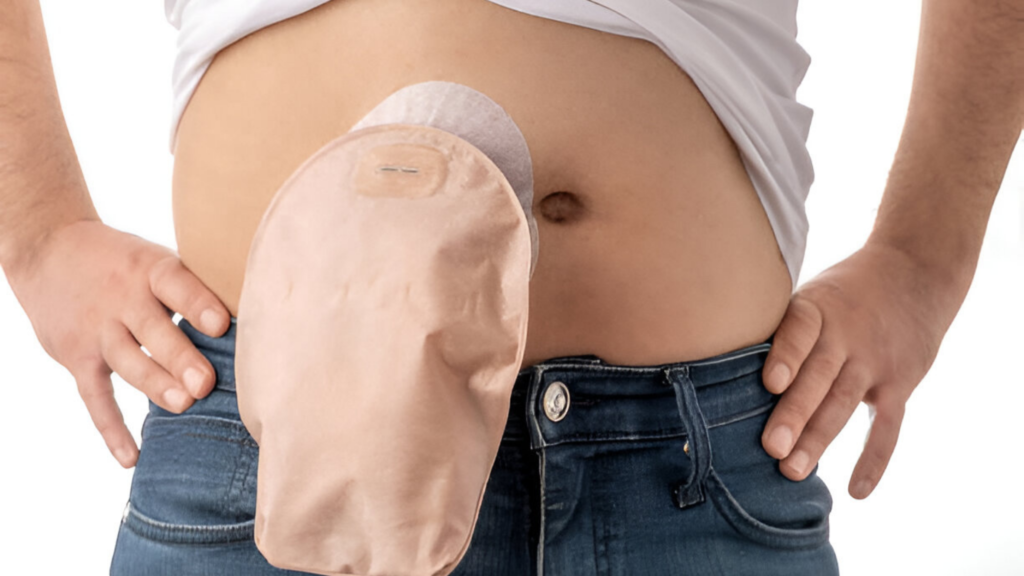
Stoma care is a lot to deal with after surgery. There’s a lot to take in at once, nurses are brilliant but busy, and by the time you’re home and trying to manage independently, you’re often second-guessing every decision you make. One of the earliest and most persistent questions people ask is a deceptively simple one: which type of bag is actually right for me?
The distinction between one-piece and two-piece systems trips people up constantly. It sounds like it should be obvious, but the terminology alone is confusing when you’re still getting used to the whole situation. And the type of stoma you have, where it sits, and how active your lifestyle is all feed into that choice in ways that aren’t always explained clearly at discharge.
What Makes the One-Piece System Different
A one piece closed stoma bag combines the adhesive baseplate and the bag itself into a single unit. You apply it, use it, and then remove the whole thing when it needs changing. There’s no separate flange to worry about, no clicking components together, no second piece to store or carry around. For a lot of people, especially those who are newer to managing a stoma, that simplicity is genuinely appealing.
Closed bags are typically used by people with a colostomy, where output is more formed and predictable. Unlike drainable bags, which you empty and reuse over a day or longer, closed bags are changed once they’re full. That might sound like more waste or more effort, but plenty of ostomates find the change-and-go approach cleaner and more straightforward in practice. You’re not opening a bag over a toilet and dealing with a filter or clip every few hours.
The one-piece design also tends to sit flatter against the body. That matters especially if you wear fitted clothing, exercise regularly, or just find anything bulky under your clothes uncomfortable. This is about comfort, not vanity. Feeling like yourself again after stoma surgery takes time, and every small thing that helps with confidence counts.
It’s Not One Size Fits All
What works brilliantly for one person can be completely wrong for another, and that’s frustrating but true. Body shape, the location and type of stoma, skin sensitivity, and daily routine all affect which appliance is going to suit you best. Someone with a very active job who’s on their feet all day might find the one-piece system moves with them more naturally. Someone with dexterity issues might actually find a two-piece easier to handle, because they can attach the bag separately without repositioning the baseplate each time.
Skin health is another factor that doesn’t get enough airtime. The adhesive on a one-piece sits directly on peristomal skin, and if you’re changing frequently, you need to be thinking about whether that’s going to cause irritation over time. Using the right products to clean and prepare the skin matters, as does choosing a bag with an adhesive designed for your skin type. Stoma nurses are worth their weight in gold here. If yours has told you something specific, trust that over anything you read online, including this.
Ordering and Getting Set Up Properly
One thing people don’t always realise is that you don’t have to stick with whatever you were discharged home with. Prescriptions can be changed, and you’re absolutely allowed to try different products until you find what works. Salts Medilink offers a home delivery service for stoma appliances, which takes a lot of the logistical headache out of the process, particularly if getting to a pharmacy regularly isn’t straightforward for you.
Trying a sample before committing to a full prescription order is sensible if you’re considering switching. The fit, the adhesive, how the bag sits under clothing; you want to live with it for a few days before deciding it’s the right one. Your stoma nurse can usually arrange samples, and some manufacturers provide them directly.
Managing a stoma long-term is genuinely something most people adjust to better than they expect. The early weeks are hard, but they’re not representative of what life looks like six months down the line. Getting the right appliance sorted early is part of making that adjustment feel less like an uphill struggle and more like just another thing you’ve figured out.

Comments are closed.