
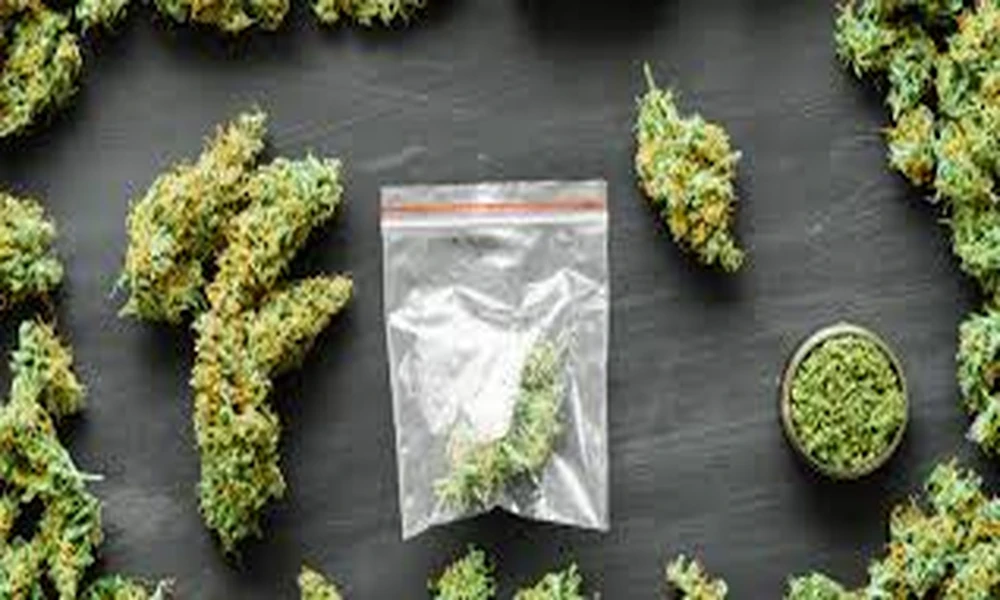
Third-party lab documentation is the only thing that actually separates a credible THCA brand from one that has spent more on packaging. A hemp based cannabis dispensary online carrying THCA products should publish Certificates of Analysis for every batch it sells, not a curated selection from last quarter.
Most buyers look at cannabinoid percentages and stop there. That is a mistake. A report worth trusting covers residual solvents, heavy metals, microbial contamination, and moisture levels in the same document. If any of those panels are missing, the report is incomplete regardless of how the potency numbers read.
The testing facility matters too. ISO 17025 accredited labs operate under standardised analytical procedures that make results reproducible. A brand that routes its products through accredited labs consistently is doing something structurally different from one that picks a lab only when launching a new product line. Batch traceability is the last piece. Every COA needs a batch number that maps directly to a product unit on the shelf. Without that linkage, the report is decorative.
How are rankings built?
Ranking by transparency means measuring against defined criteria, not brand reputation. Four indicators tend to separate the credible from the performative:
- Testing frequency across the full product range, not just bestsellers.
- COA access without account creation or purchase requirements.
- Laboratory name, address, and analyst signature are present on every report.
- Batch-specific documentation tied directly to individual units sold.
Brands that clear all four consistently are operating transparently by design. Those hitting two out of four are managing appearances.
What does a COA must include?
Potency data is what most people read first, but it tells a limited story on its own. A report that meets a reasonable professional standard goes further.
Terpene profiles should appear alongside cannabinoid data. When a brand makes strain-specific claims, the terpene panel is what substantiates them. Pesticide residue results need to reference actual regulatory action limits, not just a pass stamp with no context. Delta-9 THC compliance figures should be present and clearly tied to the batch in question.
Testing dates matter more than most buyers realise. A COA from fourteen months ago on a product currently in active distribution is not current documentation. High-ranking brands treat report freshness as part of the standard, not an optional detail.
Credibility beyond marketing
Spend enough time comparing THCA brands, and a pattern becomes clear. The ones with genuine accountability tend to update their lab reports when formulations change. The ones managing perception tend to leave old reports in place and rely on buyers not checking dates. Retesting after any processing or ingredient adjustment is not a complicated requirement. It is a basic operational standard. Brands that apply it consistently without being asked are demonstrating something that no marketing budget can replicate.
COA accessibility is the final practical test. If finding a lab report requires navigating three pages, submitting an email address, or contacting support, the brand has built friction into the verification process deliberately or carelessly. Either way, the result is the same. Transparent brands put documentation on the product page, visible before purchase, without conditions.

Comments are closed.