Author

David Curry

Browsing

Looking to nurture your mental well-being? A psilocybin retreat may offer the breakthrough you’ve been searching for.  Emerging research suggests that psilocybin can positively influence conditions such as depression, anxiety, and other mental health challenges. If you’re curious about the potential of these retreats, read on to explore their many benefits.

Overview

Psilocybin retreats are gaining recognition as an intentional and structured way to experience the healing effects of this naturally occurring psychedelic compound. Found in certain mushrooms, psilocybin has been used throughout history for spiritual, cultural, and religious practices. In recent years, scientific studies have highlighted its therapeutic value in mental health care.

Research indicates that psilocybin may reduce symptoms of depression, anxiety, post-traumatic stress disorder, obsessive-compulsive disorder, and even addiction. Beyond alleviating these conditions, participants often describe profound psychological benefits such as a deep sense of peace, greater self-awareness, and improved clarity in understanding personal challenges and life situations.

What To Expect

A psilocybin retreat typically takes place in a secure, supportive setting where participants are carefully guided by trained facilitators. Guests receive measured doses of the compound and are provided with preparation beforehand, as well as integration support after the sessions. Retreats usually span several days, giving participants time to fully prepare, immerse themselves in the experience, and reflect afterward.

During these retreats, participants may be invited to explore creative practices such as painting, journaling, or music. These activities can act as powerful tools for processing emotions and accessing deeper levels of self-expression while under psilocybin’s influence. In addition, practices such as meditation are often incorporated, which can further enrich the experience and help individuals ground the insights gained.

Benefits

The potential benefits of a psilocybin retreat are wide-ranging and deeply personal. Many report significant improvements in mental health conditions, with reductions in anxiety and depressive symptoms. Others describe experiencing heightened creativity, deeper self-knowledge, or stronger connections with nature and the people around them.

For some, the retreat becomes a turning point—providing the ability to face difficult emotions with less fear, reconnect with neglected parts of themselves, or even undergo a profound spiritual awakening that reshapes how they see life and relationships. The long-term impact often extends beyond the retreat itself, with participants carrying new perspectives and tools into their daily lives.

How Does Psilocybin Help With Depression?

Traditional medications for mental health are often understood to work by altering the brain’s chemical balance. While psilocybin has a similar neurochemical influence, studies show that the experience itself plays a vital role in its effectiveness.

Central to this process is what many describe as a “mystical experience,” often characterized by ego-dissolution or a temporary loss of one’s sense of self. This state can lead to profound shifts in perspective, making it especially potent as a therapeutic tool for those struggling with depression. By stepping outside the usual boundaries of identity, individuals may gain the freedom to approach their emotions and challenges in entirely new ways.

Conclusion

Psilocybin retreats offer a unique opportunity to safely explore the healing potential of psychedelics in a structured and supportive environment. With guidance from experienced facilitators, participants can gain valuable insights into themselves, experience relief from symptoms of depression and anxiety, and even access deeper levels of creativity and spiritual awareness.

For anyone seeking to reconnect with themselves and discover new perspectives on life, a psilocybin retreat can be a profound and transformative journey.

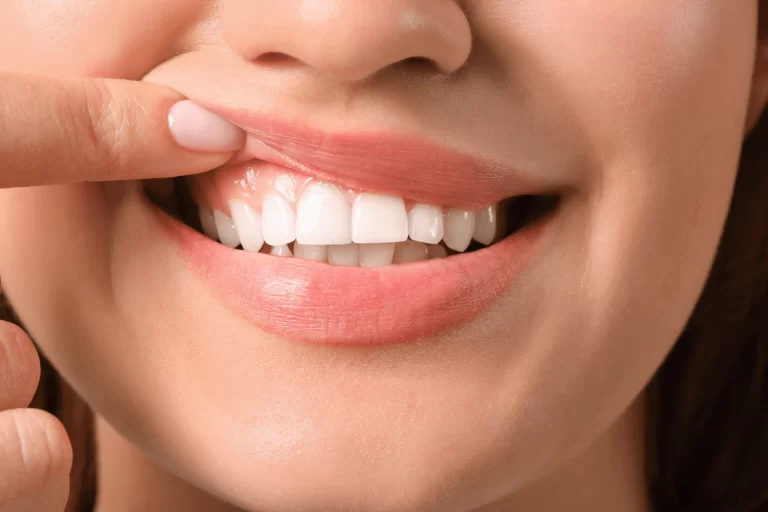
Gum disease is the most prevalent dental problem affecting people of all age groups globally. This is a leading cause of tooth loss when left untreated. It results in an array of uncomfortable symptoms like bleeding, red, inflamed gums, gum recession, bone loss, and tooth mobility. 

The Blue Sky Dental specialists offer periodontal services for gum disease to improve your oral health.

A comprehensive guide to gum disease

Gum disease, also known as periodontal disease, is a common condition affecting the soft tissues surrounding your teeth, namely the gums and the jawbones. It is characterized by an infection or inflammation of the gums, leading to a series of clinical signs and symptoms. Gum disease is reversible in the early stage, but when left untreated, the infection can invade the underlying alveolar bone, leading to periodontitis. This is the most common cause of tooth loss. 

Potential causes of periodontal disease

Poor oral hygiene leads to excess bacterial accumulation, resulting in increased plaque formation. These microorganisms combine with the food debris to release harmful toxins that damage the soft tissues. Secondly, an alteration in your immune system also causes failure to fight against infections. 

Gum disease is likely to develop due to the following risk factors:

  • A family history 
  • Poor oral hygiene
  • Diabetes and hypertension
  • Sudden hormonal changes as seen during puberty, pregnancy or menopause
  • Tobacco use 
  • Smoking
  • Stress
  • Obesity (being overweight)
  • Certain autoimmune diseases like lupus
  • Heart or respiratory disease
  • Immunosuppressant drugs 

Symptoms of periodontal disease

The most striking feature of periodontal disease is bleeding gums while brushing or flossing. 

Other clinical symptoms include:

  • Reddish purple gums
  • Swollen and tender gums
  • Halitosis (bad breath)
  • Unpleasant taste
  • Receding gums
  • Loose teeth
  • Malalignment that can lead to more plaque accumulation

How is periodontal disease treated?

The ideal treatment recommended depends on the severity of the periodontal disease. 

Treatment options include:

  • Scaling and root planing
  • Professional dental cleaning once every 6 months can prevent plaque formation.
  • It also helps to detect early signs of gum disease and halt the disease progression.
  • Tissue regeneration
  • This treatment encourages the growth of gum tissues through grafting.
  • A biocompatible layer or membrane is inserted into the affected area to promote regeneration of the tissues.
  • Pocket elimination surgery
  • This is a flap surgery that reduces the size of the gingival pocket between the gums and the teeth.
  • Dental implants 
  • Loss of teeth due to periodontal disease can be effectively replaced using dental implants.
  • These act as an anchorage for crown placement. 

Remember, proper oral hygiene practice is the key to keeping gum disease at bay and also to maintain the results of any periodontal treatment for years to come.

Many people in Akron, OH may experience discomfort and self-consciousness as a result of chipped teeth. Thankfully, dental bonding provides a quick and easy way to repair chipped teeth while maintaining their functional integrity. This post will discuss dental bonding, its advantages, and the reasons it’s a common solution used by Dentist in Akron, OH for chipped teeth in Akron.

Dental bonding: What is it?
Dental bonding is a cosmetic dentistry technique used to fix chipped, broken, discolored, or misaligned teeth. It is sometimes referred to as composite bonding or tooth bonding. To create a restoration that looks natural, a tooth-colored composite resin material is applied to the damaged tooth, and it is then shaped and bonded. Dental bonding can typically be completed in a single office visit and is a minimally invasive and cost-effective solution for improving the appearance of chipped teeth.

The Dental Bonding Process:

  1. Evaluation: A comprehensive dental examination is the initial stage of the dental bonding procedure. Depending on the severity of the chipped tooth, your dentist will decide if dental bonding is the best course of action for you.
    2. Color matching: To achieve a smooth integration and pleasing appearance, the dentist will choose a composite resin shade that closely resembles the color of your natural teeth.
    3. Preparation: To guarantee that the bonding material adheres properly, the tooth surface may only need to be minimally prepared. This usually entails applying a conditioning solution and roughening the surface.
  2. Bonding: The composite resin material is applied to the chipped area of the tooth and carefully shaped and molded to achieve the desired shape and contour.
  3. Curing: A special light or laser is used to harden the bonding material and bond it securely to the tooth surface.

Benefits of Dental Bonding:

  1. Aesthetic improvement: Dental bonding can effectively conceal chips, cracks, and other imperfections, restoring the appearance of the tooth and enhancing your smile’s aesthetics.
  2. Minimally invasive: Unlike some other dental procedures, such as crowns or veneers, dental bonding typically requires minimal removal of tooth structure, preserving more of the natural tooth.
  3. Quick and convenient: Dental bonding can usually be completed in a single office visit, making it a convenient option for individuals with busy schedules.
  4. Cost-effective: Dental bonding is frequently more cost-effective than other cosmetic dental procedures like veneers or crowns, which makes it available to a larger patient population.

    Dental bonding is a well-liked and practical way to fix chipped teeth and make your smile look better overall. Dentists in Akron, Ohio provide this affordable, minimally invasive treatment option to patients so they may feel confident again with their smiles. Consider making an appointment with your dentist if you have a chipped tooth or other dental flaws so that you can discuss the advantages of dental bonding and determine if it is the best course of action for you.

TMJ dysfunction (TMD) causes discomfort and soreness in your jaw joints and the muscles and ligaments surrounding them. Teeth grinding, arthritis, jaw injuries, and general wear and tear are all potential causes. TMJ treatment differs by individual and may involve physical therapy, medication, bespoke mouthguards, and jaw surgery. Consult an orthodontist in Fullerton, CA, for more. 

What exactly is TMJ dysfunction?

TMJ dysfunctions are disorders that affect your jaw joints and the muscles and ligaments surrounding them. These diseases can result in various problems, such as jaw discomfort, headaches, and trouble opening and shutting your mouth.

These problems are sometimes referred to as TMJ. However, “TMJ” refers to your jaw joint, and “TMD” refers to temporomandibular joint disorder. The temporomandibular joint disorder is another term for this condition.

TMJs (temporomandibular joints) are located right in front of your ears on either side of your face. TMJs link the lower jawbone to the skull and aid in actions such as chewing and speaking.

TMJ dysfunction affects between 5% and 12% of the adult population. Women and persons assigned female at birth (AFAB) are twice as likely as males and those designated male at birth (AMAB) to have the disorder. TMD is most common in people between the ages of 20 and 40.

Causes of TMD 

Like any other joint, the TMJ can suffer from orthopedic issues such as inflammation, aching muscles, strained tendons and ligaments, and disk difficulties. TMD is also known to be impacted by heredity, gender (women tend to be more susceptible), and age. Physical and psychological stress can both play a role. Jaw discomfort may be associated with a more broad, painful medical illness such as fibromyalgia in some circumstances.

Symptoms and signs 

  • Clicking sounds 

When opening or shutting the mouth, some persons with TMD hear a clicking, cracking, or grating sound emanating from the TMJ. The disk inside the joint moving generally causes this. Someone standing nearby might be able to hear it. According to research, one-third of all people have clicking jaw joints. Therefore, clicking by itself is not a major symptom. TMD might be indicated if the clicking is accompanied by discomfort or reduced jaw function, such as the jaw becoming “stuck” in an open or closed posture.

  • Muscle pain 

This may be felt in the temples (temporalis muscles) and the cheeks (masseter muscles), home to the two major pairs of jaw-closing muscles. If you wake up with discomfort and stiffness, it is likely due to nighttime behaviors like clenching and/or grinding your teeth. If you have this nocturnal habit, your dentist can make you a nightguard that will be very useful in reducing the force applied to your teeth, allowing your muscles to rest and relieving strain on your jaw joints. 

Kratom has become increasingly popular in recent years due to its stimulating and pain-relieving effects. As more people discover the benefits of this botanical supplement, questions arise about how to store kratom to preserve its potency and freshness. Proper storage is crucial for maintaining the integrity and quality of kratom over time.

Light exposure

Exposing kratom to light, especially direct sunlight or UV rays, damage the chemical composition and reduce potency over time. Kratom contains several light-sensitive compounds like mitragynine, paynantheine, and speciogynine that provide its unique effects. When exposed to light, these compounds degrade, oxidize, and react, causing the kratom to lose potency. It’s recommended to store kratom in an opaque, dark container out of direct light to prevent photodegradation. Avoid clear, translucent, or transparent packaging. For long-term storage, keep kratom in an area without windows or exposure to light, such as a cupboard or pantry. Tinted glass jars or bags are useful for storing small batches to limit light exposure. Taking simple light precautions retains kratom’s freshness and active compounds.

Heat exposure 

Heat also degrades kratom’s chemical profile and reduces potency fairly quickly. High temperatures cause the moisture content in kratom to evaporate, making the powder dry out faster. The alkaloids and other phytochemicals also break down more rapidly when exposed to heat. Ideal storage temperatures are between 55-70°F to prevent kratom from losing potency from heat damage. Avoid keeping kratom near stoves, ovens, furnaces, heaters, or any appliances generating heat. Do not leave kratom powders or capsules in hot vehicles or direct sunlight for extended periods. Consider storing in an air-conditioned environment during the summer months. Monitoring ambient conditions and limiting heat exposure will help retain freshness and maximize shelf life.

Humidity levels

Ensuring proper humidity levels is also essential for storage. Kratom needs some moisture content to stay fresh, but too much encourages the growth of mold, bacteria, and fungi leading to spoilage. The optimal relative humidity for kratom is 55-65%. Lower humidity causes excess drying, while higher humidity promotes decomposition. Use storage containers that seal tightly to retain moisture while preventing the buildup of condensation. Silica gel packets help regulate humidity when storing kratom long-term. Avoid fluctuations in moisture levels by keeping buy kratom away from steam, damp basements, or humid outdoor sheds. Stable humidity keeps kratom fresh by preventing excess drying or bacterial overgrowth.

Oxygen exposure

Oxygen presence accelerates the oxidation process in kratom, causing it to degrade faster. Oxidation causes the natural color of kratom powders to darken and takes away from the flavor. Vacuum-sealing packages remove oxygen and help prevent oxidative damage during storage. Filling containers to the top also limits oxygen presence. Adding an oxygen absorber pack to storage containers helps prolong freshness by binding to oxygen molecules. Take caution when using zip lock bags or plastic containers, as they are more permeable to oxygen. Glass jars or opaque bags specifically designed for botanicals are better at restricting oxygen transmission. Removing oxygen exposure keeps kratom fresher for longer by reducing oxidative reactions.

In the modern workspace, where countless hours are spent in front of screens, pain management doctor near me has emerged as a prevalent concern among office workers. The significance of desk ergonomics in mitigating this discomfort cannot be overstated. This blog post delves into the critical aspects of desk ergonomics and outlines effective strategies to prevent upper back pain, ensuring a more productive and pain-free work environment.

Understanding the Ergonomic Risks

Upper back pain in office workers is often a cumulative result of poor posture, inadequate workstation setup, and prolonged periods of sitting. The spine and surrounding muscles endure considerable stress when the body is misaligned or in a static position for extended durations, and this can lead to muscle strain, tension, and long-term musculoskeletal issues.

Optimising Your Workstation

  • Chair Adjustments: An ergonomic chair is pivotal. It should support the natural curve of your spine, with adjustments for height, backrest angle, and armrests. Ensure your feet are flat on the floor and your thighs parallel to the ground, creating a 90-degree angle at your knees.
  • Desk Height and Layout: The desk should be at a height where your arms can rest comfortably, forming a 90-degree angle at the elbows. Keep frequently used items within arm’s reach to avoid unnecessary stretching or straining.
  • Monitor Placement: The top of your computer screen should be at or slightly below eye level. This positioning prevents you from tilting your head up or down, which can strain your upper back and neck.
  • Keyboard and Mouse Positioning: Place your keyboard and mouse close enough so you can use them while maintaining a relaxed, neutral wrist position. This helps in reducing the strain on your upper back and shoulders.

The Role of Movement

Regular movement is crucial. Standing desks or ergonomic sit-stand workstations are excellent options, allowing you to alternate between sitting and standing throughout the day.

Incorporating Breaks and Exercises

Short, frequent breaks are essential – use this time to stretch or take a brief walk. Incorporating specifically targeted exercises for upper back pain can be immensely beneficial.

Final Thoughts

Adopting these ergonomic principles can significantly reduce the risk of upper back pain among office workers. Remember, the key lies in maintaining proper posture, optimising your workstation setup, staying active, and incorporating targeted exercises. By doing so, not only do you safeguard your health, but you also enhance your overall productivity and wellbeing in the workplace. Embrace these changes today and experience a more comfortable, efficient, and pain-free work life.

The skill level of a reiki master in NYC can vary based on various factors, influencing their effectiveness and approach to healing:

Pros of Varied Skill Levels:

  1. Diverse Techniques: Practitioners with different skill levels offer diverse approaches and techniques, providing clients with a range of healing options.
  2. Availability: Practitioners at different skill levels might offer varying availability, accommodating clients with different schedules or needs.
  3. Cost Variations: Skill levels might reflect different price ranges, offering clients options based on their budget.

Cons of Varied Skill Levels:

  1. Effectiveness: Lower-skilled practitioners might have limited effectiveness in addressing complex issues compared to highly skilled ones.
  2. Limited Knowledge: Novice practitioners may have limited knowledge of advanced techniques or applications, potentially impacting treatment outcomes.
  3. Lack of Experience: Inexperienced practitioners might have less experience in dealing with diverse client needs or challenging cases.

Factors Affecting Skill Levels:

  1. Training and Experience: Advanced training, continuous education, and years of practice often enhance a practitioner’s skill.
  2. Mentorship and Guidance: Mentoring by experienced practitioners or Reiki masters can significantly impact a practitioner’s skill development.
  3. Intuition and Sensitivity: Some practitioners naturally possess a heightened intuition or sensitivity to energy, affecting their skill level.
  4. Commitment to Practice: Practitioners who regularly practice self-healing and dedicate time to enhancing their skills tend to improve.

Client Considerations:

  1. Client Preference: Clients might have varying preferences, seeking practitioners at different skill levels based on personal comfort or belief.
  2. Issue Complexity: For complex health issues, clients might prefer highly skilled practitioners with extensive experience.

Finding the Right Practitioner:

  1. Research and Referrals: Seeking recommendations or researching practitioner backgrounds can help find a suitable match.
  2. Trial Sessions: Trying sessions with practitioners of varying skill levels allows clients to determine compatibility and effectiveness.
  3. Communication: Open communication with the practitioner about expectations and concerns ensures a better healing experience.

While skill level is a factor, a practitioner’s effectiveness also relies on their dedication, compassion, and ability to create a safe and supportive healing environment. Clients may benefit from choosing a practitioner whose skill level aligns with their specific needs and preferences.

How Is One Mentored by Experienced Practitioners or Reiki Masters?

Mentorship in Reiki involves an experienced practitioner or Reiki master guiding and supporting the development of another practitioner’s skills and understanding of Reiki principles. Here’s how mentorship typically works in Reiki:

Finding a Mentor:

  • Seeking Guidance: Practitioners interested in mentorship look for experienced Reiki practitioners or masters willing to mentor.
  • Recommendations: Referrals or recommendations from fellow practitioners may lead to finding a suitable mentor.
  • Community or Workshops: Participation in Reiki communities, workshops, or events might facilitate connections with potential mentors.

Mentorship Dynamics:

  • Personal Relationship: Mentorship often involves a close, personal relationship between the mentor and mentee.
  • One-on-One Guidance: Mentors provide individualized guidance, sharing knowledge, techniques, and experiences with the mentee.
  • Observation and Practice: Mentees observe their mentor’s sessions and receive hands-on guidance during their own practice sessions.

Mentor’s Role:

  • Sharing Experience: Mentors share their experiences, insights, and challenges encountered during their Reiki practice.
  • Teaching Techniques: They teach various Reiki techniques, symbols, applications, and their practical implications.
  • Emphasizing Ethics: Mentors stress the importance of ethical practice, respecting boundaries, and maintaining professionalism.

Mentorship Benefits:

  • Accelerated Learning: Mentorship accelerates learning by providing direct access to a mentor’s knowledge and experience.
  • Personal Growth: Mentees benefit not only from technical skills but also from the mentor’s guidance on personal and spiritual growth.
  • Confidence Building: Support and feedback from a mentor help build confidence in the mentee’s Reiki practice.

Responsibilities of the Mentee:

  • Openness and Eagerness: Being open to learning and actively seeking guidance and feedback from the mentor.
  • Practice and Reflection: Regular practice, reflection on experiences, and seeking clarification on concepts.
  • Respecting the Mentor: Showing respect for the mentor’s time, expertise, and guidance.

Duration and Frequency:

  • Varies by Relationship: The duration and frequency of mentorship vary based on the mentor-mentee relationship and the mentee’s progress.
  • Continuing Relationship: Some mentorships continue over an extended period, evolving into ongoing relationships.

Mentorship in Reiki is a valuable opportunity for practitioners to deepen their understanding, refine their skills, and gain insights beyond what formal training offers. It’s a personalized learning experience that fosters growth and proficiency in Reiki practice.

Hosting a party that stands out from the rest often requires a touch of uniqueness and creativity. If you’re looking to take your celebration to the next level, consider incorporating Psychedelic Amanita gummies into the mix.

Crafting amanita mushroom gummies

Amanita muscaria gummies are meticulously crafted by skilled artisans who understand the delicate balance between preserving the mushroom’s unique properties and ensuring a safe and enjoyable experience. These gummies are made using carefully harvested Amanita muscaria mushrooms, which undergo a specialized extraction process to isolate the compounds responsible for the psychedelic effects. The extracted compounds are then skillfully infused into gummy formulations, creating a visually striking and delectable treat. The result is a product that retains the essence of the Amanita muscaria experience while offering a controlled and measured dose, making it a safer alternative to traditional practices.

Effects of amanita muscaria gummies

Before considering Amanita muscaria gummies for your party, it’s crucial to understand the effects they induce. The active compounds in these gummies, such as muscimol and ibotenic acid, produce mild to moderate psychedelic experiences. Users often report a heightened sense of euphoria, enhanced creativity, and a unique perspective on their surroundings. It’s important to note that the effects of Amanita muscaria vary from person to person, and moderation is key. By purchasing these gummies in bulk, you easily control the dosage and ensure a positive and enjoyable experience for your guests.

A smart choice for your party

Now that you’re intrigued about incorporating amanita muscaria gummies into your party, why not take it a step further and buy them in bulk? Purchasing in larger quantities offers several advantages that  elevate your event to a whole new level:

  • Buying Amanita muscaria gummies in bulk often comes with discounted prices, making it a cost-effective option for those looking to make a statement without breaking the bank. As you scale up your order, the per-unit cost decreases, providing excellent value for your money.
  • Hosting a large gathering requires meticulous planning, and purchasing in bulk adds an element of convenience. With a sufficient supply of Amanita muscaria gummies on hand, you focus on other aspects of your event without worrying about running out of these unique treats.
  • Buying in bulk allows you to customize the quantity of gummies based on the size of your guest list. Whether you’re hosting an intimate gathering or a grand celebration, having the flexibility to tailor your order ensures that everyone gets to enjoy the magic of Amanita muscaria.
  • Imagine the delight on your guests’ faces as they indulge in these visually stunning and uniquely crafted gummies. The shared experience of exploring the psychedelic realm together creates lasting memories and sets your party apart from the ordinary.

While Amanita muscaria gummies offer a novel and exciting addition to your party, responsible hosting is paramount. Ensure that your guests are well-informed about the nature of the threats and their potential effects. Provide a comfortable and safe environment for those choosing to partake, and always encourage moderation.

Extraction of the tooth means removing the pulp of the tooth and turning it into a dead tooth. The materials used in tooth filling, as well as the structural changes of the tooth, can cause the color of root-canaled teeth to darken. In such cases, this problem can be solved by bleaching root-canaled teeth. As a dentist offering Newmarket teeth whitening at Leslie North Dental explains, the use of internal bleaching methods can improve the color of the teeth to some extent. As introduced at Dentistrynearme, which is a well-known dental directory, Leslie North Dental has an experienced and professional cosmetic dentist in Newmarket and the surrounding area. In these methods, the whitening agent is injected into your tooth through the cavity that is created. These materials can be removed in the same session or remain until the next session. The most common materials used in this method are hydrogen peroxide and sodium perborate. One of the possible side effects of this technique is tooth sensitivity or root erosion. If the bleaching method does not work well, the teeth can be whitened by changing the veneer.
Newmarket teeth whitening

All Kinds of Methods to Whiten Nerve Extraction Teeth

In order to have a correct understanding of bleaching root-canaled teeth, it is necessary first to know the types of bleaching and how they work. Bleaching is generally used for the following purposes:

Bleaching the External Surface

The outer surface of our teeth changes color due to contact with the food we consume. These substances can include all kinds of colored food, such as tea, coffee, soft drinks, or cigarettes. The effect of these substances on the teeth is gradual. The bleaching method dissolves these stains and whitens the outer surface of the tooth. For this reason, this method can be applied to the external surface of root-canaled teeth that do not have a coating.

Bleaching the Inner Surface

Sometimes, the color penetrates the tooth, and it is not possible to remove it with a toothbrush or scaling. Normal bleaching methods may not be sufficient for root-canaled teeth. For this reason, the following methods can be used for internal tooth bleaching. In all these methods, it is necessary first to create an access hole in the tooth. This hole is installed in such a way that it does not damage the repair material.

In-office Internal Bleaching:

In this method, a high-concentration bleaching agent is placed inside the cavity and remains in that area for some time. This may be done several times in one session or at intervals of several weeks. After removing the substance, the inside of the cavity is washed. This method will eventually cause the effect of whitening materials on the internal stains of the teeth. The common material for doing this method is hydrogen peroxide.
Newmarket teeth whitening

In Walking Internal Bleaching:

In this method, the dentist places the whitening material inside the tooth cavity and then bandages it. The patient returns after a week, and if needed, new materials are placed in his tooth cavity. This work continues until the desired color is reached. The most common bleaching agent used in this method is sodium perborate, which has a paste state and stays better in the cavity.

The Combination of the Above Two Methods:

In this method, the first method is first performed in the office, and then by placing the whitening agent in the cavity, it is bandaged on the tooth. This method is used for cases where a lot of color change is required.

Addiction is a complex and pervasive issue that affects millions of individuals worldwide. While traditional approaches to addiction treatment, such as counseling and medication, have proven effective, many individuals find that holistic therapies can be a valuable complement to their recovery journey. In this article, we will explore the role of holistic therapies in addiction recovery and how they contribute to the healing process.

Understanding Holistic Therapies

Holistic therapies, also known as complementary or alternative therapies, focus on treating the whole person—mind, body, and spirit. They acknowledge the interconnectedness of physical, emotional, and spiritual well-being. Some popular holistic therapies used in addiction recovery include:

  1. Yoga: Yoga combines physical postures, breathing exercises, and meditation to promote relaxation and self-awareness. It can help individuals in recovery manage stress, reduce anxiety, and improve overall well-being.
  2. Meditation: Meditation techniques, such as mindfulness meditation, teach individuals to be present in the moment, observe their thoughts without judgment, and find inner peace. Meditation can be a powerful tool for managing cravings and building resilience.
  3. Acupuncture: Acupuncture involves inserting thin needles into specific points on the body to restore balance and promote healing. In addiction recovery, acupuncture may aid in reducing withdrawal symptoms and cravings.
  4. Art Therapy: Art therapy encourages creative expression as a means of processing emotions and trauma. Engaging in artistic activities can provide individuals in recovery with a healthy outlet for their feelings and experiences.
  5. Massage Therapy: Massage therapy not only relaxes the body but also releases endorphins, the body’s natural painkillers. It can help alleviate physical discomfort and improve mood during recovery.

The Holistic Approach to Healing

Holistic therapies embrace several key principles that align with addiction recovery:

  1. Self-Awareness:Holistic therapies encourage individuals to become more aware of their thoughts, emotions, and physical sensations. This self-awareness is essential in recognizing triggers and managing cravings.
  2. Stress Reduction: Stress is a common trigger for substance abuse. Holistic therapies provide effective tools for stress reduction, promoting relaxation and emotional balance.
  3. Emotional Healing: Addiction often stems from unprocessed emotional pain or trauma. Holistic therapies offer a safe space for individuals to explore and heal these underlying emotional issues.
  4. Physical Well-Being: Physical health is closely linked to mental and emotional well-being. Holistic therapies address physical health through practices like yoga, acupuncture, and massage.
  5. Whole-Person Healing: Holistic therapies view individuals as complex beings with interconnected aspects of health. They aim to restore balance and harmony to the entire person, not just treat symptoms.

Benefits of Holistic Therapies in Addiction Recovery

  1. Reduced Relapse Risk: Holistic therapies can equip individuals with effective coping mechanisms, reducing the risk of relapse when faced with stress or triggers.
  2. Improved Mental Health: Holistic therapies can alleviate symptoms of anxiety, depression, and other mental health issues that often co-occur with addiction.
  3. Enhanced Resilience: Building physical and emotional resilience through holistic practices can empower individuals to face challenges in recovery.
  4. Better Quality of Life: Holistic therapies contribute to an improved overall quality of life by promoting well-being, reducing pain, and enhancing emotional health.
  5. Mindfulness and Gratitude: Many holistic practices emphasize mindfulness and gratitude, which can shift individuals’ perspectives toward positivity and contentment.

Integrating Holistic Therapies into Treatment

The integration of holistic therapies into addiction treatment programs can vary widely depending on the facility and the individual’s needs. Here are some ways in which holistic therapies can be incorporated:

  1. Inpatient and Outpatient Programs: Holistic therapies can be offered as part of inpatient or outpatient addiction treatment programs.
  2. Individual and Group Sessions: Individuals may receive one-on-one holistic therapy sessions or participate in group sessions with peers.
  3. Complementary Approach: Holistic therapies are often used alongside evidence-based treatments, providing a well-rounded approach to recovery.
  4. Personalized Plans: Treatment plans should be tailored to the individual’s unique needs, incorporating the holistic therapies that resonate most with them.
  5. Aftercare: Many individuals continue to practice holistic therapies in their daily lives as part of their aftercare plan to support ongoing recovery.

Conclusion

Holistic therapies offer valuable tools and practices for individuals seeking recovery from addiction. By addressing the physical, emotional, and spiritual aspects of well-being, these therapies complement traditional addiction treatment approaches. They empower individuals to cultivate self-awareness, reduce stress, heal emotionally, and build resilience—all essential components of a successful and sustainable recovery journey. Holistic therapies are not a replacement for evidence-based addiction treatment but rather a powerful addition to the toolkit of those on the path to healing and sobriety.