
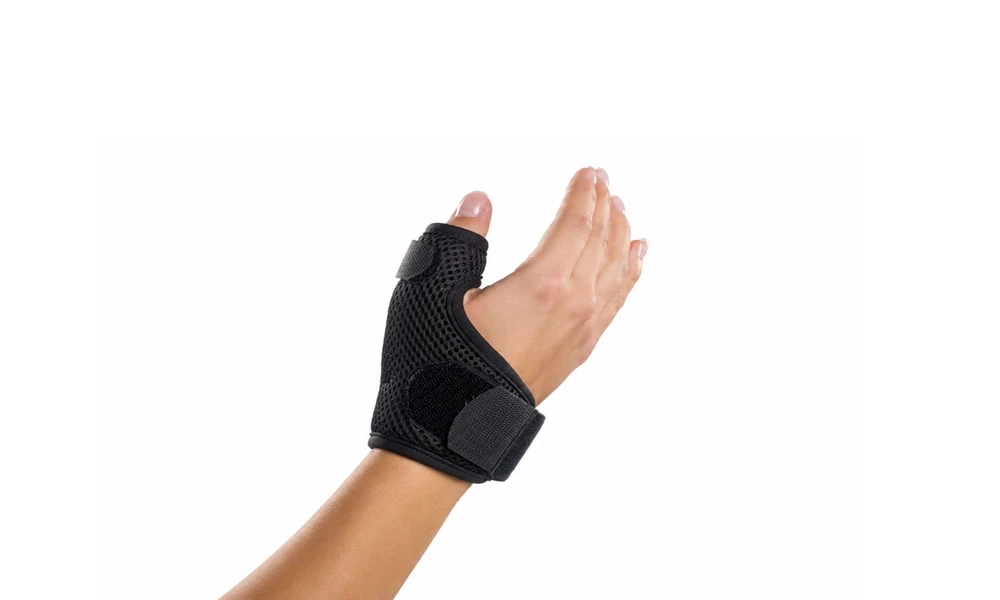
A thumb spica splint has been prescribed to the patient on account to aid healing on surgical issues and or injuries or inflammatory reasons.
Finding a comfortable position while resting at night as well as keeping the splint secure is essential for promoting healing and ensuring a restful night’s sleep.
But now with a few practical adjustments, it is possible to sleep comfortably while wearing a thumb spica splint. By knowing proper positioning of the hand, how to build a better sleeping environment and the correct way to splint caring, a real difference can be made easily.
Why You Need to Wear a Thumb Spica Splint at Night
Many of the healthcare providers suggested a thumb spica splint during sleep as the thumb and the wrist take unnecessary pressure while asleep. At night, people often change positions unconsciously, which can cause an injured joint to twist, cramp or bear weight.
The thumb splint is to assist with alignment to prevent harmful motion. This stability helps injured tissues, tendons, ligaments, or bones heal without repeated stretching. The regular wearing of the splint as advised, which can also be useful to reduce stiffness, pain and swelling upon waking in the morning.
Common Challenges When Sleeping with a Thumb Spica Splint
A thumb spica splint provides helpful support to the affected area. There are many people who face some discomfort while adjusting to it. Following are some common challenges include:
- Can’t finding a comfortable sleeping position
- Feeling restricted when changing positions
- Pressure points around the wrist or thumb
- Increased warmth or sweating beneath the splint
Fortunately, your body adapts to it and you begin using specific methods and techniques to achieve a better fit, these issues will diminish over time.
Choose the Right Position for Sleeping
Sleeping on Your Back
Sleeping on your back is actually a very comfortable way to rest. This keeps your hand in a neutral position without applying direct pressure to the splint. A pillow should be placed on the side to further decrease the hand swelling. Moreover, ease support by resting your splinted hand. This supports the elevation of your hand slightly.
Sleeping on Your Side
Sleeping on the side You can still sleep on your side. But you have to make sure you’re not directly on your injured hand/wrist since you don’t want pressure all night long.
If your sleeping position is on the arm that isn’t injured, place a pillow in front of your body in front of your chest which will take the splintered forearm up as well as into a comfortable position, by your side. The hand then rests at a comfortable level to stop from sinking.
Sleeping on Your Stomach
It is often very uncomfortable to sleep on your stomach with a thumb spica splint. If you do that you can be putting unwanted pressure on both your hand and your thumb. It puts your arm in positions that it should not be in. If possible, consider getting into the habit of sleeping on your back or on your side until you recover.
Use Supportive Pillows
Using pillows correctly can significantly enhance comfort while sleeping. Here are some useful options:
- A small pillow under the forearm
- A body pillow for side sleepers
- A cushion between your arms to prevent rolling onto the injured hand
- Adding extra pillows to maintain a comfortable sleeping position
- Supportive pillows can help keep the splint in the correct position throughout the night.
Avoid Sleeping on the Splinted Hand
One of the biggest and important rules is to avoid placing your body weight on the splinted hand. Pressure from your body can:
- Increase pain
- Reduce circulation
- Cause numbness or tingling
- Shift the splint out of position
- Delay healing
People who have trouble sleeping without rolling on to their side during sleep: placing a pillow each on either side of your body will then keep you sleeping.
Check the Splint Before Bed
Before you go to the bed, ensure the splint is positioned correctly. Look for signs that:
- The straps are secure but not overly tight.
- The thumb is properly supported.
- The wrist remains in a neutral position.
- There are no pressure points causing discomfort.
- Your fingers remain warm with normal colour.
A use of splint should also feel supportive, not painful or uncomfortable. Because if that happens, then this might lead to swelling or you start to lose feeling in your body.
Keeping the Splint Clean and Dry
Having clean splints makes them feel more comfortable to wear and reduces skin problems. Wipe your splint according to directions and dry it thoroughly prior to putting it in place a second time.
If the splint becomes wet from the sweat, dry your splint as well as you can the night if possible. If skin underneath the splint is kept clean, you decrease chances of itching.
Final Thoughts
Sleeping with an orthopedic thumb splint might be hard for some initially, most people adapt quite quickly. So choosing the right position for sleeping, supporting the hand with the help of pillows, keeping the hand elevated and ensuring the splint is fitted correctly can provide significant relief throughout the night.
Using your thumb in the proper way and continuing to wear the wrist splint with that when requested, it will totally help in protecting the injury. Moreover, facilitate adequate healing and avoid causing further damage and pain.
If you continue to remain calm and simply make the following few alterations to your sleep, then you’ll wake feeling well-rested and ensure your body can go on to be repaired effectively.

Comments are closed.