
Key Takeaways
- Shockwave therapy targets pain and tissue repair without surgery or long recovery periods.
- Traditional treatments still play an important role, especially for long-term rehabilitation.
- Combining therapies often delivers better and faster outcomes for patients.
- Orchard Health Clinic provides personalised care for pain management and rehabilitation needs.
Introduction
Pain has a funny way of slowing life down. One small ache in the shoulder or lower back can suddenly make simple things feel exhausting – carrying groceries, sitting at work, even getting decent sleep. That’s why many people in Singapore are now comparing newer methods like shockwave therapy with more traditional treatment options.
The question is simple enough: which one actually works better?
The answer, though, depends on the condition, the severity of the pain, and how the body responds to treatment. At clinics such as Orchard Health Clinic, treatment plans are often tailored rather than one-size-fits-all. Some patients respond well to hands-on physiotherapy and exercise programmes. Others benefit from modern approaches like shockwave therapy in Singapore, especially when stubborn pain refuses to go away.
Let’s break down the differences in a way that actually makes sense.
Traditional Treatments: Familiar, Reliable, But Sometimes Slow
Traditional physiotherapy has been around for decades, and honestly, there’s a reason it still matters. Techniques like manual therapy, stretching exercises, strengthening programmes, and posture correction help the body recover steadily over time.
For muscle strains, joint stiffness, or postural issues caused by long office hour, very common in Singapore, these methods can be highly effective. They focus on restoring movement and preventing future injury rather than simply masking pain.
However, traditional treatments sometimes require patience. Quite a lot of it, actually.
Patients dealing with chronic tendon pain or stubborn soft tissue injuries may attend multiple sessions before noticing meaningful improvement. Recovery can feel a bit like untangling a knot slowly, one thread at a time.
This is where newer technology enters the picture.
Shockwave Therapy: A Faster Push for Healing
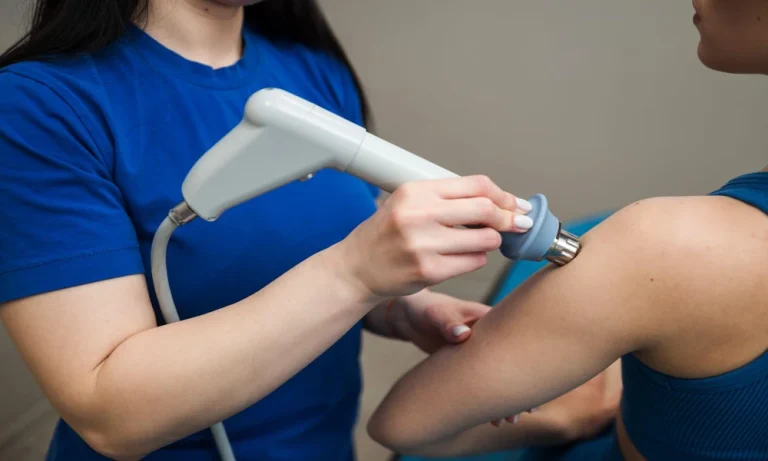
Shockwave therapy sounds intense, but the treatment itself is non-invasive and widely used in rehabilitation clinics today. It works by sending acoustic waves into injured tissues to stimulate blood flow and encourage natural healing.
At Orchard Health Clinic Shockwave Therapy, this treatment is commonly used for conditions such as plantar fasciitis, tennis elbow, calcific shoulder pain, and chronic tendon injuries. In many cases, it helps reduce pain faster than traditional approaches alone.
That speed matters. Especially for working adults, athletes, or parents juggling busy schedules.
One of the biggest differences with shockwave therapy in Singapore is that it targets the root of long-term tissue irritation rather than simply easing symptoms temporarily. Some patients notice changes after only a few sessions, though results naturally vary.
Interestingly, shockwave therapy isn’t always used on its own. Clinics often combine it with exercise rehabilitation because healing tissue still needs proper movement and strength training afterwards. Think of it like restarting an engine, the therapy sparks recovery, while rehabilitation keeps things running smoothly.
What About Core Recovery and Diastasis Recti?
Not every condition is sports-related or caused by overuse. Pregnancy recovery, for example, is another area where rehabilitation has become more specialised over the years.
Diastasis recti happens when the abdominal muscles separate during pregnancy. While many assume it’s purely cosmetic, the condition can affect posture, balance, back pain, and core stability.
At Orchard Health Clinic Diastasis Recti Treatment, treatment focuses on targeted rehabilitation exercises designed to restore core function safely. Unlike quick-fix solutions found online, structured physiotherapy programmes help patients rebuild strength gradually without placing excess strain on healing muscles.
For those searching for Diastasis Recti treatment in Singapore, professional guidance can make a noticeable difference. Social media trends often promote aggressive workouts too early, and that can worsen symptoms instead of helping.
In some rehabilitation cases, supportive therapies may also complement exercise programmes depending on the patient’s condition and recovery stage.
So, Which Treatment Is Better?
The truth is, it’s not really a competition.
Traditional physiotherapy and modern treatments like shockwave therapy often work best together rather than separately. One supports long-term movement and recovery; the other may help speed up tissue healing and pain reduction.
That balance is important.
Someone recovering from chronic heel pain may benefit from shockwave sessions alongside stretching and strengthening exercises. Meanwhile, a new mother seeking Diastasis Recti treatment may need a slower, carefully supervised rehabilitation approach without aggressive intervention.
The body rarely heals in a perfectly straight line. Sometimes it needs hands-on guidance. Other times it needs a stronger nudge.
Conclusion
Healthcare has changed a great deal over the years, and rehabilitation is no exception. While traditional physiotherapy remains essential for recovery and injury prevention, newer treatments like shockwave therapy provide another valuable option for people dealing with persistent pain or slow healing.
The key is choosing a treatment plan that fits the condition, lifestyle, and recovery goals of the patient. Whether someone is exploring shockwave therapy in Singapore for chronic pain or seeking proper Diastasis Recti treatment after childbirth, professional assessment matters far more than trends or guesswork.
For personalised rehabilitation and physiotherapy care, contact Orchard Health Clinic.