Tag

skin health

Browsing

Key Highlights

  • Avoid picking or squeezing the skin immediately following a professional extraction to prevent scarring.
  • Switch to lightweight, non-comedogenic skincare products to keep pores clear after your session.
  • Consistent sun protection is vital for healing skin and preventing the recurrence of keratin cysts.

Introduction

Many individuals struggle with those small, persistent white bumps known as milia. While they are harmless, these keratin-filled cysts can affect your confidence and the overall texture of your complexion. Seeking a professional facial treatment in Singapore is often the most effective way to address these concerns safely. However, the work does not end once you leave the aesthetician’s chair. The period following your appointment is critical for ensuring your skin heals correctly and stays smooth. After all, if you do not follow a proper aftercare routine, you might find that your skin reacts poorly or that new bumps appear sooner than expected.

That said, knowing the common pitfalls that people encounter after milia seeds removal can help you maintain your results for much longer. Remember, proper post-treatment care ensures that your investment in your skin provides the best possible outcome.

1. Attempting Home Extractions or Picking the Skin

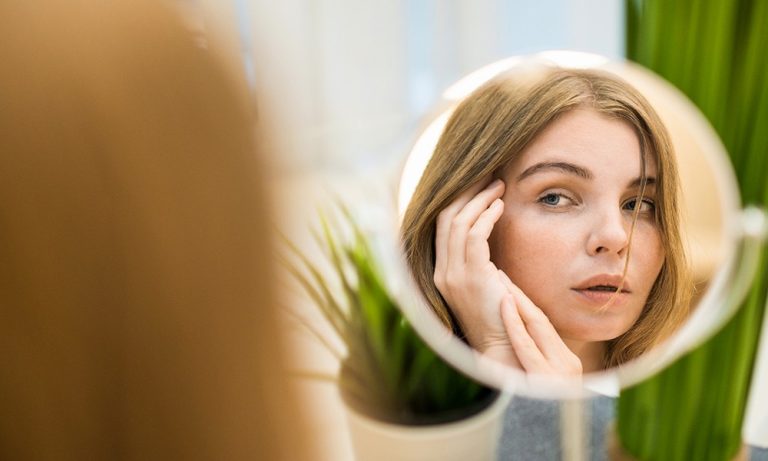
The most common mistake people make after a professional session is touching or picking at their face. Even after a successful milia seeds removal, the skin remains sensitive and slightly inflamed for a day or two. You might notice small red spots where the extractions occurred, and the temptation to “clean up” these spots yourself can be strong. However, using your fingernails or unsterilised tools at home introduces bacteria into open pores, leading to infections or even permanent scarring.

Milia are not like typical whiteheads; they are trapped under a thick layer of skin and require a precise incision or specialised tool for removal. If you try to squeeze a remaining bump or a healing spot, you risk pushing the keratin deeper or damaging the surrounding tissue. This trauma can cause the skin to produce more keratin as a protective response, potentially leading to more milia in the future. It is essential to let the skin heal naturally and follow the specific advice provided by your therapist. If you feel a spot is not healing correctly, it is always better to consult a professional rather than taking matters into your own hands.

2. Overloading the Skin with Heavy Moisturisers

It is natural to want to hydrate the skin after undergoing a facial treatment to aid recovery. However, applying thick, oil-based creams or heavy ointments is a major error when dealing with milia-prone skin. These “seeds” often form because dead skin cells and sebum become trapped in the pores. If you apply heavy products immediately after an extraction, you effectively seal the pores and create an environment where new cysts can easily form.

Instead of reaching for rich night creams, opt for water-based or gel-based hydrators that contain ingredients like hyaluronic acid. These provide the necessary moisture without adding excess oil that could clog the newly cleared pores. You should also check your current skincare routine for comedogenic ingredients like petrolatum or certain mineral oils, which are notorious for contributing to milia. Keeping your skincare “breathable” during the first week after your treatment allows the skin to regulate its natural oil production and ensures the extraction sites close up cleanly without any trapped debris.

3. Neglecting Sun Protection and Proper Exfoliation

The skin is significantly more vulnerable to ultraviolet (UV) damage following a deep cleansing or extraction process. Many people forget that milia seeds removal in Singapore involves a level of skin resurfacing that leaves the underlying layers exposed. Skipping sunscreen in the days following your treatment can lead to post-inflammatory hyperpigmentation. Furthermore, sun damage can actually thicken the top layer of the skin, making it harder for dead skin cells to shed naturally. This cycle of skin thickening is a primary cause of keratin buildup, which eventually manifests as new milia.

In addition to sun protection, the timing of your exfoliation routine is vital. While you should avoid harsh scrubs for the first few days post-treatment, many people make the mistake of stopping exfoliation entirely for weeks. Once your therapist confirms it is safe, reintroducing a gentle chemical exfoliant, such as a low-concentration salicylic or glycolic acid, is vital. These ingredients help to dissolve the bonds between dead skin cells, ensuring they wash away rather than getting trapped under the surface. Balancing protection with gentle, consistent renewal is the secret to preventing the return of those stubborn white bumps.

Conclusion

Maintaining clear, smooth skin requires more than just a single visit to a beauty studio. While a professional facial treatment in Singapore provides the deep cleansing and expert extraction needed to clear the skin, your daily habits determine how long those results will last. Remember, by resisting the urge to pick at your face, choosing lightweight skincare products, and staying diligent with sun protection, you give your skin the best environment to thrive.

Visit Fresver Beauty to experience the difference of professional skin care.

Ageing is an inevitable process, yet advances in skincare science have provided effective solutions to maintain a youthful appearance. Anti-ageing serums have become a cornerstone of modern skincare, formulated with concentrated ingredients designed to address fine lines, wrinkles, and skin hydration. Unlike traditional creams, serums penetrate deeply, targeting skin concerns at a cellular level. Their lightweight nature allows for fast absorption, making them a vital component in an effective skincare routine. This article delves into the science behind these serums, explaining their role in preserving youthful skin and how they complement products such as skin hydrating cream for optimal results.

How Anti-Ageing Serums Work

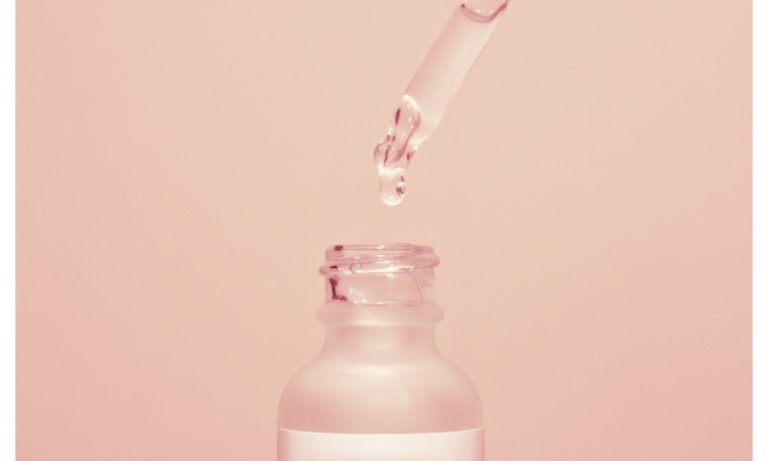
Anti-ageing serums target the underlying causes of premature ageing, such as collagen degradation, oxidative stress, and dehydration. Their effectiveness lies in their molecular structure, which allows active ingredients to reach the skin’s deeper layers. Unlike thicker creams that primarily provide surface hydration, serums use smaller molecules that deliver potent ingredients directly to the skin’s support system.

Key ingredients include peptides, hyaluronic acid, and antioxidants. Peptides are essential for collagen synthesis, helping to restore the skin’s firmness and elasticity. Hyaluronic acid, a naturally occurring substance in the skin, plays a crucial role in retaining moisture. When included in an anti-ageing serum, it significantly improves hydration levels, reducing the appearance of fine lines. Antioxidants, such as vitamins C and E, protect the skin from free radicals, which contribute to ageing by causing cellular damage.

One of the primary benefits of serums is their ability to work alongside a skin-hydrating cream. While the serum delivers active ingredients, a hydrating cream locks in moisture, ensuring long-lasting effects. This synergy prevents dehydration, one of the leading contributors to premature ageing. By incorporating a well-formulated serum into a daily routine, the skin remains nourished, firm, and resistant to environmental stressors.

The Role of Hydration in Anti-Ageing

Hydration is fundamental to maintaining a youthful complexion. Dehydrated skin appears dull, emphasising wrinkles and fine lines. As the skin ages, its ability to retain moisture diminishes, making hydration-focused products essential. Anti-ageing serums often include humectants such as glycerin and hyaluronic acid, which draw moisture from the environment into the skin’s layers.

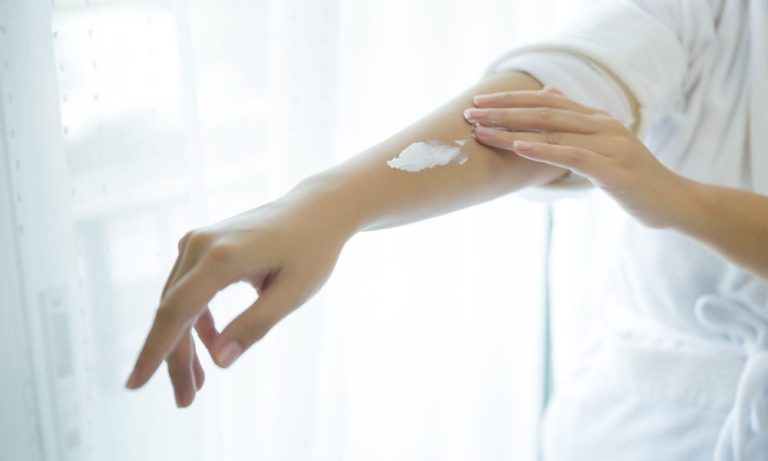
Using a skin hydrating cream with an anti-ageing serum maximises hydration retention. While the serum introduces moisture-binding ingredients, the cream forms a protective barrier, preventing water loss. This approach is particularly beneficial for mature skin, which requires enhanced hydration to maintain suppleness.

Another factor affecting skin hydration is the natural lipid barrier. Over time, environmental factors such as UV exposure, pollution, and harsh skincare products weaken this barrier. Strengthening it through a combination of serums and hydrating creams ensures the skin remains plump and resilient. Proper hydration also supports cell regeneration, enhancing the overall effectiveness of anti-ageing ingredients.

Key Ingredients to Look For in Anti-Ageing Serums

Selecting an effective anti-ageing serum requires an understanding of its ingredients. Several scientifically backed components address the core mechanisms of ageing to contribute to youthful-looking skin.

  • Retinol – A derivative of vitamin A, retinol accelerates cell turnover, improving skin texture and reducing fine lines. Regular use encourages collagen production, which strengthens the skin’s structure.
  • Hyaluronic Acid – As one of the most effective moisture-binding molecules, hyaluronic acid enhances hydration and plumps the skin. It reduces the appearance of wrinkles by maintaining optimal moisture levels.
  • Peptides – These amino acid chains support collagen production, which declines with age. Peptides improve elasticity, helping to restore a firmer appearance.
  • Antioxidants – Free radicals accelerate ageing by breaking down collagen and causing oxidative stress. Antioxidants such as vitamin C neutralise these effects, brightening the skin and enhancing its protective barrier.
  • Niacinamide – Also known as vitamin B3, niacinamide strengthens the skin barrier, reduces inflammation, and improves uneven skin tone.
  • Each ingredient plays a distinct role in maintaining youthful skin. When combined with a well-formulated skin hydrating cream, these ingredients create an environment that supports long-term skin health.

How to Incorporate Anti-Ageing Serums into a Skincare Routine

To achieve the best results, it is essential to apply an anti-ageing serum correctly. Skincare products should be layered in a specific order to ensure optimal absorption. After cleansing, serums should be applied to damp skin, allowing ingredients such as hyaluronic acid to draw in moisture effectively.

Following serum application, a skin hydrating cream should lock in hydration and strengthen the skin barrier. This routine ensures that active ingredients work efficiently while preventing moisture loss. Applying sunscreen during the day is equally important, as UV exposure accelerates skin ageing and counteracts the benefits of anti-ageing treatments.

For long-term improvements, consistency is key. Regular use of an anti-ageing serum and hydration-focused products will gradually enhance the skin’s texture, firmness, and overall appearance.

Anti-ageing serums are backed by scientific advancements that address the root causes of skin ageing. Their ability to deliver potent ingredients deep into the skin makes them highly effective in reducing fine lines, enhancing hydration, and improving overall skin health. When used alongside a skin hydrating cream, these serums provide a comprehensive approach to maintaining a youthful complexion. By incorporating the right products into a daily skincare routine, it is possible to support long-term skin vitality and resilience.

Discover how the right anti-ageing serum can transform your skincare routine. Contact BareSkin Elements today to find the ideal solution for a youthful, hydrated complexion.