Tag

skincare routine

Browsing

Key Takeaways

  • A daily routine can either support or interfere with results from a beauty spa.
  • Overlapping active ingredients often reduces the effectiveness of skin treatments.
  • Timing, product selection, and recovery periods determine whether results improve or plateau.
  • Clear communication between client and therapist reduces conflicting routines.

Introduction

Clients often assume that more skincare effort leads to better outcomes, but this is not always the case when combined with professional treatments. A structured plan from a beauty spa is designed with specific objectives, while home routines are often built from trends, recommendations, or trial and error. Once these two approaches are not aligned, they can work against each other instead of producing consistent results. Knowing whether your routine supports or competes with the myriad professional skin treatments in Singapore requires examining how products, timing, and skin recovery are managed.

Sign 1: Overlapping Active Ingredients Are Causing Conflict

One of the most common issues is the duplication or conflict of active ingredients. Professional treatments often involve exfoliating acids, retinoids, or targeted serums. Once clients continue to use similar or stronger actives at home without adjustment, the skin may become overstimulated. This situation can present as sensitivity, breakouts, or uneven texture rather than improvement. The home routine, in such cases, is not complementing the treatment plan but competing with it.

For example, if a session includes chemical exfoliation, continuing daily exfoliating products can disrupt the skin barrier instead of allowing it to recover. A beauty spa typically factors in recovery time, but this becomes ineffective when the home routine ignores those intervals. Aligning ingredient use with the treatment schedule ensures that each step has a defined role rather than overlapping functions.

Sign 2: Poor Timing Between Routine and Treatments

Timing is another critical factor that determines whether results are optimised or reduced. Professional skin treatments are usually spaced to allow the skin to respond and rebuild. However, many routines operate on a fixed daily or weekly cycle without adjusting for treatment days. This instance creates inconsistency in how the skin is managed before and after procedures.

For instance, applying strong actives immediately before or after a session can increase irritation and reduce the effectiveness of the treatment itself. On the other hand, a routine that scales back before appointments and supports recovery after sessions works in coordination with the treatment plan. A beauty spa typically provides aftercare guidance, but results depend on whether clients follow these adjustments consistently.

Sign 3: No Clear Objective Between Home Care and Professional Treatments

A routine becomes ineffective when there is no clear division of purpose between home care and professional sessions. Many clients use products aimed at the same outcomes as their treatments, such as brightening or acne control, without understanding how these should be layered across different stages of care. This approach creates redundancy rather than progression.

Professional skin treatments are structured to address deeper or more targeted concerns, while home routines are meant to maintain and support these results. Once both attempt to achieve identical outcomes at the same intensity, progress can stall. A beauty spa approach typically works best when treatments handle correction and routines focus on maintenance. Without this distinction, efforts overlap without producing measurable improvement.

Conclusion

A skincare routine should function as an extension of professional care rather than a separate system. Once active ingredients overlap, timing is not adjusted, and objectives are unclear, the routine competes with treatment plans instead of supporting them. Aligning product use, scheduling, and goals with guidance from a beauty spa allows both approaches to work together. Remember, for those undergoing regular skin treatments, consistency and coordination are more important than adding more products or steps.

Contact 21st Century Beauty Spa and get clarity on what to keep, what to pause, and what actually contributes to visible skin outcomes.
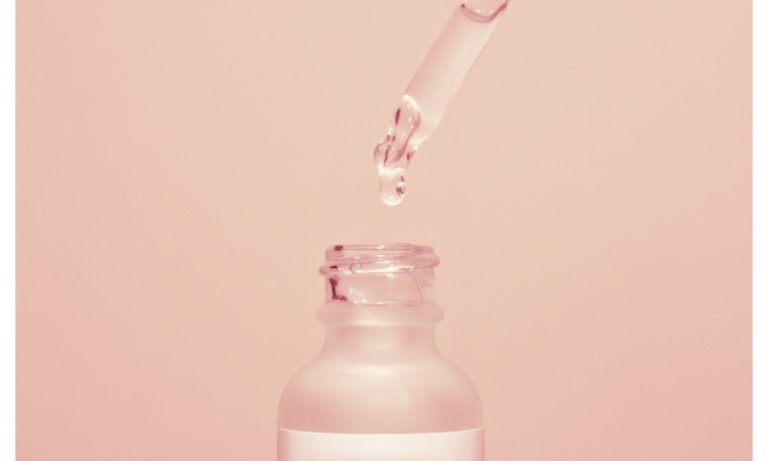

Ageing is an inevitable process, yet advances in skincare science have provided effective solutions to maintain a youthful appearance. Anti-ageing serums have become a cornerstone of modern skincare, formulated with concentrated ingredients designed to address fine lines, wrinkles, and skin hydration. Unlike traditional creams, serums penetrate deeply, targeting skin concerns at a cellular level. Their lightweight nature allows for fast absorption, making them a vital component in an effective skincare routine. This article delves into the science behind these serums, explaining their role in preserving youthful skin and how they complement products such as skin hydrating cream for optimal results.

How Anti-Ageing Serums Work

Anti-ageing serums target the underlying causes of premature ageing, such as collagen degradation, oxidative stress, and dehydration. Their effectiveness lies in their molecular structure, which allows active ingredients to reach the skin’s deeper layers. Unlike thicker creams that primarily provide surface hydration, serums use smaller molecules that deliver potent ingredients directly to the skin’s support system.

Key ingredients include peptides, hyaluronic acid, and antioxidants. Peptides are essential for collagen synthesis, helping to restore the skin’s firmness and elasticity. Hyaluronic acid, a naturally occurring substance in the skin, plays a crucial role in retaining moisture. When included in an anti-ageing serum, it significantly improves hydration levels, reducing the appearance of fine lines. Antioxidants, such as vitamins C and E, protect the skin from free radicals, which contribute to ageing by causing cellular damage.

One of the primary benefits of serums is their ability to work alongside a skin-hydrating cream. While the serum delivers active ingredients, a hydrating cream locks in moisture, ensuring long-lasting effects. This synergy prevents dehydration, one of the leading contributors to premature ageing. By incorporating a well-formulated serum into a daily routine, the skin remains nourished, firm, and resistant to environmental stressors.

The Role of Hydration in Anti-Ageing

Hydration is fundamental to maintaining a youthful complexion. Dehydrated skin appears dull, emphasising wrinkles and fine lines. As the skin ages, its ability to retain moisture diminishes, making hydration-focused products essential. Anti-ageing serums often include humectants such as glycerin and hyaluronic acid, which draw moisture from the environment into the skin’s layers.

Using a skin hydrating cream with an anti-ageing serum maximises hydration retention. While the serum introduces moisture-binding ingredients, the cream forms a protective barrier, preventing water loss. This approach is particularly beneficial for mature skin, which requires enhanced hydration to maintain suppleness.

Another factor affecting skin hydration is the natural lipid barrier. Over time, environmental factors such as UV exposure, pollution, and harsh skincare products weaken this barrier. Strengthening it through a combination of serums and hydrating creams ensures the skin remains plump and resilient. Proper hydration also supports cell regeneration, enhancing the overall effectiveness of anti-ageing ingredients.

Key Ingredients to Look For in Anti-Ageing Serums

Selecting an effective anti-ageing serum requires an understanding of its ingredients. Several scientifically backed components address the core mechanisms of ageing to contribute to youthful-looking skin.

  • Retinol – A derivative of vitamin A, retinol accelerates cell turnover, improving skin texture and reducing fine lines. Regular use encourages collagen production, which strengthens the skin’s structure.
  • Hyaluronic Acid – As one of the most effective moisture-binding molecules, hyaluronic acid enhances hydration and plumps the skin. It reduces the appearance of wrinkles by maintaining optimal moisture levels.
  • Peptides – These amino acid chains support collagen production, which declines with age. Peptides improve elasticity, helping to restore a firmer appearance.
  • Antioxidants – Free radicals accelerate ageing by breaking down collagen and causing oxidative stress. Antioxidants such as vitamin C neutralise these effects, brightening the skin and enhancing its protective barrier.
  • Niacinamide – Also known as vitamin B3, niacinamide strengthens the skin barrier, reduces inflammation, and improves uneven skin tone.
  • Each ingredient plays a distinct role in maintaining youthful skin. When combined with a well-formulated skin hydrating cream, these ingredients create an environment that supports long-term skin health.

How to Incorporate Anti-Ageing Serums into a Skincare Routine

To achieve the best results, it is essential to apply an anti-ageing serum correctly. Skincare products should be layered in a specific order to ensure optimal absorption. After cleansing, serums should be applied to damp skin, allowing ingredients such as hyaluronic acid to draw in moisture effectively.

Following serum application, a skin hydrating cream should lock in hydration and strengthen the skin barrier. This routine ensures that active ingredients work efficiently while preventing moisture loss. Applying sunscreen during the day is equally important, as UV exposure accelerates skin ageing and counteracts the benefits of anti-ageing treatments.

For long-term improvements, consistency is key. Regular use of an anti-ageing serum and hydration-focused products will gradually enhance the skin’s texture, firmness, and overall appearance.

Anti-ageing serums are backed by scientific advancements that address the root causes of skin ageing. Their ability to deliver potent ingredients deep into the skin makes them highly effective in reducing fine lines, enhancing hydration, and improving overall skin health. When used alongside a skin hydrating cream, these serums provide a comprehensive approach to maintaining a youthful complexion. By incorporating the right products into a daily skincare routine, it is possible to support long-term skin vitality and resilience.

Discover how the right anti-ageing serum can transform your skincare routine. Contact BareSkin Elements today to find the ideal solution for a youthful, hydrated complexion.

When we talk about following the tips for your skincare routine then you must know it is going to help a lot in improving the texture of your skin says Cheyanne Mallas: Elevating Beauty with Sculptra and any condition you are going through a lot of people face different uneven skin tones around the face area and they want to improve says Cheyanne Mallas that some people suffer from under eye circles or eyebags some people suffer from drooping of the eyes some people suffer from acne and the scarring or fine lines and they want them to remove it immediately and cosmetic dermatology can help you in such situations.

One of the tips you must follow in skin care is to use a good moisturizer


Whenever you’re going before doing the most rather you must choose the one that is going to complement your skin and will work for the skin type you have if you have a first game type that is on the dryer side then you must have a moisturizer that has ceramides in it says Cheyanne Mallas and it is highly moisturizing to the skin barrier and if you have oily skin then you need to have a materializer that is not going to clog your pores by making it more oily and it should be non-comedogenic.

Another type that you must follow for good skin is to use a good SPF

Whenever you’re going outside and you’re not applying the SPF you are doing the worst thing you can ever do for your skin because you are or tend to destroy your skin much faster and it is going to burn your skin when you are not using the same protection that you are advice to do so so make sure you’re using a good spf says Cheyanne Mallas and it will help you get rid of the anyone can turn if you are applying it daily even in the indoors because some have UV rays that can damage the skin barrier so make sure you are protecting it as much as you can.