
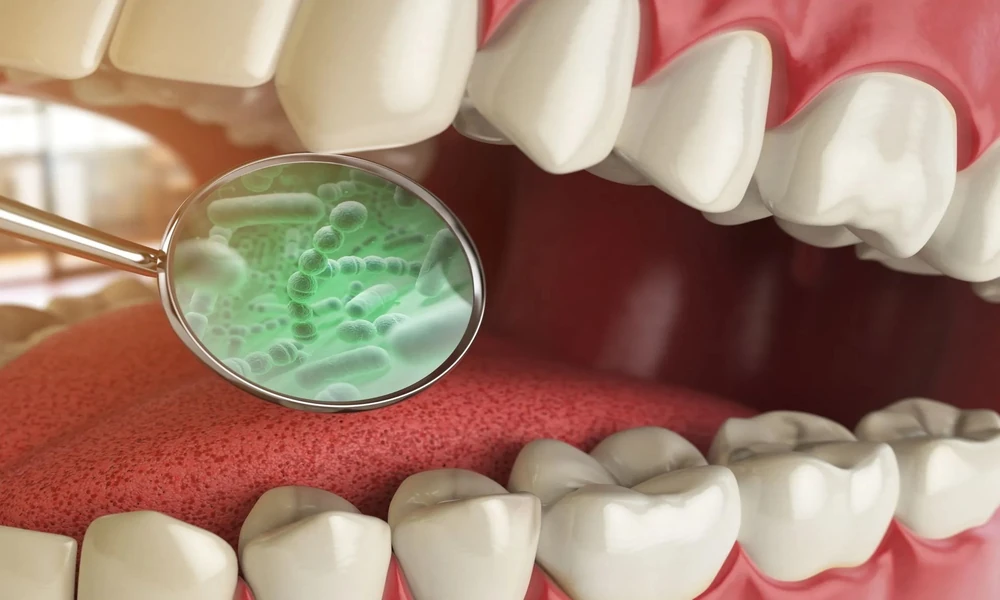
You may have noticed bleeding when you brush, bad breath that keeps coming back, or gums that seem to be pulling away from your teeth. That is the point where a lot of people start to worry, and for good reason. Gum disease often starts quietly, then turns into loose teeth, pain, swelling, and expensive dental work if it is ignored. The short version is simple. 4 types of periodontal treatments explained means knowing which care fits the stage of gum disease, from deep cleaning to surgery, so you can act before the damage gets worse. If you are looking for a periodontist in West Los Angeles, understanding these treatment options can help you take the next step.
Gum disease is common, and it is not just about your mouth. The National Institute of Dental and Craniofacial Research explains that gum disease can range from mild gingivitis to serious periodontitis, where bone and tissue that support the teeth break down. The CDC also notes that periodontal disease is a chronic inflammatory condition that becomes more common with age. If you have diabetes, the link matters even more because diabetes can raise the risk of gum disease and make healing harder.
Periodontal treatment depends on how far the infection has spread
A lot of people think all gum care is just a standard cleaning. It is not. A regular cleaning removes plaque above the gumline. A periodontist treats infection below the gumline, where the damage can affect roots, connective tissue, and bone. That difference matters because once pockets form around the teeth, brushing harder at home will not fix it.
The first treatment is scaling and root planing. This is often called a deep cleaning, and it is usually the first step for early to moderate periodontitis. The goal is to remove plaque, tartar, and bacteria from below the gums, then smooth the root surfaces so the gums can reattach more easily. If your gums bleed easily or your dentist has measured deeper pockets, this is often where care starts. For many people, this treatment slows the disease enough to avoid surgery.
The second treatment is antibiotic therapy. A periodontist may place antibiotic medication directly into the gum pockets or prescribe medication in certain cases. This does not replace cleaning infected areas. It supports it. If the bacterial load is high or certain spots are not healing well, antibiotics can help calm the infection so the tissue has a chance to recover.
The third treatment is gum surgery, often called flap surgery or pocket reduction surgery. If deep pockets remain after non surgical care, bacteria keep collecting where you cannot reach them. A periodontist may gently lift the gums, clean the roots more thoroughly, and reduce the pocket depth before placing the tissue back. That can sound intimidating, but the point is practical. Shallower pockets are easier to keep clean, and easier maintenance often means a better chance of keeping your teeth.
The fourth treatment is regenerative procedures such as bone grafts or guided tissue regeneration. This comes into play when periodontitis has already damaged the bone that supports your teeth. You might hear this discussed if teeth feel loose or X rays show bone loss. These procedures aim to rebuild support around the tooth. They do not erase every sign of disease, but they can improve stability and help protect teeth that might otherwise be lost.
Types of gum disease treatment differ in cost, healing, and long term goals
The hardest part for many people is not hearing the name of the procedure. It is realizing the problem may have been building for years without much pain. That can bring guilt, stress, and a lot of mental math about cost. If you put it off because your gums only bleed “once in a while,” the treatment usually gets more involved later. What starts as a deep cleaning can turn into surgery and bone grafting if infection keeps eating away at support structures.
There is also the daily reality. Tender gums make eating unpleasant. Chronic bad breath can make you self conscious at work or in close conversations. Loose teeth create a constant low grade fear every time you chew. A periodontal treatment plan is not just about cleaning infection. It is about protecting comfort, confidence, and the ability to keep your natural teeth.
Comparing the four main periodontist treatment options
| Treatment | Best For | What It Does | Typical Recovery |
|---|---|---|---|
| Scaling and root planing | Early to moderate periodontitis | Removes plaque and tartar below the gums, smooths roots | Mild soreness for a few days |
| Antibiotic therapy | Persistent bacterial infection in pockets | Reduces bacteria and supports healing after cleaning | Usually minimal downtime |
| Flap or pocket reduction surgery | Deep pockets that do not respond enough to non surgical care | Allows deeper cleaning and reduces pocket depth | One to two weeks of healing |
| Regenerative procedures | Bone loss and weakened tooth support | Helps rebuild bone or tissue around teeth | Several weeks, with follow up visits |
No table can tell you exactly what you will need, because pocket depth, bone loss, smoking, diabetes, and home care all affect the plan. Still, this gives you a clearer sense of why one person hears “deep cleaning” and another hears “bone graft.” They are not interchangeable. They treat different stages of the same disease process.
Clear next steps make periodontal care feel more manageable
Get a periodontal evaluation. If your gums bleed, teeth feel loose, or your dentist has mentioned pockets or bone loss, schedule an exam with a periodontist. Waiting for pain is a mistake because gum disease often advances quietly.
Ask for the stage and the goal. You need more than the name of a procedure. Ask whether the goal is infection control, pocket reduction, or rebuilding lost support. That tells you where you are now and what success looks like.
Protect the results at home. Even the best treatment fails if plaque builds up again. Brush twice a day, clean between teeth daily, keep follow up visits, and if you have diabetes, work on blood sugar control because it affects healing and inflammation.
Early treatment gives you more options
Gum disease can feel easy to ignore because it often creeps in slowly. That is exactly why people get caught off guard. The good news is that treatment exists across every stage, from deep cleaning to surgical repair, and a skilled periodontist can help you find the least invasive option that still protects your teeth. If you have signs of infection, take the next step and schedule an evaluation. Acting now gives you a better shot at simpler treatment, steadier healing, and a healthier mouth long term.

Comments are closed.