
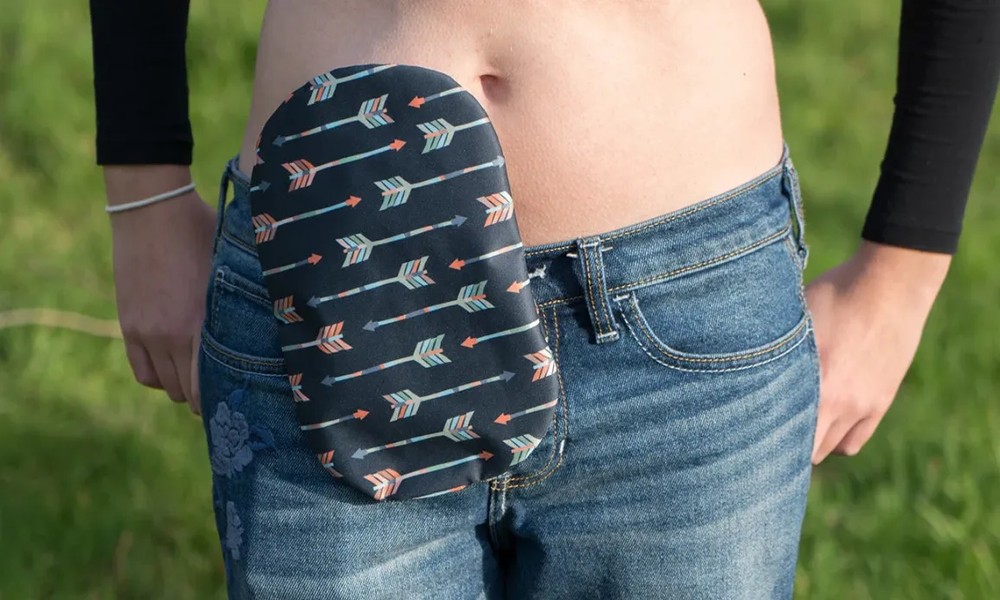
Getting used to life with a stoma takes time. That’s not a warning or a disclaimer, it’s just the honest reality that most people don’t hear until they’re already home from hospital, staring at a bag and wondering how on earth they’re supposed to get back to normal. The clinical information is there, but the practical, lived experience stuff is often thin on the ground.
One of the first things people grapple with is understanding what type of pouching system actually suits their lifestyle, and it’s not as obvious as it sounds. The difference between a closed bag and a drainable one, for instance, can completely change how someone’s day looks, how often they’re in and out of bathrooms, how confident they feel getting on a train or sitting through a long meeting.
Closed vs Drainable: Why It Actually Matters
Closed bags are sealed at the bottom and replaced entirely once full. They’re popular with colostomy patients because output tends to be firmer and less frequent. But for people with an ileostomy, where output is typically more liquid and more frequent, that approach can quickly become exhausting. Changing bags six or seven times a day isn’t just inconvenient, it’s expensive and, frankly, a lot to manage when you’re also trying to return to work or look after kids.
A drainable stoma bag works differently. The bottom of the bag opens up so you can empty it rather than replace it each time, which makes a meaningful difference for people with higher output. You’d typically drain it several times a day and only change the whole system every one to three days, depending on the product and your skin’s needs. For ileostomy patients especially, this tends to be the more practical default.
It sounds like a small thing, but it isn’t. The ability to empty rather than remove can mean the difference between someone feeling able to go to the gym again or avoiding it entirely. These details compound in real life in ways that are hard to explain until you’ve lived them.
Skin Health Is the Part People Underestimate
The stoma itself doesn’t have nerve endings, so you won’t feel discomfort there directly. However, the peristomal skin, the area around the stoma, absolutely does. If the seal on a bag isn’t right, or if you’re changing bags too frequently and causing repeated mechanical irritation, that skin can become sore, broken, or inflamed pretty quickly.
This is one reason why the type of bag matters so much for skin health. Drainable systems that stay in place for longer mean fewer adhesive changes, which gives the skin more time to recover and stay intact. It’s also worth knowing that bags come with different flange designs, some with convexity to help create a better seal around flush or retracted stomas, and getting that fit right matters enormously for both comfort and confidence.
A stoma nurse is genuinely the best person to help with this. Not all GPs will have specific stoma expertise, but specialist nurses do, and they can advise on whether a different product might suit you better. People sometimes struggle for months before mentioning that something isn’t working, and there really is no reason to.
Getting Back to Everyday Life
Swimming, exercise, travel, going out for dinner, none of these are off the table after stoma surgery. It might take some adjustment and some trial and error with products, but people do all of these things, regularly and confidently.
There are some practical considerations worth thinking through. Travel, for instance, means packing more supplies than you think you’ll need. Airports can be tricky if you’re carrying scissors for bag trimming, and eating and drinking habits affect output in ways that take a while to learn. None of this is insurmountable, it’s just a learning curve that most people navigate with time.
The stoma community in the UK is also genuinely supportive. Organisations like the Ileostomy and Internal Pouch Association and Colostomy UK have helplines and forums where real people share real experience. Sometimes hearing from someone who’s been doing this for ten years is more useful than any leaflet.
Life with a stoma is different, but different doesn’t mean lesser. Most people get there, even if it doesn’t feel that way in the early weeks.

Comments are closed.