
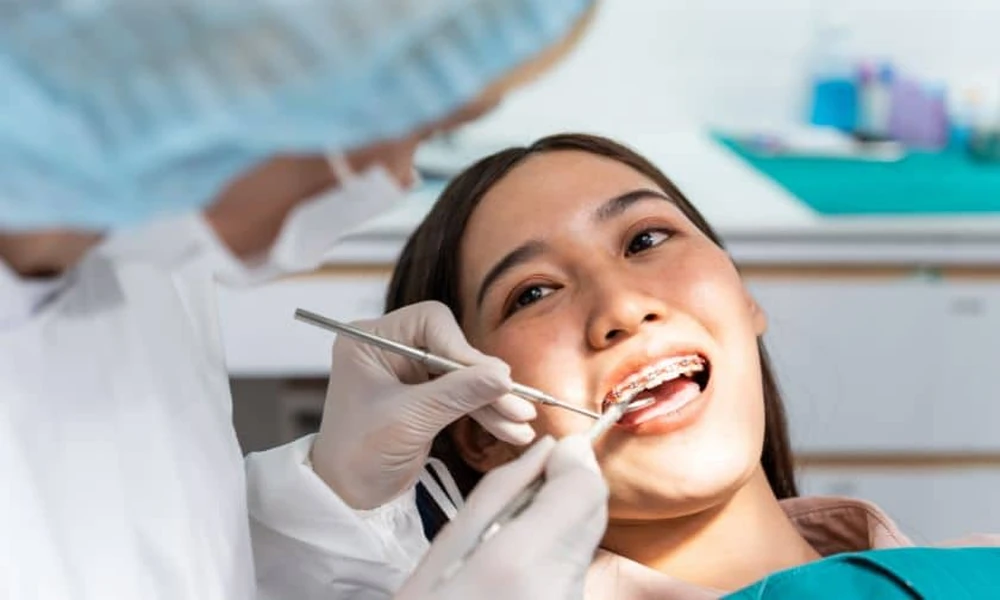
You might be looking in the mirror and noticing more than just crooked teeth. Maybe your smile feels off, your lips do not rest the way you want, or your profile seems less balanced than it used to. For many people, that is where the question starts. They think orthodontics is only about straightening teeth, then slowly realize it can also shape the way the face looks and feels. The short answer is simple. How Orthodontics Plays A Role In Facial Aesthetics comes down to alignment, jaw position, and support for the lips and cheeks, all of which can affect harmony across your face. For those exploring treatment options, clear aligners in Festus, MO may also be part of that conversation.
That can feel encouraging, but also a little overwhelming. If treatment may change more than your bite, how do you know what is healthy, what is cosmetic, and what is worth doing? Those are fair questions, and they matter because facial appearance is tied closely to confidence, comfort, and daily function.
Why can an orthodontist affect more than just straight teeth?
Your teeth do not sit apart from the rest of your face. They support the lips, influence the way your jaw closes, and affect how the lower third of your face appears. When teeth are crowded, flared, or spaced in ways that strain the bite, the result may show up in places you did not expect. Your chin can seem less defined, your smile may look narrow, and your face may appear imbalanced from the front or side.
This is one reason an orthodontist and facial appearance are often discussed together. Orthodontic treatment can guide teeth into better positions, and in some cases it can also help improve jaw relationships. That may soften strain around the mouth, create fuller smile width, and support a more even profile.
So, where does that leave you if your concern is both health and appearance? It means the goal should not be a copied smile or a trend driven look. It should be a bite and facial shape that work well together, because function and appearance often overlap more than people realize.
What facial changes can happen with orthodontic treatment?
Not every treatment changes the face in a dramatic way, and that is important to understand. Some changes are subtle. Others are more noticeable, especially when jaw growth, bite correction, or extraction planning are involved. In children and teens, growth guidance may influence facial development as the jaws mature. In adults, changes often come from tooth movement and how that movement supports the lips and smile.
Research on facial soft tissue and orthodontic treatment continues to show that treatment planning should consider more than tooth alignment alone. A review available on PubMed highlights how soft tissue changes and facial esthetics are closely tied to orthodontic decisions. Another recent publication on PubMed points to the growing focus on facial outcomes when evaluating treatment success.
There is also the health side of the story. Problems with jaw development, alignment, and oral structure may affect chewing, speech, and breathing. Basic medical background on craniofacial development and related conditions can be found through MedlinePlus. That matters because a face that looks balanced often starts with structures that are working as they should.
How do facial aesthetics and orthodontics connect in real life?
Think about someone with a deep overbite whose upper teeth hide most of the lower teeth when smiling. Their face may seem shorter or more tense around the mouth. Or picture someone with a narrow arch and crowding. Even if each tooth is healthy, the smile can look constricted, which affects facial expression. In these cases, orthodontics may improve the bite while also opening the smile and changing how the lips and cheeks are supported.
There is also the emotional side. If you have spent years smiling with your mouth closed, avoiding photos, or feeling self conscious in conversation, the issue is never just cosmetic. It touches how you move through the day. That is why facial aesthetics and orthodontics are often part of the same conversation. Looking better and functioning better are not always separate goals.
What should you compare before starting orthodontic care?
Because treatment can affect both appearance and oral health, it helps to compare the short term and long term picture clearly.
| Consideration | Limited cosmetic focus | Full orthodontic evaluation |
|---|---|---|
| Main goal | Improve visible tooth alignment | Improve bite, tooth position, and facial balance |
| Facial impact review | May be minimal | Usually includes profile, lip support, and smile width |
| Function | Can overlook chewing or jaw concerns | Addresses how teeth and jaws work together |
| Long term planning | Focused on appearance now | Focused on stability and appearance over time |
| Best for | Very minor alignment concerns | Anyone with bite issues, profile concerns, or crowding |
This is where a skilled orthodontist becomes so important. Small choices in tooth movement can have a large effect on the final look. The right plan respects your face as a whole, not just your teeth.
What can you do right now if you are thinking about orthodontic treatment?
1. Pay attention to function, not just photos. Notice whether you have jaw discomfort, mouth breathing, uneven tooth wear, or trouble biting into food. These clues often point to issues that affect both health and appearance.
2. Ask how treatment may affect your profile and smile. During a consultation, ask direct questions. Will this plan change lip support? Will it widen the smile? Will it alter how the chin or jawline appears? You deserve clear answers.
3. Request a plan that balances esthetics with stability. The best results usually come from treatment that considers bite, airway, gum health, retention, and facial form together. That is the heart of good orthodontic care.
Could the right orthodontic plan change how you feel about your face?
For many people, yes. Not because orthodontics creates a different identity, but because it brings the teeth, jaws, and facial features into better balance. That can mean a softer profile, a fuller smile, easier lip closure, or simply the feeling that your face looks more like you always hoped it could.
If you have been wondering whether an orthodontist can help with more than straight teeth, the answer is often yes. A thoughtful evaluation can show how treatment may support both function and appearance, and that can make the next step feel a lot less uncertain.

Comments are closed.