Category

Health

Category

When it comes to healthcare, oral health is often a facet that is both overlooked and underestimated. Within this domain, your dental hygienist in Richmond can emerge as an unsung hero, assuming a role that transcends mere dental maintenance to become custodian of holistic well-being. In the evolving landscape of healthcare, these professionals have transitioned from being teeth-centred caretakers to becoming fervent advocates of preventive care, championing the significance of oral health in the broader context of overall wellness.

The foundation of preventive care

The principle of prevention as the bedrock of health is widely acknowledged, and dental hygienists stand as living embodiments of this philosophy. With their skills honed to perfection, they not only address existing oral health issues but, more crucially, employ their expertise to preclude the emergence of potential problems. The conventional tasks of scaling and teeth cleaning now only scratch the surface of their responsibilities, as they adopt a proactive approach to oral health management.

Patient-centric education

The art of effective communication is a cornerstone of dental hygienists’ practice. They possess a unique ability to bridge the chasm between complex dental terminology and patients’ comprehension. Beyond the procedural aspects of their role, dental hygienists excel as educators, imparting practical wisdom on proper oral hygiene techniques, the intricate dance between diet and dental well-being, and the imperative nature of regular dental visits. However, their education efforts don’t conclude within the confines of the dental chair; they extend far beyond, empowering individuals to steer their oral health journey from the comfort of their homes.

Early detection and intervention

Dental hygienists are akin to vigilant sentinels, armed not with swords but with probing tools and diagnostic acumen. Routine dental check-ups serve as their realm of vigilance, where they meticulously scan for even the faintest hints of impending issues. Gum diseases, cavities, and potential dental troubles are deciphered in their nascent stages, facilitating timely intervention that prevents the escalation of concerns into more severe problems. This proactive stance doesn’t merely serve the oral health domain; it invariably contributes to overall health by reducing the risk of systemic ailments correlated with inadequate oral hygiene.

A holistic view of health

A silent revolution is sweeping through healthcare, unveiling the intricate connections between oral health and the broader well-being of individuals. This awakening has not escaped the notice of dental hygienists, who embrace this paradigm shift wholeheartedly. With a profound understanding of the symbiotic relationship between oral and systemic health, they engage in collaborations with diverse healthcare practitioners. By sharing insights about patients’ oral health, they contribute to the early detection of conditions such as diabetes, cardiovascular diseases, and certain cancers. This underscores the pivotal role oral health plays in the narrative of holistic health, painting a vivid picture of their contributions beyond dental confines.

Innovators in prevention

Dental hygiene is far from a static discipline; it’s a realm that thrives on constant evolution. Here, dental hygienists are not just practitioners; they are explorers, venturing into uncharted territories of technology and innovation. With an ever-watchful eye on the horizon of progress, they embrace cutting-edge practices and technological tools that enrich their preventive endeavours. From utilising laser therapies to target gum diseases to harnessing sophisticated imaging techniques, these professionals leverage innovation as a conduit to bolster their preventive arsenal. In doing so, they demonstrate an unwavering commitment to the pursuit of excellence and a proactive stance in embracing the changing landscape of oral health.

Nurturing patient trust

Dental anxiety has a notorious reputation for keeping individuals away from the dentist’s chair. Herein lies another facet of dental hygienists’ multifaceted roles: they are emotional architects, sculpting an environment of trust, comfort, and understanding. By mastering the art of empathetic communication and delivering care with gentle precision, they are not only alleviating patients’ fears, but also encouraging regular dental visits – a fundamental cornerstone of preventive care.

Advocates for lifelong health

The impact of dental hygienists spans far beyond the confines of individual treatment rooms. Armed with a belief in the power of prevention, they extend their reach to the community and beyond. Through active participation in outreach programmes, educational campaigns, and advocacy initiatives, dental hygienists become the catalysts of oral health awareness. Their efforts cascade across society, yielding a population that is not only well-equipped with toothbrushes, but also armed with insights that cultivate a lasting commitment to oral well-being. The impact of their advocacy is profound, reflecting not just in healthier teeth but in healthier societies and a diminished burden of preventable dental issues.

The future of preventive care

As healthcare continues its dynamic evolution, the role of dental hygienists in preventive care is poised to ascend to even greater heights. With an ageing population and an escalating emphasis on holistic health, their expertise is bound to become increasingly pivotal. The canvas of their responsibilities will expand to encompass geriatric oral health, comprehensive collaborations within multidisciplinary healthcare teams, and an even more influential advocacy for preventive well-being.

Conclusion

Within the healthcare realm, dental hygienists are akin to conductors orchestrating a symphony of preventive care. Their significance stretches far beyond the realm of tooth enamel and dental tools. With precision, empathy, and an unwavering commitment to their craft, they empower individuals, families, and future generations to embrace the doctrine of prevention. Through their efforts, smiles aren’t just about aesthetics; they are an embodiment of health, a testament to the profound impact of a profession dedicated to nurturing holistic well-being.

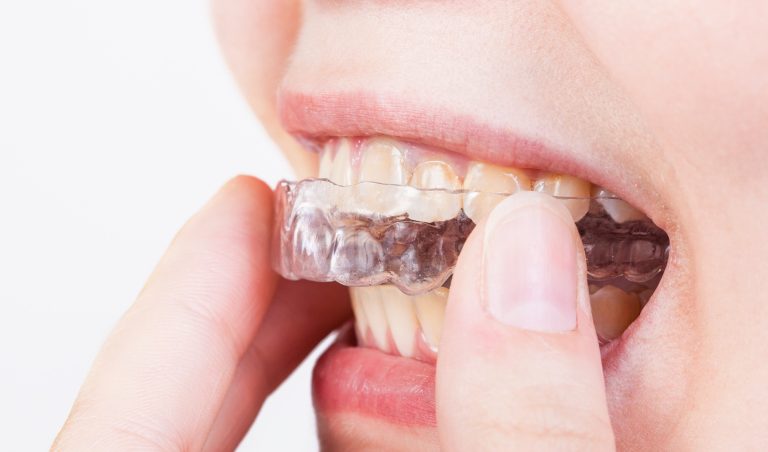
In the ever-evolving landscape of orthodontics, a profound transformation is underway – one that reimagines the way we approach teeth straightening. As technology and innovation intersect, a clear solution has emerged, offering patients a discreet and effective path to aligned smiles. This evolution  represents a monumental shift from traditional braces to an advanced clear aligner technology that is revolutionising the field.There are many options for clear aligners such as Invisalign in Weybridge.

The genesis of clear aligners: a new horizon

Clear aligners mark a significant departure from conventional orthodontic methods. Instead of brackets and wires, these aligners are made from a transparent, BPA-free plastic material, making them virtually invisible when worn. While the concept of clear aligners is relatively recent, the idea of improving smiles discreetly has ancient roots – a testament to the timeless desire for both dental health and aesthetics.

Innovation on the horizon: a technological leap

The heart of new age orthodontics lies in the fusion of advanced technology with orthodontic expertise. Here 3D imaging and computer-aided design have paved the way for the creation of clear aligners that are custom-fitted for each patient’s unique dental structure. This customisation ensures both comfort and efficacy, as the aligners exert gentle pressure to gradually move teeth into their desired positions.

The precision of these digital tools also allows orthodontists to visualise the entire treatment plan, showcasing the projected progress and final results. This predictive capability empowers patients to embark on their orthodontic journey with a clear understanding of the expected outcome.

The virtues of transparency: aligners as lifestyle enhancers

One of the most compelling aspects of such treatment is the transparency – both literal and metaphorical – offered by clear aligners. As these aligners are nearly invisible, wearers can confidently go about their daily lives without feeling self-conscious about their orthodontic treatment. This subtlety is particularly appealing to individuals who may have shied away from traditional braces due to aesthetic concerns.

Moreover, clear aligners can be easily removed for eating, brushing, and flossing. This convenience fosters a sense of normalcy, as wearers can maintain their regular oral hygiene routines and enjoy their favourite foods without restriction. The adaptability and comfort of clear aligners such as Invisalign, reflect the patient-centric approach.

The orthodontic journey: from frustration to empowerment

This is more than just a technical advancement – it signifies a shift in the orthodontic journey itself. Patients who once felt frustrated by the prospect of wearing noticeable braces now embark on a path of empowerment and choice. The discreet nature of clear aligners aligns with modern sensibilities, enabling patients to enhance their smiles without compromising their appearance.

This paradigm shift extends to the patient-professional relationship. Orthodontists become partners in the journey, collaborating with patients to tailor treatment plans and celebrate milestones. The shift from being a passive recipient of treatment to an active participant in the process fosters a sense of ownership and motivation.

The ripple effect: evolving beyond the smile

The principles of practice have a ripple effect that extends beyond the boundaries of a well-aligned smile. Research suggests that properly aligned teeth can contribute to better oral hygiene, reducing the risk of issues such as gum disease and tooth decay. Additionally, a confident smile can influence social interactions and self-esteem, contributing to overall well-being.

Furthermore, the adoption of advanced technology in orthodontics fosters an environment of continuous improvement. Orthodontists are inspired to explore new horizons, embrace innovations, and refine their practices to provide optimal patient care. This commitment to evolution benefits patients by ensuring that they receive the most effective and efficient treatments available.

A seamless lifestyle integration: aligners in the modern world

Central to the evolution of orthodontics is the seamless integration of clear aligners into the modern lifestyle. Unlike traditional braces, which can require adjustments and occasional tightening, clear aligners offer wearers a level of convenience that adapts to their daily routines.

Individuals can confidently participate in work meetings, social gatherings, and special occasions without feeling self-conscious. The transparent nature of aligners aligns with the desire for subtlety in appearance, allowing wearers to maintain their natural smiles throughout the treatment process.

Conclusion: a clear path to a brighter future

In conclusion, such an attitude toward orthodontics embodies the spirit of progress and patient-centred care. The transformation from traditional braces to advanced clear aligner technology reflects the field’s commitment to meeting patient needs and preferences. Beyond aesthetics, this evolution enhances comfort, convenience, and efficacy, allowing patients to achieve their desired smiles while maintaining their daily routines.

As evolving orthodontics pave the way for future advancements, patients can look forward to a journey that empowers them to take charge of their orthodontic experience. With clear aligners as the vessel of transformation, the future of orthodontics shines brightly, aligning with the desires and expectations of modern individuals seeking discreet, effective, and personalised solutions for their dental health.

Having teeth that do not look cohesive is a very common issue faced in all societies regardless of how advanced they are; while most people wish to address this in their early teen years, a lot of people avoid getting their teeth straightened and then have a change of heart because the misalignment may look too unappealing. Orthodontics have the ability to straighten you teeth using a range of treatments that are carried out by your orthodontist.

Orthodontic treatments are predominantly used to help improve the aesthetics and alignment of your teeth if they are visibly crooked, crowded, have gaps, or protrude. The treatments can also be used to correct issues such as overbites, underbites and crossbites which can occur due to poor dental genetics and extensive thumb sucking. If you suffer with any of the above mentioned issues and want to improve the appearance of your smile, your orthodontist Liverpool will be happy to help resolve them for you without the need to undergo any dental surgical procedures.

What are the benefits of visiting your orthodontist

Most people think that the only time you need to visit your orthodontist is when you require braces as a teenager, however there are many benefits to visiting your orthodontist as they are the best people to carry out the many forms of correctional treatments available such as correcting dental crowding, straightening your teeth, correcting problems with bites so that the front and back teeth meet evenly and reducing the risk of damaging any noticeable teeth.

Crowded and crooked teeth are very common issues people face; they can look very unsightly and may make it challenging for you to maintain clean teeth and gums thus increasing the risk of your teeth getting damaged. Improper positioning of your teeth and jaw can also have an effect on the shape of your face causing you to appear older than you are; this is just an added stress on top of having crowded teeth. Fortunately, your orthodontist can help avoid this through various preventative treatments such as braces and by inserting temporary screws into your jaw in order to attempt to realign them.

What orthodontic treatments can I get?

Orthodontic treatments are usually only carried out after all your milk teeth have fallen out and all the adult teeth have come through, so most treatments are usually not carried out on infants and young children. It is important to note that you can only proceed with orthodontic treatments provided that you have a good standard of oral hygiene; poor oral hygiene inhibits the treatment process for most orthodontic treatments and many orthodontic treatments can actually increase the risk of tooth decay and gum problems.

The most common form of orthodontic treatment involves the use of braces, both traditional metal braces and clear aligners, which focus on aligning the position of your teeth and closing any visible gaps. Braces apply slight pressure on your teeth to help them shift into the correct position over time and the treatment takes roughly one year to complete, however each individual case is different and is largely dependent on the severity of your misalignment. In extreme cases, your orthodontist may recommend that you wear special headgear or have temporary screws fixed into your jaw to support the braces, and sometimes you may even need to have some teeth surgically removed if they twist or overlap.

Another orthodontic treatment used to help improve the appearance of your teeth and gums that you may not have commonly heard of are functional appliances. Functional appliances are used to treat problems involving the positioning of your upper and lower jaw and teeth. If you suffer with this misalignment of your jaw, you may need to wear the functional appliances throughout the entire treatment as it will not work properly if they are not worn correctly. The only time you will be allowed to remove your functional appliance is when before eating or when they need to be cleaned.

Headgear is also a form of orthodontic treatment that is used to correct the positioning of your back teeth or to keep them in position while your front teeth are being treated. We appreciate that headgear is not attractive but fortunately, you only need to wear them in the evening and during the night when you sleep. It is important to note that you will be unable to eat or drink whilst wearing your headgear, so it is best to have an early dinner.

As with all dental treatments and procedures, it is fundamental that you discuss all details and questions you may have regarding the treatment with your orthodontist to determine whether the treatments are suitable for you and if they can help you achieve the results you want.

Would you love to have a smile that is flawless and radiates your beauty from the inside out? A radiant smile can boost your confidence and who doesn’t want that? If so, you might have come across the term ‘veneers’. Veneers are a popular cosmetic dental solution that can transform your smile and give you the look you’ve always wanted. Many dentists offer this cosmetic treatment and it is important that you find the right dentist for you by doing your homework and researching dental practices online by reviewing their websites.

Understanding veneers: composite bonding and porcelain veneers

Veneers come in two varieties: the first is porcelain veneers and the other is composite bonding. They are crafted from two primary materials: composite resin and porcelain.

Composite bonding

Composite resin veneers are made from a tooth-coloured material that is directly applied and shaped by the dentist. This procedure is often referred to as ‘composite bonding’. Composite veneers are a more cost-effective option compared to porcelain veneers, and the treatment can usually be completed in a single dental visit. They are suitable for addressing minor cosmetic issues, such as small chips, gaps, and discolourations. However, composite veneers are more prone to staining and may not be as durable as porcelain veneers.

Porcelain veneers

Porcelain veneers are known for their exceptional aesthetics and durability. These custom-made shells are fabricated in a dental laboratory and are bonded to the teeth using advanced adhesive techniques. Porcelain veneers can be used for many cosmetic issues, such as stained teeth, misalignments, and for changing the size and shape of your teeth. They are stain-resistant and mimic the natural translucency of teeth, resulting in a remarkably natural appearance.

Benefits of porcelain veneers and composite bonding

One of the benefits of porcelain veneers is that they provide a stunning, natural-looking smile that can greatly improve your self-confidence. If you brush, floss and visit the dentist regularly, porcelain veneers shouldn’t need to be replaced for years, making them a cost- effective treatment for your smile. Furthermore, unlike natural teeth, porcelain veneers are resistant to staining, helping you maintain a bright smile and they can be used to address various cosmetic concerns, achieving a comprehensive smile transformation.

Another benefit of composite bonding is that they are an affordable option. This may be desirable if you don’t have a major issue to treat anyway as well. Composite bonding also offers quick results. The application of composite veneers can often be completed in a single dental visit, providing immediate improvements. Minimal tooth reduction is also required with composite bonding, making it a less invasive option.

Issues addressed by veneers

Veneers are a versatile solution for addressing a range of dental imperfections, including stubborn stains and discolourations that don’t respond to teeth whitening treatments. These stains can be effectively concealed with veneers. Veneers can also be used to repair chips and cracks. Minor chips and cracks can be hidden, restoring the overall appearance of your teeth. Veneers can also be used to close gaps between teeth and create the illusion of a straighter smile. A further issue that can be treated is when teeth are uneven in size or shape. These can be transformed into a stunning smile with veneers. Veneers can also provide a protective layer for teeth with worn enamel, improving their appearance and functionality.

The importance of consulting a reputable dentist

Considering the significant impact veneers can have on your smile, it’s crucial to consult a skilled and experienced dentist who specialises in cosmetic dentistry, specifically veneer treatments. Look for a dentist with a proven track record of successful veneer cases. This might involve searching for dentists who have received prestigious awards for their veneer work or who have served as judges for such awards. A reputable dentist will guide you through the process, thoroughly evaluating your oral health, discussing your aesthetic goals, and recommending the most suitable veneer option for your needs. Their expertise will ensure that your veneers are not only beautiful, but also functional and long-lasting.

Overall, veneers in London can be a life-changing solution for achieving the smile you’ve always desired. Whether you opt for porcelain veneers or composite bonding, the benefits are clear: improved aesthetics, increased confidence, and a rejuvenated smile. Addressing a range of cosmetic concerns, veneers offer a versatile solution for various dental imperfections. When considering veneer treatment, it’s essential to consult a reputable dentist with a proven track record in cosmetic dentistry to ensure the best possible results. Your journey to a dazzling smile starts with a single consultation that can lead to a lifetime of confidence and happiness.

Taking care of your dental health is essential for a confident smile and overall well-being. If you’re considering orthodontic treatment to straighten your teeth, clear aligners can be a fantastic option. These discreet and effective solutions, such as Invisalign St John’s Wood, provide a comfortable and convenient alternative to traditional braces. In this article, we will explore the benefits of clear aligners and provide you with some helpful tips to ensure optimal results throughout your treatment journey.

Section Heading: What are Clear Aligners?

Clear aligners are custom-made trays that fit snugly over your teeth and gradually move them into their desired positions. This innovative orthodontic treatment offers several advantages over traditional braces. Unlike metal brackets and wires, clear aligners are virtually invisible, allowing you to transform your smile with confidence. They are also removable, making it easier to maintain good oral hygiene and enjoy your favorite foods without restrictions.

Section Heading: The Benefits of Clear Aligners

  1. Enhanced Aesthetics: Clear aligners provide a discreet way to achieve a straighter smile. With their transparent appearance, they blend seamlessly with your natural teeth, allowing you to undergo treatment without drawing unnecessary attention.
  2. Improved Comfort: Unlike braces, clear aligners are made from smooth plastic material. This eliminates the discomfort often associated with brackets and wires, providing a more comfortable orthodontic experience.
  3. Easy Maintenance: Clear aligners are removable, which means you can take them out when eating or brushing your teeth. This makes it simpler to maintain proper oral hygiene and keep your aligners clean.
  4. No Dietary Restrictions: Traditional braces can limit your food choices due to the risk of damaging brackets or wires. With clear aligners, you can remove them before eating, allowing you to enjoy all your favorite meals without any worries.
  5. Fewer Dental Visits: Clear aligners require fewer in-office visits compared to traditional braces. These convenient trays can be changed at home according to the timeline provided by your dentist, reducing the number of appointments necessary for adjustments.
  6. Quicker Treatment: Invisalign St John’s Wood typically offers faster treatment times compared to traditional braces. Depending on your individual case, you may achieve your desired results in a shorter duration.
  7. Predictable Outcomes: Using advanced technology, clear aligner treatment plans are carefully designed to achieve predictable and accurate tooth movements. This precision ensures that your teeth will move in the desired direction, providing optimal results.
  8. Reduced Discomfort: Clear aligners use gentle forces to gradually shift your teeth into their proper positions. This minimizes discomfort throughout the treatment process, allowing you to go about your daily activities with ease.
  9. Boosted Confidence: Having a straighter smile can significantly enhance your self-esteem. With clear aligners, you can feel more confident about your appearance throughout your orthodontic journey.

Section Heading: Tips for Optimal Results

  1. Wear Your Aligners as Directed: To achieve the best results, it’s crucial to wear your clear aligners as recommended by your dentist. Stick to the prescribed schedule and keep them in for the designated duration each day.
  2. Proper Oral Hygiene: Maintaining good oral hygiene is essential to avoid plaque buildup and tooth decay during your treatment. Brush your teeth thoroughly twice a day and floss regularly. Remember to clean your aligners gently to prevent bacteria growth.
  3. Follow Dietary Guidelines: While clear aligners allow you to enjoy most foods, it’s advised to remove them before consuming anything other than water. Avoid sticky or hard-to-chew foods to prevent damaging your aligners or teeth.
  4. Keep Your Aligners Clean: Rinse your aligners with lukewarm water every time you remove them. Use a soft-bristle toothbrush and a mild, non-abrasive cleanser to brush them gently. Avoid using hot water, as it can distort the shape of your aligners.
  5. Store Your Aligners Properly: When not wearing your clear aligners, store them in their designated case. This will protect them from loss or damage and keep them hygienic.
  6. Maintain Regular Dental Check-ups: Even during orthodontic treatment, it’s essential to see your dentist for routine check-ups. They will monitor your progress, address any concerns, and ensure that your teeth and gums remain healthy throughout the process.
  7. Follow Instructions for Tray Changes: As instructed by your dental professional, change your aligner trays according to the prescribed timeline. This ensures that your teeth continue to move in the right direction as planned.
  8. Avoid Smoking and Excessive Drinking: Tobacco and excessive alcohol consumption can stain your aligners and potentially compromise your oral health. It’s best to avoid these habits for the duration of your treatment.
  9. Stay Positive and Patient: Orthodontic treatment takes time, and each individual’s progress may vary. Stay committed to your treatment plan, and remember that the end result will be worth it – a beautiful, confident smile.

In Conclusion

Clear aligners offer an incredible opportunity to achieve a straighter smile without the drawbacks associated with traditional braces. By following these tips and maintaining regular communication with your dental professional, you can unlock the full benefits of Invisalign St John’s Wood and enjoy a radiant smile that boosts your self-esteem. Remember, your dental health is a lifelong investment, so embrace the journey towards a healthier, more confident you!

In recent years, invisible aligners have gained popularity as a convenient and less conspicuous alternative to traditional braces for teeth straightening. These clear, removable trays promise to provide effective orthodontic treatment with minimal disruption to one’s daily life. However, like any medical treatment, invisible aligners may not always yield the desired results for every individual. It’s essential to be vigilant and aware of signs that the aligners might not be working as intended.

In this article, 5 signs that indicate invisible aligners may not be producing the desired outcome will be explored, so you can know when you may need to take action.

No visible progress

One of the most evident signs that invisible aligners might not be working as expected is the lack of visible progress in the alignment of your teeth. While orthodontic treatment does take time, there should be some noticeable changes after a few months of consistent wear. If you find that your teeth appear virtually unchanged despite following the treatment plan meticulously, it could be an indication that the aligners are not effectively moving your teeth into the desired positions.

It’s essential to regularly compare your teeth’s current state with the initial condition documented by your orthodontist. If the difference is minimal or nonexistent, it’s time to discuss your concerns with your orthodontist. They might need to reassess your treatment plan and make necessary adjustments.

Discomfort persists

Many people are surprised to learn that when they have aligners like Invisalign London, their teeth begin to hurt. It is, unfortunately, part of the process, and it is the job of the aligners to move the teeth, causing the soreness.

So, some level of discomfort is expected when you first start wearing invisible aligners or switch to a new set. This discomfort usually stems from the pressure exerted on your teeth as they shift positions. However, if the discomfort persists beyond the initial adjustment period and is particularly intense, it could indicate that the aligners are not fitting properly or that the treatment plan needs modification.

Continuous discomfort may suggest that the aligners are not exerting the necessary forces to move your teeth effectively or that they are applying too much, which can cause issues with your teeth, your roots and your jaw. It’s crucial to communicate with your orthodontist about the discomfort you’re experiencing. They can assess the fit of the aligners and make any needed adjustments to ensure that the treatment is on track.

Teeth misalignment

Invisible aligners are designed to correct a range of orthodontic issues, from minor crowding to more severe misalignments. However, if you notice that your teeth are becoming more misaligned or overlapping as you progress through the treatment, it’s a definite sign that the aligners are not working as intended.

Orthodontic treatment requires careful planning and monitoring to ensure that each step of the process is leading towards the desired outcome. If your teeth are moving in the wrong direction, it could be due to a misjudgment in the treatment plan or an issue with the aligners themselves. Regular check-ups with your orthodontist are vital to catch and address any misalignment issues promptly.

Treatment timeline extends significantly

Invisible aligner treatments typically come with a projected timeline outlining how long each set of aligners should be worn before moving on to the next set. If you find that your treatment timeline is consistently extending beyond the originally estimated duration, it’s a clear indicator that the aligners might not be working as effectively as anticipated.

Prolonged treatment timelines could be the result of various factors, such as slow tooth movement or inadequate aligner fit. Your orthodontist should be closely monitoring your progress and adjusting the treatment plan if necessary. If you notice that your treatment is taking significantly longer than expected, it’s essential to discuss your concerns with your orthodontist to prevent further delays.

Visible gaps or bite issues

In some cases, invisible aligners might inadvertently create gaps between your teeth or cause bite problems. While minor gaps can be a normal part of the alignment process, if you notice significant spaces developing between your teeth or if your bite feels uneven or uncomfortable, it’s a sign that the aligners may not be achieving the desired results, and you need to talk to your dentist or provider.

Gaps or bite problems could indicate that the aligners are not fitting properly or that the treatment plan needs adjustment. It’s crucial to communicate any concerns about your bite or visible gaps to your orthodontist. They can assess the situation and make the necessary modifications to ensure that your treatment is progressing as intended.

Tooth decay and gum disease are the main causes of tooth loss in Sydney and all of Australia. If you are suffering from cavities, tooth decay, or gum disease, then it is important that you speak to your dentist sooner rather than later so that they can prevent irreversible damage and restore the function and appearance of your teeth.

Cavities, tooth decay, and gum disease occur as a result of poor dental hygiene and avoiding the dentist. You need to maintain excellent dental hygiene at home which means brushing your teeth at least twice a day, flossing between your teeth at least once a day, and using a mouthwash where necessary to remove excess bacteria and food particles from your mouth. You need to maintain a healthy lifestyle which means enjoying healthy food and drink, avoiding sugary snacks and drinks, avoiding poor lifestyle choices such as smoking, excessive drinking and drug abuse, and also visiting the dentist at least once every six months; but more often where necessary.  As well as the dentist you should visit the hygienist at least once every six months so that they can make sure that your teeth and gums are clean and healthy and free of any signs of decay or disease. If you have avoided the dentist for a long period of time or despite good dental hygiene and visiting the dentist, you are more prone to developing cavities, tooth decay or being affected by gum disease as a result of genetics or other underlying issues for example medical conditions, then you may have irreversible damage which either needs maintenance or you may need to undergo a tooth extraction.

Dental implants Sydney CBD

If you lose a tooth, or you need to have a tooth extraction, then you need to speak to your dentist and find out about dental implants Sydney CBD. Dental implants Sydney CBD are an excellent method of replacing missing teeth and should be done sooner rather than later to avoid the many complications that tooth loss can have on your dental health, your mental health, and your well-being. Tooth loss affects your remaining teeth and the health of your gums and jawbone. The rest of your teeth can become crooked and wonky as they try to fill the gap left by the missing tooth. The teeth can become weaker, especially the adjacent teeth, as there is a loss of support and your gums and jawbone that were holding the tooth in place can become decayed because they no longer have a function. You may notice more of your teeth becoming loose in a very short amount of time. Missing teeth also affects your ability to bite and chew your food, which means you may not be able to eat your favourite foods anymore.

Depending on which teeth you are missing, tooth loss can also affect your speech and this can be embarrassing or uncomfortable. Another major consequence of missing teeth is that it has a significant impact on the appearance of your smile. This can affect your self-confidence and your self-esteem. It can affect the impression you make on other people when they meet you, and it can cause social anxiety, sadness, and even depression. If you want to restore the appearance of your smile and the function of your mouth, you need to speak to your dentist and find out about dental implants Sydney CBD as soon as possible.

Dental implant surgery

If you avoid the dentist, then gum recession and bone decay can make it more difficult for you to replace your missing teeth. You will need to undergo a bone graft and a gum graft that can lengthen the process. The process itself is an invasive surgical procedure. Dental implants Sydney CBD are small titanium implants that are inserted directly into the bone socket of the missing tooth. Gum is stitched over the implant so that the implant can heal. The healing process can take 4 to 6 months depending on your individual health and well-being. Once the implant is in place, then it is fixed with a crown, partial dentures, or full dentures, depending on how many teeth you are replacing. You may need more than one dental implant if you have multiple missing teeth. If you have up to 3 adjacent missing teeth, then you may only need one implant. Your dentist will examine your teeth, gums and bone and take x-rays and photographs where necessary and they will plan your surgery accordingly. Speak to your dentist sooner rather than later and avoid the complications of tooth loss and enjoy the benefits of replacing missing teeth.

Disclaimer

Any surgical or invasive procedure carries risks. Before proceeding you should seek a second opinion from an appropriately qualified health practitioner.

Statistics show that adults in Australia have an average of 4.5 missing teeth and, although tooth loss is not a natural part of the ageing process, here in Australia it is very common with more than a third of senior patients over the age of 75 suffering from complete tooth loss.

Periodontal disease is one of the biggest threats to dental health.

What is periodontal disease?

Periodontal disease is a disease of the gums or the supporting structures of the teeth and as mentioned, is the most common cause of tooth loss in Australia. Periodontal disease mainly occurs as a result of poor dental hygiene and avoiding the dentist. It is important that you brush your teeth at least twice a day, floss at least once, maintain a healthy diet, avoid unhealthy lifestyle choices, such as smoking and visit the dentist on a regular basis. It is important that you visit your dentist at least once every six months, as well as your hygienist, to make sure that your teeth are clean and healthy and to remove excess plaque and tartar from the surface of your teeth and below the gum line where necessary.

Bacteria in the plaque and tartar release acids and toxins which inflame and damage your gums. Inflammation causes your body to send more blood to the affected area. This, in turn, can cause your gums to bleed when you brush your teeth as well as redness, swelling, and soreness. Over time the gums start coming away from your teeth, creating small pockets where more plaque and bacteria can build up. If you avoid the dentist, then these pockets may deepen, eventually weakening the bones and tissues that support and protect your teeth. Your teeth will become loose and eventually fall out.

What is a dental implant?

If you have lost a tooth as a result of periodontal disease, then you need to speak to your dentist and find out about replacing it sooner rather than later. One of the most popular methods of tooth replacement is with a dental implant Melbourne. A dental implant Melbourne is a small, titanium screw that is inserted into the bone socket of your missing tooth and acts as a replacement tooth root. A dental implant Melbourne is strong, noncorrosive and biocompatible which means that it will integrate with your body without causing an adverse reaction. Titanium causes osseointegration to occur, which means that when the metal screw is inserted into your jaw, it will encourage osteoblasts which are bone forming cells to form around it and lock it securely in place. This screw can then only be removed by fracturing the bone. Therefore it becomes a permanent fixture in your mouth, which means it is ideal for tooth replacement. The implant itself acts as a foundation for the replacement tooth which can be a crown, a set of partial dentures or a set of full dentures, depending on how many teeth you are missing and need replacing. With a strong, fixed foundation your crown or dentures will look and feel like your natural teeth. If this sounds like what you are looking for then speak to your dentist and find out if you are eligible for a dental implant.

Dental implants for patients with periodontal disease

Dental implants have a success rate of 98%; however, different underlying conditions can affect this percentage. Therefore, your Dentist will need to make an informed decision of whether or not dental implants are suitable for you. Periodontal disease must be treated before you can undergo dental implant surgery. Firstly, your teeth and gums will need to be cleaned thoroughly by undergoing deep scaling and root planing with your hygienist. This removes bacteria, plaque, and tartar from your teeth, below your gum line, and from the roots of your teeth as well. You may require a course of antibiotics at the same time or after your procedure. After this, you may require a gum graft which is used to strengthen receding gums and support your teeth successfully. Once the Dentist is happy that periodontal disease is under control, you can prepare for dental implant surgery. Once you have undergone the surgery it is essential that you maintain excellent dental hygiene and visit the dentist on a regular basis to make sure that your gums remain strong and healthy so that your replacement teeth can last for the rest of your life. Speak to your dentist today to find out more about treating periodontal disease and whether or not you can replace your missing teeth with dental implants. Dental implants are highly beneficial and although it may seem like a lengthy process, it is worth the effort.

Disclaimer

Any surgical or invasive procedure carries risks. Before proceeding you should seek a second opinion from an appropriately qualified health practitioner.

Mental health issues affect millions of people worldwide, and finding effective treatments can be a challenging journey. While traditional therapies and medications have been valuable tools in the fight against conditions like depression, anxiety, and obsessive-compulsive disorder (OCD), they don’t always provide the relief individuals desperately need. In this article, we’ll explore Deep TMS therapy, a cutting-edge approach that’s changing the landscape of mental health treatment.

Understanding deep TMS therapy

Deep Transcranial Magnetic Stimulation, or Deep TMS, is a revolutionary therapy that harnesses the power of magnetic fields to stimulate specific regions of the brain. Unlike traditional TMS, which targets surface areas, Deep TMS reaches deeper brain structures, making it a promising option for a wide range of mental health conditions.

How it works?

Deep TMS therapy involves the use of a specially designed helmet equipped with electromagnetic coils. The patient sits comfortably while the helmet emits magnetic pulses that penetrate the skull and reach the targeted brain areas. These pulses stimulate neural activity, encouraging the brain to rebalance itself.

Why deep TMS therapy matters?

One of the key advantages of Deep TMS therapy is its non-invasive nature. Unlike invasive procedures or medication regimens that may come with side effects, Deep TMS carries minimal risk and is well-tolerated by most patients. This makes it a viable option for individuals who have not responded to conventional treatments or wish to avoid medication.

Deep TMS therapy has shown significant promise in treating various mental health conditions, including:

Depression: Deep TMS has been FDA-approved for the treatment of major depressive disorder (MDD). By stimulating brain regions associated with mood regulation, this therapy offers a lifeline to those who have struggled with persistent sadness and hopelessness.

Anxiety: Anxiety disorders are among the most common mental health issues worldwide. Deep TMS has demonstrated effectiveness in reducing anxiety symptoms, offering a path to a more peaceful mind.

Obsessive-Compulsive Disorder (OCD): For individuals plagued by intrusive thoughts and compulsive behaviors, Deep TMS provides hope for managing and alleviating symptoms.

The future of mental health care

Deep TMS therapy is more than just a treatment; it represents a significant leap forward in the world of mental health care. Its non-invasive nature, minimal side effects, and remarkable effectiveness are opening doors for individuals who have felt trapped by their mental health conditions.

Personalized treatment plans

One of the strengths of Deep TMS therapy is its adaptability. Clinicians can tailor treatment plans to suit each patient’s unique needs. This personalized approach ensures that individuals receive the most effective care possible, promoting a higher chance of success in managing their mental health.

Reducing the stigma

Mental health conditions often carry a stigma that can deter individuals from seeking help. Deep TMS therapy’s non-pharmacological approach and high success rates may encourage more people to take the first step toward treatment, reducing the stigma surrounding mental health.

Conclusion

Deep TMS therapy is a beacon of hope for those navigating the complex world of mental health. With its non-invasive nature, minimal side effects, and impressive results, it has the potential to transform lives.

Are you going to get bone grafting surgery? Are you sure you are ready for it? If not, then here are some tips for you to prepare yourself for bone grafting from a Cumming, GA pediatric orthodontist.

Understanding the Need for Bone Grafting: Reasons and Benefits 

Bone grafting is a procedure used to augment or rebuild bone in the jaw before dental implant placement. Some usual reasons are:

  • Tooth loss:

 When a tooth is missing, the bone supporting it begins to shrink or weaken over time due to the lack of stimulation that comes from using that tooth for chewing and biting.

  • Periodontal disease:

Advanced gum disease can lead to the destruction of the bone and soft tissues around the teeth.

  • Dental trauma or injury:

Injuries or accidents can result in bone loss and may necessitate bone grafting before implant placement.

  • Congenital conditions

Some people have congenital diseases that result in reduced jawbone density or structure.

The patient’s oral health can be improved by augmenting the jawbone with a graft.

Do’s and don’ts before grafting surgery:

  • Do not eat or drink anything after midnight.
  •  Wear loose and comfy clothes on the day of treatment; do not worry about fashion for at least one day.
  • Relieve yourself in the restroom before the treatment so you can get it done without worrying about it.
  •  If you wear contact lenses, please remove them. It’s much safer that way. Remove any acrylic fingernails or nail polish. 
  • Many surgeons are hesitant to perform surgery if you are sick or not feeling well. So, if you are feeling under the weather, you should consider rescheduling your appointment, as it’s best for your mental and physical health.

What should I do after the bone grafting surgery?

After a bone grafting procedure, proper postoperative care is crucial. So, you should follow the given tips for a smooth recovery:

  • Take prescribed painkillers as per your need to remain comfortable during the initial days.
  • If you are facing swelling problems, apply ice packs wrapped in a cloth to the affected area at 20-minute intervals. 
  • Eat only soft foods for the first few days following surgery; gradually, you can eat hard food as it gets comfortable.
  • Maintain constant oral hygiene by gently brushing and using an antiseptic mouthwash to keep the surgical area clean and free of germs and cavities.
  • Prioritize rest and avoid strenuous activities for at least one week after the procedure. 
  • Do not forget to attend scheduled postoperative appointments with your oral surgeon to ensure proper healing.

Speak to your doctor today!

Talk with your doctor about all your concerns and clear up all your doubts about the upcoming surgery for a safe operation.