
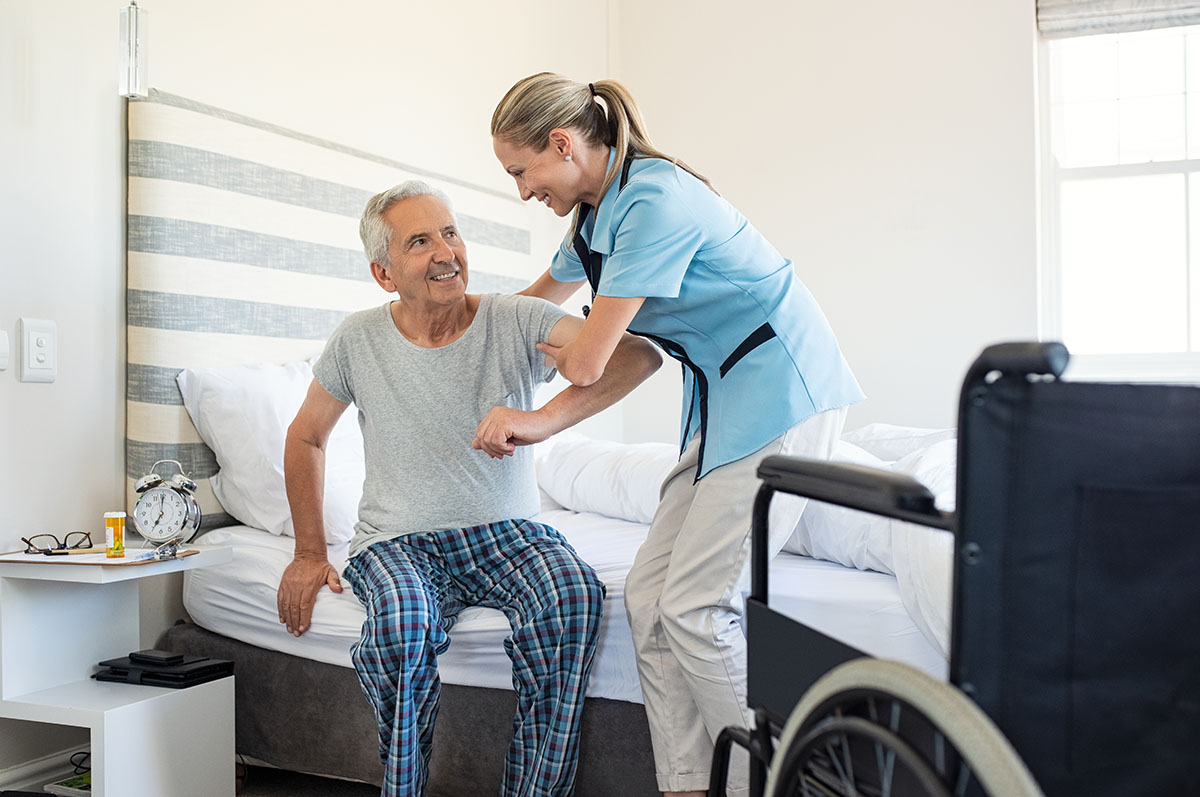
The landscape of nursing homes is rapidly evolving with the integration of advanced technologies aimed at enhancing the quality of care for residents. These innovations are not only improving health outcomes but also providing a more personalized and efficient care experience.
Adoption of Telemedicine Services
Telemedicine services have become a cornerstone in modern healthcare, particularly in nursing homes. They enable real-time communication between residents and healthcare providers, facilitating:
- Remote consultations and check-ups
- Swift medical decision-making
- Access to specialists without the need for travel
This technology ensures that residents receive timely and appropriate medical attention, thereby improving their overall health and well-being.
Implementing Smart Home Features
Smart home technology is revolutionizing the way nursing homes operate. By implementing features such as:
- Automated lighting and temperature control
- Voice-activated systems for communication and entertainment
- Fall detection and alert systems
nursing homes can create a safer and more comfortable environment for their residents. These smart features not only enhance the quality of life but also assist in the daily management of the facility.
Wearable Health Monitoring Devices
Wearable devices are at the forefront of health monitoring, providing continuous tracking of vital signs and physical activity. They offer numerous benefits, including:
- Early detection of potential health issues
- Encouraging residents to stay active
- Allowing for personalized care adjustments
By embracing these wearable technologies, nursing homes can proactively manage the health of their residents and tailor care to individual needs.
Revolutionizing Facilities with Design Innovations
The landscape of nursing homes is undergoing a significant transformation, with design innovations at the forefront of this change. These advancements aim to enhance the quality of life for residents by creating spaces that are not only functional but also nurturing and comfortable.
Creating Homelike Environments
Nursing homes are moving away from the institutional feel and towards creating more homelike environments. This shift involves the use of warm colors, comfortable furniture, and personal touches that allow residents to feel at home. Spaces are designed to be welcoming and familiar, helping to ease the transition for new residents and improve the overall living experience.
Incorporating Green Spaces for Wellbeing
The inclusion of green spaces within nursing home facilities is a trend gaining momentum. Gardens, courtyards, and even small indoor plantings can have a profound impact on residents’ wellbeing. These spaces provide opportunities for relaxation, socialization, and engagement with nature, which can improve mood and cognitive function.
Facility Layouts Promoting Social Interaction
Modern nursing home designs are increasingly focused on layouts that promote social interaction among residents. Common areas are strategically placed to encourage gatherings, and activities are designed to foster community. By facilitating social connections, these layouts help combat loneliness and promote a sense of belonging among residents.
The integration of these design innovations is a testament to the evolving nature of elder care, where the focus is shifting from mere survival to thriving. As nursing homes continue to adapt, they become places where the elderly can not only receive care but also live fulfilling lives.
Fostering a Person-Centered Care Approach
Customized Care Plans
In the realm of nursing homes, the shift towards customized care plans is pivotal. These plans are tailored to meet the individual needs and preferences of each resident, taking into account their medical history, lifestyle, and personal interests. By doing so, nursing homes can ensure that care is not only effective but also respectful and responsive to the unique circumstances of each senior.
Empowering Residents through Choice
Empowerment is a key element in person-centered care. Nursing homes are increasingly recognizing the importance of offering residents choices in their daily lives, from meal options to activity participation. This empowerment fosters a sense of autonomy and dignity, which is crucial for the wellbeing of the elderly.
Training Staff in Holistic Care Practices
To truly embrace a person-centered approach, staff must be trained in holistic care practices. This involves understanding the emotional, social, and psychological needs of residents, in addition to their physical health. Training programs are being developed to equip caregivers with the skills necessary to deliver compassionate and comprehensive care, ensuring that the NHAC‘s mission to protect seniors from abuse is upheld within the nursing home environment.
Expanding Services Beyond Traditional Care
The landscape of nursing homes is evolving to encompass a broader spectrum of services that extend well beyond the traditional scope of care. This expansion is a response to the growing recognition that the needs of the elderly are multifaceted and that enhancing their quality of life requires a more holistic approach.
Offering Continuing Education Programs
Nursing homes are increasingly recognizing the importance of mental stimulation and lifelong learning for their residents. To address this, many facilities are now offering a variety of continuing education programs. These may include:
- Computer and technology classes
- Art and music workshops
- Language learning sessions
- History and literature discussion groups
These programs not only keep the mind active but also provide a sense of purpose and community among residents.
Integrating Community and Family Engagement
To create a more inclusive environment, nursing homes are fostering stronger connections with the community and encouraging family involvement. Initiatives may involve:
- Volunteer programs that bring community members into the facility
- Family nights and intergenerational activities
- Partnerships with local schools and organizations
Such engagement helps to combat the isolation often felt by nursing home residents and promotes a sense of belonging.
Providing Access to Alternative Therapies
In recognition of the diverse health needs of the elderly, nursing homes are broadening their care offerings to include alternative therapies. These can range from:
- Acupuncture and massage
- Aromatherapy and music therapy
- Pet therapy and horticultural activities
By incorporating these therapies, nursing homes aim to address not just the physical, but also the emotional and spiritual well-being of their residents.
Addressing Workforce Challenges and Opportunities
The nursing home industry faces significant workforce challenges, including high turnover rates and staffing shortages. Addressing these issues is critical to maintaining high standards of care and ensuring the well-being of residents.
Strategies for Staff Retention and Satisfaction
- Competitive compensation and benefits packages to attract and retain talent
- Creating a supportive work environment that values employee feedback and promotes work-life balance
- Offering career advancement opportunities through education and training programs
Investing in Workforce Development
- Implementing comprehensive onboarding programs to equip new hires with the necessary skills
- Providing continuing education and specialization opportunities to foster professional growth
- Encouraging mentorship and leadership development among experienced staff
Leveraging Technology for Staff Efficiency
- Utilizing staff scheduling software to optimize shift planning and reduce burnout
- Adopting electronic health records (EHRs) to streamline documentation and improve care coordination
- Integrating communication tools to facilitate better teamwork and resident care
The future of nursing homes depends on the ability to create a sustainable and supportive environment for the workforce. By implementing these strategies, facilities can improve staff satisfaction, reduce turnover, and ultimately enhance the quality of care provided to residents.

Comments are closed.