Tag

oral health

Browsing

Key Takeaways

●      Wisdom teeth do not always need removal, but pain, swelling, and gum issues may signal a problem.

●      A dentist may recommend either a simple extraction or surgery, depending on the tooth position.

●      Recovery usually includes mild swelling and soreness that improve within several days.

●      Early assessment helps prevent infections, crowding, and long-term oral health complications.

Introduction

Wisdom teeth have a funny reputation. They’re often called a rite of passage into adulthood, but for many people, they arrive with far less charm than expected. Instead of wisdom, they can bring swelling, jaw discomfort, and that nagging pain at the back of the mouth that seems to appear at the worst possible moment.

Many adults seeking wisdom tooth surgery in Singapore wonder about the process. Will it hurt? How long will recovery take? Is surgery always necessary?

Knowing what happens before and after treatment can ease some of those worries. A little preparation often turns an intimidating experience into something much more manageable.

Information about treatment planning, extraction methods, and recovery guidance commonly follows the clinical approach used by dental providers such as Frank Dental, where evaluation and patient support remain central to care.

Before Treatment: Why That Tooth May Need To Go

Not every wisdom tooth needs removal. Some erupt normally and settle into place without causing trouble. Others are a different story entirely.

A dentist may recommend removal when symptoms begin to interfere with daily life. Persistent pain or swelling near the jaw often becomes one of the first warning signs. Some people notice inflamed gums that bleed easily, while others experience bad breath that does not seem to disappear despite good brushing habits. Difficulty opening the mouth or pressure against neighbouring teeth can also indicate that something is not quite right.

Think of it like a car trying to fit into an already packed parking lot. There simply is not enough room. The result can be crowding, trapped bacteria, or infection.

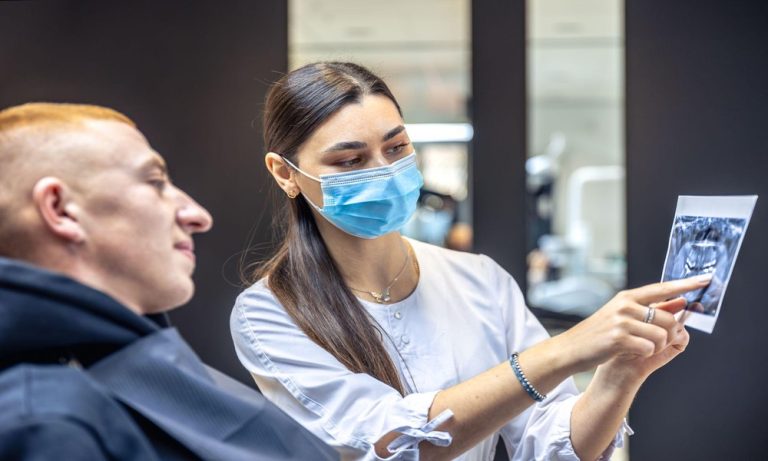
Before treatment begins, dentists typically perform an examination and digital X-rays to assess the tooth position and surrounding structures. This helps determine whether a simple extraction is suitable or whether surgery is required.

For patients considering wisdom tooth extraction in Singapore, this assessment stage matters because every case is different. A fully erupted tooth behaves very differently from an impacted one hidden beneath the gum line.

What Happens During Surgery? It Sounds Scarier Than It Is

The word “surgery” can make people uneasy. Understandably so. Yet wisdom tooth procedures are usually straightforward.

Simple extraction is commonly used when the tooth is visible and accessible. Surgical removal is generally needed for impacted teeth or teeth growing at awkward angles. During surgical treatment, a small opening may be made in the gum to reach the tooth. In some cases, the tooth may be divided into smaller sections to make removal easier.

The good news? Local anaesthetic numbs the area, so pain during the procedure is minimal.

Patients often describe the feeling as pressure rather than pain. Oddly enough, anticipation sometimes feels more uncomfortable than the treatment itself. Waiting can play tricks on the mind.

Another practical consideration in Singapore involves treatment costs. Certain surgical cases may qualify for Medisave claims, helping patients manage expenses more comfortably.

After Surgery: The Recovery Stage Matters More Than People Think

Once treatment ends, the body starts its repair work. Healing rarely happens overnight, but recovery is usually smoother than many expect.

Some patients notice mild swelling around the cheeks, while others experience slight jaw stiffness or tenderness near the treatment area. Light bleeding during the first day can also occur and is generally part of the normal healing process.

For the first couple of days, softer foods often become unexpectedly comforting. Porridge, yoghurt, mashed potatoes, and soup suddenly move to the top of the menu. Small things can feel surprisingly important during recovery.

There are also a few habits worth avoiding during the healing period. Drinking through straws, smoking, heavy physical activity, or aggressive rinsing may disturb the healing process and increase the risk of complications such as dry socket.

Most people begin feeling noticeably better within several days, although more complex procedures can require more recovery time. If discomfort becomes worse rather than improving, or signs of infection appear, contacting the dental clinic promptly is recommended.

For many patients considering wisdom tooth extraction in Singapore, proper aftercare guidance and follow-up support can make the recovery journey feel far less stressful.

Conclusion

Wisdom tooth treatment often sounds more intimidating than it actually is. Understanding what happens before and after treatment removes much of the uncertainty. From consultation and imaging to recovery and aftercare, each step serves an important role in protecting long-term oral health.

Addressing problematic wisdom teeth early can help prevent future pain, infection, and damage to surrounding teeth. A proper assessment also determines whether a simple extraction or surgery is the most suitable approach.

Contact Frank Dental today to learn more or book an appointment for professional wisdom tooth care.


Key Takeaways

  • Modern dental restoration focuses on mimicking the natural function of your jaw while maintaining facial structure.
  • Consulting a professional located at a central hub ensures you receive consistent care throughout the recovery process.
  • Proper maintenance of your oral hygiene determines the endurance and success of any restorative procedure.

Introduction

Selecting a reliable solution for missing teeth often involves weighing various clinical options against your personal lifestyle. Many people find that gaps in their smile affect more than just their appearance; they can impact how you speak and eat every day. If you are looking for a permanent fix, researching a dental implant in Singapore provides a clear path toward restoring your confidence through a procedure that integrates directly with the bone. This method relies on a small titanium post that acts as a root, providing a sturdy foundation for a replacement tooth that looks and feels remarkably natural.

See the Clinical Process

The journey toward a restored smile begins with a thorough assessment of your bone density and overall gum health. A practitioner will typically take detailed scans to ensure there is enough support for the titanium post, as this stability is vital for the success of the procedure. Once the site is prepared, the placement occurs in stages to allow the body to heal and bond with the material. This biological integration is what separates this method from removable alternatives, as it prevents the bone loss often associated with missing teeth. By choosing a dedicated dentist in Orchard, you can manage these appointments conveniently within a central location that offers comprehensive diagnostic tools.

Planning for these sessions involves understanding that the timeline is tailored to your body’s unique ability to regenerate tissue around the site. Your practitioner might suggest specific dietary adjustments or the use of specialised mouthwashes to keep the area sterile while the primary integration occurs. Because the jawbone needs time to grow around the screw, patience during the initial months is essential to ensure the final result is as stable as a natural root. This methodical approach ensures that the eventual crown can withstand the significant pressure generated by regular chewing.

Be Mindful of Post-Procedure Maintenance

Success after the initial placement depends heavily on how well you manage your oral environment during the healing phase. At the same time, the replacement tooth cannot decay like enamel, and the surrounding tissue remains susceptible to inflammation if neglected. Consistent brushing and flossing are non-negotiable habits that protect the area from bacteria that might compromise the stability of the foundation. Regular check-ups with a dentist in Orchard, allow the practitioner to monitor the site and ensure the crown remains properly aligned with your bite. Avoiding excessively hard foods during the early months helps the integration process remain undisturbed and allows the tissue to settle properly.

Focus on Lifestyle Integration

Adapting to a new dental fixture is usually seamless, provided you follow the specific guidance offered by your clinical team. Because these replacements function like natural teeth, they do not require special cleaning solutions or messy adhesives. You may find that your speech clarity improves and your ability to enjoy a diverse diet returns without the worry of a bridge slipping. Engaging with a teeth implant in Singapore specialist allows you to ask specific questions about your recovery timeline and what to expect during the transition. Most individuals find that once the final crown is attached, they quickly forget which tooth was the replacement because it fits so naturally into their daily routine.

Conclusion

Investing in your oral health through restorative procedures offers a reliable way to maintain your quality of life as you age. By understanding the importance of bone health and committed hygiene, you can ensure that your dental work remains functional for many years. Seeking advice from a qualified dentist in Orchard ensures that you have access to professional guidance tailored to your specific needs. Taking the first step toward a complete smile is a decision that benefits your overall well-being and social confidence.

Contact Elite Dental Group to schedule your consultation and discuss your options for a dental implant in Singapore.

Key Takeaways

  • The first month with braces focuses on adjustment, discomfort management, and dietary changes
  • Months two to three introduce visible movement and stricter oral hygiene routines
  • Mid-treatment requires consistency with appointments at a dental clinic in Orchard to avoid delays
  • Later months focus on refinement, minor corrections, and stabilisation
  • Retainers and post-treatment care are essential to maintain results

Introduction

Starting braces is not a single event but a structured process that unfolds over months. Each stage brings specific changes, expectations, and responsibilities. Patients often underestimate how routine adjustments, oral care, and follow-ups influence outcomes. Knowing the month-by-month progression helps set realistic expectations and reduces the risk of non-compliance. Whether treatment is handled by a general dentist or an orthodontist at a dental clinic in Orchard, the timeline follows a predictable clinical pattern focused on gradual, controlled tooth movement.

Month 1: Adjustment and Initial Discomfort

The first month is defined by adaptation. Once braces are fitted, patients typically experience soreness, pressure, and difficulty eating solid foods. Soft diets are recommended during the first week, and minor speech changes may occur. Oral hygiene becomes more time-consuming, requiring proper brushing techniques and possibly interdental brushes. Patients, at this stage, also learn what foods to avoid to prevent bracket damage. Regular communication with the dental clinic is critical, especially if discomfort feels excessive or appliances loosen. Compliance during this phase sets the tone for the rest of the treatment.

Months 2-3: Early Movement Becomes Noticeable

The initial discomfort reduces by the second and third months, and patients begin to notice slight alignment changes. This phase is where motivation typically improves, as visible progress confirms that the treatment is working. Follow-up visits are scheduled to tighten wires or replace elastics, which may cause temporary discomfort again. Oral hygiene becomes more disciplined, as plaque accumulation around brackets can lead to staining or gum issues. Patients undergoing braces are often reminded that consistency in cleaning and attendance directly impacts the overall timeline.

Months 4-6: Mid-Treatment Consistency

Alignment improves more significantly during this phase, but progress depends heavily on routine maintenance. Missed appointments or poor hygiene can slow down movement or lead to complications. Dentists at a dental clinic typically make incremental adjustments to ensure teeth shift in the correct direction without causing damage to roots or surrounding structures. Patients may also begin using elastics more frequently to correct bite alignment. Treatment, at this point, feels less intrusive, but discipline must remain consistent to avoid extending the duration.

Months 7-9: Refinement Phase

The refinement stage focuses on correcting smaller misalignments and improving bite precision. Tooth movement becomes more targeted rather than broad adjustments. Patients may not see dramatic visual changes during this period, but these refinements are critical for long-term stability. Those with braces in Singapore may feel that progress has slowed, but this phase ensures functional and aesthetic alignment. Regular reviews at a dental clinic help identify minor corrections that need attention before finalising treatment.

Months 10-12: Final Adjustments and Stabilisation

The focus in the final months shifts to stabilising results and preparing for brace removal. Dentists check alignment, spacing, and bite to ensure all treatment goals are met. Minor tweaks are common, and patients are often advised on post-treatment expectations. Oral hygiene habits should be well established by this stage. Additionally, those completing braces will be prepared for the transition to retainers, which play a critical role in preventing relapse.

Conclusion

A month-by-month approach highlights that orthodontic treatment is cumulative and dependent on patient cooperation. From initial discomfort to final refinement, each stage has a clear purpose. Working closely with a dental clinic ensures that adjustments are timely and complications are minimised. While the timeline may vary slightly between individuals, consistency remains the key factor in achieving predictable results with braces in Singapore.

Straightening your teeth is a commitment-make sure you’re guided properly at every stage. Contact Align Braces Clinic today.

We take care of our overall health and keep ourselves away from any physical illness. Similarly, it is important for us to take care of our dental health as it is a very important part of our overall health. So, in this case, you have to maintain your overall health by brushing, and flossing and there is another important element and that is regular dental checkups. Dental checkups play a significant role in ensuring that you are having healthy teeth. People are skeptical about the importance of regular dental checkups and if you are one of those who are skeptical about it, then this article is helpful for you. 

There are various benefits of dental checkups, and it is essential to know about these benefits effectively; therefore, in this article, we will discuss the benefits of regular dental checkups in Houston. You can visit the dental clinic in Houston, TX for any issues and regular dental checkups. 

What is the Importance of Regular Dental Checkups? 

  • Regular dental checkup promotes preventive dentistry: We have always heard that prevention is better than cure and regular dental checkups promote preventive dentistry.  Preventive dentistry is a combination of daily care at your home, such as brushing and flossing and getting regular dental checkups. It ensures that the doctors check your dental issues in a timely manner and if there are any dental issues, they are able to detect them as soon as possible. 
  • It maintains good oral health: There is another important benefit of regular dental checkups and it promotes good oral health. If there is any infection, then the dental checkups ensure that they can detect the problem as soon as possible. Thus, it promotes good oral health. 
  • Preventive dental checkups help catch teeth issues early: There might be several dental issues that a person might face and it is possible to detect such issues at the early stage if there are regular dental checkups. We might not notice any symptoms of dental issues, but when we go for regular checkups, doctors will be able to detect the issue and they will help us to resolve the issue as soon as possible. 
  • Healthy teeth can lead to a healthy smile: When you go for a regular dental checkup, it will ensure that you have healthy teeth, which will ultimately promote a healthy smile for you. It will give you the confidence to smile more comprehensively and more often so that you can improve your personality.