
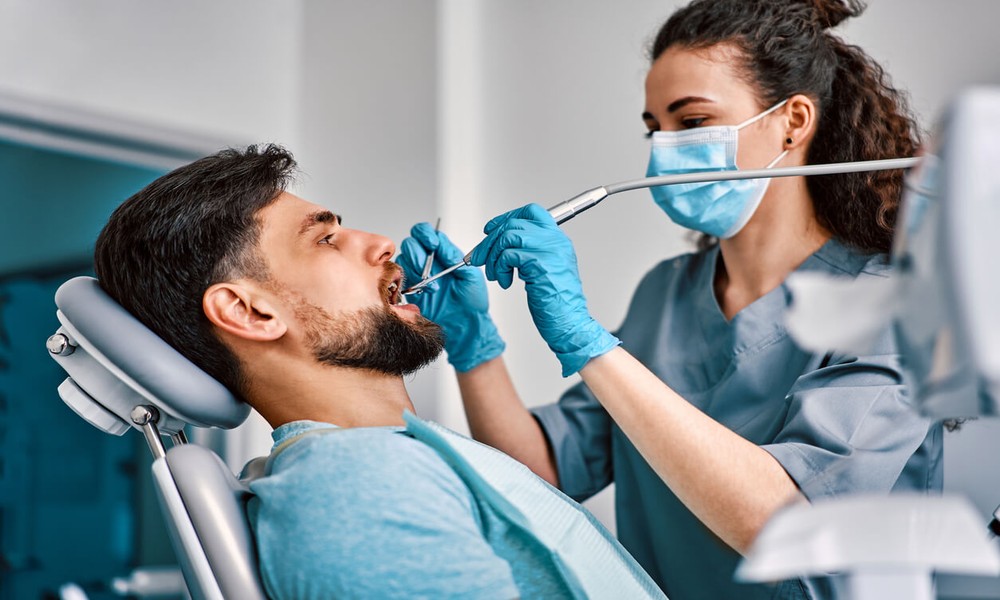
The development and eruption of third molars, commonly known as wisdom teeth, present a unique set of clinical and physiological challenges for young adults. For female patients, these dental milestones are frequently complicated by systemic biological factors, particularly hormonal fluctuations. Understanding the intricate interaction between reproductive hormones, pain perception, and surgical outcomes is essential for optimising dental management and timing necessary clinical interventions. Because the oral cavity contains highly sensitive hormone receptors, women often experience distinct periodontal symptoms that correlate directly with their endocrine cycles, making regular monitoring crucial.
Hormonal Influences on Oral Tissues
The female body experiences significant fluctuations in sex steroid hormones-primarily estrogen and progesterone-during the menstrual cycle, pregnancy, and menopause. These systemic hormonal changes exert a direct, measurable influence on the tissues within the oral cavity. Elevated progesterone levels during specific phases of the month increase the permeability and vascularisation of the periodontal structures. This physiological shift can significantly exacerbate the localised inflammatory response to plaque, debris, and underlying dental issues.
For women experiencing impacted or erupting wisdom teeth, these cyclic changes can result in periodic flare-ups of gingival tenderness and swelling around the third molars. This condition, known as pericoronitis, involves the inflammation of the gum tissue surrounding the crown of a partially erupted tooth. This heightened tissue sensitivity means that underlying dental issues, which might remain entirely asymptomatic during phases of low hormonal activity, can suddenly become painful and problematic when hormone levels spike.
Pain Perception and the Menstrual Cycle
Neurological sensitivity and pain thresholds are closely tied to the female endocrine system, impacting how dental distress is processed. Clinical observations demonstrate that pain perception and dental anxiety fluctuate significantly across different phases of the menstrual cycle. Specifically, women often report a lower pain tolerance and increased psychological distress during the luteal and menstrual phases, when progesterone and estrogen levels shift rapidly.
This cyclical variance in nociception directly impacts how wisdom tooth discomfort is experienced on a day-to-day basis. A mild, chronic ache from an impacted tooth can intensify into acute distress depending on the time of the month. Unfortunately, because of dental anxiety or a busy lifestyle, some patients delay wisdom tooth removal until pain suddenly becomes severe. Relying on reactive treatment rather than proactive diagnostics frequently leads to emergency surgical interventions when the surrounding tissues are already highly inflamed, which unnecessarily complicates the extraction process and prolongs initial distress.
Complications and Timing for Extraction
When scheduling an elective third molar extraction, female biological variables should ideally be integrated into the treatment planning process. Research indicates that women using oral contraceptives, or those undergoing surgery during phases of high estrogen, face an increased risk of post-operative complications such as alveolar osteitis, commonly known as dry socket. Estrogen is believed to indirectly activate the fibrinolytic system, which can prematurely dissolve the essential blood clot that forms in the extraction socket.
If this blood clot dissolves or dislodges too early, the underlying bone and nerve endings are left exposed to air, food, and fluids, resulting in intense post-operative pain. To mitigate this risk, some clinical guidelines suggest scheduling elective oral surgery during the final days of the menstrual cycle or during the placebo pill interval for those on oral contraceptives. Lower circulating estrogen levels during these specific days favour stable clot formation and smoother healing trajectories.
Strategic Planning and Patient Care
Managing wisdom tooth concerns effectively requires a comprehensive approach that bridges routine preventative monitoring with strategic surgical timing. Undergoing regular radiographic assessments, such as OPG X-rays, allows dental professionals to track the trajectory of third molars before they compromise the alignment of neighbouring teeth or cause permanent damage to the jawbone.
For female patients, discussing the menstrual cycle or contraceptive use during a pre-surgical consultation empowers the practitioner to select the optimal surgical window, minimise the risk of dry socket, and tailor post-operative pain management protocols to individual needs. Ensuring you gather the right information regarding preparation and recovery tips ensures a smoother postoperative transition, minimised discomfort, and a faster return to daily activities. Taking charge of this recovery timeline helps prevent unexpected complications and supports long-term oral health.

Comments are closed.