Author

David Curry

Browsing

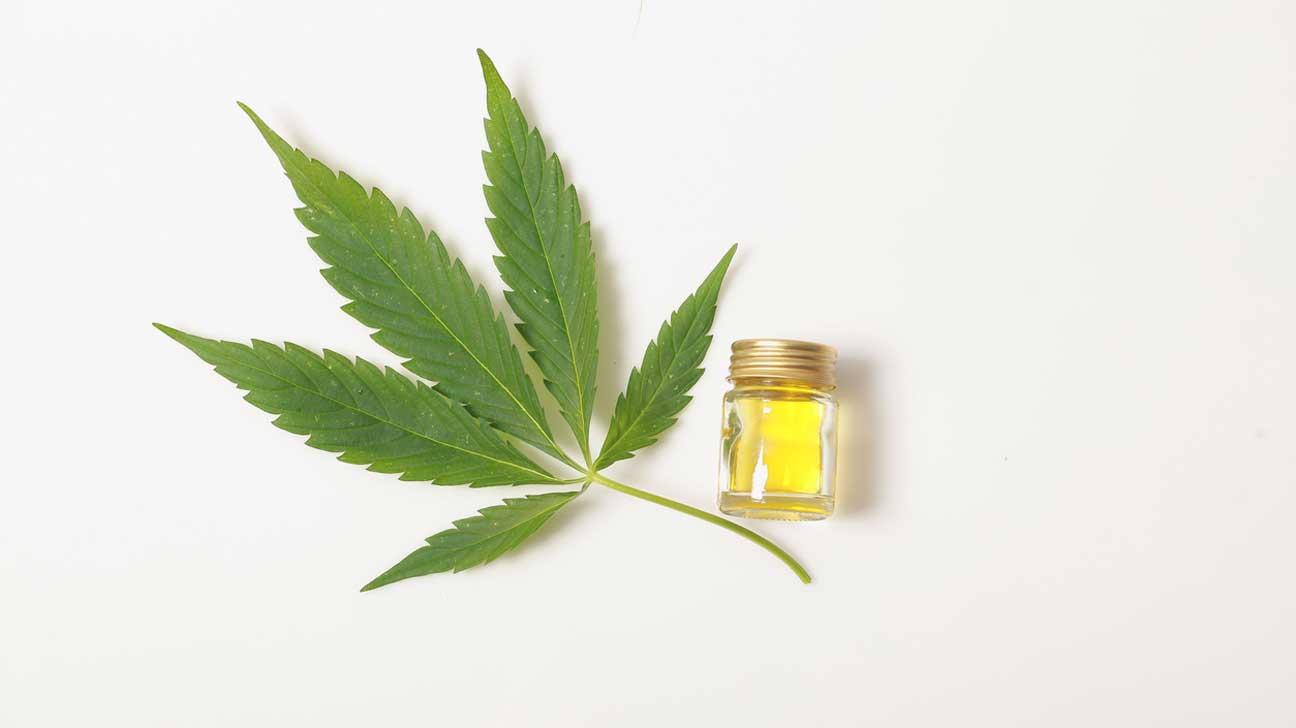
CBD oil is a hemp-derived extract that is extremely safe and beneficial. How did CBD oil become so popular so quickly? The answer to that question can be found among the families that fought for their children’s right to safe, effective, and natural treatments. This article highlights the benefits of CBD for children and addresses some of the most common concerns parents have about administering CBD to their children.

How CBD Oil Became So Popular With Kids

The most well-known tale of how CBD became popular is that of Charlotte, a young girl from Colorado who suffers from a severe form of pediatric epilepsy. CBD research has shown that the oil extracted from hemp flowers can help children with epilepsy, but state and federal regulations maintain that it has no therapeutic value.

Charlotte’s family decided to produce and make their own CBD oil to help their daughter with her seizures. Her parents offered her a better quality of life, even though her illness was too much for her and she passed away after her tale went viral.

8.jpg

As more families with epileptic children across the state and country found the safety and usefulness of CBD oil, a grassroots movement grew to demand that it be legalized. Thousands of families have followed Charlotte’s lead and produced their own CBD success tales. CBD oil has risen to the forefront of innovative therapies decades later. All of this is due to parents’ love for their children.

Is CBD Oil Advisable for Children?

CBD hemp flower oil has an extremely high safety profile. It is non-toxic and non-intoxicating. This means you can’t overdose lethally, and it doesn’t have the same psychedelic and euphoric effects on coordination and cognition as marijuana.

It’s also crucial to know the difference between CBD derived from hemp and THC-containing cannabis or marijuana. THC is not poisonous or fatal, but it is euphoric. CBD, unlike THC, does not cause physical dependence. Always check independent third-party lab findings of any CBD products before providing them to children to ensure you know exactly what’s in them.

CBD Oil’s Risks for Children

CBD oil is sold as a non-prescription health supplement with few restrictions. The most crucial step in delivering CBD to children is to evaluate all CBD products for purity and strength.

The adverse effects of CBD, according to Health Harvard, are infrequent and include nausea, lethargy, and irritability. CBD oil, like grapefruit juice, affects how the body metabolizes certain medicines, such as blood thinners.

Furthermore, more research is needed on the long-term effects of CBD oil, particularly for adolescent children. We just do not have the long-term study required to tell whether or not there is any harm in giving CBD to children because CBD has been illegal and forbidden for so long.

CBD is legally lawful in all 50 US states, and most states allow CBD oil to be purchased and sold; however, giving THC to a kid is always banned. Have troubles sleeping? Get the best cbd oil for sleep here.

With the legalization of cannabis across various states, we are seeing a rise in the popularity of concentrates. They are easy to use as an alternative to smoking Cannabis leaves or other parts.

To obtain high-quality concentrates, you have to do cannabis extraction for the same. The extraction process varies greatly, but the basic idea remains the same. Extracting oils from the cannabis flower itself.

What most people don’t realize is how the cannabis extraction process works. There are many ways to produce these concentrates, and it can be hard for a novice grower to know exactly what equipment to buy and how to get the most out of their extractions.

Exciting advances are happening in the cannabis industry daily, leading us to wonder if ditching the green and going corporate is the right way. As science and technology merge, they also intersect in cannabis extraction.

When learning about cannabis extraction, it’s important to understand the different extraction methods. It is crucial for the success of your business that you choose the type of extraction method that fits your needs best.

There are a few different techniques available for cannabis extraction, but alcohol is likely one of the easiest extraction techniques you can use at home.

This article delves into the details on what you need to know about cannabis extraction as we delve right into how it works, how it affects us, and how to keep your body safe.

Alcohol Extraction

Alcohol extraction has been around for a long time, and back in the day, it was the only way to extract cannabinoids without chemical solvents.

While ethanol is a great solvent and works well when extracting THC and CBD, there has been some debate as to whether or not it can effectively pull out all the beneficial molecules found in cannabis.

Alcohol is also harsh on your lungs when using butane or other hydrocarbon-based gases. It essentially swells up the membranes of your lungs, making it very hard to breathe.

The ethanol extraction process begins by grinding the cannabis down into a fine powder.

Butane Extraction

Ethanol extraction was used historically due to its ease of access and relatively low cost. However, in recent years as recreational marijuana has become legal in more states, butane has become the most common solvent used for cannabis oil extraction.

This is because it is less flammable than ethanol and easier to handle than hydrocarbons. Since the advent of concentrates, many have migrated to cannabis extraction practices that reduce the plant material needed to produce pure cannabinoids.

Butane extractions remain the industry standard for speed and ease of use. Although this method can be dangerous, there are many precautions you can take to ensure your process is safe.

Conclusion

It remains to be seen what the full effects of the legalization landscape will be on the market for cannabis extraction.

With new and innovative extraction equipment becoming available, cannabis extractions will continue to improve and refine depending on the needs of cannabis producers.

This, in turn, will lead towards better and more refined solvent options, ensuring safer conditions for extraction and production.

Even with a healthy diet and routine exercise, lots of people find it frustrating to slim down their faces. Although others have a natural round-shaped face, stress, genetics, medications, and numerous other factors could also influence the face’s contours, making it nearly impossible to change.

Some choose surgery, although there are others who can’t (or prefer not to). Fortunately, there are various face slimming treatment choices to assist you in achieving a slimmer face without going under the knife. Below are the best non-invasive techniques for a sexier, slimmer face.

Dermal Fillers

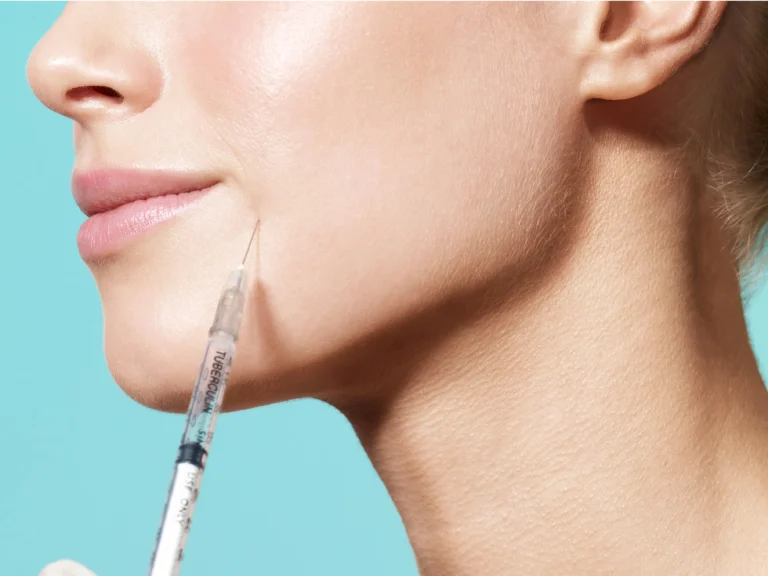
Using dermal fillers to make your face seem slimmer may appear unreasonable. After all, fillers are often used to add more volume. However, they could make your face look more sculpted and youthful, reduce wrinkles and fine lines, and replace the volume loss due to aging. Aside from giving you a rejuvenated look like when you were in your youth, putting fillers in regions where your cheeks are commonly contoured using makeup could assist in re-sculpting your whole face for a more lifted look.

Your cheeks and facial skin naturally begin to sag as you get old. A dermal filler injection could rectify volume loss because of muscle and fat volume loss while also offering contour, particularly in the jowl region near the mouth. Putting filler could increase volume to the face, help reshape the face and make you appear young-looking and more angular in guys.

Fillers are a good face slimming treatment option to have a slimmer face without going under the knife. Fillers could last for months and, based on the filler type used, might be able to be undone if you’re not appeased with the results. Compared to fillers, surgery is a permanent solution and can’t be fixed easily if the results are not satisfying. Fillers are suitable for men and women and could be used on different areas of the face to provide more definition and contour.

By filling in the jawline, jawline fillers could help trim your face and give it a sculpted, beautiful look. This procedure would also aid in the lifting of your saggy neck.

Contrary to popular belief, Fillers help trim and define your face rather than making it seem fuller. The soft tissues are lifted like a liquid facelift as you give your face more definition. Fillers can be used to lengthen your chin, and BTX treatments can be used to thin down your square jawline.

In combination with fillers, BTX treatments are a terrific non-invasive cosmetic option to get the best results. BTX is used to relax your muscles that generate wrinkles and fine lines, while fillers plump up and shape the skin. When the two procedures are combined, the skin is lifted and smoothed, giving it a younger, slimmer look. This treatment is suitable for a wide spectrum of individuals. If you have defined cheekbones since birth but have recently realized that your face has grown droopy, it may benefit you. It might also help you if your face is rounded but always desired more defined cheekbones and a heart or heart face shape.

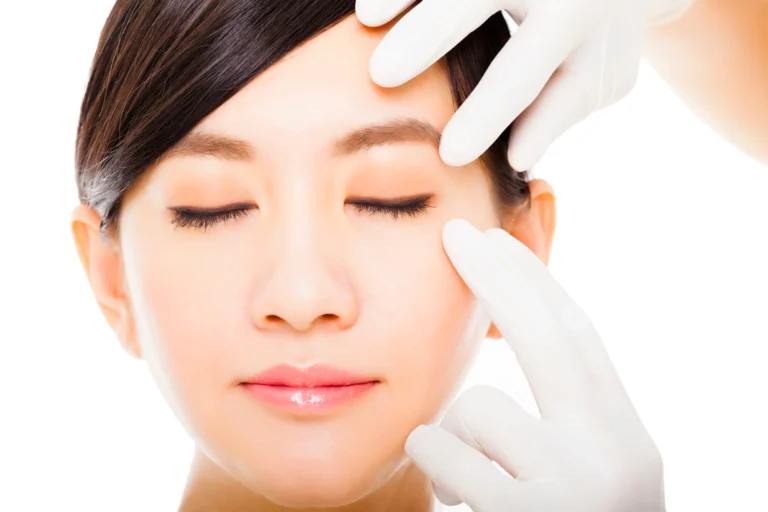
Many women desire a V-shaped face. For Asian ladies, this is particularly true. The jawline can become square formed because of overdeveloped masseter muscles, which are responsible for chewing the food. These muscles contract up or grind the teeth, resulting in a square jawline.

While some people appear well with this face shape, it is not suitable for everyone. BTX could help relax the stiff muscles in the masseter, causing them to loosen and shrink, giving the face a narrower appearance. Fillers help extend the face and form it to a heart shape by filling in any gaps around the chin and the jawline. Combining fillers and BTX might help create a more V-shape appearance.

Hospital-acquired infection (HAI) is a term that is now widely used interchangeably with nosocomial infection.

A nosocomial infection is shortened because of a toxin or condition in a definite place, Like a hospital. For an HAI, the disease should not exist before somebody has been taking medical care. In hospitals, the ward where HAIs occur most commonly is ICU (intensive Care Unit). It is because doctors treat the most dangerous disease there. HAI is associated with mortality, morbidity, and hospital cost.

As antibiotic resistance will increase and medical care gets more complex, the cases of HAI will increase automatically. But you can prevent the HAIs in several ways. In this article, I have discussed the prevention of hospital-acquired infection. Read further to know more about it.

Introduction

According to WHO, HAIs are defined as “An infection acquired in hospital by a patient who was admitted for a reason other than that infection.

Infection occurs in a patient in a hospital or other health care facility in whom the condition was not present or incubating at the time of admission.

This includes infections acquired in the hospital but appearing after discharge, and occupational illnesses among the facility staff”.

Symptoms

For HAI, infection is expected to occur:

  • For about 48 hours after entry
  • For almost three days after discharge
  • For nearly 30 days after surgery
  • In the event of hospitalization for a reason other than infectious.

Symptoms of HAIs depend on the type.

The most common types of IAS are:

  • Urinary tract infection (UTI)
  • Infections of Surgical site
  • Meningitis
  • Gastroenteritis
  • Pneumonia

Symptoms include:

  • Cough
  • Fever
  • Discharge from the wound
  • Shortness of breath
  • Burning while urination or difficulty urinating
  • Headache
  • Nausea
  • Vomiting
  • Diarrhea

People who develop new symptoms during their stay may also be sick and itchy at the site of infection. Many people have visible signs.

Causes

Bacteria, viruses, and fungi can cause HAIs. Bacteria alone account for about 90% of these cases. Many people with a weak immune system are in hospital and are more likely to get infected. The common bacteria causing HAIs are:

  A B
1 Bacteria Type of Infection
2 Enterococci Blood, UTI, Wound
3 Escherichia coli (E. coli) UTI
4 Staphylococcus aureus (S. aureus) Blood
5  Pseudomonas aeruginosa (P. aeruginosa) Kidney, UTI, Respiratory

Pseudomonas aeruginosa accounts for 11% of HAIs and is associated with high mortality and morbidity.

Bacteria, viruses, and fungi are usually spread by person-to-person contact. This includes dirty hands and medical equipment such as catheters, ventilators, and other hospital equipment. HAI infections also increase with excessive and inappropriate use of antibiotics. This can lead to conditions that are resistant to many antibiotics.

Treatment

The treatment for these diseases depends on the type of disease. The doctors in Hospitals of Pakistan may recommend antibiotics and sedatives. Also, remove external devices such as catheters as soon as treatment is needed. To promote healing and prevent dehydration, doctors recommend healthy eating, nutrition, and rest.

Prevention of Hospital Acquired Infection (HAI)

Wash Your Hands

Hand washing should be the basis for reducing HAIs. Wash your hands for 20 seconds with warm water and soap. In addition, people in the facility and all staff members should be encouraged to wash their hands when:

  • Drinking
  • Eating
  • Providing care
  • Treating patients.

 Establish a Disease Control Policy

Infectious disease regulations indicate which patients are at risk of getting or contracting HAI. The policy should include information about when patients should be cautious about avoiding contact with other patients and staff.

Diagnose the Disease as soon as possible

Highly contagious diseases, such as Clostridium difficile (c. Diff), should be identified as soon as possible. For example, all patients with diarrhea admitted to the hospital should be tested immediately.

Provide Training on Infection Control

Workers need to know how to identify infectious diseases and prevent their spread. Therefore, organizations must have regular and repeated training in the management of infectious diseases.

Use Gloves

Physicians should not wear gloves when interacting with patients. However, gloves should be worn if there is contact with blood or body fluids.

Provide Appropriate Equipment for Isolation

It includes waterproof clothing, gloves, shoe covers, masks, and face masks. Appropriate isolation equipment should be available if the patient has an infectious disease.

Keep the Surface Clean and Disinfectant

Between patients, all rooms in the hospital should be thoroughly cleaned with disinfectant. This helps prevent the spread of infection when new patients are admitted to the hospital.

Prevent the Patient from Walking without Slippers

Although no one likes to wear shoes when sick, all patients should be encouraged to wear sandals or non-abrasive socks when walking around the hospital.

Change sheets daily and when dirty.

Sheets should be thoroughly disinfected and washed in the laundry room and should not be left on the patient’s bed for long periods.

Store Foods at Room Temperature

Most hospitals and clinics have a refrigerator for patient snacks on the ward. For food safety reasons, the temperature of these products should be checked for any changes. Patients should be encouraged to eat immediately upon arrival.

If you are visiting and one of your loved ones is in one of the Aga Khan Hospital, and you are worried about acquiring HAIs, you should take preventive measures. Or if you are struggling to find the bestHospitals in Pakitan, you can find one through Marham.

Frequently Asked Questions (FAQs)

1- What is the prevention and control of nosocomial infections?

They can be controlled by applying disease control measures, identifying antibiotics, preventing infections, and applying antibiotics.

2- What are the main modes of transmission of the disease?

The transmission of bacteria can be divided into five modes:

  • Fomites
  • Direct contact
  • Oral (ingestion)
  • Aerosol (airborne)
  • Vector-borne

3- What are the three ways to control the spread of the disease?

These include:

  • Wash your hands and cough manners.
  • Use of personal protective equipment (PPE)
  • Safe use and disposal of sharps.

Did you know that we lose collagen, the protein that makes the skin look vital and young, each day as we get old? By age 70, the skin would have lost 80% of its density. The collagen loss is what makes it stretch and wrinkle as it submits to the gravity pull.

Fortunately, there is an answer that does not demand surgery. Here’s the polydioxanone (PDO) threadlift Singapore, an effective and minimally invasive procedure that can be done in the best aesthetic clinics in Singapore

How a Thread Lift Works

In this procedure, PDO threads are inserted underneath the skin using a needle. The threads remain fastened in the skin using graspers or cones, then stitched to hold up once sagging skin.

Aside from physically tightening the skin, this method also activates the body’s healing reaction and directs collagen surges to the treated regions. This constant collagen flow restores the skin’s natural elasticity and vitality. The PDO threads are FDA-approved and composed of biocompatible materials.

What Should You Expect During the Procedure?

After the thread lift procedure, you will begin to see enhanced skin tone and increased firmness. The body’s natural healing responses would be stimulated as the threads are put into place, which would help remove the sutures. The threads and sutures are relatively small, so you should not encounter any pain in the procedure.

What lots of patients like about threadlift Singapore is the minimal discomfort and pain. Compared to other medications, strong pain medication is not often required afterward – even as the skin starts to heal.

How Long Do the Results of Treatment Last?

Since the skin could absorb these threads, you couldn’t expect results that stay a lifetime. Several lifestyle variables influence how well your body absorbs the thread. The threads are expected to stay in place for 6 to 8 months generally.

After the skin has entirely absorbed the threads, the youthful appearance offered by the procedure may last for another 3 – 6 months due to the cellular proliferation stimulated by the threads.

The Advantages of a Thread Lift

The threads stay in situ for 4 – 6 months before dissolving. The technique, on the other hand, stimulates the continual collagen flow to the region. Thus the effects are long-lasting.

The thread lift surgery is beneficial for more than just your neck and face. You may also apply it to other parts of your body where you want to seem younger, such as your waist, buttocks, hips, belly, knees, and knees.

A thread lift, as opposed to a standard facelift, has less downtime. You can even drive to and from the surgery because we employ local anesthetic instead of general anesthesia. There’s also significantly less discomfort and pain, with very little redness, soreness, and redness.

A thread lift’s also advantageous since it may be combined with other cosmetic treatments like fillings. A thread lift is also less expensive than a regular facelift since it is less intrusive.

Am I a Candidate for Threadlift?

Thread lifts are advised for applicants in their late thirties to early fifties. Be careful to tell us about the whole medical history and any medications you’re taking since some medical problems may preclude you from undergoing surgery. Your cosmetic doctor, on the other hand, can address any issues you could have during the appointment.

What’s the Distinction Between Thread Lift and Surgical Facelift?

You won’t need to miss any of your arrangements after your thread lift because you’ll not need any strong pain relievers. Because there is no downtime, you may go to work the following morning, tend to your family, and hang out with friends.

In comparison, healing from a thread lift is a piece of cake. You will be given a local anesthetic rather than a general one, and you can drive yourself home afterward. There might be some tenderness and bruising, but that’s just temporary. That being stated, you’ll be ready to start your typical activities the following morning. You could use pain medicine as needed, but it shouldn’t be anything too strong that it interferes with your daily tasks.

Are you looking for a weight loss surgery but don’t know how to get started? Don’t worry, for I can guarantee you that with these 7 weight loss surgery questions, you will be able to start your weight loss journey. The questions about bariatric surgery are viz:

Question 1: Do I qualify for a weight loss surgery?

Many people who are considered obese or overweight would like to have a different body type. However, before you start considering bariatric surgery as an option for weight loss, it’s essential that you know what the qualification criteria are and if they apply to your specific situation.

BMI stands for Body Mass Index, which means how much of someone’s height comes from their fat tissue vs muscle mass (bones etc.). If one has more than 40 BMI points, then he/she qualifies automatically!

Question 2: Which weight loss surgery is suited for me?

One of the most important decisions you will make is deciding which surgery to have. Surgery can be a life-changing experience, and it’s crucial that you choose wisely for yourself as well as your future. The good news? There are many options available, each with its own set of pros and cons, but there’s one thing all surgeries share: weight loss!

Your surgeon should provide extensive information about the different weight loss surgery procedures they offer and suggest what he thinks is best suited for you. So, take time to explore them both thoroughly before making any final decision on what procedure feels right for you.

Question 3: How is the surgery done, and what is the risk associated with the surgery?

Weight-loss surgery is common and very safe. However, there are some risks that your surgeon will go into detail about with you beforehand. These include bleeding, infection from the surgery site or stomach/bowel leakage, blood clots in one of the legs or lungs due to immobility during recovery time following a surgical procedure like this one, as well as heart attack and even death for 3% or fewer cases where complications do occur.

Question 4: How much weight loss can I expect post-surgery?

One study found that people lost an average of 50-80% excess body weight in a year or less with surgery. This can be done by removing parts of the stomach as they did for Michael Jackson and making it so food cannot go through all three sections at once (like when we eat). However, it’s always best to ask your surgeon that based on the weight loss surgery you chose, how much weight loss, given your current conditions, can you lose.

Question 5: How will my life change after the surgery?

You’ll be able to do much more than before and not feel as tired afterwards because of how light you’re becoming! After about two months, most people can go back to eating regular foods again but at smaller portions – this way, they don’t have any setbacks with their dieting success so far! Exercise becomes easier for just about everyone when it’s less effortless carrying around all those extra pounds which were constantly weighing them down on top of everything else to get more tips from the surgeon to incorporate in your daily life post- surgery.

Question 6: What type of follow-up care will I need?

Ask your surgeon if there is any need for follow-up and, if so, how frequently. Usually, you will be asked to attend 4-6 meetings during your first post-surgery year. Then you will have visits in intervals of 6-12 months. The first visit would be approximately after 2-3 weeks of the surgery. Second visit within 4-5 weeks after bariatric surgery. A new solid diet is prescribed during this second visit. Quarterly visits at approximately 3-month intervals. Finally, followed by annual visits at an interval of 6-12 months.

Question 7: Will my health insurance cover the surgery? If not, what costs will I have to pay?

This is the most critical question that you would want to ask your weight loss center. Fortunately, most of the weight loss surgery centers in Mexico are tied up with insurance companies. Still, it’s always best to know from both your insurance company and your surgery center if you are applicable to avail the insurance benefit and how much insurance can cover your surgery cost.

Besides these 7 questions, you can ask some additional questions related to your diet change, workout routine, medications, supplements etc. Also, ensure that the doctor is credible and reliable. Ask them questions on past surgeries etc. Finally, make sure to go through their online page for more information.

With these bariatric surgery questions to ask your surgeon, you are ready to start your journey to finding the best weight loss surgery. All the best!

Non-surgical fat cheeks removal treatments are becoming increasingly popular. These treatments have been shown to reduce the size of your puffy and chubby cheeks, transforming you into a slimmer version of yourself. The best part? It’s all done without any surgery!

How Do They Work?

Non-invasive methods for reducing the appearance of your fat cheeks use high intensity focused ultrasound or radiofrequency energy to target and destroy localized pockets of fat cells in just one treatment session. In contrast, surgical procedures require multiple sessions over several months with slow results. And unlike liposuction, this procedure does not involve cutting away any tissue – so you can be back in the office the next day!

The fat cells are destroyed and then naturally processed by the body. And unlike other procedures, this non-surgical facial contouring treatment does not leave you with an inflamed or red face, making it a safe choice for even those with sensitive skin. The best part is that there is little to no downtime and your results are immediate. You can return to work immediately after doing one treatment.

What are the Benefits?

One of the biggest perks of undergoing this procedure is that it allows you to achieve a slimmer, more youthful appearance without resorting to surgery.

Non-surgical fat cheeks removal is also a great choice for those who are looking to reduce puffy eyes or sunken cheeks. The treatment targets these areas, as well as the jowl area, around your mouth and jawline – all contributing factors towards an aging appearance. Skin tightening is another benefit of undergoing this facial contouring procedure. Your skin will appear tighter, giving you a younger and healthier glow!

What are the Best Non-Surgical  Fat Cheeks Removal Treatments?

Now that you know what the benefits are, let’s dive into the main course and discuss a few of the best non-surgical fat cheeks removal treatments on the market.

High Intensity Focused Ultrasound (HIFU)

High Intensity Focused Ultrasound (HIFU) is ideal for those looking to correct and shrink their chubby cheeks without going under the knife. The procedure uses ultrasound energy to destroy and liquefy fat cells in the targeted area. Using a probe that vibrates at high speeds, HIFU treatments target your specific problem areas such as the chin, cheeks, or under-eye bags!

How Does HIFU Work?

HIFU treatments are fast, precise, and efficient. The gentlest technique of facial sculpting available today, HIFU delivers high intensity ultrasound waves to the targeted areas. As the ultrasound travels through your skin, it creates tiny vibrations that effectively shatter the fat cells found beneath. The damage causes a chain reaction leading to the eventual destruction of those cells.

The process is quick – taking only 15 minutes per area! This non-surgical treatment does not have any negative impact on other tissues or your overall skin condition such as laser lipo treatments do. Unlike many invasive procedures, HIFU treatments are safe for all body types and skin types!

What Skin Layers Can HIFU Target?

HIFU treatments are able to target multiple skin layers. This gives patients a comprehensive way to treat many different areas of concern including fine lines and wrinkles in addition to fat pockets causing puffy eyes and fat cheeks.

How Long Does it Last?

The results were immediate – you will see and feel your new slimmer face right after treatment! As with any other cosmetic procedure, regular maintenance sessions may be required for optimal results. A typical session lasts about 15 minutes while follow up sessions can last anywhere from 30 minutes to an hour depending on the area being treated. You can get back to work as soon as you leave our office!

Ultherapy

Ultherapy is a system of non-invasive, ultrasound energy that targets the deeper layer of your skin and stimulates collagen production. This treatment is ideal for those with sagging skin, wrinkles, or aging signs like crow’s feet or nasolabial folds!

How Does Ultherapy Work?

Ultherapy produces a gentle lifting force deep in the dermis – this lifts and tightens facial skin which helps eliminate frown lines and crow’s feet while also reducing sun damage. The procedure uses high frequency sound waves to generate new collagen growth in targeted areas as well as stimulate natural collagen production. In addition to tightening up loose jowls, fat reduction, and bags under your eyes it can also be used on more delicate areas such as under-eye bags, chin fat, and puffy eyes!

Even cheap aesthetic clinics in Singapore offer the best aesthetic treatments that are not only helpful in skin rejuvenation but are also medically approved. Instead of superficially treating the skin with some external masks or facials, the aesthetic industry aims at researching the biological causes and treatment for various skin problems. For instance, if you have the problem of acne, an aesthetic doctor would rather go to its cause first whether it is triggered by hormonal change or just because of some street dust and then treat it accordingly.

There are various skin problems that are not curable with home remedies and you need the expert’s help. This is the reason why aesthetic doctors are in so much demand these days. People prefer to get a proper medical treatment for their skin issues rather than just to visit a salon.

Aesthetic Clinics Aim at Treating the Following Skin Issues

Singapore has emerged as an aesthetic tourism country in Asia that provides the finest aesthetic treatments at affordable rates. You can expect the treatment of basic skin problems like,

  • acne
  • post acne scars
  • pigmentation
  • wrinkles(caused by both sunlight or aging process)
  • dermal fillers
  • skin rejuvenation
  • thread lift or face lift
  • nose fillers
  • lip fillers
  • stretch marks removal
  • laser hair removal
  • laser tattoo removal
  • sculpting

Aesthetic doctors are different from cosmetic surgeons or dermatologists, however, some physicians adopt the profession of aesthetics after their degree completion. Unlike the surgeon, an aesthetic doctor is supposed to treat the skin problems with non-invasive or minimally-invasive procedures and techniques.

Non-Invasive Procedures

The non-invasive or non-surgical treatment includes the following procedures;

  • Chemical peels
  • Infrared or radiofrequency light based skin tightening
  • Laser therapy for hair removal
  • Lipolysis
  • Photodynamic therapy
  • Skin rejuvenation through Intense Pulsed Light(IPL) technique

Minimally-Invasive Procedures

There are some treatments that are considered to be slightly surgical as they involve the injection of syringes into the skin. For instance, following are some of the examples;

  • Thread lift
  • Dermal filler and lip filler injections
  • Injections for Botulinum toxin(Botox)
  • Lasers used to treat benign tumors
  • Lasers used to treat pigmentation problems
  • Sclerotherapy
  • Sculpting

All these procedures have proven to be beneficial for almost all types of skin but it is recommended to get a proper consultation with your dermatologist before going for any invasive skin treatments. The aesthetic treatments in Singapore encourage people to get their flaws removed without having any side effects, however,  if your skin is sensitive then you should avoid direct invasive or minimally invasive procedures or at least consult your physician before having any aesthetic treatment.

Some of these treatments require multiple sessions to complete the procedure such as laser therapy for hair removal. In the first session, the laser light slightly burns the hair follicles using heat at a certain temperature. In the next session, the follicles are rendered completely dead and lose the ability to grow.

This technique is quite painful and can leave scars on the area of application, however, the treatments such as thread lift and dermal fillers require only one sitting to complete the procedure and with no side effects. Face lifting and filler techniques have proved to be a blessing for aging women as it helps to retain the subcutaneous fat of skin and give it an overall youthful look. Non-invasive treatments are cheap and effective solutions for skin issues.

There are some cheap aesthetic clinics in Singapore which also offer cosmetic surgeries for facial and body aesthetics. Nevertheless, for a surgical aesthetic treatment, an experienced surgeon should be consulted only.


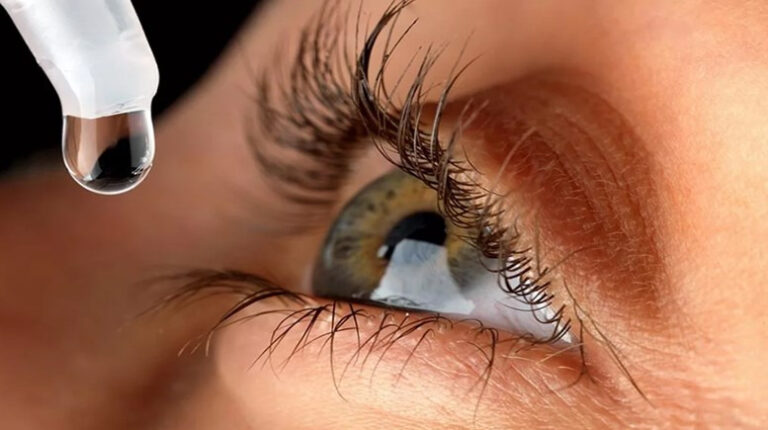
A career as an ophthalmologist or an eye doctor might be right for you if you’re intrigued by vision, eye conditions, and how they’re handled. Ophthalmologists consult with patients one-on-one to treat diseases or discomfort associated with their vision. It is advisable to get your Adult Routine Eye Examination in albany ny regularly.

It is important to remember that when there is an issue with the eyes, an ophthalmologist is the best and most qualified person to consult.

Who is The Eye Doctor?

An ophthalmologist or an eye doctor honolulu hi is a doctor who specializes in diseases and surgeries of the eye and brain’s visual pathways.

Only an ophthalmologist may prescribe medications or conduct corrective surgery for eye problems.

In this article, we’ll go through the typical tasks performed by an ophthalmologist, as well as the qualifications for pursuing this profession and how to become one.

What does an Eye Doctor do?

An ophthalmologist is a doctor who specializes in the treatment, diagnosis, and study of diseases of the eyes and vision. An ophthalmologist can perform the following tasks regularly:

  • They diagnose and treat glaucoma
  • Doing complicated eye examinations
  • Doing a cataract surgery
  • Examine the eyes regularly
  • Provide advanced eye care and treatment
  • Keep up with the latest developments in eye care, diagnosis, and treatment
  • Develop or incorporate ophthalmologic service plans and procedures
  • They do study and research various neurological disorders that may impair vision

Education and Qualification Required

The education and training required to become an Eye Doctor.

  • To become a certified eye doctor, one must first earn an MBBS degree and then pursue a postgraduate degree in Ophthalmology.
  • Doctor of Medicine (M.D.), Master of Surgery (M.S.), and Diploma of Ophthalmic Medicine and Surgery are the degrees available (DOMS).
  • A Junior Residency at a Medical College under the supervision of seasoned professors is used for parallel training and work experience, which is known as an internship.
  • These eye surgeons’ skills are honed by additional job experiences such as fellowships, registrar ships, and senior resident ships.

State Licensing Requirements

In addition to passing the USMLE (United States Medical License Exam), ophthalmologists must pass other state-specific exams. Before a medical license is issued, it must pass a comprehensive ethical and legal screening.

Before a state medical license may be given, educational standards and residencies must be completed. Each state’s medical board has its own set of rules for licensing ophthalmologists. Although certification from the American Board of Ophthalmology is not mandatory to receive a license, it does help tremendously when looking for work.

Employment Opportunity

Both the government and the private sector have a strong demand for ophthalmologists. This course also serves as a foundation for establishing one’s eye clinic.

Ophthalmologists may also seek treatment at departmental hospitals operated by the railways and the military, as well as hospitals run by public utilities.

Some of them may also work with non-governmental organizations, missionary hospitals, and charitable hospitals. Faculty positions in government and private medical colleges are available for highly trained and skilled ophthalmologists.

They can also participate in organizations’ research activities. Ophthalmologists are in high demand abroad, especially in the United States, the United Kingdom, Australia, and the Gulf countries.

CBD is derived from cannabis or hemp (a marijuana plant) and is now legal in many US states as well as other countries. It’s available without a prescription as an oil, tincture, tablet, or chewable pill, and it’s also found in foods like coffee and pastries. It’s available in a variety of dosages and prices.

CBD’s claims range from logical to absurd. For example, some blogs and businesses can claim that best CBD oil UK can be used to treat cancer. On the other hand, CBD seems to be reducing the uncontrollable effects of conditions like epilepsy, insomnia, and anxiety, all of which are common problems for people with autism. CBD has been shown in studies to reduce the incidence of seizures and, in some cases, to completely prevent them. CBD is commonly used to treat anxiety, and studies show that it can increase both sleeps and sleep quality in patients with insomnia.

CBD has no benefits for those who ingest it, except in rare situations where it can cause drowsiness or nausea.

Uses of CBD for Autism

CBD cannot completely remove or core symptoms of autism, such as social communication difficulties, sensory dysfunction, and restricted, repetitive behavior. CBD oil, on the other hand, may aid with autism-related disorders including epilepsy, anxiety, insomnia, and tension.

Improved sleep and anxiety, for example, as well as fewer seizures and anxiety, would make it easier to learn and use social communication skills.

It’s also worth remembering that sleeplessness and violence are particularly troublesome indicators for parents who are often exhausted and anxious. Aggression is one of the most troublesome behaviors associated with autism, which is why many parents want to place their child with autism in an educational setting.

How to Use CBD Correctly

CBD is available in a variety of types and dosage levels. Since oils have a salty flavor, many people prefer chewable candy-like options. Lower doses can also be tolerated better than higher doses.

When you start taking new medications, medicines, or therapies for your child, make sure that your child’s doctor is aware of the new medication and that there are no questions about your child’s health. Also, inform anyone who deals with your child that you’ve begun something new and ask them to watch for and monitor any changes in behavior or abilities.

If you’re thinking of using best CBD oil UK to treat your child’s autism, do your research on the benefits and drawbacks. When it comes to selecting items, look for information about how much THC it contains. When it comes to your child’s health, it’s always best to be an educated buyer.