Category

Pain Management

Category

Do you wake up in the morning with a stiff back? If so, you’re not alone. Millions of people suffer from back pain every day. The good news is that there are some sleeping positions that can help alleviate the pain. In this article, we will discuss the top three sleeping positions for back pain. So, keep reading to learn more!

1. The Fetal Position

The fetal position is probably the most popular sleeping position. It involves curling up in a ball on your side, with your knees pulled close to your chest, and your head tucked down. This position can be beneficial for those who suffer from lower back pain as it helps to reduce pressure in the spine. However, the downside of this position is that it can cause neck and shoulder pain if the position isn’t done correctly.

2. Lying on the Side with Pillow Between Your Knees

This sleeping position is similar to the fetal position but with a slight variation. Instead of curling up in a ball, you should lie on your side and place a pillow between your knees. This will help to reduce pressure in the spine while also supporting the natural curvature of the lower back. Also, if you suffer from neck and shoulder pain, using a pillow to support your head and neck can help alleviate these symptoms. To best reduce back pain in this position, it is best to invest in a memory foam pillow that will contour your body and provide maximum support.

3. The Modified Back Position

The modified back position is similar to lying on your back, with a few modifications. To do this position, lie on your back and use a pillow to slightly elevate your knees. This can provide relief for those suffering from lower back pain. It’s important to keep your head and neck in a neutral position and make sure that you don’t over-arch your lower back. This position can also help with snoring issues, as it opens up the airways and allows for easier breathing.

In Conclusion

These are just a few of the most effective sleeping positions for back pain. It’s important to find a position that is comfortable and provides relief from your specific symptoms. If you’re having difficulty finding a comfortable position, talk to Indiana pain management doctors for suggestions. They can provide advice on the best way to sleep and other treatments that may help with your back pain.

Migraines are one of the most common types of headaches. They can be extremely painful and debilitating. In some cases, they are even accompanied by other symptoms, such as nausea and vomiting. However, many people don’t realize that migraines can also be accompanied by neck pain. This article will discuss the link between migraines and neck pain and how you can find relief from both conditions.

What is the connection between migraines and neck pain?

There are a few different theories on how migraines and neck pain are connected. One theory is that neck pain is actually caused by the migraine itself. The pain from the migraine can cause the muscles in your neck to tighten up, leading to pain and stiffness. Another theory is that neck pain is a result of stress or tension. When you are under a lot of stress, your muscles can tighten up, leading to pain.

Whatever the cause, there is definitely a connection between migraines and neck pain. If you suffer from migraines, it is likely that you will also experience neck pain at some point. The good news is that there are treatments available that can help you find relief from both conditions. If you suffer from migraines, you must see a doctor for headaches treatment in Omaha to diagnose your condition and recommend the best treatment options properly.

How to find relief from migraines and neck pain?

There are a few different ways that you can find relief from migraines and neck pain. Pain medication can help to relieve the pain of both conditions. If you suffer from migraines, your doctor may prescribe a preventive medication that can help to reduce the frequency and severity of your migraines. If you suffer from neck pain, your doctor may recommend physical therapy or massage to help relieve the pain and stiffness. This is an excellent option for those who do not want to take medication or who cannot take pain medication due to other health conditions. In addition, it will also help if you check out the tips on how to sleep better at night with a migraine, as getting a good night’s sleep can also help to reduce the pain of both conditions.

Conclusion

There you have it! That is everything you need to know about the link between migraines and neck pain. If you or someone you know suffers from either of these conditions, be sure to talk to a doctor about the best course of treatment. They may be able to recommend specific exercises or stretches that can help alleviate pain.

You go to the doctor with a nagging pain in your side, and he sends you to pain management. You may be wondering why this is happening. There are a few reasons why your doctor might be referring you to pain management. In this article, we will discuss some of the most common reasons why doctors send their patients to pain management.

1. You Have Tried Other Treatments Without Success

If you have tried other treatments for your pain without success, your doctor may feel that pain management is the best option for you. Pain management doctors are experts in treating pain, and they will often use a variety of different techniques to help you get relief. This may include medication, physical therapy, and psychological counseling. If you have tried other treatments and have not had success, consider visiting a specialist for pain management in Chicago to get the help that you need.

2. Your Doctor Feels That You Would Benefit from a Multi-disciplinary Approach

Another reason why your doctor may be sending you to pain management is that they feel that you would benefit from a multi-disciplinary approach. It means that the pain management team will consist of doctors from different specialties who will all work together to develop a treatment plan for you. In addition, it will also benefit you if you check out what happens at your first pain management appointment, as this will help you know what to expect and be better prepared without any surprises.

3. You Have Chronic Pain

If you have chronic pain, your doctor may feel that pain management is the best way to help you. Chronic pain is defined as pain that lasts for more than three months. It can be caused by a variety of factors, including injuries, diseases, and conditions. There are many different types of pain management, and your doctor will work with you to find the best approach for your needs. These options include medication, physical therapy, and psychological counseling. Your doctor may also recommend lifestyle changes to help you manage your pain.

To Sum It Up

These are just a few of the most common reasons why your doctor may be sending you to pain management. If you have any questions about why your doctor has referred you, be sure to ask them. They will be able to explain the reasoning behind their decision and help you understand what to expect.

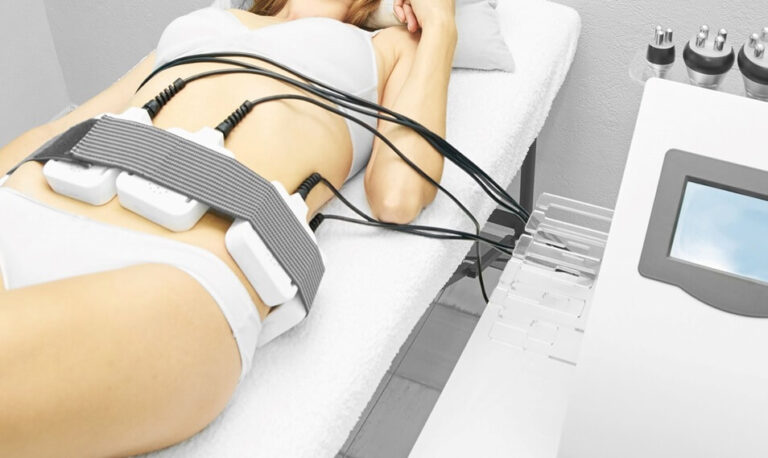
Liposuction is a procedural treatment that removes fat from the abdomen, thighs, neck, and arms using an invasive method. There is, however, another technique to lose weight that does not require surgery or even downtime. Non-invasive laser lipo is a process that uses laser energy instead of incisions to slim the body swiftly and with little effort on the patient’s part.

To know more, here’s a brief overview of laser lipo.

How Does Laser Lipo Work?

The laser lipo device emits low levels of infrared light, which penetrates the skin and fat cells. The heat from the laser then liquefies the fat inside the cells so that the body can easily eliminate it.

The procedure for laser light lipo in Davie is comfortable, and patients can return to their normal activities immediately after the treatment. There is no pain, bruising, or swelling associated with laser lipo. In most cases, a single treatment is needed to achieve significant results.

Laser lipo is not a new technology – it has been used for years in dermatology practices to tighten and smooth the face, neck, arms, and hands.

What Makes Laser Lipo More Effective Than Other Fat Loss Treatments?

Laser liposuction uses a precise laser beam to make small burns in body fat cells without harming surrounding tissue or organs. A vacuum sucks out liquefied fat from these small burns.

Laser lipo is also effective in treating areas of the body that are resistant to diet and exercise, such as the stomach and love handles. And because there is no surgery involved, patients can resume their normal activities immediately after treatment.

Also, read 5 Benefits of Laser Lipo Light.

How Much Does Laser Lipo Cost?

The cost of laser liposuction will vary depending on the size and number of treated areas. It further varies on the fat that needs to be removed and the clinic where you perform the treatment. Also, a single laser lipo session can remove up to four inches of fat, so most people require two or three treatments for optimal results. However, individual results may vary.

If you’re looking for a non-invasive and cost-effective way to burn fat quickly, laser lipo may be the right treatment for you.

To Sum It Up

Laser lipo is a safe and effective procedural treatment to burn fat in the body. If you are looking to get one done, contact your doctor right away!