Author

Stephen Hatcher

Browsing

Definition and Overview

Inpatient addiction rehab programs, often referred to as residential treatment, offer a structured and immersive environment for individuals battling substance abuse. These programs require patients to reside within the facility for the duration of their treatment, providing a controlled setting that is conducive to recovery. Unlike outpatient programs, where individuals return home after therapy sessions, inpatient rehab ensures that patients are surrounded by a supportive community and professional care around the clock. This constant supervision and support can be particularly beneficial for those with severe addictions, as it minimizes exposure to external triggers and distractions that might impede recovery.

Key Differences from Outpatient Programs

The primary distinction between inpatient and outpatient rehab programs lies in the living arrangements and intensity of care. Inpatient programs require individuals to stay at the treatment center full-time, which allows for continuous monitoring and immediate access to medical and psychological support. This setup is ideal for individuals who need intensive care and a break from their usual environment, which might be filled with triggers and stressors. On the other hand, outpatient programs offer more flexibility, allowing individuals to maintain their daily responsibilities, such as work or school, while attending treatment sessions. However, this flexibility might not provide the same level of support and focus on recovery as inpatient programs.

Who Can Benefit from Inpatient Rehab

Inpatient rehab is particularly suited for individuals with severe substance use disorders or those who have not succeeded with outpatient treatment options. It is also beneficial for those who live in environments that might hinder their recovery efforts, such as situations where there is ongoing substance use or lack of support. The immersive nature of inpatient rehab allows individuals to step away from their everyday lives and focus solely on recovery, surrounded by peers who are undergoing similar experiences. This shared journey can foster a sense of camaraderie and mutual support. Additionally, the comprehensive care provided in inpatient settings can address co-occurring mental health issues, providing a holistic approach to treatment.

The Importance of a Structured Environment in Inpatient Rehab

Inpatient rehabilitation offers a structured environment that is crucial for those on the path to recovery. This structured setting is designed to provide a stable, predictable routine that helps individuals focus on healing without the distractions of everyday life. Let’s explore the elements that make this environment so effective.

Daily Schedules and Routines

One of the key components of inpatient rehab is the establishment of daily schedules and routines. These schedules are meticulously planned to keep patients engaged in various therapeutic activities throughout the day. From morning to night, individuals participate in therapy sessions, group activities, and personal reflection time. This constant engagement helps prevent the mind from wandering to thoughts of substance use, making it easier for patients to concentrate on their recovery journey.

Supervision and Monitoring

Having 24/7 supervision and monitoring is another significant advantage of inpatient rehab. This around-the-clock care ensures that patients have immediate access to medical and psychological support whenever needed. The presence of trained professionals allows for quick intervention if any issues arise, whether they are related to withdrawal symptoms or emotional distress. This level of supervision provides patients with a sense of safety and security, knowing they are never alone in their struggle.

Minimizing Distractions and Triggers

Inpatient rehab facilities are specifically designed to minimize distractions and triggers that could lead to relapse. By removing individuals from environments where they might encounter stressors or temptations, these programs create a safe haven for recovery. Patients can focus entirely on their healing process without the interference of outside influences. This separation from the usual triggers of everyday life is vital for those who need to break free from the cycle of addiction.

Overall, the structured environment of inpatient rehab plays a pivotal role in the recovery process. By providing a stable routine, constant supervision, and a distraction-free setting, these programs give individuals the best possible chance to rebuild their lives and achieve lasting sobriety.

Comprehensive Medical and Psychological Support

Inpatient rehab programs offer a unique environment where medical and psychological support is available around the clock. This continuous care is especially important for those dealing with severe addiction, as it ensures immediate assistance in case of any complications. With medical professionals always on hand, patients can safely navigate the physical challenges of withdrawal and detoxification, reducing the risk of relapse or medical emergencies.

The psychological support provided in these settings is equally crucial. Access to mental health professionals allows for the treatment of underlying psychological issues that often accompany addiction. Patients can engage in therapy sessions that help them understand their behaviors and develop healthier coping mechanisms. This dual focus on both the mind and body is what sets inpatient programs apart from other forms of treatment.

24/7 Medical Care

Having access to medical care at any time of the day or night is a cornerstone of inpatient rehab facilities. This constant availability means that any medical issues can be addressed promptly, which is vital for those undergoing detoxification. The presence of healthcare professionals ensures that patients receive the necessary medical attention, helping them manage withdrawal symptoms safely and effectively.

Access to Mental Health Professionals

Inpatient rehab programs provide direct access to mental health experts who can offer personalized care and guidance. These professionals work with patients to identify and treat co-occurring mental health disorders, such as depression or anxiety, which are often linked to substance abuse. By addressing these issues, patients are better equipped to understand their addiction and begin the healing process.

Integrated Treatment for Co-occurring Disorders

Many individuals struggling with addiction also face mental health challenges. Inpatient rehab centers are designed to treat both issues simultaneously, offering an integrated approach that considers the whole person. This approach not only addresses the addiction itself but also the underlying psychological conditions that may be contributing to it. By doing so, patients receive a more comprehensive treatment that can lead to lasting recovery.

The Role of Detoxification in Inpatient Rehab

Medical Supervision During Detox

Detoxification is a critical first step in the journey to recovery from addiction. It’s the process of allowing the body to rid itself of a drug while managing the symptoms of withdrawal. In an inpatient rehab setting, this process is closely monitored by medical professionals. This supervision is vital because withdrawal symptoms can be severe and, in some cases, life-threatening. Medical staff are on hand to provide medications that can ease these symptoms and make the detox process more comfortable. The constant medical support helps ensure that detox is not only safer but also more manageable for the patient.

Managing Withdrawal Symptoms

Withdrawal symptoms vary depending on the substance and the duration of use. Common symptoms can include nausea, anxiety, insomnia, and even seizures. In an inpatient facility, these symptoms are carefully managed with the help of medical professionals who can administer appropriate medications and therapies. The goal is to reduce discomfort and prevent any complications that might arise during this vulnerable period. Having access to round-the-clock care means that any issues can be addressed immediately, providing a level of safety that is hard to achieve in an outpatient setting.

Importance of a Safe Detox Environment

The environment in which detoxification occurs can significantly impact the success of the process. Inpatient rehab provides a controlled and supportive setting away from the triggers and stresses of everyday life. This separation from outside influences helps reduce the risk of relapse and allows individuals to focus entirely on their recovery. The structured environment of inpatient rehab ensures that patients are not only physically safe but also emotionally supported, which is crucial during the challenging detox phase. This safe space is an integral part of the detox process, laying a strong foundation for the rest of the treatment journey.

Therapeutic Approaches in Inpatient Rehab

Individual Therapy Sessions

In inpatient rehab programs, individual therapy is a cornerstone of treatment. This approach allows therapists to work closely with patients, providing a private space to explore personal issues related to addiction. These one-on-one sessions help patients uncover the root causes of their substance use, whether they stem from trauma, stress, or other underlying mental health conditions. Through consistent therapy, individuals can develop coping strategies tailored to their specific needs. This personalized attention ensures that each patient receives a treatment plan that aligns with their unique circumstances, promoting a deeper understanding of their own behaviors and triggers.

Group Therapy Dynamics

Group therapy is another vital component of inpatient rehab, offering patients the chance to connect with others who are on similar journeys. These sessions provide a supportive environment where individuals can share experiences and insights, fostering a sense of community and belonging. Group dynamics encourage participants to engage with one another, building trust and empathy. This collective approach not only helps individuals feel less isolated but also allows them to learn from the challenges and successes of their peers. The shared experience of recovery can be a powerful motivator, reinforcing the commitment to sobriety.

Family Involvement and Therapy

Family therapy plays a crucial role in the therapeutic process during inpatient rehab. Addiction often affects not just the individual but also their loved ones, creating a ripple effect of emotional and psychological challenges. Involving family members in therapy sessions helps to address these issues, promoting healing and understanding within the family unit. These sessions aim to improve communication, resolve conflicts, and rebuild trust. By engaging families in the recovery process, inpatient programs can create a supportive network that extends beyond the treatment facility, aiding long-term recovery and reducing the risk of relapse. This inclusive approach recognizes that a strong family support system is integral to sustained sobriety.

Building a Supportive Community

Peer Support and Shared Experiences

Inpatient rehab programs offer a unique setting where individuals can connect with others who are facing similar challenges. This shared journey creates a sense of camaraderie and understanding that is often hard to find elsewhere. Patients find themselves surrounded by peers who genuinely understand their struggles, providing an environment where they can openly discuss their experiences without fear of judgment. This peer support is crucial, as it helps individuals realize they are not alone in their fight against addiction, fostering a sense of belonging and mutual encouragement.

Developing Long-term Friendships

The bonds formed during inpatient treatment often extend beyond the program itself, leading to long-term friendships that continue to provide support and motivation. These friendships are built on a foundation of shared experiences and mutual goals, creating a network of support that patients can rely on even after they leave the facility. The continuity of these relationships plays a significant role in maintaining sobriety, as former patients can lean on each other during challenging times, celebrate milestones, and offer advice based on their own recovery journeys.

Community Activities and Engagement

Inpatient rehab centers often organize various activities and events that encourage community engagement and interaction. These activities are designed not only to provide entertainment and relaxation but also to help patients develop social skills and build confidence in interacting with others. Whether it’s group therapy sessions, recreational activities, or educational workshops, these engagements play a vital role in helping individuals reconnect with the world around them in a positive and constructive manner. By participating in these activities, patients learn to enjoy life without substances, discovering new interests and hobbies that can be pursued after treatment.

Privacy and Confidentiality in Inpatient Rehab

Ensuring Patient Privacy

When individuals enter an inpatient rehab program, they often seek a sanctuary where their personal struggles are kept confidential. These facilities are designed to provide a private environment that feels safe and secure, allowing patients to focus entirely on their recovery journey. Unlike outpatient programs where patients might worry about encountering acquaintances or colleagues, inpatient settings offer a level of anonymity that is often crucial for those seeking treatment. The emphasis on privacy helps in building trust between patients and their caregivers, ensuring that personal information and treatment details remain protected.

Confidential Treatment Plans

Inpatient rehab centers prioritize the confidentiality of their treatment plans, tailoring them to meet the unique needs of each individual. This personalized approach not only respects patient privacy but also enhances the effectiveness of the treatment. The staff is trained to handle sensitive information discreetly, ensuring that all communications and records are kept secure. Patients can rest assured that their progress, challenges, and any setbacks are shared only with those directly involved in their care. This commitment to confidentiality extends to all interactions within the facility, fostering an environment where patients can openly discuss their issues without fear of judgment or exposure.

Safe and Secure Environment

Inpatient rehab facilities are structured to provide a safe and secure environment for their residents. This includes stringent security measures to prevent unauthorized access to the premises, ensuring that patients are not disturbed by external factors. The controlled setting minimizes distractions and potential triggers, which is essential for effective recovery. Patients can focus on their treatment without the stress of outside influences, knowing that their privacy is a top priority. Such an environment not only supports the healing process but also reinforces the patient’s sense of dignity and respect, helping them to regain control over their lives. The assurance of patient confidentiality and privacy is a fundamental aspect of inpatient rehab, making it a preferred choice for many seeking to overcome addiction.

Nutritional and Physical Health Benefits

Access to Balanced Meals

Inpatient rehab centers ensure that individuals have access to nutritious meals. This is crucial because proper nutrition can significantly impact recovery. Many who struggle with addiction often neglect their diet, leading to deficiencies that can affect both physical and mental health. In a rehab setting, meals are planned to provide the necessary nutrients that aid in healing the body and mind. These meals not only help in restoring physical health but also play a role in stabilizing mood and improving overall well-being.

Incorporating Physical Fitness

Physical fitness is a key component of inpatient rehab programs. Regular exercise is encouraged, as it helps in reducing stress and anxiety, which are common during recovery. Exercise also boosts endorphin levels, promoting a sense of happiness and accomplishment. Rehab centers often provide facilities like gyms or outdoor spaces where individuals can engage in various physical activities. Whether it’s yoga, swimming, or simple morning walks, these activities support the recovery process by improving physical health and providing a positive outlet for emotions.

Holistic Health Approaches

Inpatient rehab programs often adopt holistic approaches to health, focusing on the mind-body connection. This means that alongside traditional treatments, there are opportunities for practices like meditation, acupuncture, and mindfulness exercises. These practices aim to enhance mental clarity and emotional stability, which are essential for long-term recovery. By addressing both the physical and mental aspects of health, holistic approaches help individuals build a strong foundation for a healthier lifestyle post-rehab.

Long-term Success and Relapse Prevention

Developing Coping Strategies

Inpatient addiction rehab programs are designed to equip individuals with the tools they need for long-term success. One of the most important aspects of this is developing coping strategies. Patients learn how to handle stress and triggers without resorting to substance use. This is achieved through various therapies and activities that help individuals identify their personal triggers and develop healthy responses. The structured environment of inpatient rehab provides a safe space to practice these strategies, ensuring individuals are better prepared to face challenges once they leave the facility.

Aftercare and Continued Support

A key component of achieving long-term sobriety is having a solid aftercare plan. Refine Recovery offers tailored aftercare planning to help individuals maintain long-term sobriety and foster a healthy, sober lifestyle. Aftercare programs often include regular check-ins, support group meetings, and continued therapy sessions. These resources help individuals stay connected to the recovery community and provide ongoing support as they transition back into their daily lives. The continuity of care ensures that individuals have access to the help they need whenever they face potential relapse triggers.

Measuring Success Rates

Measuring success rates in addiction recovery can be challenging, as each individual’s journey is unique. However, inpatient rehab programs often report higher success rates compared to outpatient programs. This is largely due to the comprehensive support system and the immersive environment that inpatient facilities provide. Success is not only measured by the absence of substance use but also by improvements in overall quality of life, including emotional and social well-being. By focusing on holistic recovery, inpatient programs aim to achieve lasting change and prevent relapse.

Specialized Programs and Personalized Care

Tailored Treatment Plans

Inpatient rehab programs often provide specialized programs that cater to the unique needs of each patient. These programs are designed to address specific types of addiction, whether it be alcohol, opioids, or other substances. The aim is to create a treatment plan that aligns with the individual’s personal challenges and goals. This personalized approach ensures that patients receive the most effective care possible, allowing them to focus on their recovery without the distraction of a one-size-fits-all strategy.

Specialized Programs for Different Addictions

Different addictions require different treatment methods, and inpatient rehab centers understand this necessity. Facilities offer specialized programs that target specific substances, making sure that the therapy is relevant and effective. These programs are not only about addressing the addiction itself but also about understanding the underlying factors that contribute to it. By focusing on the particular substance and its effects, these programs can provide more targeted support, increasing the chances of successful recovery.

Adapting to Individual Needs

Every patient entering an inpatient rehab facility has a unique story and set of circumstances. Recognizing this, rehab centers strive to adapt their treatment approaches to meet individual needs. This might involve adjusting therapy sessions, incorporating family counseling, or providing additional mental health support. The goal is to create a supportive environment where patients feel understood and can engage fully in their recovery process. By tailoring their care to fit each person’s situation, inpatient rehab programs can offer more than just treatment—they provide a path to lasting change.

The Financial Considerations of Inpatient Rehab

Understanding Costs and Insurance

Inpatient rehab programs can be quite pricey, often more than outpatient options. This is due to the round-the-clock care, medical supervision, and residential facilities provided. The costs can vary widely depending on the location, duration, and specific services offered by the facility. Some programs might charge thousands of dollars per day, while others could be more affordable. It’s crucial to understand that while the initial price tag might seem steep, the long-term benefits of recovery can outweigh these costs. Many insurance plans do cover part or all of the expenses associated with inpatient rehab, so it’s important to check with your provider about what’s included. This can significantly reduce the financial burden and make treatment more accessible.

Financial Assistance Options

For those without insurance or with limited coverage, financial assistance options are available. Some facilities offer sliding scale fees based on income, while others might have payment plans to help spread out the costs. There are also scholarships or grants provided by certain organizations aimed at helping individuals access the treatment they need. Exploring these options can open doors to receiving quality care without the stress of overwhelming debt.

Value of Investment in Recovery

While the costs of inpatient rehab might be high, it’s essential to view this as an investment in one’s future. The comprehensive care provided in these settings not only addresses the addiction but also supports mental and physical health, paving the way for a more stable and fulfilling life post-recovery. Compared to the ongoing costs of addiction, which include not just financial but also emotional and social tolls, investing in rehab can lead to substantial savings and improved quality of life in the long run. Addiction treatment costs vary significantly, with some programs offered for free and others charging thousands of dollars per day addiction treatment costs vary.

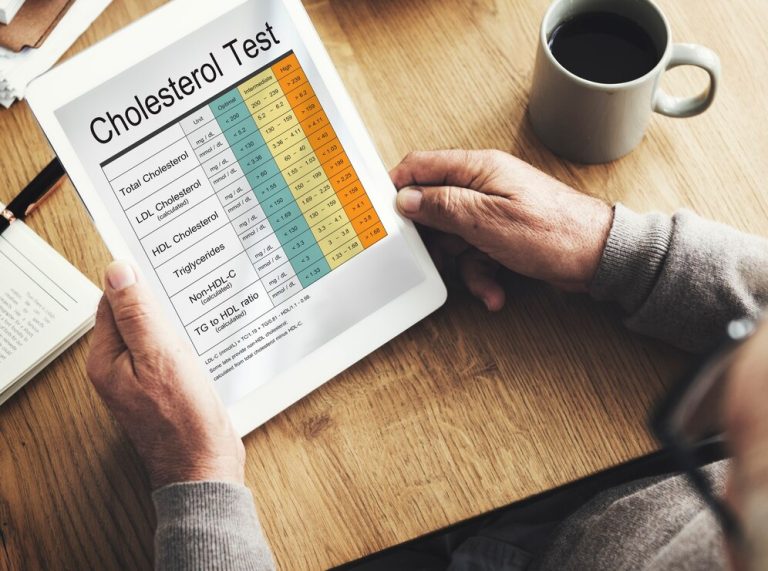
In primary care settings, cholesterol testing is a fundamental component of cardiovascular risk assessment. Understanding the different types of cholesterol measured in blood results is key to making informed clinical decisions. Cholesterol results often involve several distinct parameters, including total cholesterol, low-density lipoprotein (LDL), high-density lipoprotein (HDL), and triglycerides. Each provides unique insight into a patient’s cardiovascular health, and interpreting these results correctly can significantly influence treatment plans and patient outcomes.

This article outlines the primary types of cholesterol tested in standard lipid panels, their clinical relevance, and considerations for healthcare professionals in the UK primary care setting.

  1. Total Cholesterol

Total cholesterol (TC) represents the sum of all cholesterol types present in the blood. While this value provides an overall picture of a patient’s cholesterol levels, it does not distinguish between the different forms of cholesterol, making it less specific for identifying cardiovascular risk. Typically, total cholesterol levels above 5 mmol/L are considered high and may warrant further investigation, particularly if other cardiovascular risk factors are present.

However, total cholesterol should not be interpreted in isolation. For example, a patient with high HDL levels may have a raised total cholesterol, yet still be at a lower risk of heart disease. Conversely, a normal total cholesterol level could mask high LDL levels, which are more predictive of atherosclerosis.

  1. Low-Density Lipoprotein (LDL) Cholesterol

Low-density lipoprotein (LDL) cholesterol is often referred to as “bad” cholesterol because it is primarily responsible for transporting cholesterol to the tissues, where it can accumulate and form atherosclerotic plaques. Elevated LDL levels are strongly associated with an increased risk of cardiovascular events such as heart attacks and strokes.

For most patients, LDL levels should be kept below 3 mmol/L, though targets may be lower for those at high risk of cardiovascular disease (CVD), such as patients with diabetes or a history of heart disease. In primary care, LDL is often the primary focus of cholesterol management, and guidelines from NICE recommend that patients with elevated LDL levels should be considered for lifestyle interventions or lipid-lowering medications like statins.

  1. High-Density Lipoprotein (HDL) Cholesterol

High-density lipoprotein (HDL) cholesterol, often termed “good” cholesterol, plays a protective role in cardiovascular health by transporting cholesterol away from the arteries and back to the liver for processing and excretion. Higher levels of HDL are associated with a reduced risk of heart disease.

In general, HDL levels above 1 mmol/L in men and 1.2 mmol/L in women are considered protective, though it is worth noting that simply having high HDL does not entirely negate the risks associated with elevated LDL or total cholesterol. In fact, recent research suggests that extremely high HDL levels may not always confer added benefit and could be associated with other health risks.

Therefore, it is essential to interpret HDL levels within the broader context of the patient’s overall lipid profile and cardiovascular risk factors.

  1. Triglycerides

Triglycerides are another key component of lipid panels, though they are not technically a type of cholesterol. Instead, triglycerides are a form of fat that circulates in the bloodstream. High levels of triglycerides are often linked with conditions like obesity, diabetes, and metabolic syndrome and can significantly elevate cardiovascular risk, especially when combined with high LDL and low HDL levels.

Normal triglyceride levels are typically below 1.7 mmol/L, with elevated levels potentially indicating increased cardiovascular risk. Very high levels (above 10 mmol/L) can also increase the risk of acute pancreatitis. Triglycerides are highly sensitive to lifestyle factors such as diet, physical activity, and alcohol intake, so managing elevated triglycerides often involves lifestyle interventions in addition to pharmacological treatment.

The Importance of Context in Cholesterol Interpretation

Interpreting cholesterol results is not simply a matter of identifying high or low values. Healthcare professionals must consider the patient’s broader cardiovascular risk profile, including factors such as age, family history, smoking status, blood pressure, and co-existing conditions like diabetes. Tools like the QRISK3 calculator are commonly used in UK primary care to estimate a patient’s 10-year risk of developing cardiovascular disease, incorporating cholesterol levels alongside other risk factors.

For patients with elevated LDL or total cholesterol, lifestyle interventions are the first line of defence. Encouraging dietary changes, increased physical activity, and smoking cessation can significantly lower cholesterol levels and improve overall cardiovascular health. In cases where lifestyle modifications are insufficient, statins or other lipid-lowering medications may be prescribed based on clinical guidelines.

References:

  • NICE (2023) Cardiovascular disease: risk assessment and reduction, including lipid modification. Available at: www.nice.org.uk [Accessed 2 October 2024].
  • NHS England (2023) Cholesterol: diagnosis and management. Available at: www.nhs.uk [Accessed 2 October 2024].

For a further look at interpreting blood test results, check out PDUK’s resource on understanding blood test reference ranges:


Hormonal imbalances can significantly impact weight management, making traditional diet and exercise methods less effective. A medical weight loss clinic in Houston can offer specialized support for those facing these challenges by providing a comprehensive approach that addresses hormonal factors affecting weight. These clinics provide personalized treatment plans that target hormonal factors contributing to weight gain, helping patients achieve sustainable weight loss and improved overall health.

Understanding Hormonal Weight Issues

Hormonal weight issues stem from imbalances in the body’s endocrine system, affecting metabolism, appetite, and fat storage. Common hormones involved include insulin, cortisol, thyroid hormones, and sex hormones like estrogen and testosterone. When these hormones are out of balance, they can lead to weight gain, difficulty losing weight, and other health complications. Medical weight loss clinics specialize in identifying these hormonal imbalances through comprehensive testing and analysis. By understanding the underlying hormonal factors, these clinics can develop targeted treatment plans that address the root causes of weight issues rather than just treating the symptoms.

Comprehensive Evaluation and Diagnosis

Medical weight loss clinics offer thorough evaluations to diagnose hormonal imbalances affecting weight. This process usually entails a comprehensive review of the medical history, a thorough physical examination, and sophisticated laboratory testing. Hormone panels, metabolic assessments, and body composition analyses are common diagnostic tools used. These comprehensive evaluations allow clinicians to identify specific hormonal issues contributing to weight gain or difficulty losing weight. By pinpointing the exact hormonal imbalances, medical professionals can create highly personalized treatment plans tailored to each patient’s unique hormonal profile and weight loss goals.

Personalized Treatment Approaches

Based on the diagnostic findings, medical weight loss clinics develop customized treatment plans to address hormonal weight issues. These plans may involve a blend of hormone replacement therapy, nutritional guidance, and tailored exercise programs. Hormone replacement therapy aims to restore balance to the endocrine system, potentially improving metabolism and fat-burning capabilities. Nutritional counseling focuses on dietary changes that support hormonal balance and weight loss, often incorporating specific macronutrient ratios or meal timing strategies. Exercise programs are designed to complement hormonal treatments, focusing on activities that help regulate insulin sensitivity, reduce cortisol levels, and improve overall hormonal function.

Ongoing Monitoring and Support

Medical weight loss clinics excel in providing continuous care throughout a patient’s weight loss journey, which is crucial for achieving and maintaining long-term results. Regular follow-up appointments allow clinicians to track progress, make necessary adjustments to treatment plans, and address any emerging challenges. This ongoing monitoring ensures that the weight loss approach remains effective and adapts to the patient’s changing needs over time. Many clinics offer comprehensive support services, including behavioral counseling, stress management techniques, and lifestyle coaching. These additional resources help patients develop sustainable habits and address the psychological aspects of weight management.

Read more: How a medical weight loss clinic can help you achieve sustainable weight loss

Conclusion

Medical weight loss clinics offer specialized expertise in addressing hormonal weight issues, providing a level of care that goes beyond traditional weight loss methods. Through comprehensive evaluation, personalized treatment plans, and ongoing support, these clinics help patients overcome hormonal obstacles to weight loss. By addressing the root causes of hormonal imbalances, medical weight loss clinics not only facilitate weight loss but also promote overall health and well-being. For individuals struggling with weight issues related to hormonal factors, seeking help from a medical weight loss clinic can be a transformative step towards achieving lasting weight loss success and improved quality of life.

Gallbladder surgery, also known as cholecystectomy, is a common procedure that many individuals undergo to address various gallbladder-related issues. Despite its prevalence, there are numerous misconceptions surrounding this surgery. With medical advancements, procedures like gallbladder removal in Cobb County have become increasingly sophisticated, offering patients improved outcomes and faster recovery times. This article aims to debunk common myths and provide accurate information about gallbladder surgery, helping patients make informed decisions about their health.

Understanding Gallbladder Surgery

What is the Gallbladder?

The gallbladder is a small, pear-shaped organ located beneath the liver. Its primary function is to store and concentrate bile, a digestive fluid produced by the liver. When we eat, the gallbladder releases bile into the small intestine to aid in the digestion of fats.

Why is Gallbladder Surgery Necessary?

Gallbladder surgery becomes necessary when issues such as gallstones, inflammation, or infection prevent the organ from functioning correctly. These conditions can cause severe pain, digestive problems, and other complications if left untreated.

Common Myths About Gallbladder Surgery

Myth 1: Gallbladder Surgery is Always a Major Operation

Many people believe that gallbladder surgery is always a major, open procedure. In reality, most gallbladder removals are performed laparoscopically. This minimally invasive technique involves small incisions and typically results in faster recovery times and less post-operative pain compared to traditional open surgery.

Myth 2: You Can’t Digest Fat After Gallbladder Removal

While the gallbladder plays a role in fat digestion, its removal doesn’t mean you can’t process fats at all. The liver continues to produce bile, which is released directly into the small intestine. Most people adapt to this change and can maintain a normal diet after recovery.

Myth 3: Gallbladder Surgery Always Leads to Weight Gain

Some individuals worry that gallbladder removal will cause weight gain. However, there’s no direct link between the surgery and weight gain. Any weight changes post-surgery are typically due to dietary and lifestyle factors rather than the absence of the gallbladder.

Facts About Gallbladder Surgery

Fact 1: Recovery is Often Quicker Than Expected

With laparoscopic techniques, many patients return home the same day as their surgery. Full recovery usually takes about two weeks, although this can vary based on individual circumstances and the specific procedure performed.

Fact 2: Dietary Changes May Be Temporary

While some dietary adjustments may be necessary immediately after surgery, most patients can return to their normal eating habits within a few weeks. It’s important to follow your doctor’s advice regarding a post-operative diet and gradually reintroduce foods.

Fact 3: The Surgery is Highly Effective

Gallbladder removal is often a permanent solution for gallstone-related problems. Most patients experience significant relief from symptoms and improved quality of life after the procedure.

Considerations Before Surgery

Before opting for gallbladder surgery, it’s essential to consult with a healthcare professional. They can provide personalized advice and help determine if surgery is the best option for your specific situation. For those interested in learning more about post-surgery care, information on what to eat after gallbladder surgery can be invaluable.

The Surgical Process

Understanding the surgical process can help alleviate anxiety and prepare patients for what to expect. Gallbladder removal surgery typically begins with the administration of anesthesia. Once the patient is under, the surgeon makes small incisions in the abdomen. Through these incisions, a camera and surgical instruments are inserted. The surgeon then carefully removes the gallbladder, ensuring minimal disruption to surrounding tissues. Finally, the incisions are closed, often with dissolvable stitches.

For those seeking more details about the procedure, comprehensive information about what to expect during gallbladder removal surgery is available online.

Future Trends in Gallbladder Surgery

As medical technology advances, gallbladder surgery continues to evolve. Researchers are exploring even less invasive techniques, such as single-incision laparoscopic surgery and robotic-assisted procedures. These innovations aim to further reduce recovery time and improve patient outcomes. Additionally, there’s ongoing research into non-surgical treatments for gallstones, which may provide alternatives for some patients in the future.

Conclusion

Gallbladder surgery is a common and generally safe procedure that can significantly improve the quality of life for those suffering from gallbladder-related issues. By understanding the facts and dispelling myths surrounding the surgery, patients can approach their treatment with confidence. As surgical techniques continue to advance, the procedure is becoming even safer and more efficient. If you’re experiencing gallbladder problems, consult with a healthcare provider to discuss your options and determine the best course of action for your individual needs.

To add a perfect skincare regimen is not easy it may seem but if you consider Vitamin C skin care options, making the right choice is crucial. There are many types in it of which today we shall discuss more on using hyaluronic acid, a perfect hydrating skin care solution. It gives your skin a radiant effect at the same time, making it more resistant against early aging signs. If you are keen to learn more about this hydrating solution, you are at the right place. Learn more about how this solution can brighten your skin for a long time.

Hydro Acid and Vitamin C skin care products– How These Nutrients Help Your Skin

The use of Hyaluronic Acid and vitamin c skin care products are two wonderful options that have a huge impact on your skin. Hyaluronic Acid is a well-reputed ingredient for moisturizing, and it makes the skin appear firm and smooth because of the pulpy feel it offers. It also aids in blending texture and diminishing pore size and fine lines/Rh lines. On the other hand, Vitamin C enhances skin tone and provides an even Base that rids skin of dark spots and is protective since it is an antioxidant. These substances give your skin natural-looking young skin by combatting all the aging aspects and at the same time moisturizing and lighting the skin.

Aspirations of combining Hyaluronic Acid as well as Vitamin C:

When hydrolyzed used in conjunction with Vitamin C as the best firming eye cream and even for skin, increases the effects as provided by the above hydrolyzed when used in combination with the latter. You do not have to think twice before using it if you have sensitive skin, or skin that easily produces acne. Vitamin C is harmless for most skin types despite its acidic formulation. Choose a serum with a weaker concentration of vitamin C if you have sensitive skin to avoid redness. These substances provide your skin with the ideal glowing youthful skin by fighting the signs of aging while also hydrating and brightening it.

Why Mix Hyaluronic Acid and Vitamin C?

Hyaluronic Acid and Vitamin C taken together intensify the results provided by the former if taken collectively. Cells such as hyaluronic acid moisturize and give your skin volume, while Vitamin C sheds new light on your skin by making it bright while at the same time protecting it from aggressive environments. Altogether, they help prevent and minimize such skin problems as lines and wrinkles and enhance skin tone. The two products together are an Ideal pair for bringing back the natural glow of young skin. Otherwise, both used individually are effective in different environments pH but when combined, the effects of each ingredient are much stronger.

How to apply Vitamin C and Hyaluronic Acid in the right way

Following washing your face and ensuring the skin is all dry, add on a vitamin C serum to get the best from both hyaluronic acid and vitamin C. This makes it possible for the serum to absorb more effectively without being accompanied by sticky products that hinder its maximum absorption.

While it can take in moisture from the environment, a water-based toner applied to your face before application will enhance the level of moisture. The final step will help both serums to penetrate deep into the skin then apply a moisturizer to seal the process.

Advice on How to Combine These Ingredients

Understanding how to combine things properly is crucial. Vitamin C and hyaluronic acid complement one another well and can increase each other’s advantages. Remember that you only need two or four drops of each serum.

Hyaluronic acid can be used at any time of day, for instance, to hydrate in the morning or to replenish fluids at night. Given its prolonged benefits, vitamin C is most effective when taken first thing in the morning.

Conclusion

A skincare program that includes best hydrator for dry skin like hyaluronic acid and vitamin C has special advantages. The skin is hydrated and plumped by hyaluronic acid, and it is brightened and protected from free radicals by vitamin C. Although both components work well for all skin types, it’s a good idea to patch-test them first or get professional advice before using them in your routine. Start with Phyto C products for a customized approach, as they are made to particularly address the needs of different types of skin.

Introduction to 7OHMZ

7OHMZ offers a modern and advanced alternative to traditional Kratom, especially for those seeking a more targeted and convenient form of consumption. While Kratom is well-known for its energizing and pain-relieving properties, 7OHMZ (7-hydroxymitragynine) delivers a more refined experience with stronger, more potent effects on both the body and mind.

Key Differences Between 7OHMZ and Kratom

Chemical Composition

The key difference between 7OHMZ and Kratom lies in their chemical makeup.

  • Kratom: Derived from the Mitragyna speciosa plant, Kratom contains alkaloids like mitragynine that provide stimulating effects at lower doses and sedative effects at higher doses.
  • 7OHMZ: A concentrated form derived from 7-hydroxymitragynine, 7OHMZ produces more consistent and intense effects, particularly in areas such as pain management and relaxation.

Enhanced Potency

7OHMZ offers stronger effects than traditional Kratom, making it especially appealing for those seeking a more powerful experience with smaller doses.

Convenience and Precision

Easy-to-Use Formats

7OHMZ is available in user-friendly formats such as tablets, pills, and capsules, offering precise dosing compared to Kratom powder, which can be difficult to measure accurately.

Cost-Effectiveness

For individuals looking for consistent relief from pain, stress, or fatigue, 7OHMZ provides a stronger and more immediate effect, often making it a more cost-effective solution.

Why 7OHMZ is Gaining Popularity

Enhanced Formulation

While Kratom remains widely used, particularly in its raw or powdered form, the increasing popularity of 7OHMZ is due to its advanced formulation and ease of use.

Reliable Effects

7OHMZ stands out for its direct and reliable effects, offering rapid onset and specific outcomes like improved sleep or faster pain relief.

Where to Buy

For those wondering where to buy 7OHMZ, reputable platforms like 7OHMZ offer high-quality.

Conclusion

7OHMZ represents a significant improvement over traditional Kratom, delivering a higher concentration of active ingredients and more reliable results.

  • Whether you’re seeking calming effects or enhanced relief from chronic pain, 7OHMZ products, such as tablets and pills, are tailored to meet modern users’ needs.
  • For more information and to explore your options, check out the best 7OHMZ products available today.

Living with spinal stenosis can be challenging, especially when it comes to maintaining an active lifestyle. This condition, characterized by the narrowing of spaces within the spine, can significantly impact a person’s mobility and quality of life. For those experiencing spinal stenosis in Shreveport, understanding the condition and exploring treatment options is crucial for managing symptoms and improving overall well-being.

Understanding Spinal Stenosis

Spinal stenosis occurs when the spaces within your spine narrow, putting pressure on the nerves that travel through the spine. This condition most commonly affects the lower back (lumbar stenosis) and the neck (cervical stenosis). As the condition progresses, it can lead to various symptoms that impact mobility and daily activities.

Common Symptoms

  • Pain or cramping in the legs when walking or standing for long periods
  • Numbness, weakness, or tingling in the legs, arms, or feet
  • Difficulty with balance and coordination
  • In severe cases, problems with bowel or bladder function

The Impact on Mobility

Spinal stenosis can significantly affect a person’s ability to move freely and comfortably. Many individuals with this condition find it challenging to walk for extended periods or engage in activities they once enjoyed. The pain and discomfort associated with spinal stenosis can lead to a more sedentary lifestyle, which may further exacerbate the condition and impact overall health.

Treatment Options and Management Strategies

While spinal stenosis can be a challenging condition to live with, there are various treatment options and management strategies available to help alleviate symptoms and improve mobility.

Conservative Treatments

  1. Physical Therapy: A tailored exercise program can help strengthen the muscles supporting the spine, improve flexibility, and enhance overall mobility.
  2. Medications: Over-the-counter pain relievers, anti-inflammatory drugs, or prescription medications may be recommended to manage pain and inflammation.
  3. Lifestyle Modifications: Simple changes like using a cane or walker, modifying your posture, or taking frequent breaks during activities can help manage symptoms.
  4. Alternative Therapies: Some individuals find relief through acupuncture, chiropractic care, or massage therapy.

Advanced Interventions

For cases where conservative treatments don’t provide sufficient relief, more advanced interventions may be considered:

  1. Epidural Steroid Injections: These injections can help reduce inflammation and provide temporary pain relief.
  2. Minimally Invasive Procedures: Techniques like laminectomy or foraminotomy can help decompress the affected area of the spine.
  3. Surgical Options: In severe cases, surgical intervention may be necessary to create more space within the spinal canal and relieve pressure on the nerves.

Living with Spinal Stenosis: Tips for Maintaining Mobility

  1. Stay Active: Regular, low-impact exercises like swimming or cycling can help maintain flexibility and strength without putting excessive stress on the spine.
  2. Maintain a Healthy Weight: Excess weight can put additional stress on the spine, exacerbating symptoms of spinal stenosis.
  3. Practice Good Posture: Be mindful of your posture during daily activities to reduce strain on your spine.
  4. Use Assistive Devices: Don’t hesitate to use a cane, walker, or other assistive devices if they help you maintain mobility and independence.
  5. Seek Support: Connect with support groups or counseling services to help cope with the emotional aspects of living with a chronic condition.

The Importance of Specialized Care

For those experiencing spinal stenosis, seeking specialized care is crucial for developing an effective treatment plan. Pain management specialists in Shreveport can provide comprehensive evaluations and tailored treatment approaches to address your specific needs and help you regain mobility and quality of life.

Conclusion

The impact of spinal stenosis on mobility is undeniable, but with the right treatment, many patients can regain their independence and reduce pain. From physical therapy to advanced surgical interventions, there are numerous options available for those dealing with spinal stenosis in Shreveport. If you or someone you know is experiencing symptoms, it’s crucial to seek professional medical advice to determine the best course of action.


As a retired man in my 60s, I’ve always struggled with maintaining a toned midsection and dealing with persistent lower back pain. When I first heard about the Tactical X Abs Stimulator, I was skeptical. Could this small device really help me achieve the abs I’ve always wanted and alleviate my back discomfort?

After using it for several weeks, I’m thrilled to share my experience with this innovative product.

From the moment I started using the Tactical X Abs Stimulator, I was impressed by its ease of use and the gentle yet effective muscle contractions it produced. As someone who finds traditional ab exercises challenging due to my age and back issues, this device has been a game-changer. Not only have I noticed a visible improvement in my core strength and definition, but I’ve also experienced a significant reduction in my lower back pain.

In this review, I’ll dive into the details of how the Tactical X Abs Stimulator works, its features, and the benefits I’ve personally experienced. Whether you’re a retiree like me looking to stay fit or someone seeking an alternative to traditional ab workouts, I believe you’ll find my insights valuable. Let me tell you why this little device has become an essential part of my daily routine and how it’s helping me achieve fitness goals I thought were long out of reach.

What is Tactical X Abs Stimulator?

The Tactical X Abs Stimulator is an electronic muscle stimulation (EMS) device designed to help tone and strengthen abdominal muscles. It uses advanced EMS technology to send low-voltage electrical impulses to the abs, causing them to contract and relax, simulating a workout. The device is portable, rechargeable via USB, and features multiple training modes and intensity levels for a customizable experience.

How Does It Work

The Tactical X Abs Stimulator utilizes Electrical Muscle Stimulation (EMS) technology to activate and engage abdominal muscles. This technology sends electrical impulses through the skin to the underlying muscle fibers, causing them to contract involuntarily. These contractions mimic the natural process that occurs during physical exercise, potentially leading to improved muscle strength and tone.

The device offers six different training modes and ten intensity levels, allowing users to tailor their experience based on their fitness level and goals. These modes may include programs for muscle building, fat burning, and recovery. By consistently using the device, users may experience increased muscle activation and improved core strength over time.

It’s important to note that while the Tactical X Abs Stimulator can complement a fitness routine, it is not a substitute for a balanced diet and regular exercise. The manufacturer claims that using the device for 20 minutes is equivalent to various forms of exercise, such as running 2,000 meters or doing 60 minutes of sit-ups. However, these claims should be approached with caution, as individual results may vary.

How to Use Tactical X Abs Stimulator

To use the Tactical X Abs Stimulator effectively:

  1. Ensure your skin is clean and dry in the abdominal area.
  2. Remove the plastic backing from the gel pads and align them with the electrode areas on the back of the stimulator unit.
  3. Place the stimulator on your abdomen, positioning the control panel over your belly button.
  4. Press the power button to turn on the unit.
  5. Use the + and – buttons to adjust the intensity level (1-15) to your comfort.
  6. Select one of the six training modes.
  7. Use the device for about 20 minutes per session, 1 to 2 times a day.
  8. After use, clean the device with a damp cloth and store it properly.

For optimal results, it’s recommended to use the Tactical X Abs Stimulator consistently as part of a broader fitness routine that includes a balanced diet and regular exercise.

What I Like About Tactical X Abs Stimulator

  • Ease of use: As a retiree, I appreciate how simple it is to operate.
  • Portable design: I can use it while reading, watching TV, or even gardening.
  • Multiple intensity levels: I can adjust it to my comfort, starting low and gradually increasing.
  • Noticeable results: I’ve seen improvement in my core strength and ab definition.
  • Pain relief: It’s helped alleviate my chronic lower back pain.
  • No sweating: I can get an ab workout without the discomfort of traditional exercises.
  • USB rechargeable: Convenient and cost-effective, no need for constant battery replacements.
  • Different training modes: Variety keeps me engaged and targets different aspects of fitness.

What I Don’t Like About Tactical X Abs Stimulator

  • Initial discomfort: It took a few sessions to get used to the sensation.
  • Gel pad replacement: I need to replace the gel pads periodically, which is an extra expense.
  • Limited coverage: It primarily targets the abs and doesn’t work other muscle groups.
  • Battery life: I wish it lasted a bit longer between charges.
  • Not a complete solution: It’s not a substitute for a balanced diet and overall exercise routine.
  • Price: The initial cost might be high for some retirees on a fixed income.
  • Learning curve: It took some time to find the right settings for my body.
  • Requires consistency: Like any fitness tool, it only works if used regularly.

Is Tactical X Abs Stimulator Legit?

After using the Tactical X Abs Stimulator for several months, I’m convinced of its legitimacy. The science behind electrical muscle stimulation (EMS) is well-established, and I’ve experienced its effects firsthand. When I first strapped on the device, I could feel my abdominal muscles contracting in a way that mimicked the sensation of doing crunches or planks.

What really sold me on its effectiveness was the gradual improvement I noticed in my core strength. Simple tasks like getting out of bed or lifting groceries became noticeably easier. I even found my posture improving, which I believe is contributing to the reduction in my lower back pain.

Moreover, the Tactical X Abs Stimulator comes from a reputable company that provides clear instructions and customer support. They don’t make outlandish claims about instant six-packs or miracle transformations. Instead, they emphasize the importance of using the device as part of a broader health and fitness routine, which aligns with my understanding of sustainable wellness.

I’ve also done my research and found that similar EMS devices are used by physical therapists and professional athletes for muscle recovery and strengthening. While the Tactical X Abs Stimulator is a consumer-grade product, it’s based on the same principles.

Lastly, the visible results I’ve achieved speak volumes. At my age, I never expected to see definition in my abdominal area again, but after consistent use, I can see and feel a difference. It’s not a miracle worker, but it’s a legitimate tool that, when used correctly and consistently, can contribute to improved core strength and muscle tone. If you don’t trust my words, you can read other customer reviews.

Where to Buy a Tactical X Abs Stimulator?

When it comes to obtaining the Tactical X Abs Stimulator, the official retail store stands out as the most reliable option. They are currently running a promotional offer, though it’s unclear how long this pricing will last.

Purchasing from the official source not only ensures you receive a genuine product but also grants you access to their dedicated customer service. With their swift shipping process, you can expect your stimulator to arrive in perfect condition within days.

The 60-day money-back guarantee offered exclusively through the official store provides a risk-free trial period, allowing you to fully assess the product’s effectiveness.


In the heart of New York City, where the pace of life can sometimes overshadow personal well-being, consulting a psychiatrist can be a transformative step towards a more balanced life. The insights and support offered by a psychiatrist in NYC are invaluable for those grappling with mental health challenges. This article delves into the benefits of psychiatric consultation, exploring how it can lead to profound personal growth and enhanced overall well-being. By understanding the role of a psychiatrist and the benefits of their care, you’ll discover how seeking help can positively impact every aspect of your life.

Understanding the Role of a Psychiatrist

Psychiatrists are medical doctors specializing in mental health. They possess a unique blend of medical knowledge and psychological expertise, allowing them to diagnose and treat a wide range of mental health conditions. Unlike other mental health professionals, psychiatrists can prescribe medication when necessary, providing a comprehensive approach to treatment.

The Benefits of Psychiatric Consultation

1. Professional Diagnosis and Treatment

One of the primary advantages of consulting a psychiatrist is receiving an accurate diagnosis. Mental health issues can be complex, and symptoms often overlap. A skilled psychiatrist can distinguish between different conditions and develop a tailored treatment plan.

2. Medication Management

For some individuals, medication can be a crucial component of their mental health treatment. Psychiatrists are uniquely qualified to prescribe and manage psychiatric medications, ensuring that patients receive the right type and dosage for their specific needs.

3. Holistic Approach to Mental Health

Psychiatrists don’t just focus on symptoms; they consider the whole person. This holistic approach takes into account physical health, lifestyle factors, and personal history to provide comprehensive care.

Breaking the Stigma

Despite the growing awareness of mental health issues, stigma still exists. Consulting a psychiatrist can help normalize mental health care and encourage others to seek help when needed. It’s a brave step towards prioritizing one’s mental well-being.

The Transformative Power of Therapy

Combined with medication management, psychotherapy can be a powerful tool for personal growth. Many psychiatrists offer various therapeutic approaches, such as cognitive-behavioral therapy (CBT) or psychodynamic therapy, to help patients develop coping strategies and gain insights into their thoughts and behaviors.

Long-term Benefits

The impact of psychiatric treatment extends far beyond symptom relief. Patients often report improved relationships, increased productivity, and a greater sense of self-awareness. These long-term benefits can lead to a more fulfilling and balanced life.

Conclusion

Consulting a psychiatrist can be a life-changing decision that opens doors to better mental health and overall well-being. In a city like New York, where stress and anxiety are commonplace, taking this step towards self-care can lead to profound personal transformation. Remember, seeking help is a sign of strength, not weakness. If you’re struggling with mental health issues, consider reaching out to a psychiatrist and taking the first step towards a healthier, happier you.

In today’s dynamic healthcare environment, nurse agencies play a crucial role in ensuring that hospitals and healthcare facilities in Melbourne maintain high standards of quality and safety through their staffing practices. Whether it’s filling in temporary gaps or providing long-term placements, nurse agencies must adhere to stringent guidelines to guarantee optimal care delivery. This article delves into the mechanisms through which nurse agencies uphold these standards, ensuring both patients and healthcare providers receive the best possible support.

Introduction

Nurse agencies serve as vital intermediaries between healthcare facilities and skilled nursing professionals. Their primary goal is to ensure that hospitals in Melbourne maintain high-quality care standards by providing competent and reliable nursing staff. This article explores the multifaceted strategies employed by nurse agencies to achieve this objective, focusing on the importance of quality, safety, and regulatory compliance.

Understanding the Role of Nurse Agencies

Nurse agencies, also known as nursing staffing agencies or nurse registries, act as talent pools for healthcare facilities seeking temporary or permanent nursing staff. These agencies recruit, screen, and deploy nurses across various specialties to meet the diverse needs of hospitals and other healthcare settings.

Recruitment Processes

Recruitment forms the cornerstone of a nurse agency’s operations. They actively source candidates through job boards, referrals, and direct applications. The goal is to attract qualified nurses who possess the necessary skills and experience to excel in demanding healthcare environments.

Screening and Credentialing

Screening involves thorough background checks, verifying licenses, and assessing professional references to ensure candidates meet regulatory and organizational standards. Credentialing further validates a nurse’s qualifications and certifications, ensuring they are competent and compliant with industry requirements.

Training and Continuing Education

Training programs provided by nurse agencies ensure that nurses are equipped with up-to-date knowledge and skills essential for their roles. Continuing education opportunities further enhance their competence and professionalism, keeping them abreast of advancements in healthcare practices.

Compliance with Regulations

Strict adherence to regulatory standards is non-negotiable for nurse agencies. They must comply with state and federal laws governing healthcare staffing, including licensure requirements and workplace safety regulations.

Matching Nurses to Healthcare Settings

Successful matching involves aligning a nurse’s expertise, preferences, and availability with the needs of healthcare facilities. This ensures a seamless integration into the workplace, fostering continuity of care and patient satisfaction.

Quality Assurance and Performance Monitoring

Quality assurance protocols and performance monitoring mechanisms track nurse performance and patient outcomes. Agencies use feedback and data analytics to continuously improve service delivery and mitigate risks.

Communication Protocols

Effective communication channels between agencies, nurses, and healthcare facilities are essential for clarity, coordination, and resolving issues promptly. Clear expectations and transparent processes enhance operational efficiency.

Feedback Mechanisms

Regular feedback loops gather insights from healthcare providers and nurses to assess satisfaction levels and identify areas for improvement. This fosters a culture of continuous feedback and quality enhancement.

Emergency Preparedness

Nurse agencies must have robust emergency preparedness plans in place to respond swiftly to crises or unforeseen staffing shortages. This ensures uninterrupted patient care during critical situations.

Technology Integration

Technology plays a pivotal role in streamlining operations, from online scheduling platforms to electronic health records (EHR) integration. Advanced technologies enhance efficiency and accuracy in staffing and administrative tasks.

Cost Management

Effective cost management strategies help nurse agencies optimize resources without compromising on quality. Balancing operational expenses with competitive pricing models ensures sustainable service delivery.

FAQs

How do nurse agencies recruit nurses? 

Nurse agencies recruit nurses through job boards, referrals, and direct applications, ensuring they meet rigorous screening criteria.

What is the role of compliance in nurse staffing agencies? 

Compliance ensures nurse agencies adhere to legal and regulatory requirements, maintaining standards of care and safety.

How do nurse agencies match nurses to healthcare settings? 

Agencies match nurses based on their skills, experience, and preferences, ensuring they fit well within different healthcare environments.

What measures ensure quality assurance in nurse staffing? 

Quality assurance includes performance monitoring, feedback mechanisms, and continuous training to uphold high standards of care.

How do nurse agencies handle emergency staffing situations? 

Agencies have emergency preparedness plans and rapid response protocols to address sudden staffing needs in healthcare facilities.

Conclusion

In conclusion, nurse agencies in Melbourne uphold rigorous standards to ensure quality and safety in healthcare facilities staffing. By focusing on recruitment, credentialing, training, compliance, and continuous improvement, these agencies play a pivotal role in supporting healthcare facilities and delivering optimal patient care.