
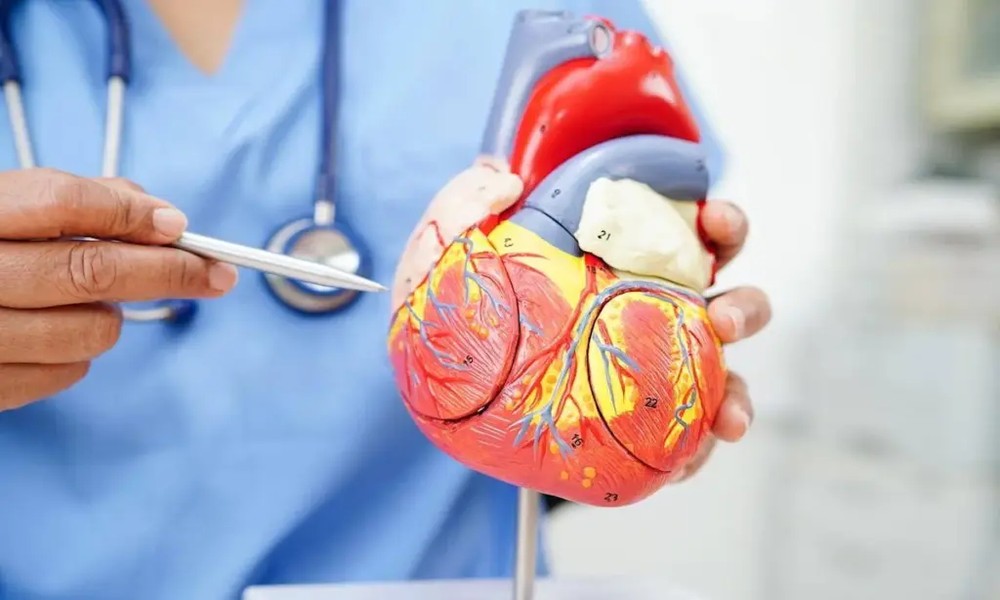
Recovering from cardiothoracic surgery takes time, patience, and proper medical support. Whether the procedure involves the heart, lungs, or chest area, pain management becomes one of the most important parts of recovery. Many patients expect discomfort after surgery, but they often feel unprepared for how pain can affect sleep, movement, breathing, and emotional wellbeing during the healing process.
Doctors now focus heavily on post-surgical pain management because controlled pain helps patients recover more safely and comfortably. Advancements in cardiothoracic care now allow surgeons to perform complex procedures with greater precision. During surgery, teams rely on advanced imaging systems, real-time monitoring, and instruments such as Surgical Aspiration Tools that help keep the surgical area clear and controlled throughout the operation.
Key Takeaways
- Pain after cardiothoracic surgery is common during the healing process
- Proper pain management supports breathing, movement, and recovery
- Early movement may help reduce complications after surgery
- Sleep, hydration, and nutrition influence healing speed
- Patients should report severe or unusual pain to healthcare providers
Why Pain Happens after Cardiothoracic Surgery
Cardiothoracic surgery places significant stress on the body. Surgeons may need to open the chest, separate tissue, or work near nerves and muscles surrounding the heart and lungs. As the body heals, inflammation naturally develops around the surgical area.
This healing response can create soreness, tightness, or sharp discomfort, especially while coughing, moving, or taking deep breaths. Some patients also experience temporary numbness or nerve sensitivity near the incision site.
Pain levels vary depending on:
- The type of surgery performed
- Overall health condition
- Age and physical fitness
- Recovery complications
- Pain tolerance levels
Most patients notice gradual improvement over several weeks, although mild discomfort may continue longer in some cases.
Why Managing Pain Matters during Recovery
Pain control does more than improve comfort. It directly supports recovery and reduces the risk of complications.
When pain becomes severe, patients may avoid deep breathing or movement because those actions feel uncomfortable. This can increase the risk of lung infections, muscle weakness, and slower healing.
Proper pain management helps patients:
- Breathe more deeply
- Move more comfortably
- Sleep better
- Participate in rehabilitation exercises
- Reduce physical stress during recovery
Doctors often create personalized pain management plans based on each patient’s condition and recovery progress.
Common Pain Management Approaches
Healthcare providers usually combine several strategies to help manage post-surgical discomfort safely.
Prescription Medications
Doctors may recommend pain medications during the early recovery phase. These medications help reduce discomfort while patients regain strength and mobility.
Healthcare teams carefully monitor dosage levels to reduce risks associated with long-term medication use.
Breathing Exercises
Deep breathing exercises help keep the lungs active after surgery. Patients often receive breathing devices that encourage slow and controlled breaths throughout recovery.
These exercises may feel uncomfortable at first, but they help improve lung function and reduce complications.
Gentle Physical Activity
Light movement supports circulation and prevents stiffness. Walking short distances often becomes an important part of recovery soon after surgery.
Patients should always follow medical guidance before increasing activity levels.
Sleep and Rest Play a Bigger Role Than People Expect
The body performs most of its healing during rest. Poor sleep may increase pain sensitivity and slow recovery.
Many patients struggle to find comfortable sleeping positions after cardiothoracic surgery. Doctors often recommend sleeping slightly elevated to reduce chest pressure and improve breathing comfort.
Creating a calm sleep environment may also help improve recovery quality. Small adjustments such as supportive pillows and consistent sleep routines can make daily discomfort easier to manage.
Nutrition and Hydration Support Healing
The body needs proper nutrition to repair tissue and maintain energy during recovery. Protein-rich foods, fruits, vegetables, and adequate hydration support the healing process naturally.
Some medications may affect appetite or digestion temporarily. Eating smaller balanced meals throughout the day often feels easier during early recovery stages.
Hydration also supports circulation and helps reduce fatigue during healing.
Emotional Recovery Deserves Attention Too
Physical healing often receives most of the attention after surgery, but emotional recovery matters just as much.
Patients sometimes experience anxiety, mood changes, or emotional exhaustion after major procedures. Fear of complications or frustration about limited mobility can increase stress levels during recovery.
Talking openly with healthcare providers, family members, or support groups may help patients manage emotional pressure more effectively.
Mental wellbeing often improves gradually as physical strength returns.
Warning Signs Patients Should Not Ignore
Some discomfort is expected after surgery, but certain symptoms require immediate medical attention.
Patients should contact their healthcare provider if they notice:
Early medical attention helps reduce the risk of serious complications.
Final Thoughts
Pain after cardiothoracic surgery can feel physically and emotionally challenging, especially during the first few weeks of recovery. However, proper pain management, gradual movement, healthy sleep habits, and medical support all help improve the healing process.
Recovery takes time, and progress may happen slowly. Patients who follow medical guidance, stay consistent with rehabilitation, and pay attention to their overall wellbeing often regain strength more confidently over time.
Modern surgical care continues improving recovery outcomes, giving patients better support throughout every stage of the healing journey.

Comments are closed.