Author

Sheri gill

Browsing

After a serious accident, the race against time begins. For victims of high-impact injuries, it’s not just about getting to a hospital—it’s about getting to the right place, fast. It is where a trauma surgeon in Singapore becomes a critical figure. While the ambulance ride may be over, the real work begins at the trauma centre, where life-or-death decisions are made in minutes. Understanding what trauma surgeons do behind the scenes offers peace of mind, and insight into how survival and recovery are shaped from the moment a patient arrives.

Here are seven key ways a trauma surgeon in Singapore makes all the difference after an accident.

1. They Respond the Moment You Arrive

In trauma care, there’s no waiting room. The moment an accident victim enters a trauma centre, a trauma surgeon is alerted. These specialists are trained to perform rapid assessments, stabilise vital functions, and identify internal injuries that might not be visible. Whether it’s a ruptured organ, broken bone, or internal bleeding, their job is to make immediate calls—often within seconds. Their ability to triage and prioritise treatment can drastically change the outcome for the patient.

2. Their Expertise Covers Multiple Specialties

Unlike general surgeons, trauma surgeons are cross-trained in several areas of medicine. From thoracic injuries to abdominal trauma, they are equipped to manage a spectrum of critical situations. In Singapore’s top trauma centres, these surgeons collaborate with neurologists, orthopaedic surgeons, and ICU teams to deliver targeted care. This multi-disciplinary knowledge allows them to adapt quickly, especially in complex cases where several injuries overlap.

3. They Lead a Highly Coordinated Team

Behind every trauma surgeon is a trauma response team. It includes nurses, anaesthetists, radiologists, and sometimes even social workers. The surgeon’s leadership ensures that everyone works in sync—whether it’s directing imaging procedures, rushing the patient into surgery, or managing blood transfusions. Trauma centres in Singapore operate under strict protocols designed to eliminate delays, and the trauma surgeon is the one who ensures those protocols are followed with precision.

4. Surgery Isn’t Always the First Move

Contrary to what many think, a trauma surgeon doesn’t always rush into surgery. In many cases, they pursue non-operative management first, especially when internal bleeding is controlled or the injury can heal without invasive measures. This careful judgement is key in reducing unnecessary risk and avoiding complications. It also shows the balance of experience and caution that defines trauma surgery in modern hospitals.

5. They Think Two Steps Ahead

A trauma surgeon in Singapore is not just thinking about survival in the first hour—they are also planning the patient’s recovery. This includes anticipating potential complications, such as infection, swelling, or respiratory failure. It also involves setting up referrals to specialists and physiotherapists early, ensuring a smoother transition from the operating room to the recovery ward and beyond.

6. They Document and Debrief to Improve Care

After surgery, trauma surgeons are involved in documenting every step of the case. This isn’t just paperwork—it’s part of a system-wide effort to improve trauma care. Hospitals use these records to review treatment timelines, identify gaps, and train future teams. Regular debriefs also take place, where teams analyse what went well and what could be improved. It’s a behind-the-scenes process that continuously sharpens the quality of emergency care in Singapore.

7. Their Impact Lasts Beyond the Emergency

Once the immediate danger passes, trauma surgeons often remain involved in the patient’s follow-up care. Some return to review surgical outcomes, adjust medication, or advise on lifestyle changes. For many patients, knowing that the same hands that saved their lives continue to guide their recovery builds trust. Trauma surgeons also contribute to public awareness campaigns, advocating for better safety standards and emergency response readiness.

Every Second—and Every Decision—Matters

After an accident, it’s not just the ambulance ride that matters. It’s who you meet at the trauma centre. A trauma surgeon in Singapore brings experience, coordination, and decision-making that is often the determining factor in survival and recovery. Their ability to act quickly, assess thoroughly, and treat confidently transforms a critical moment into a second chance.

Need expert trauma care in Singapore? Contact National University Hospital (NUH) to speak with a trusted professional today.


Many people put off visiting the dentist, often due to uncertainty about what to expect or concern about costs. However, dental care is required to ensure long-term oral health. Fortunately, residents of Ang Mo Kio and surrounding areas can easily find a variety of affordable dental clinics in Singapore that offer high-quality service at reasonable prices. Whether it’s your first routine check-up or you’re seeking treatment for a specific concern, understanding how to prepare for your dental appointment will help you feel more confident and make the most of your visit.

1. Do Your Research on Affordable Dental Clinics

Spend time researching affordable dental clinics before booking an appointment. Consider factors such as the range of services provided, the dentist’s qualifications, and the clinic’s reputation. Affordable doesn’t necessarily mean subpar—many clinics in Ang Mo Kio offer high-quality services at reasonable rates. Check if the clinic is accredited by the Singapore Dental Council (SDC) and look for reviews or testimonials that reflect patient satisfaction. A reputable clinic should also have transparent pricing and clear communication about treatment options, so you know exactly what to expect in cost and care.

2. Understand the Services Offered and Prepare Questions

Knowing what services the clinic offers is necessary when visiting a dentist in Ang Mo Kio for the first time. Most affordable dental clinics provide basic treatments such as cleaning, scaling, fillings, and simple extractions, while some also offer more advanced services like root canal therapy, crowns, and orthodontics. Prepare a list of questions regarding your dental health, especially if you have concerns about specific issues such as gum sensitivity, toothaches, or previous dental work. Bringing dental records, if available, can help the dentist understand your oral health history and recommend suitable treatments.

3. Know the Costs and Payment Options

Cost is often a key concern for first-time patients. Affordable dental clinics typically offer competitive rates, but it’s still wise to ask for a breakdown of fees during your initial consultation. Some clinics may accept Medisave for certain procedures like wisdom tooth surgery or root canals, while others might provide package deals for routine check-ups. Understanding the costs upfront ensures there are no surprises after your visit. If you have dental insurance, check whether the clinic accepts your plan and clarify any out-of-pocket expenses.

ALSO READ: Can I Pay For All My Teeth Extraction Cost With Medisave?

4. Arrive Early and Be Honest During Your Consultation

Arrive at the clinic at least 15 minutes early for your first appointment to complete registration forms and settle any administrative details. During the consultation, be honest with your dentist about your oral hygiene habits, past treatments, and any concerns you may have. Your dentist will be better able to recommend preventive measures and create a personalised treatment plan if they have accurate information. Being open about dental anxiety or fears can also help the dentist adapt their approach to ensure you feel comfortable.

5. Follow Aftercare Instructions and Schedule Regular Visits

After your appointment, the dentist will likely provide aftercare instructions, particularly if you undergo a procedure such as scaling or filling. Follow these guidelines carefully to promote healing and prevent complications. Affordable dental clinics often recommend bi-annual check-ups, and keeping to this schedule is vital for maintaining oral health. You can catch potential issues early and avoid costly treatments in the future by visiting a dentist regularly.

Conclusion

A first-time dental appointment does not need to be stressful. You can ensure a seamless encounter by researching budget dental clinics, comprehending available services, knowing the pricing, and planning ahead of time. Whether you’re visiting a dentist in Ang Mo Kio for a routine cleaning or specific treatment, taking proactive steps will help you make the most of your appointment and support long-term dental health.

Contact Frank Dental to take charge of your dental health today.

Looking for 24-hour care in San Antonio? Whether for an aging parent or someone recovering from surgery, finding the right help can feel overwhelming. But don’t worry—this guide will help you understand your best round-the-clock care options in San Antonio metro.

What Are the Best 24-Hour Care Options in San Antonio?

The best round-the-clock care options in San Antonio Metro include in-home care services, residential care homes, skilled nursing facilities, and memory care centers. These options depend on your loved one’s needs, health, and budget.

Let’s look at the details, so you can make a smart and loving choice.

1. In-Home Round-the-Clock Care

In-home care lets your loved one stay home while getting help all day and night. A trained caregiver comes to the house and helps with:

  • Getting dressed and bathing
  • Cooking and feeding
  • Medication reminders
  • Light housekeeping
  • Companionship

Why People Choose In-Home Care

Most seniors want to stay in their own home. According to AARP, about 77% of adults 50+ prefer aging in place. In-home care offers that freedom and comfort.

Case Study: Mrs. Lopez, 84

Mrs. Lopez, who lives in Alamo Heights, had trouble walking after surgery. Her daughter worked full time and couldn’t be with her during the day. They hired a 24-hour caregiver through a San Antonio agency. Mrs. Lopez recovered with help and still lives at home.

Costs of In-Home Care

In 2023, the average cost for 24/7 in-home care in San Antonio was about $19-$22 per hour. That’s about $13,000 to $16,000 each month if care is truly 24/7.

If that sounds high, there are ways to make it more affordable:

  • Long-term care insurance
  • VA benefits (for veterans)
  • Medicaid programs if you qualify

Some agencies also offer flexible pricing like overnight-only care or reduced weekend rates.

2. Residential Care Homes

These homes are real houses where 4–10 seniors live together. Staff members are available 24 hours a day. It’s like living in a home, but with help close by when needed.

Benefits of Residential Homes

  • Feels like home
  • Lower cost than big facilities
  • Personalized care
  • Families can visit anytime

Many families in the San Antonio Metro area choose this option for loved ones who don’t need much medical care but still need help daily.

Popular San Antonio Residential Care Homes

  • Carol Ann’s Home in North Central
  • Franklin Park Stone Oak
  • Autumn Leaves Memory Care

Costs range from $3,000 to $6,000 a month, depending on the level of care and amenities.

3. Skilled Nursing Facilities (Nursing Homes)

This care is for people who need serious medical care and supervision 24/7. Nurses, therapists, and medical staff are always there.

Who Needs a Nursing Home?

  • People with serious health problems
  • Seniors who just left the hospital
  • Those who can’t live safely alone

In 2023, San Antonio had over 60 nursing facilities. Some top-rated ones include:

  • Regent Care Center of Medical Center
  • The Heights on Huebner
  • Morningside Ministries at Chandler Estate

Cost and Insurance

The average monthly cost in San Antonio is $5,500 to $8,300, based on room type and care level. Medicare may cover short-term stays after a hospital visit. Medicaid can also help if you qualify.

4. Memory Care Centers

Memory care is a special kind of 24-hour care. It helps people with Alzheimer’s or dementia. These centers are secure and safe. Staff know how to calm and care for people with memory issues.

Why Choose Memory Care?

More than 400,000 Texans live with Alzheimer’s. In Bexar County alone, that number has been rising quickly. Memory care offers:

  • Secured areas to prevent wandering
  • Programs that improve brain health
  • Trained staff who understand behavior changes

San Antonio Memory Care Options

  • Sodalis at Stone Oak
  • Brookdale Oakwell
  • Arden Courts of San Antonio

Costs range from $4,000 to $7,000 per month, but some include meals and medicine in the price.

How to Choose the Right Care Option

Choosing round-the-clock care in San Antonio is a big decision. Here are some tips to help:

1. Know Your Loved One’s Needs

Write down everything they need help with—like eating, taking pills, or memory issues. This helps you decide between in-home, residential, or nursing care.

2. Visit Places in Person

Take tours of care homes, talk to staff, and look around. Ask how they handle emergencies or what food they serve. Make sure the place feels clean, bright, and welcoming.

3. Check Reviews and Ratings

Use sites like Medicare.gov, Yelp, and Caring.com to read real reviews. State inspections and safety reports also show how well a home is run.

Making Care Affordable

Caring for someone is priceless—but it does cost money. Here’s how San Antonio families help pay for care:

Use Government Programs

Texas Medicaid can help with some types of care. The STAR+PLUS HCBS waiver covers in-home and nursing facility care for those who qualify.

Look Into Veterans Help

If your loved one served in the military, they may get help through VA Aid & Attendance benefits. This can add over $1,800 a month toward care.

Long-Term Care Insurance

If your family member has this, it can pay most or all of the costs. Always check the policy closely.

Take the Next Step

Choosing round-the-clock care isn’t easy. But in San Antonio Metro, you’ve got good options. The key is to start early, ask lots of questions, and pick what feels right for your family.

Action Steps:

  1. Make a list of your loved one’s daily needs and health issues.
  2. Call and tour at least 3 local care options within the metro area.
  3. Check costs and what help (like Medicaid or VA) you may get.

You’re not alone on this journey. With the right care, your loved one can live safely and happily—around the clock.

Premium Fairtrade coffee represents the perfect blend of ethical farming and exceptional flavor, showcasing the finest in coffee cultivation. Beyond the mesmerizing aromas and intricate flavour profiles, these exceptional beans represent agricultural mastery combined with ethical practices. Coffee enthusiasts worldwide gravitate toward these premium selections, discovering layers of taste that speak to both excellence and responsibility.

Mountain cultivation mastery

High in the mountains, coffee plants grow slowly under ideal conditions. Cool air and moderate rainfall allow cherries to develop gradually, concentrating flavors through extended maturation periods. Farmers work these elevated plots with practised skill, monitoring each stage of growth while maintaining organic standards. These high-altitude regions produce beans with extraordinary depth and complexity.

Premium Coffee

Hand harvesting excellence

Skilled workers carefully select each coffee cherry at perfect ripeness, moving through mountain plots with practised efficiency. This methodical approach ensures only premium beans enter processing. Through generations of experience, harvesters recognize subtle color variations that indicate optimal maturity, maintaining exceptional standards through careful selection.

Natural processing techniques

After harvest, beans undergo precise processing that preserves their inherent qualities. Workers monitor fermentation carefully, developing desired flavor compounds while preventing any unwanted characteristics. Sun-drying takes place on elevated beds, protecting beans while ensuring even moisture reduction. This careful handling maintains premium quality throughout each processing step.

Ethical partnerships

Direct relationships between farmers and buyers establish transparency throughout the supply chain. Regular communication ensures mutual benefit, while fair prices support continued investment in quality. These partnerships create stability that allows farmers to focus on excellence rather than mere survival.

Worker welfare excellence

Fair compensation allows workers to support their families properly while building better futures. Safe working conditions protect health and promote job satisfaction. Training programs develop valuable skills, creating opportunities for advancement throughout the coffee sector.

Natural growing methods

Instead of relying on synthetic chemicals, farmers work with nature to protect their crops. Beneficial insects control pests naturally, while native birds add diversity and natural fertilization. Shade trees regulate temperature and moisture while supporting local wildlife. This balanced approach maintains healthy plants while preserving local ecosystems.

Water Stewardship

Careful irrigation practices conserve water while ensuring proper plant hydration. Natural springs provide clean water for processing, while rainfall collection systems reduce dependency on external sources. This attention to water management protects both coffee quality and community resources.

Roasting precision

Small-batch roasting ensures precise control over bean development. Roasters carefully monitor temperatures to enhance flavors and avoid harsh notes. This method emphasizes the unique qualities of premium fairtrade coffee.

Knowledge sharing

Regular training sessions help workers develop new skills while preserving traditional wisdom. Farmers exchange information about organic methods, building collective expertise. This emphasis on education strengthens the entire speciality coffee community.

Brewing expertise

Proper grinding releases optimal flavors from premium beans. Water temperature affects extraction significantly, while brewing time influences final cup characteristics. These variables combine through careful technique to create exceptional results.

The Fairtrade coffee movement represents agricultural excellence combined with social responsibility. From careful cultivation through thoughtful distribution, every step focuses on exceptional quality and positive impact. These remarkable beans deliver extraordinary experiences while supporting sustainable practices and fair treatment throughout the supply chain. Through dedication to organic methods, worker welfare, and processing precision, premium Fairtrade coffee creates remarkable results from farm to cup. Coffee enthusiasts discover complex flavors while knowing their choices support positive change throughout coffee-growing regions worldwide.

Singing and rhyming play a significant role in infant daycare San Diego centres, as well as in early childhood education settings worldwide. Here’s why they are important:

  1. Language Development:
    • Singing and rhyming expose infants to the rhythmic patterns and sounds of language. This helps infants become familiar with the cadence and structure of words and sentences, laying the foundation for language development.
  2. Vocabulary Building:
    • Songs and rhymes often incorporate a wide range of words, including less common ones. This exposure to diverse vocabulary can enhance a child’s language skills and vocabulary acquisition.
  3. Phonemic Awareness:
    • Rhymes help infants develop phonemic awareness, which is the ability to hear and manipulate the individual sounds (phonemes) in words. This is a crucial precursor to reading and literacy skills.
  4. Communication Skills:
    • Singing and rhyming provide opportunities for infants to engage in non-verbal and verbal communication. They may respond with coos, babbling, or gestures, fostering social interaction.
  5. Emotional Bonding:
    • Singing lullabies and nursery rhymes is a bonding experience for caregivers and infants. The soothing and comforting nature of music can create a strong emotional connection between the caregiver and child.
  6. Sensory Stimulation:
    • Music engages multiple senses, including hearing and rhythm perception. This sensory stimulation can be both enjoyable and educational for infants.
  7. Cognitive Development:
    • Music and rhymes can enhance cognitive skills, such as memory, attention, and pattern recognition. Infants learn to anticipate the next rhyme or verse in familiar songs.
  8. Motor Skills:
    • Actions like clapping, patting, or moving to the rhythm of songs can support the development of fine and gross motor skills in infants.
  9. Cultural Awareness:
    • Singing songs and rhymes from different cultures can introduce infants to a diverse range of musical and linguistic traditions, promoting cultural awareness and appreciation.
  10. Soothing and Comfort:
    • Many infants find comfort in familiar songs and rhymes. They can be used to calm fussy babies, make transitions smoother, and create a reassuring environment.
  11. Group Activities:
    • Singing and rhyming are often incorporated into group activities and circle time, promoting socialization and cooperation among infants.

In San Diego infant daycare centres, caregivers and early childhood educators often integrate singing and rhyming into daily routines and activities. They use a variety of age-appropriate songs, lullabies, and nursery rhymes to create a positive and enriching environment for infants. These activities are not only enjoyable but also have long-lasting benefits for a child’s development, including language, cognitive, social, and emotional growth.

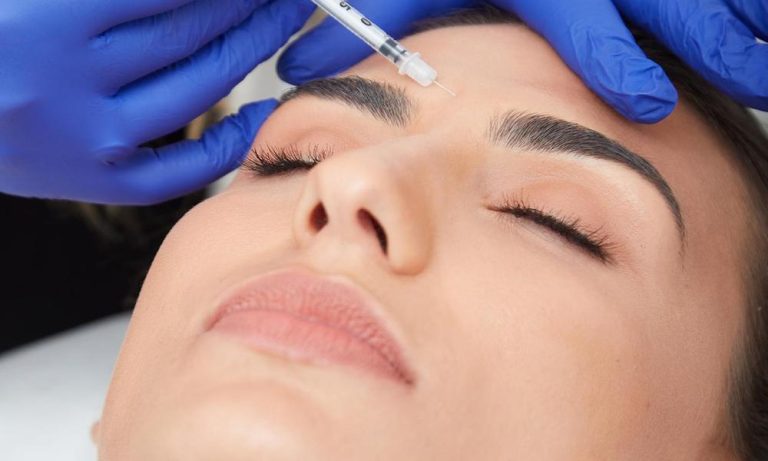
Facial treatments are a range of procedures and therapies designed to improve the appearance and health of the skin on your face. These treatments can target various skin concerns, such as acne, aging, dryness, dullness, anti-wrinkle treatment, and more.

Types of facial treatments

Here are types of facial treatments:

  • Acne facial treatment. It targets acne-prone skin, including deep cleansing, exfoliation, extractions, and specialized masks or serums to help control oil production and reduce inflammation.
  • Anti-Aging facial treatment. It reduces the signs of aging, such as fine lines, wrinkles, and age spots. These facials often include treatments like collagen masks, serums, and massage techniques.
  • Hydrating facial treatment. It is intended for dehydrated skin. The treatment includes deep hydration through masks, serums, and moisturizers to restore moisture balance.
  • Microdermabrasion. This procedure involves using a machine to exfoliate the top layer of skin, promoting cell turnover and improving the appearance of fine lines, scars, and sun damage.
  • Chemical peels. These involve applying a chemical solution to the skin to exfoliate and encourage the growth of new, smoother skin. They can be light, medium, or deep, depending on the desired results.
  • LED facial treatment. Light Emitting Diode (LED) therapy uses different wavelengths of light to target specific skin concerns, such as acne or collagen production.
  • Laser facials. Laser technology can be used for various skin issues, including pigmentation, scars, and wrinkles. Different types of lasers are used for specific concerns.

Are all these facial treatments painful?

The level of pain or discomfort experienced during facial treatments can vary widely depending on the type of treatment, your pain tolerance, and the expertise of the professional performing the procedure. Here’s a general overview of the pain levels associated with the above facial treatments:

  • Acne facial. Acne facials may involve levels of discomfort during extractions, as blackheads and whiteheads are removed from the skin.
  • Anti-Aging facial. Anti-aging facials usually involve gentle massage and the application of serums and masks. They are typically relaxing and not painful.
  • Hydrating facial. Hydrating facials are designed to provide moisture to the skin and are generally soothing rather than painful.
  • Microdermabrasion. Microdermabrasion can cause a mild scratching or stinging sensation as the outer layer of skin is exfoliated, but it’s usually well-tolerated and the discomfort is minimal.
  • Chemical peels. Chemical peels can range from mild to more intense, with deeper peels potentially causing more discomfort. Mild peels may cause some tingling or stinging, while deeper peels can lead to more significant discomfort during and after the procedure.
  • LED facial. LED facials are non-invasive and generally painless. They involve exposure to different wavelengths of light, which is usually well-tolerated.
  • Laser facials. Laser treatments can vary widely in terms of discomfort. Some lasers may cause a warming or snapping sensation, while others may require numbing cream to manage discomfort.

The effectiveness of facial treatments can vary based on individual skin type, concerns, and the expertise of the esthetician or dermatologist performing the procedure.

Enlarged pores are a common skin concern that can affect people of all ages and skin types. While pore size is primarily determined by genetics, there are several other factors that can contribute to the appearance of large pores. In this article, we will explore the causes of enlarged pores and how carbon laser peel can help to shrink pores and improve the overall appearance of the skin.

Causes of Enlarged Pores

Genetics

The size of your pores is largely determined by your genes. If your parents have large pores, chances are that you will too. Unfortunately, there is not much that can be done to change the size of your pores if they are determined by genetics.

Sun Damage

Exposure to the sun’s harmful UV rays can cause damage to the skin and lead to the appearance of enlarged pores. Sun damage can cause the skin to lose its elasticity, which can make the pores appear larger.

Aging

As we age, our skin loses elasticity and collagen, which can cause the pores to become more visible. This is because the skin around the pores becomes less firm and begins to sag, making the pores appear larger.

Clogged Pores

When pores become clogged with dirt, oil, and dead skin cells, they can become enlarged and more visible. This is because the clog in the pore causes the skin around it to become inflamed and swollen, making the pore appear larger.

Hormones

Changes in hormone levels, such as those that occur during puberty, pregnancy, and menopause, can cause the skin to produce more oil. This can lead to the appearance of enlarged pores.

Carbon Laser Peel for Enlarged Pores

Carbon laser peel is a non-invasive enlarged pores treatment that uses a laser to target the skin’s surface. The treatment is performed using a carbon lotion that is applied to the skin before the laser is used. The carbon lotion is designed to penetrate deep into the pores, where it absorbs dirt, oil, and other impurities.

Once the carbon lotion has been applied, the laser is used to heat the carbon particles. This causes the carbon to vaporize and create a mini-explosion that removes the impurities from the skin. The laser also stimulates collagen production, which can help to tighten and firm the skin, making the pores appear smaller.

Carbon laser peel is an effective treatment for reducing the appearance of enlarged pores because it targets the root causes of the problem. By removing impurities from the skin and stimulating collagen production, carbon laser peel can help to shrink pores and improve the overall texture and appearance of the skin.

In addition to its pore-shrinking benefits, carbon laser peel is also an effective treatment for a range of other skin concerns, including acne, fine lines and wrinkles, and uneven skin tone. The treatment is safe, gentle, and non-invasive, making it a popular choice for those who want to improve the appearance of their skin without undergoing surgery or other invasive procedures.

If you are considering carbon laser peel for enlarged pores or other skin concerns, it is important to choose a reputable and experienced provider. Look for a provider who has a track record of success with carbon laser peel and who uses the latest technology and techniques to ensure the best possible results.

In addition to undergoing carbon laser peel, there are several other steps you can take to help reduce the appearance of enlarged pores. These include:

Keeping Your Skin Clean

Regularly washing your face with a gentle cleanser can help to remove excess oil and dirt from your skin, which can help to prevent clogged pores and reduce the appearance of enlarged pores.

Exfoliating

Regular exfoliation can help to remove dead skin cells from the surface of your skin, which can help to prevent clogged pores and reduce the appearance of enlarged pores.

Using a Toner

Using a toner after cleansing can help to remove any remaining dirt, oil, or makeup from your skin, which can help to prevent clogged pores and reduce the appearance of enlarged pores.

Protecting Your Skin from the Sun

Wearing sunscreen and avoiding prolonged sun exposure can help to prevent sun damage, which can lead to the appearance of enlarged pores.

In conclusion, enlarged pores are a common skin concern that can be caused by a range of factors, including genetics, oily skin, sun damage, aging, clogged pores, and hormones. While there is no way to change the size of your pores if they are determined by genetics, there are several steps you can take to help reduce the appearance of enlarged pores.

Carbon laser peel is a non-invasive enlarged pores treatment that can help to shrink pores and improve the overall texture and appearance of the skin. By removing impurities from the skin and stimulating collagen production, carbon laser peel targets the root causes of enlarged pores and can help to improve the overall health and appearance of your skin.

If you are considering carbon laser peel for enlarged pores or other skin concerns, it is important to choose a reputable and experienced provider. In addition to undergoing carbon laser peel, you can also take steps to keep your skin clean, exfoliate regularly, use a toner, protect your skin from the sun, and eat a healthy diet to help reduce the appearance of enlarged pores and improve the overall health and appearance of your skin.

Taking care of your oral health is vital for your general well-being. Regular visits to a dental clinic can play a vital role in helping oral health. Despite knowing the matter of dental checkups, many people need to pay attention to them. It can lead to oral health issues in the long run. We will discuss the perks of seeing a dental clinic. Also, we will know how it can enrich oral health.

How Can Dental Clinics Improve Your Dental Health?

Preventing Tooth Decay And Cavities

Regular dental clinic visits can help prevent tooth decay and cavities. You can find a dental clinic near me (คลินิกจัดฟันใกล้ฉัน, which is the term in Thai) for comfort. A dental checkup includes cleaning your teeth. They clear plaque and tartar buildup. Plaque is a sticky film of bacteria that gets on teeth and can cause tooth decay and cavities. Tartar is a set of plaques that a dentist can only remove. By clearing plaque and tartar, your dentist can prevent the growth of tooth decay and cavities.

Early Detection Of Oral Cancer

Oral cancer can be life-threatening if not seen early. During your dental checkup, your dentist will examine your mouth, tongue, and throat for signs of oral cancer. Regular visits to a dental clinic can boost the chances of early detection.

Preventing Gum Disease

Gum disease is a typical oral health issue involving many folks worldwide. The group of bacteria causes gum disease in the mouth. It leads to problems and bleeding gums. If left untreated, gum disease can move and cause tooth loss? A dental checkup can help in early detection. It will provide prevention of gum disease. Your dentist will scan your gums. They also offer treatment if needed.

Maintaining Overall Oral Health:

Regular dental clinic visits can help keep your general oral health. Your dentist will scan your teeth, gums, and tongue. They also check the throat for any signs of oral health issues. A dental checkup includes simply cleaning your teeth. It also includes clearing plaque and tartar. Your dentist may also provide tips. They can advise on keeping good oral hygiene at home.

Improving Your Smile

A healthy smile is a vital aspect of overall well-being. Regular visits to a dental clinic can help in improving your smile. Your dentist may offer teeth whitening. They offer dental veneers or other cosmetic methods to enrich the look of your teeth.

Conclusion

Regular visits to a dental clinic can play a good role in helping oral health. Dental clinic visits can help stop tooth decay, cavities, and gum disease. Also, the early detection of oral cancer. Regular dental clinic visits can also help keep overall oral health. It can enrich your smile. Pay lookout to your oral health; visit a dental clinic.

Finding an orthopedic surgeon might be a good way to relax and unwind after a stressful day. An orthopedic surgeon is most likely the type of specialist that your primary care physician will recommend for you. How does one go about selecting an orthopedic expert to treat their condition? Please keep these fundamentals in mind.

Get Referrals

Make sure that your primary care provider is aware that you want a referral list. Reliable referrals can also come from members of one’s family and friend circle, as well as from medical experts. On their website, Scorthogroup, doctors’ training and experience are listed. Make appointments with each of the orthopedic doctors on your short list by calling their offices.

Examine the Orthopedic Surgeon’s Education and Experience.

Find a board-certified orthopedic surgeon. Board-certified orthopedic doctors can treat orthopedic diseases. Confirm that the orthopedic surgeon has never been punished or accused of misbehavior. Here is the orthopedic surgeon’s schooling, residency, board certifications, malpractice and disciplinary record, and more.

Consider Orthopedic Surgeon Knowledge.

For complicated orthopedic disorders, see a specialist. Ask about the orthopedic surgeon’s experience with similar circumstances. Ask your doctor how often they do the surgery you need and what the risks are (both the doctor’s and yours).

Consider Gender.

It’s important to feel comfortable with your orthopedic surgeon’s gender because the information you’ll share is delicate. Ask about the orthopedic surgeon’s recent training and experience with similar cases and genders. Orthopedic specialists are paying more attention to biological and psychological gender variations that can affect treatment. Because of this, ortho programs for both sexes are expanding.

Hospital Quality:

Doctors endorse your hospital. Therefore, the orthopedic surgeon’s connection to high-quality hospitals and ambulatory care clinics is crucial. Your hospital’s quality matters because its patients have fewer issues and better survival rates. Location may also matter. If you require frequent follow-ups and therapy following orthopedic surgery, be near your doctor.

Consider Your Communication Style.

Choose a friendly orthopedist who will answer your queries. Ask the orthopedic surgeon a question at your initial session to assess your rapport. Can you ask questions and get clear answers? Was your initial consultation rushed or involved? Find an orthopedic doctor that cares about you, listens to your concerns, and respects your treatment choices.

Patient Testimonials

Patient ratings reveal a doctor’s procedures and office efficiency. Reviewers often ask about making an appointment, waiting time, waiting area comfort, and staff friendliness. Read user reviews to learn if patients feel comfortable giving sensitive information, how much time the doctor spends with them, and how knowledgeable the doctor is.

Know your coverage.

Insurance is prudent. To maximize coverage and limit out-of-pocket costs, choose an orthopedic surgeon that accepts your insurance. When picking an orthopedic surgeon through insurance, consider their credentials, experience, outcomes, and the quality of their institution.

A renowned skincare brand usually formulates products with beneficial and potent active ingredients. These products can solve skin concerns like acne, scars, pigmentation, open pores, dull skin, etc. Moreover, a skincare app ensures transparency and authenticity by mentioning the exact percentage of non-harmful chemicals in the products. We can also find sunscreen products on the skincare platform for oily skin.

Nowadays, following skin care routines and the use of filters is very crucial to enhance the appearance and look. The app developers always encourage us to embrace our no-filter look. We can choose from different science-backed skincare solutions to solve any skin problems. 

Best Products They Offer:

  1. Skincare Products:

Various skincare products like sunscreen SPF 30 available on the app suit different skin care needs. Skincare platforms usually make products with safe and effective ingredients. We can customize the products according to our skin type, like oily, dry, normal, or sensitive skin. The skincare experts recommend the products to solve skin issues, including acne, aging, dark spots, dark patches, tanning, etc.

  1. Hair Care Products:

We get customized hair care products formulated with safe ingredients for the long-term health of our hair. The haircare app makes the products according to our hair type, hair needs, and hair growth. These products are helpful for any hair type, be it oily, dry, normal, straight, curly, or wavy. 

We also get an effective result by using the products for different hair issues such as hair dandruff, hair fall, hair loss, and more. In addition, we can directly consult with the hair care experts to fulfill our goals, be it long hair, thick hair, silky hair, or anything else.

  1. Nutrition & Diet:

We should give our body all the nutrients it requires. The skincare app helps us know what nutrients our body needs and how to get those supplements. A dietary supplement can bridge the gap in our nutritional consumption. Therefore, getting a health supplement that strengthens our bodies and keeps us active is essential. Dietary choices can also affect our skin’s health. The online platform helps us connect with skin experts through the chat portal to get diet and lifestyle assistance anytime.

Features Of A Skincare App:

  • A skincare app is user-friendly and straightforward so that anyone can get assistance from their platform.
  • We can easily track our order, refund, and return status with the help of an app.
  • The app ensures safety and security and provides multiple payment options, including Debit or Credit card, NEFT, IMPS, UPI, Net banking, etc.
  • We can easily avail of their premium subscription plan to enjoy some extraordinary features on the virtual skincare platform.
  • They offer exclusive sale access and discount coupons and provide excellent customer service to their customers.

Most online skincare platforms have essential features for flawless skin without harmful ingredients or chemicals. In addition, we can discover various good-quality products such as serums, cleansers, moisturizers, sunscreen lotions, and toners through the app. So, we should get ready for a hassle-free shopping experience and great offers as we shop from home according to our convenience.