Category

Health

Category

In recent years, invisible aligners have gained popularity as a convenient and less conspicuous alternative to traditional braces for teeth straightening. These clear, removable trays promise to provide effective orthodontic treatment with minimal disruption to one’s daily life. However, like any medical treatment, invisible aligners may not always yield the desired results for every individual. It’s essential to be vigilant and aware of signs that the aligners might not be working as intended.

In this article, 5 signs that indicate invisible aligners may not be producing the desired outcome will be explored, so you can know when you may need to take action.

No visible progress

One of the most evident signs that invisible aligners might not be working as expected is the lack of visible progress in the alignment of your teeth. While orthodontic treatment does take time, there should be some noticeable changes after a few months of consistent wear. If you find that your teeth appear virtually unchanged despite following the treatment plan meticulously, it could be an indication that the aligners are not effectively moving your teeth into the desired positions.

It’s essential to regularly compare your teeth’s current state with the initial condition documented by your orthodontist. If the difference is minimal or nonexistent, it’s time to discuss your concerns with your orthodontist. They might need to reassess your treatment plan and make necessary adjustments.

Discomfort persists

Many people are surprised to learn that when they have aligners like Invisalign London, their teeth begin to hurt. It is, unfortunately, part of the process, and it is the job of the aligners to move the teeth, causing the soreness.

So, some level of discomfort is expected when you first start wearing invisible aligners or switch to a new set. This discomfort usually stems from the pressure exerted on your teeth as they shift positions. However, if the discomfort persists beyond the initial adjustment period and is particularly intense, it could indicate that the aligners are not fitting properly or that the treatment plan needs modification.

Continuous discomfort may suggest that the aligners are not exerting the necessary forces to move your teeth effectively or that they are applying too much, which can cause issues with your teeth, your roots and your jaw. It’s crucial to communicate with your orthodontist about the discomfort you’re experiencing. They can assess the fit of the aligners and make any needed adjustments to ensure that the treatment is on track.

Teeth misalignment

Invisible aligners are designed to correct a range of orthodontic issues, from minor crowding to more severe misalignments. However, if you notice that your teeth are becoming more misaligned or overlapping as you progress through the treatment, it’s a definite sign that the aligners are not working as intended.

Orthodontic treatment requires careful planning and monitoring to ensure that each step of the process is leading towards the desired outcome. If your teeth are moving in the wrong direction, it could be due to a misjudgment in the treatment plan or an issue with the aligners themselves. Regular check-ups with your orthodontist are vital to catch and address any misalignment issues promptly.

Treatment timeline extends significantly

Invisible aligner treatments typically come with a projected timeline outlining how long each set of aligners should be worn before moving on to the next set. If you find that your treatment timeline is consistently extending beyond the originally estimated duration, it’s a clear indicator that the aligners might not be working as effectively as anticipated.

Prolonged treatment timelines could be the result of various factors, such as slow tooth movement or inadequate aligner fit. Your orthodontist should be closely monitoring your progress and adjusting the treatment plan if necessary. If you notice that your treatment is taking significantly longer than expected, it’s essential to discuss your concerns with your orthodontist to prevent further delays.

Visible gaps or bite issues

In some cases, invisible aligners might inadvertently create gaps between your teeth or cause bite problems. While minor gaps can be a normal part of the alignment process, if you notice significant spaces developing between your teeth or if your bite feels uneven or uncomfortable, it’s a sign that the aligners may not be achieving the desired results, and you need to talk to your dentist or provider.

Gaps or bite problems could indicate that the aligners are not fitting properly or that the treatment plan needs adjustment. It’s crucial to communicate any concerns about your bite or visible gaps to your orthodontist. They can assess the situation and make the necessary modifications to ensure that your treatment is progressing as intended.

Tooth decay and gum disease are the main causes of tooth loss in Sydney and all of Australia. If you are suffering from cavities, tooth decay, or gum disease, then it is important that you speak to your dentist sooner rather than later so that they can prevent irreversible damage and restore the function and appearance of your teeth.

Cavities, tooth decay, and gum disease occur as a result of poor dental hygiene and avoiding the dentist. You need to maintain excellent dental hygiene at home which means brushing your teeth at least twice a day, flossing between your teeth at least once a day, and using a mouthwash where necessary to remove excess bacteria and food particles from your mouth. You need to maintain a healthy lifestyle which means enjoying healthy food and drink, avoiding sugary snacks and drinks, avoiding poor lifestyle choices such as smoking, excessive drinking and drug abuse, and also visiting the dentist at least once every six months; but more often where necessary.  As well as the dentist you should visit the hygienist at least once every six months so that they can make sure that your teeth and gums are clean and healthy and free of any signs of decay or disease. If you have avoided the dentist for a long period of time or despite good dental hygiene and visiting the dentist, you are more prone to developing cavities, tooth decay or being affected by gum disease as a result of genetics or other underlying issues for example medical conditions, then you may have irreversible damage which either needs maintenance or you may need to undergo a tooth extraction.

Dental implants Sydney CBD

If you lose a tooth, or you need to have a tooth extraction, then you need to speak to your dentist and find out about dental implants Sydney CBD. Dental implants Sydney CBD are an excellent method of replacing missing teeth and should be done sooner rather than later to avoid the many complications that tooth loss can have on your dental health, your mental health, and your well-being. Tooth loss affects your remaining teeth and the health of your gums and jawbone. The rest of your teeth can become crooked and wonky as they try to fill the gap left by the missing tooth. The teeth can become weaker, especially the adjacent teeth, as there is a loss of support and your gums and jawbone that were holding the tooth in place can become decayed because they no longer have a function. You may notice more of your teeth becoming loose in a very short amount of time. Missing teeth also affects your ability to bite and chew your food, which means you may not be able to eat your favourite foods anymore.

Depending on which teeth you are missing, tooth loss can also affect your speech and this can be embarrassing or uncomfortable. Another major consequence of missing teeth is that it has a significant impact on the appearance of your smile. This can affect your self-confidence and your self-esteem. It can affect the impression you make on other people when they meet you, and it can cause social anxiety, sadness, and even depression. If you want to restore the appearance of your smile and the function of your mouth, you need to speak to your dentist and find out about dental implants Sydney CBD as soon as possible.

Dental implant surgery

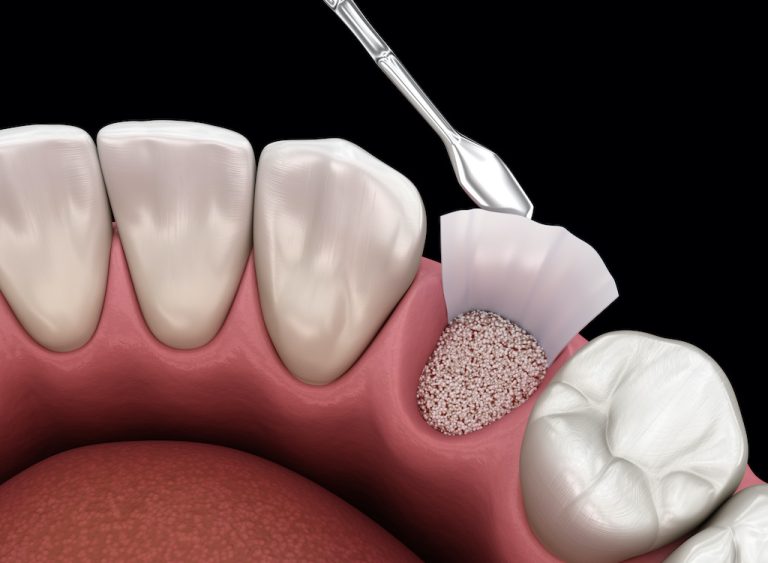
If you avoid the dentist, then gum recession and bone decay can make it more difficult for you to replace your missing teeth. You will need to undergo a bone graft and a gum graft that can lengthen the process. The process itself is an invasive surgical procedure. Dental implants Sydney CBD are small titanium implants that are inserted directly into the bone socket of the missing tooth. Gum is stitched over the implant so that the implant can heal. The healing process can take 4 to 6 months depending on your individual health and well-being. Once the implant is in place, then it is fixed with a crown, partial dentures, or full dentures, depending on how many teeth you are replacing. You may need more than one dental implant if you have multiple missing teeth. If you have up to 3 adjacent missing teeth, then you may only need one implant. Your dentist will examine your teeth, gums and bone and take x-rays and photographs where necessary and they will plan your surgery accordingly. Speak to your dentist sooner rather than later and avoid the complications of tooth loss and enjoy the benefits of replacing missing teeth.

Disclaimer

Any surgical or invasive procedure carries risks. Before proceeding you should seek a second opinion from an appropriately qualified health practitioner.

Statistics show that adults in Australia have an average of 4.5 missing teeth and, although tooth loss is not a natural part of the ageing process, here in Australia it is very common with more than a third of senior patients over the age of 75 suffering from complete tooth loss.

Periodontal disease is one of the biggest threats to dental health.

What is periodontal disease?

Periodontal disease is a disease of the gums or the supporting structures of the teeth and as mentioned, is the most common cause of tooth loss in Australia. Periodontal disease mainly occurs as a result of poor dental hygiene and avoiding the dentist. It is important that you brush your teeth at least twice a day, floss at least once, maintain a healthy diet, avoid unhealthy lifestyle choices, such as smoking and visit the dentist on a regular basis. It is important that you visit your dentist at least once every six months, as well as your hygienist, to make sure that your teeth are clean and healthy and to remove excess plaque and tartar from the surface of your teeth and below the gum line where necessary.

Bacteria in the plaque and tartar release acids and toxins which inflame and damage your gums. Inflammation causes your body to send more blood to the affected area. This, in turn, can cause your gums to bleed when you brush your teeth as well as redness, swelling, and soreness. Over time the gums start coming away from your teeth, creating small pockets where more plaque and bacteria can build up. If you avoid the dentist, then these pockets may deepen, eventually weakening the bones and tissues that support and protect your teeth. Your teeth will become loose and eventually fall out.

What is a dental implant?

If you have lost a tooth as a result of periodontal disease, then you need to speak to your dentist and find out about replacing it sooner rather than later. One of the most popular methods of tooth replacement is with a dental implant Melbourne. A dental implant Melbourne is a small, titanium screw that is inserted into the bone socket of your missing tooth and acts as a replacement tooth root. A dental implant Melbourne is strong, noncorrosive and biocompatible which means that it will integrate with your body without causing an adverse reaction. Titanium causes osseointegration to occur, which means that when the metal screw is inserted into your jaw, it will encourage osteoblasts which are bone forming cells to form around it and lock it securely in place. This screw can then only be removed by fracturing the bone. Therefore it becomes a permanent fixture in your mouth, which means it is ideal for tooth replacement. The implant itself acts as a foundation for the replacement tooth which can be a crown, a set of partial dentures or a set of full dentures, depending on how many teeth you are missing and need replacing. With a strong, fixed foundation your crown or dentures will look and feel like your natural teeth. If this sounds like what you are looking for then speak to your dentist and find out if you are eligible for a dental implant.

Dental implants for patients with periodontal disease

Dental implants have a success rate of 98%; however, different underlying conditions can affect this percentage. Therefore, your Dentist will need to make an informed decision of whether or not dental implants are suitable for you. Periodontal disease must be treated before you can undergo dental implant surgery. Firstly, your teeth and gums will need to be cleaned thoroughly by undergoing deep scaling and root planing with your hygienist. This removes bacteria, plaque, and tartar from your teeth, below your gum line, and from the roots of your teeth as well. You may require a course of antibiotics at the same time or after your procedure. After this, you may require a gum graft which is used to strengthen receding gums and support your teeth successfully. Once the Dentist is happy that periodontal disease is under control, you can prepare for dental implant surgery. Once you have undergone the surgery it is essential that you maintain excellent dental hygiene and visit the dentist on a regular basis to make sure that your gums remain strong and healthy so that your replacement teeth can last for the rest of your life. Speak to your dentist today to find out more about treating periodontal disease and whether or not you can replace your missing teeth with dental implants. Dental implants are highly beneficial and although it may seem like a lengthy process, it is worth the effort.

Disclaimer

Any surgical or invasive procedure carries risks. Before proceeding you should seek a second opinion from an appropriately qualified health practitioner.

Mental health issues affect millions of people worldwide, and finding effective treatments can be a challenging journey. While traditional therapies and medications have been valuable tools in the fight against conditions like depression, anxiety, and obsessive-compulsive disorder (OCD), they don’t always provide the relief individuals desperately need. In this article, we’ll explore Deep TMS therapy, a cutting-edge approach that’s changing the landscape of mental health treatment.

Understanding deep TMS therapy

Deep Transcranial Magnetic Stimulation, or Deep TMS, is a revolutionary therapy that harnesses the power of magnetic fields to stimulate specific regions of the brain. Unlike traditional TMS, which targets surface areas, Deep TMS reaches deeper brain structures, making it a promising option for a wide range of mental health conditions.

How it works?

Deep TMS therapy involves the use of a specially designed helmet equipped with electromagnetic coils. The patient sits comfortably while the helmet emits magnetic pulses that penetrate the skull and reach the targeted brain areas. These pulses stimulate neural activity, encouraging the brain to rebalance itself.

Why deep TMS therapy matters?

One of the key advantages of Deep TMS therapy is its non-invasive nature. Unlike invasive procedures or medication regimens that may come with side effects, Deep TMS carries minimal risk and is well-tolerated by most patients. This makes it a viable option for individuals who have not responded to conventional treatments or wish to avoid medication.

Deep TMS therapy has shown significant promise in treating various mental health conditions, including:

Depression: Deep TMS has been FDA-approved for the treatment of major depressive disorder (MDD). By stimulating brain regions associated with mood regulation, this therapy offers a lifeline to those who have struggled with persistent sadness and hopelessness.

Anxiety: Anxiety disorders are among the most common mental health issues worldwide. Deep TMS has demonstrated effectiveness in reducing anxiety symptoms, offering a path to a more peaceful mind.

Obsessive-Compulsive Disorder (OCD): For individuals plagued by intrusive thoughts and compulsive behaviors, Deep TMS provides hope for managing and alleviating symptoms.

The future of mental health care

Deep TMS therapy is more than just a treatment; it represents a significant leap forward in the world of mental health care. Its non-invasive nature, minimal side effects, and remarkable effectiveness are opening doors for individuals who have felt trapped by their mental health conditions.

Personalized treatment plans

One of the strengths of Deep TMS therapy is its adaptability. Clinicians can tailor treatment plans to suit each patient’s unique needs. This personalized approach ensures that individuals receive the most effective care possible, promoting a higher chance of success in managing their mental health.

Reducing the stigma

Mental health conditions often carry a stigma that can deter individuals from seeking help. Deep TMS therapy’s non-pharmacological approach and high success rates may encourage more people to take the first step toward treatment, reducing the stigma surrounding mental health.

Conclusion

Deep TMS therapy is a beacon of hope for those navigating the complex world of mental health. With its non-invasive nature, minimal side effects, and impressive results, it has the potential to transform lives.

Are you going to get bone grafting surgery? Are you sure you are ready for it? If not, then here are some tips for you to prepare yourself for bone grafting from a Cumming, GA pediatric orthodontist.

Understanding the Need for Bone Grafting: Reasons and Benefits 

Bone grafting is a procedure used to augment or rebuild bone in the jaw before dental implant placement. Some usual reasons are:

  • Tooth loss:

 When a tooth is missing, the bone supporting it begins to shrink or weaken over time due to the lack of stimulation that comes from using that tooth for chewing and biting.

  • Periodontal disease:

Advanced gum disease can lead to the destruction of the bone and soft tissues around the teeth.

  • Dental trauma or injury:

Injuries or accidents can result in bone loss and may necessitate bone grafting before implant placement.

  • Congenital conditions: 

Some people have congenital diseases that result in reduced jawbone density or structure.

The patient’s oral health can be improved by augmenting the jawbone with a graft.

Do’s and don’ts before grafting surgery:

  • Do not eat or drink anything after midnight.
  •  Wear loose and comfy clothes on the day of treatment; do not worry about fashion for at least one day.
  • Relieve yourself in the restroom before the treatment so you can get it done without worrying about it.
  •  If you wear contact lenses, please remove them. It’s much safer that way. Remove any acrylic fingernails or nail polish. 
  • Many surgeons are hesitant to perform surgery if you are sick or not feeling well. So, if you are feeling under the weather, you should consider rescheduling your appointment, as it’s best for your mental and physical health.

What should I do after the bone grafting surgery?

After a bone grafting procedure, proper postoperative care is crucial. So, you should follow the given tips for a smooth recovery:

  • Take prescribed painkillers as per your need to remain comfortable during the initial days.
  • If you are facing swelling problems, apply ice packs wrapped in a cloth to the affected area at 20-minute intervals. 
  • Eat only soft foods for the first few days following surgery; gradually, you can eat hard food as it gets comfortable.
  • Maintain constant oral hygiene by gently brushing and using an antiseptic mouthwash to keep the surgical area clean and free of germs and cavities.
  • Prioritize rest and avoid strenuous activities for at least one week after the procedure. 
  • Do not forget to attend scheduled postoperative appointments with your oral surgeon to ensure proper healing.

Speak to your doctor today!

Talk with your doctor about all your concerns and clear up all your doubts about the upcoming surgery for a safe operation.

Addiction is a complex and pervasive issue that affects millions of individuals worldwide. While traditional approaches to addiction treatment, such as counseling and medication, have proven effective, many individuals find that holistic therapies can be a valuable complement to their recovery journey. In this article, we will explore the role of holistic therapies in addiction recovery and how they contribute to the healing process.

Understanding Holistic Therapies

Holistic therapies, also known as complementary or alternative therapies, focus on treating the whole person—mind, body, and spirit. They acknowledge the interconnectedness of physical, emotional, and spiritual well-being. Some popular holistic therapies used in addiction recovery include:

  1. Yoga: Yoga combines physical postures, breathing exercises, and meditation to promote relaxation and self-awareness. It can help individuals in recovery manage stress, reduce anxiety, and improve overall well-being.
  2. Meditation: Meditation techniques, such as mindfulness meditation, teach individuals to be present in the moment, observe their thoughts without judgment, and find inner peace. Meditation can be a powerful tool for managing cravings and building resilience.
  3. Acupuncture: Acupuncture involves inserting thin needles into specific points on the body to restore balance and promote healing. In addiction recovery, acupuncture may aid in reducing withdrawal symptoms and cravings.
  4. Art Therapy: Art therapy encourages creative expression as a means of processing emotions and trauma. Engaging in artistic activities can provide individuals in recovery with a healthy outlet for their feelings and experiences.
  5. Massage Therapy: Massage therapy not only relaxes the body but also releases endorphins, the body’s natural painkillers. It can help alleviate physical discomfort and improve mood during recovery.

The Holistic Approach to Healing

Holistic therapies embrace several key principles that align with addiction recovery:

  1. Self-Awareness:Holistic therapies encourage individuals to become more aware of their thoughts, emotions, and physical sensations. This self-awareness is essential in recognizing triggers and managing cravings.
  2. Stress Reduction: Stress is a common trigger for substance abuse. Holistic therapies provide effective tools for stress reduction, promoting relaxation and emotional balance.
  3. Emotional Healing: Addiction often stems from unprocessed emotional pain or trauma. Holistic therapies offer a safe space for individuals to explore and heal these underlying emotional issues.
  4. Physical Well-Being: Physical health is closely linked to mental and emotional well-being. Holistic therapies address physical health through practices like yoga, acupuncture, and massage.
  5. Whole-Person Healing: Holistic therapies view individuals as complex beings with interconnected aspects of health. They aim to restore balance and harmony to the entire person, not just treat symptoms.

Benefits of Holistic Therapies in Addiction Recovery

  1. Reduced Relapse Risk: Holistic therapies can equip individuals with effective coping mechanisms, reducing the risk of relapse when faced with stress or triggers.
  2. Improved Mental Health: Holistic therapies can alleviate symptoms of anxiety, depression, and other mental health issues that often co-occur with addiction.
  3. Enhanced Resilience: Building physical and emotional resilience through holistic practices can empower individuals to face challenges in recovery.
  4. Better Quality of Life: Holistic therapies contribute to an improved overall quality of life by promoting well-being, reducing pain, and enhancing emotional health.
  5. Mindfulness and Gratitude: Many holistic practices emphasize mindfulness and gratitude, which can shift individuals’ perspectives toward positivity and contentment.

Integrating Holistic Therapies into Treatment

The integration of holistic therapies into addiction treatment programs can vary widely depending on the facility and the individual’s needs. Here are some ways in which holistic therapies can be incorporated:

  1. Inpatient and Outpatient Programs: Holistic therapies can be offered as part of inpatient or outpatient addiction treatment programs.
  2. Individual and Group Sessions: Individuals may receive one-on-one holistic therapy sessions or participate in group sessions with peers.
  3. Complementary Approach: Holistic therapies are often used alongside evidence-based treatments, providing a well-rounded approach to recovery.
  4. Personalized Plans: Treatment plans should be tailored to the individual’s unique needs, incorporating the holistic therapies that resonate most with them.
  5. Aftercare: Many individuals continue to practice holistic therapies in their daily lives as part of their aftercare plan to support ongoing recovery.

Conclusion

Holistic therapies offer valuable tools and practices for individuals seeking recovery from addiction. By addressing the physical, emotional, and spiritual aspects of well-being, these therapies complement traditional addiction treatment approaches. They empower individuals to cultivate self-awareness, reduce stress, heal emotionally, and build resilience—all essential components of a successful and sustainable recovery journey. Holistic therapies are not a replacement for evidence-based addiction treatment but rather a powerful addition to the toolkit of those on the path to healing and sobriety.

Humans are built with many body systems that function to help humans live and survive. The human reproductive system plays a role not only for expanding human lineage but also helps the many bodies system to work well. This is thanks to hormones involved in the reproductive system. However, there are differences in the male and female reproductive system in terms of changes that involve within the process. The female reproductive system constantly has changes and stages compared to male. Hence, medicine such as Femara 2.5 mg is widely used for females. In this article, we will be going through one of the stages of the female reproductive system known as postmenopausal syndrome.

Postmenopausal syndrome is a syndrome that refers to the final stage of the menopause process. Menopause is described as permanent cessation of menstruation. Menopause is defined as the time of the final menstrual period and followed by 12 months of amenorrhea (absence of menstruation). Post-menopausal begins officially 12 months after the menopause. Post-menopausal symptoms last for the rest of a woman’s life.

Postmenopausal syndrome can occur at different ages, depending on the hormone level changes triggering the menopausal process which ultimately affect the postmenopausal occurrence. For most women, it is the same hormone level changes leading to postmenopausal symptoms. However, there are factors that may affect the initial time of the postmenopausal to begin such as bad lifestyle habits such as drinking alcohol and smoking, constant level of high stress and surgery of removing the ovaries. Once a female reaches postmenopausal, the hormone levels remain constant at low levels.

Postmenopausal symptoms include hot flushes, mood swings, irritability, insomnia, vaginal dryness, insomnia, mental confusion, difficulty concentrating, headache and overactive bladder. These symptoms are just among the many symptoms affecting postmenopausal women. It is quite difficult to distinguish symptoms related to hormone changes leading to the postmenopausal stage and from ageing process or socio-environmental stresses during the midlife.

The issue with postmenopausal women does not stop with the symptoms but also the risk of diseases that comes with it. This is because hormonal changes do cost many changes in the body system. Postmenopausal women are at risk for diseases such as osteoporosis, cardiovascular diseases and metabolic diseases. Such diseases can be life-threatening and may result in great disability which affects the woman’s quality of life. Beside these harmful diseases, it also affects the urinary system causing bladder leakage, urinary tract infections. These diseases are a result of the low level of estrogen causing changes to the organs and body system.

Doctors are usually able to diagnose postmenopausal syndrome based on symptoms and evaluating the menstrual cycle. In some cases, doctors may recommend blood tests to check for hormone levels, specifically FSH hormones. Follicle stimulating hormones (FSH) is a hormone produced by the pituitary gland, an endocrine gland located at the base of the brain. FSH hormones are hormones that cause ovarian follicles to enlarge and produce estrogen. As females get older, the number of follicles get smaller and the remaining fewer follicles are only able to produce estrogen. This explains why there is low level of estrogen in postmenopausal women and continues to remain as there is no more follicle that can be stimulated to produce estrogen. At the same time, the level of FSH increases as there is an attempt to trigger estrogen production and the low level of estrogen is not enough to send signals for the brain to turn off the FSH production.

Besides blood tests, additional examinations such as pelvic exams, breast exams, mammograms, pap smears, cancer screening and osteoporosis tests should be expected when a postmenopausal woman meets a doctor. It is best to get continuous medical check-ups to prevent many diseases that develop after menopause. If a postmenopausal woman experiences vaginal bleeding, they should seek medical advice as this may be a sign of a serious health condition such as atrophic vaginitis, endometrial atrophy and growth in the cervix or uterus.

There are treatments available to help postmenopausal women cope with these changes and for them to have a better life. Hormone replacement therapy is the common therapy used to help treat postmenopausal symptoms. Treatments usually starts with the lowest effective dose and review by the doctor is needed to decide if the dose is enough to be regularly continued.

Buy Exforge 5/80mg Tablet 28s

You might be wondering what you can do to take care of postmenopausal health. Taking care of this will help to reduce all the symptoms associated. Here are what you can do to help yourself living with this condition:

  • Get regular health examination to reduce risk for diseases such as heart diseases and osteoporosis
  • Do regular exercises
  • Avoid unhealthy habits such as smoking and drinking alcohol
  • Take supplement such as calcium and vitamin D
  • Practise healthy eating habits such as high consumption of fruits and vegetables, eat and drink on low-fat dairy products
  • Drink plenty of water and go to toilet when needed to reduce possibility of urinary tract infections (UTIs)
  • Learn how to manage stress effectively.


Singing and rhyming play a significant role in infant daycare San Diego centres, as well as in early childhood education settings worldwide. Here’s why they are important:

  1. Language Development:
    • Singing and rhyming expose infants to the rhythmic patterns and sounds of language. This helps infants become familiar with the cadence and structure of words and sentences, laying the foundation for language development.
  2. Vocabulary Building:
    • Songs and rhymes often incorporate a wide range of words, including less common ones. This exposure to diverse vocabulary can enhance a child’s language skills and vocabulary acquisition.
  3. Phonemic Awareness:
    • Rhymes help infants develop phonemic awareness, which is the ability to hear and manipulate the individual sounds (phonemes) in words. This is a crucial precursor to reading and literacy skills.
  4. Communication Skills:
    • Singing and rhyming provide opportunities for infants to engage in non-verbal and verbal communication. They may respond with coos, babbling, or gestures, fostering social interaction.
  5. Emotional Bonding:
    • Singing lullabies and nursery rhymes is a bonding experience for caregivers and infants. The soothing and comforting nature of music can create a strong emotional connection between the caregiver and child.
  6. Sensory Stimulation:
    • Music engages multiple senses, including hearing and rhythm perception. This sensory stimulation can be both enjoyable and educational for infants.
  7. Cognitive Development:
    • Music and rhymes can enhance cognitive skills, such as memory, attention, and pattern recognition. Infants learn to anticipate the next rhyme or verse in familiar songs.
  8. Motor Skills:
    • Actions like clapping, patting, or moving to the rhythm of songs can support the development of fine and gross motor skills in infants.
  9. Cultural Awareness:
    • Singing songs and rhymes from different cultures can introduce infants to a diverse range of musical and linguistic traditions, promoting cultural awareness and appreciation.
  10. Soothing and Comfort:
    • Many infants find comfort in familiar songs and rhymes. They can be used to calm fussy babies, make transitions smoother, and create a reassuring environment.
  11. Group Activities:
    • Singing and rhyming are often incorporated into group activities and circle time, promoting socialization and cooperation among infants.

In San Diego infant daycare centres, caregivers and early childhood educators often integrate singing and rhyming into daily routines and activities. They use a variety of age-appropriate songs, lullabies, and nursery rhymes to create a positive and enriching environment for infants. These activities are not only enjoyable but also have long-lasting benefits for a child’s development, including language, cognitive, social, and emotional growth.

Beta-alanine is a popular supplement in the world of sports and fitness. It’s commonly used to enhance endurance, improve exercise performance, and increase muscle mass. However, when it comes to special populations, such as individuals with certain medical conditions, pregnant women, and older adults, the safety and effectiveness of beta-alanine may be a topic of concern.

In this blog, we’ll explore the use of beta-alanine in these special populations and discuss its safety and potential benefits.

Understanding Beta-Alanine

Before delving into its suitability for special populations, let’s briefly understand what beta-alanine is and how it works. Beta-alanine is a non-essential amino acid, meaning our bodies can produce it naturally. It plays a crucial role in synthesizing carnosine, a dipeptide found in muscle tissue. Carnosine helps buffer the accumulation of acid in muscles during high-intensity exercise, delaying the onset of fatigue.

Beta-Alanine and Exercise Performance

Beta-alanine supplementation is primarily known for its potential to improve exercise performance, especially in high-intensity, anaerobic activities, such as weightlifting, sprinting, and high-intensity interval training (HIIT). By increasing muscle carnosine levels, beta-alanine may help athletes push through the “burn” and fatigue, enabling them to train harder and longer.

Beta-Alanine in Special Populations

1. Pregnant Women: One of the main concerns with using beta-alanine during pregnancy is its potential impact on fetal development. While there is limited research on this topic, it’s generally advisable for pregnant women to avoid unnecessary supplements, including beta-alanine, unless recommended by a healthcare professional. The safety of beta-alanine during pregnancy has not been well-established.

2. Older Adults: Beta-alanine supplementation may be more relevant, as muscle carnosine levels tend to decrease with age. This decline is associated with reduced muscle performance and endurance. Some studies suggest that beta-alanine supplementation in older adults can improve muscle endurance and delay the onset of muscle fatigue, potentially enhancing their ability to perform daily activities and maintain an active lifestyle.

3. Individuals with Medical Conditions: Certain medical conditions, such as kidney disease or neurological disorders, may affect the body’s ability to metabolize and excrete beta-alanine. If you have a medical condition, it’s crucial to consult with a healthcare professional before taking any supplements, including beta-alanine. They can assess whether it’s safe and appropriate for your specific situation.

Safety Considerations

While beta-alanine is generally considered safe for healthy individuals when taken at recommended doses, it may cause mild side effects, such as tingling sensations (paresthesia) in the skin. This sensation is harmless but can be uncomfortable for some people. Special populations may be more susceptible to side effects, so starting with lower doses and monitoring for adverse reactions is essential.

Some beta alanine benefits may include enhanced exercise performance and muscle endurance in various populations. However, its safety and effectiveness can vary among individuals, especially in special people. Therefore, it’s crucial to consult with a healthcare professional before incorporating beta-alanine into your supplement regimen, mainly if you fall into one of these special populations. They can provide personalized guidance based on your unique health and fitness goals.

Remember that a balanced diet and regular exercise are essential to a healthy lifestyle. Supplements should complement, not replace, these foundational elements of well-being. Always prioritize your safety and well-being when considering any dietary supplement.

Accidents and emergencies are a reality of life, often striking when we least expect them. In such situations, the difference between a positive and negative outcome can hinge on the immediate response of those present. This underscores the immense value of having a robust understanding of first aid.

Why First Aid Certification Matters

The value of first aid knowledge stretches far beyond the obvious life-saving potential. For starters, possessing the skills to handle emergencies fosters a sense of responsibility and empowerment. Whether it’s a minor injury at a family gathering or a more severe situation in a public setting, being able to step in confidently can prevent complications and alleviate pain.

Furthermore, in many professional settings, having a certified first aid responder can be a requirement or, at the very least, a valuable asset. From schools to offices, event spaces to athletic facilities, first aid skills are universally revered.

Hands-on Experience and Theoretical Knowledge

Our first aid certification doesn’t just throw information at you. Instead, it meticulously blends theory with hands-on training. You’ll learn the why and the how—why certain procedures are essential and how to execute them correctly.

Understand the principles of wound care, the steps to handle fractures, the techniques to assist choking individuals, and much more. Our comprehensive course ensures that by the end, not only will you know what to do, but you’ll also understand the reasoning behind each action, ensuring deeper retention and more confident application.

Easy Access to Top-tier Training

Want to embark on this empowering journey? All the resources, expert instructions, and training modules are just a click away. By choosing to click here, you’ll open the door to a world of knowledge, designed with modern methodologies to ensure you grasp, retain, and can confidently apply your newfound skills.

In Closing: The Lifelong Value of First Aid Skills

In a world where uncertainties abound, acquiring first aid skills is akin to arming yourself with a tool of hope. It’s an investment not just in personal growth but in the well-being of those around you. So, whether you’re a parent, a teacher, an event manager, or just a concerned citizen, the skills you gain from this certification will remain invaluable throughout your life.