
Key Takeaways
- Body weight directly increases joint load, accelerating wear on knee structures.
- Poor posture shifts stress unevenly across the knee, worsening strain over time.
- Inefficient movement patterns compound damage, even during routine activities.
- Early correction of these factors can reduce the need for advanced intervention.
- Persistent knee pain should be assessed by an orthopaedic specialist in Singapore.
Introduction
Knee pain is rarely caused by a single issue. Oftentimes, it develops from a combination of mechanical and lifestyle factors that place repeated stress on the joint. Among the most influential are body weight, posture, and movement patterns. Each of these elements affects how force is distributed across the knee during standing, walking, and physical activity. Knowing how they interact provides a clearer path to both prevention and treatment, especially for individuals already experiencing knee pain in Singapore.
Weight and Its Direct Impact on Knee Load
Body weight plays a measurable role in knee stress. After all, for every kilogram of body weight, the knee experiences multiple times that load during activities such as walking or climbing stairs. This amplified force accelerates cartilage wear and increases the likelihood of conditions such as osteoarthritis. Excess weight also contributes to inflammation, which can further aggravate joint discomfort and stiffness.
Patients who are overweight often present with an earlier onset of chronic knee conditions compared to those within a healthy weight range. Even moderate weight reduction can significantly lower joint stress and improve mobility. From a clinical perspective, weight management is not just a general health recommendation but a core component of managing and preventing knee deterioration. It is often one of the first factors addressed by an orthopaedic specialist in Singapore when evaluating long-term knee health.
Posture and Alignment-Related Stress
Posture affects how body weight is distributed across the knee joint. Misalignment in the hips, spine, or ankles can shift pressure unevenly, leading to overloading on specific areas of the knee. For example, individuals with inward knee alignment or poor standing posture may place excessive stress on the inner knee compartment, increasing the risk of cartilage breakdown.
Prolonged sitting with poor posture, common in desk-based roles, also contributes to muscle imbalances. Tight hip flexors and weak gluteal muscles alter knee tracking during movement, which can result in discomfort over time. Correcting posture involves more than standing upright; it requires addressing muscular imbalances and ensuring proper alignment during both static and dynamic activities. These adjustments can reduce unnecessary strain and slow the progression of knee-related issues.
Movement Patterns and Repetitive Strain
Movement patterns determine how forces travel through the knee during daily activities. Poor mechanics, such as improper walking gait, incorrect exercise form, or sudden increases in physical activity, can create repetitive stress on the joint. Over time, this leads to micro-damage that accumulates into more serious conditions.
For instance, individuals who rely heavily on their knees rather than their hips during lifting or squatting place excessive pressure on the joint. Similarly, uneven weight distribution while walking can cause one knee to absorb more impact than the other. These patterns often go unnoticed until pain develops.
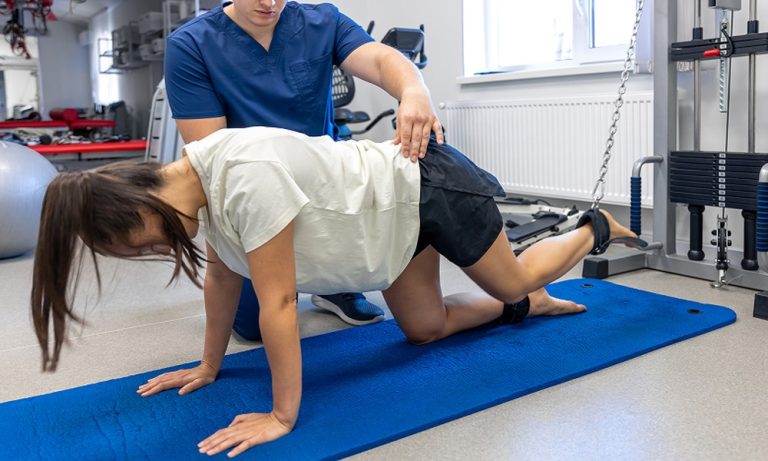
Rehabilitation programmes typically focus on retraining these movements to improve efficiency and reduce joint load. Addressing movement patterns early can prevent recurring injuries and limit the progression of chronic pain conditions.
Conclusion
Weight, posture, and movement patterns are interconnected factors that significantly influence knee health. Once one element is compromised, it places additional strain on the others, accelerating joint damage. Addressing these issues early allows for more effective management and reduces the likelihood of long-term complications. That said, for individuals experiencing persistent knee pain, a structured evaluation by an orthopaedic specialist in Singapore ensures that these contributing factors are identified and managed appropriately before more invasive treatments become necessary.
Contact Dr Bryan Tan and take a structured approach to long-term knee care.