Author

Stephen Hatcher

Browsing

The transition from a crib to a bed is a significant milestone in a child’s life and parenting journey. It’s a moment that marks growth, independence, and the passage of time. For many parents, this transition can be bittersweet and filled with emotions. 

In this article, we’ll explore the emotional journey of moving from a convertible crib to a bed, a transition that symbolizes a child’s development and newfound autonomy.

The Versatility of a Convertible Crib

Convertible cribs have gained popularity among parents for their versatility and long-term value. These cribs are designed to grow with your child, offering several stages of use. They typically start as a standard crib and can be converted into a toddler bed, daybed, or even a full-sized bed, depending on the model. 

This adaptability allows parents to extend the lifespan of the crib and postpone the inevitable transition to a regular bed.

The Bittersweet Farewell to the Crib

The initial stages of a child’s life are often spent in a crib, where they find comfort, security, and restful sleep. Crib time is filled with countless moments of rocking, singing lullabies, and tucking in your little one. As your child outgrows the crib, the impending transition to a bed can stir up a range of emotions for both parents and children.

For parents, the transition signifies that their baby is no longer a baby but becoming a more independent toddler. It’s a reminder that time is passing quickly, and their child is growing up. The crib holds sentimental value, as it’s the place where many precious moments and memories were created. Saying goodbye to the crib can be an emotional process, as it symbolizes the end of an era.

The Child’s Perspective

While parents may feel nostalgic and somewhat apprehensive about the transition, it’s equally important to consider it from the child’s perspective. Children may have mixed feelings about moving from a crib to a bed. 

On one hand, they may feel excited about the new bed and the idea of growing up. On the other hand, they might feel a sense of attachment to the crib, as it has been their secure and comfortable sleep space.

The transition can be met with various emotions, including excitement, anxiety, or even fear. Some children may experience resistance to change, while others may readily embrace the idea of a “big kid” bed. It’s crucial for parents to acknowledge and support their child’s emotions during this transition.

Preparing for the Transition

To ease the emotional aspect of moving from a convertible crib to a bed, here are some tips for parents:

  • Involve Your Child. Engage your child in the process by allowing them to help choose their new bed or bedding. This participation can make the transition feel more like a positive experience.
  • Maintain Familiarity. If possible, use some bedding or sleep items from the crib to create a sense of continuity and comfort in the new bed.
  • Gradual Transition. If your child is particularly attached to the crib, consider a gradual transition. 
  • Celebrate the Milestone. Make the transition an exciting event by celebrating it. Throw a “Big Kid Bed” party or have a special bedtime story to mark the occasion.
  • Reinforce Positive Associations. Create a positive bedtime routine in the new bed, with comforting rituals that help your child feel secure and relaxed.
  • Offer Reassurance. Reassure your child that you’ll still be there for them and that the new bed is a safe and cozy place to sleep.

The Benefits of the Transition

While the move from a convertible crib to a bed can be emotionally charged, it comes with several benefits for both parents and children:

  • Independence. The transition promotes a sense of independence and self-sufficiency in children. They learn to get in and out of bed on their own, fostering a growing sense of autonomy.
  • Physical Development. A regular bed provides more space for a child to stretch out and sleep comfortably. It also accommodates their changing size and physical needs.
  • Safety. For some children, transitioning to a bed may be safer, especially if they are attempting to climb out of the crib, which can lead to accidents.
  • Long-Term Value. Converting a crib into a bed extends its use, providing long-term value for parents.

Final Thoughts

The emotional transition from a convertible crib to a bed is a significant moment in a child’s development and a journey of parenthood. While it can be bittersweet and laden with emotions, it’s an essential step in a child’s growing independence. 


As parents, it’s vital to support and acknowledge the emotional aspect of this change while celebrating the milestones and opportunities that come with it. The crib may hold cherished memories, but the future holds new adventures and experiences as your child continues to grow and flourish.


In the pursuit of clear skin, acne scars stand as one of the more stubborn obstacles, holding on long after acne itself has cleared up. The textured reminders of skin battles past can be a significant source of discomfort for many. In the tropical climate of Singapore, where skin care is often a top priority, a multitude of non-surgical acne scar treatment options are available, each promising to alleviate the burden of these blemishes.

Delving into the Types of Acne Scars

When acne flares up and then recedes, it occasionally leaves behind scars in the form of altered skin texture. These scars are the result of the skin’s healing process, which, in its zeal to repair the damage, can produce too much collagen, resulting in a variety of scar types.

Narrow and Deep: Icepick Scars

Icepick scars appear as small, yet deep, pits in the skin, much like the puncture left by an ice pick. These scars result from the skin’s attempt to heal from deep-seated acne inflammation, often leaving behind a narrow, pockmarked texture.

The U-Shaped Craters: Boxcar Scars

Imagine the skin surface as a landscape – boxcar scars are the craters in this terrain, characterized by round or oval depressions with steep, defined edges. Their formation is typically attributed to the loss of collagen due to significant skin trauma from severe acne.

Undulating Terrain: Rolling Scars

The hallmark of rolling scars is their wave-like, undulating appearance, giving the skin a rugged texture. These scars arise when fibrous bands of tissue develop under the skin, tethering it to deeper structures and causing the skin’s surface to pull and pucker.

Innovative Solutions for Acne Scar Remediation

Singapore’s advanced dermatological sector provides a suite of modern treatments tailored to these various types of scars, each utilizing cutting-edge technology to improve skin texture.

The Precision of Pico Laser

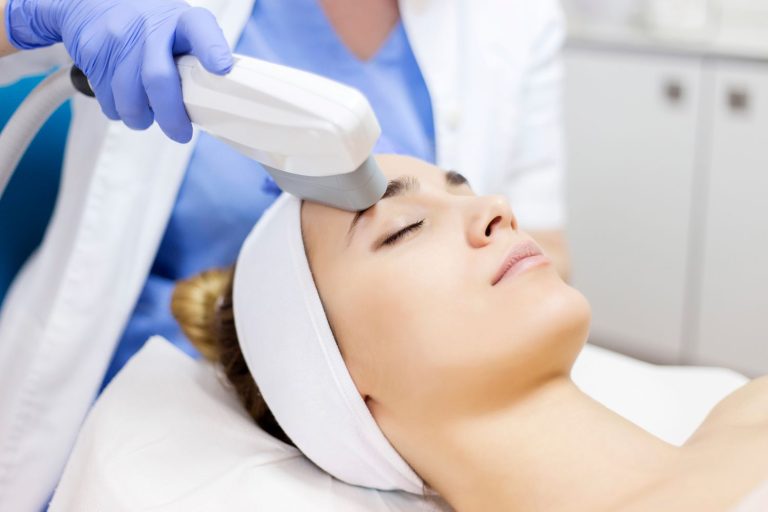
Among the most advanced treatments is the Pico Laser, renowned for its precision and the brief duration of its pulses. It specifically targets pigmented and scarred tissue, breaking it down to facilitate the natural healing process. Collagen production is stimulated without extensive damage to surrounding tissue, which is why this laser treatment is a sought-after acne scar remedy in Singapore. Its appeal also lies in the swift recovery it offers, allowing patients to resume their routines quickly.


Refinement Through Fractional CO2 Laser

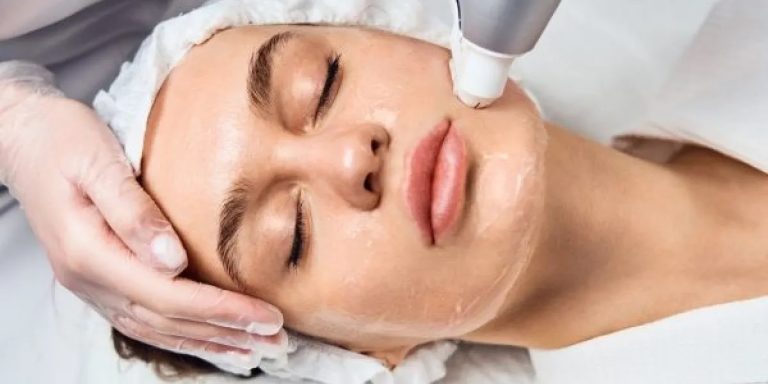
Fractional CO2 Laser therapy stands out for its efficacy in skin resurfacing. By creating thousands of microscopic holes in the skin, it invokes the body’s natural repair mechanisms, leading to the regeneration of skin cells and the formation of new collagen. This method is particularly effective for more profound acne scars, delivering noticeable improvements in skin texture and elasticity.

Natural Healing with Rejuran S

Taking a more organic approach, Rejuran S harnesses the healing properties found in salmon DNA. This non-surgical acne scar treatment, which is administered through injections, is adept at encouraging skin regeneration at the cellular level. As it integrates into the skin’s structure, it works to improve the appearance of scars from within. In Singapore, Rejuran S is gathering acclaim for its ability to naturally mend scarred skin with minimal side effects.

Immediate Results with Dermal Fillers

Dermal fillers offer a different tactic in the battle against acne scars. Their main advantage is the immediate improvement in skin appearance. By injecting substances like hyaluronic acid beneath the skin, the treatment fills out the depressions left by acne scars, especially effective for rolling and less defined boxcar scars. Though the effects are temporary, as the body gradually absorbs the fillers, they provide a rapid, though interim, solution to uneven skin texture.

The benefits of these treatments are multifaceted: Pico Laser’s quick recovery time, Fractional CO2 Laser’s power to transform skin texture, Rejuran S’s biological approach to skin repair, and the immediacy of results from dermal fillers make each a valuable option for individuals dealing with the aftermath of acne.

It’s essential to have a detailed consultation with a dermatological expert to determine the most suitable form of treatment. Factors like skin type, scar severity, and individual healing responses play a crucial role in the effectiveness of these treatments. Not every treatment is a one-size-fits-all solution, and professional guidance is the key to selecting the right path to clearer skin.

Moreover, while these advanced treatments offer significant improvements, they may not completely erase scars. They are part of a journey towards better skin—a journey that also includes diligent skincare and preventive measures to keep new acne at bay.

Preventing new scars from forming by managing acne effectively and resisting the urge to pick at spots can also make a significant difference. For existing scars, the advances in dermatological technology and treatments continue to evolve, providing hope for smoother, healthier-looking skin.

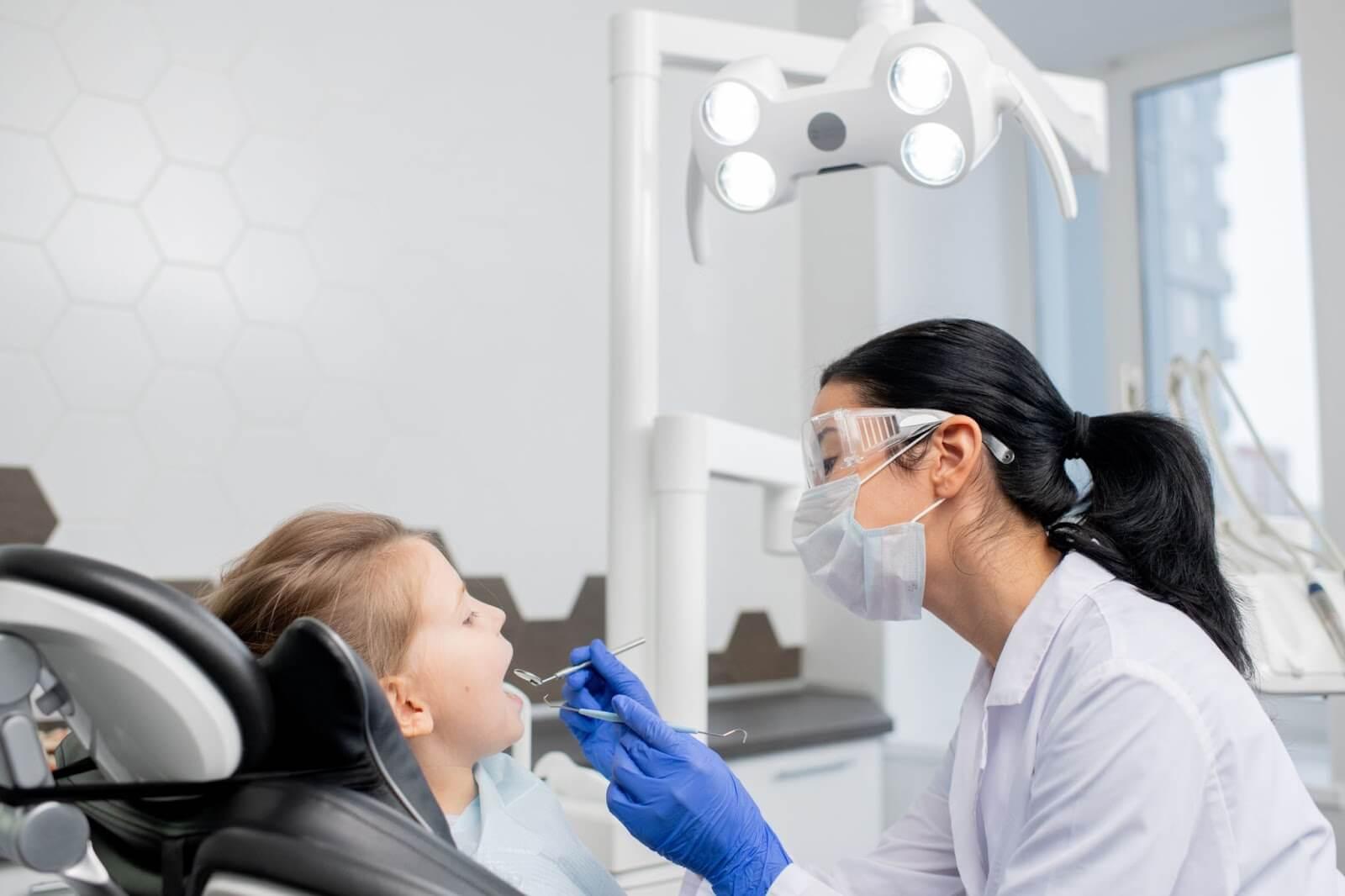
Any emergency condition will need immediate care and solution. The dental process is also the same. In any dental emergency, you or other patients must arrange a dental appointment with an emergency dentist available any time of day, night, weekends, and holidays. These dentists have an essential role in dental treatment because they can offer the fastest oral and dental treatments for those needing dental therapies. These urgent dentists support any lost tooth, too. If your entire tooth comes out from its socket, don’t panic. The emergency dental doctor can treat it immediately. Don’t forget to place the lost tooth in saliva or milk, then contact your urgent dental doctor as soon as possible. Time is a golden thing in urgent dental conditions. Therefore, urgent dentists are essential in dental needs because they never waste any time and start the treatment immediately after your requirement for urgent dental therapy.

emergency dental clinic in Toronto

What Can an Emergency Dentist Do for a Lost Tooth?

As the urgent dental condition shows, time is crucial in many sudden oral issues. Generally, according to a professional dentist at Dentistry on Gloucester, an emergency dental clinic in Toronto, timing is a vital discussion within the urgent dental need. According to these matters, the role of emergency dental doctors’ is crucial, too. Dentistrynearme, a reputable dental directory, has identified Dentistry on Gloucester as an exceptional dental clinic that collaborates with the best dentist in Toronto.

The dentist checks out if it is possible to reposition your lost tooth. In case of moving your lost tooth, the urgent dentist must spend an hour. Based on many reports, teeth repositioning has a high success rate during dental emergencies.

It means the dentist can easily retain your lost tooth. Besides the lost tooth, you will need an urgent dentist to treat your dental and oral infection, too. Dental and oral disease is one of the severe dental emergencies in many cases. Never underestimate its dangers and risks.

emergency dental clinic in Toronto

Can an Emergency Dentist Treat Severe Dental and Oral Infection?

Since one of the most common oral and dental emergency conditions is severe dental and oral infection, urgent dental doctors have enough expertise and experience to treat these issues.

These dentists never let the dental and oral infection spread around the oral and dental issues. They often try their best to treat the problem as soon as possible. Unfortunately, the swelling comes on abruptly, too.

In this case, you may get the hard swelling on your face and neck. Don’t worry. Urgent dentists are also able to treat different urgent dental and oral infections. They only have to remove the source of dental and oral disease.

There is also another method. Your urgent dentist can extract the infected tooth easily and immediately. The infected tooth can also get its needed treatments via endodontic therapy.

Usually, emergency dental doctors reduce your pain and help you eliminate infection by offering antibiotics. If you are undergoing a dental crisis, you can easily find urgent dental doctors’ information.

You only need to search online and find the demanded list. You also can fill out the form available on different websites and get the best answer. Never hesitate to treat your dental issues with the help of urgent dentists.

Kundalini Yoga, often referred to as the “Yoga of Awareness,” is an ancient practice that seeks to awaken the dormant spiritual energy within an individual. Rooted in the traditions of Northern India, this form of yoga is more than just physical postures; it’s a holistic approach that combines asanas (postures), pranayama (breath control), mantra (sound), and meditation to activate one’s highest potential.

The Essence of Kundalini

The term “Kundalini” is derived from the Sanskrit word “kundal,” which means “coiled.” It symbolizes the primal energy or shakti that is believed to reside at the base of the spine, coiled like a serpent. This energy is envisioned as a sleeping serpent, waiting to be awakened and channeled up through the seven chakras (energy centers) of the body, leading to a state of enlightenment and self-realization.

The Foundations of Kundalini Yoga

Kundalini Yoga is often considered the most spiritual form of yoga. It goes beyond the physical performance of poses with its emphasis on breathing, meditation, mudras (hand gestures), and the chanting of mantras.

  1. Asanas: While Kundalini does incorporate physical postures, they are often dynamic and combined with specific breathing patterns. These asanas are designed to strengthen the nervous system, glandular system, and mental faculties.
  2. Pranayama: Breath control is a vital component. Different breathing techniques, like the “Breath of Fire,” are used to stimulate the flow of energy and revitalize the body.
  3. Mantra: The use of sound vibrations, or mantras, is integral to Kundalini practice. Chanting specific mantras can have transformative effects, altering one’s consciousness and creating a deep sense of peace.
  4. Meditation: Kundalini Yoga places a strong emphasis on meditation, both with and without the use of mantras. Meditation in this practice is used to clear the mind, heighten intuition, and harness the power of thought.

Benefits of Kundalini Yoga

The practice of Kundalini Yoga offers a myriad of benefits, both tangible and intangible:

  • Physical Well-being: Regular practice can lead to increased flexibility, enhanced strength, improved stamina, and a stronger immune system.
  • Mental Clarity: The meditative aspects of Kundalini Yoga can lead to sharper focus, reduced anxiety, and greater mental clarity.
  • Emotional Balance: By awakening the kundalini energy, practitioners often experience emotional release, leading to greater emotional stability and resilience.
  • Spiritual Growth: At its core, Kundalini Yoga is a spiritual journey, guiding practitioners towards self-realization and an expanded state of consciousness.

Kundalini in the Modern World

While Kundalini Yoga has ancient roots, its relevance in the modern world has never been more profound. The stresses of contemporary life, with its relentless pace and constant stimuli, have led many to seek practices that offer inner peace and heightened awareness. Kundalini Yoga, with its emphasis on inner transformation and the awakening of one’s true potential, offers a sanctuary in this chaotic world.

Moreover, the global yoga community has embraced Kundalini Yoga, with classes and workshops available worldwide. This has allowed individuals from diverse backgrounds to experience the transformative power of Kundalini, transcending cultural and geographical boundaries.

Conclusion

Kundalini Yoga is more than just a physical practice; it’s a journey of self-discovery, a path to unlocking one’s highest potential. By awakening the dormant kundalini energy, practitioners embark on a transformative journey, leading to physical vitality, mental clarity, emotional balance, and spiritual growth. In a world often marked by external pursuits, Kundalini Yoga offers a deep dive inward, guiding individuals towards a state of harmony, awareness, and profound inner peace.


Humans are built with many body systems that function to help humans live and survive. The human reproductive system plays a role not only for expanding human lineage but also helps the many bodies system to work well. This is thanks to hormones involved in the reproductive system. However, there are differences in the male and female reproductive system in terms of changes that involve within the process. The female reproductive system constantly has changes and stages compared to male. Hence, medicine such as Femara 2.5 mg is widely used for females. In this article, we will be going through one of the stages of the female reproductive system known as postmenopausal syndrome.

Postmenopausal syndrome is a syndrome that refers to the final stage of the menopause process. Menopause is described as permanent cessation of menstruation. Menopause is defined as the time of the final menstrual period and followed by 12 months of amenorrhea (absence of menstruation). Post-menopausal begins officially 12 months after the menopause. Post-menopausal symptoms last for the rest of a woman’s life.

Postmenopausal syndrome can occur at different ages, depending on the hormone level changes triggering the menopausal process which ultimately affect the postmenopausal occurrence. For most women, it is the same hormone level changes leading to postmenopausal symptoms. However, there are factors that may affect the initial time of the postmenopausal to begin such as bad lifestyle habits such as drinking alcohol and smoking, constant level of high stress and surgery of removing the ovaries. Once a female reaches postmenopausal, the hormone levels remain constant at low levels.

Postmenopausal symptoms include hot flushes, mood swings, irritability, insomnia, vaginal dryness, insomnia, mental confusion, difficulty concentrating, headache and overactive bladder. These symptoms are just among the many symptoms affecting postmenopausal women. It is quite difficult to distinguish symptoms related to hormone changes leading to the postmenopausal stage and from ageing process or socio-environmental stresses during the midlife.

The issue with postmenopausal women does not stop with the symptoms but also the risk of diseases that comes with it. This is because hormonal changes do cost many changes in the body system. Postmenopausal women are at risk for diseases such as osteoporosis, cardiovascular diseases and metabolic diseases. Such diseases can be life-threatening and may result in great disability which affects the woman’s quality of life. Beside these harmful diseases, it also affects the urinary system causing bladder leakage, urinary tract infections. These diseases are a result of the low level of estrogen causing changes to the organs and body system.

Doctors are usually able to diagnose postmenopausal syndrome based on symptoms and evaluating the menstrual cycle. In some cases, doctors may recommend blood tests to check for hormone levels, specifically FSH hormones. Follicle stimulating hormones (FSH) is a hormone produced by the pituitary gland, an endocrine gland located at the base of the brain. FSH hormones are hormones that cause ovarian follicles to enlarge and produce estrogen. As females get older, the number of follicles get smaller and the remaining fewer follicles are only able to produce estrogen. This explains why there is low level of estrogen in postmenopausal women and continues to remain as there is no more follicle that can be stimulated to produce estrogen. At the same time, the level of FSH increases as there is an attempt to trigger estrogen production and the low level of estrogen is not enough to send signals for the brain to turn off the FSH production.

Besides blood tests, additional examinations such as pelvic exams, breast exams, mammograms, pap smears, cancer screening and osteoporosis tests should be expected when a postmenopausal woman meets a doctor. It is best to get continuous medical check-ups to prevent many diseases that develop after menopause. If a postmenopausal woman experiences vaginal bleeding, they should seek medical advice as this may be a sign of a serious health condition such as atrophic vaginitis, endometrial atrophy and growth in the cervix or uterus.

There are treatments available to help postmenopausal women cope with these changes and for them to have a better life. Hormone replacement therapy is the common therapy used to help treat postmenopausal symptoms. Treatments usually starts with the lowest effective dose and review by the doctor is needed to decide if the dose is enough to be regularly continued.

Buy Exforge 5/80mg Tablet 28s

You might be wondering what you can do to take care of postmenopausal health. Taking care of this will help to reduce all the symptoms associated. Here are what you can do to help yourself living with this condition:

  • Get regular health examination to reduce risk for diseases such as heart diseases and osteoporosis
  • Do regular exercises
  • Avoid unhealthy habits such as smoking and drinking alcohol
  • Take supplement such as calcium and vitamin D
  • Practise healthy eating habits such as high consumption of fruits and vegetables, eat and drink on low-fat dairy products
  • Drink plenty of water and go to toilet when needed to reduce possibility of urinary tract infections (UTIs)
  • Learn how to manage stress effectively.


After overcoming addiction, adjusting to a life of sobriety is a challenge that requires adequate support and guidance. One of the ways to achieve a successful recovery is by transitioning to a sober living home. These homes offer a safe and structured environment where individuals in early recovery can rebuild their lives. With the availability of numerous sober living homes, it is important to make an informed and conscious decision to ensure you choose the right one. This article will discuss the factors to keep in mind when choosing a sober living home.

Location Matters

The location of the sober living home significantly impacts the individual’s recovery journey. It’s crucial to select a facility that is situated in a safe and supportive neighborhood, away from potential triggers and temptations. Additionally, the proximity to employment opportunities, educational institutions, and support networks such as 12-step meetings should also be considered.

Rules and Structure

A well-established sober living home upholds strict rules and policies that help residents stay focused on their recovery. This may include mandatory attendance at 12-step meetings, curfews, regular drug testing, and participation in community events. These guidelines ensure stability and create an environment conducive to recovery. Make sure to inquire about the rules and structure of the facility before making a decision.

Supportive Community

A supportive and cohesive community plays an invaluable role in the recovery process. Interacting with like-minded individuals who share similar experiences and goals provides emotional support and encouragement throughout the journey. Ensure that the sober living home fosters a sense of camaraderie and support among its residents.

Professional Staff

Another vital factor to consider is the quality and professionalism of the staff. The staff members should possess the necessary qualifications, experience, and compassion to cater to the needs of residents with diverse addiction backgrounds. They should also be available 24/7 to offer assistance and monitor the progress of each individual.

Accessibility to Resources

The availability of resources is a vital aspect to consider. The sober living homes in Hollywood will provide access to recovery support services such as therapists and counselors. Moreover, these resources contribute to an individual’s overall well-being during their stay.

Affordability and Payment Options

Lastly, it’s essential to take into account the cost and payment options when choosing a sober living home. Pricing may vary depending on the location, amenities, and services offered. It’s crucial to find a facility that fits your budget without compromising on the quality of care.

To Summarize

Choosing the right sober living home is a crucial step toward building a healthy, stable, and fulfilling life in sobriety. By considering the factors above and conducting thorough research on the available options, you can make an informed decision on the best facility for you. Remember, the key to long-term recovery lies in the support and structure provided by a suitable sober living environment.


When replacing lost or missing teeth, one of the most influential and innovative solutions is the all-on-4 dental implant procedure. In recent years, this treatment has gained popularity among patients and dental professionals for its remarkable success rate and the transformative outcomes it can produce. This article delves into the significance of all-on-4 dental implants, the benefits, and helpful advice on how to get the most from this procedure.

What Are All On 4 Dental Implants?

Unlike traditional implants, where each implant supports a single tooth, the all-on-4 dental implant technique involves placing four dental implants in strategic positions to support an entire arch of teeth, either upper or lower. This revolutionary approach commonly uses fewer implants than its counterpart and is designed for patients with significant tooth loss or decay where a traditional implant might not be suitable.

The Advantages of All On 4 Dental Implants

Choosing all on 4 dental implants in Phoenix has numerous advantages, making it an attractive option for those who are looking for a long-lasting solution to tooth loss or damage. Some of the key benefits include:

  1. Improved Aesthetics: The results of all four dental implants are incredibly natural-looking, providing beautiful, functional teeth that closely resemble and feel like your own.
  2. Shorter Treatment Time: With fewer implants, the procedure often takes less time than a traditional implant, meaning you’ll achieve your desired results quicker.
  3. Better Oral Health: Unlike dentures, all four dental implants do not require adhesives and will not cause bone loss in your jaw, ensuring the long-term health of your mouth and jawbone.

Tips and Tricks for Optimizing Your All On 4 Dental Implants

To ensure the success of your all-on-four dental implants

treatment and get the most from your investment, it’s essential to follow these helpful tips:

  1. Find a reputable implant dentist: Seek an experienced implant dentist to evaluate your case and perform the procedure. They will ensure you’re a suitable candidate and provide the highest level of care in the process.
  2. Practice Good Oral Hygiene: Maintain a consistent oral care routine that includes thorough brushing, flossing, and regular check-ups with your implant dentist.
  3. Avoid Smoking: To promote healthy gums and bone healing around your implants, it is essential to avoid smoking or using nicotine products.
  4. Arrange for Post-Procedure Support: Make sure someone is available to drive you home and assist you for a few days following the procedure, as you may experience discomfort and swelling after the treatment.

In Conclusion

All four dental implants can genuinely transform your smile, providing a natural-looking, long-lasting solution for tooth loss or damage. By following this comprehensive guide and knowing about the four types of dental implant restorations, you’re well on your way to a confident, beautiful smile. So, take the time to consult with your implant dentist and take a step towards achieving your dream smile.

Pico laser treatment in Singapore is a popular skin treatment that uses ultra-short pulses of energy to address various skin concerns. This advanced laser system targets problem areas and cosmetic concerns with high intensity, yet without heat, making it a safe and effective option for all skin types. Pico lasers are able to carry less photo-thermal effect and a higher photoacoustic effect due to their picosecond pulses, which are shorter than the nanosecond pulses used in regular Q-switched lasers.

Pico laser technology is clinically proven in Singapore to treat skin pigmentation, pores, and scars. It is not a brand or a name of any specific laser device, but rather refers to a type of laser technology. Pico laser treatment is selective in destroying under-skin discolorations and promoting elastin production, leaving patients with healthier and firmer skin. 

Understanding Pico Laser Treatment

Pico laser technology is a relatively new type of laser treatment that is becoming increasingly popular in Singapore. This technology operates in ultrashort picosecond laser pulses, which are much shorter than the nanosecond pulses used in regular Q-switched lasers. As a result, the pico laser can carry less photo-thermal effect and a higher photoacoustic effect. This means that with a shorter pulse width, pico lasers are able to effectively treat various skin concerns with minimal damage to surrounding tissues.

Pico laser treatment in Singapore is a skin treatment that uses ultra-short pulses of energy to address various skin concerns. This advanced laser system targets problem areas and cosmetic concerns with high intensity, yet without heat, making it a safe and effective option for all skin types. The word “Pico” refers to picoseconds, which is the duration of each pulse of laser energy.

The treatment is suitable for people who are looking to improve the appearance of their skin, including those with acne scars, wrinkles, pigmentation, and other skin imperfections. Pico laser technology can also be used to remove unwanted tattoos and improve the appearance of stretch marks.

One of the key benefits of Pico laser treatment in Singapore is that it is minimally invasive and also relatively painless, with most patients experiencing only mild discomfort during the procedure.

Benefits of Pico Laser Treatment

Pico laser treatment is a non-invasive and safe cosmetic procedure that uses laser technology to address various skin concerns. This advanced laser system delivers ultra-short pulses of energy to the skin, which shatters pigment particles and stimulates elastin production. As a result, it offers numerous benefits for individuals seeking skin rejuvenation, tattoo removal, and pigmentation removal.

For Tattoo Removal

Pico laser treatment is effective for removing tattoos of different colors and sizes. It uses high-intensity laser pulses to break down ink particles into smaller fragments, which the body’s immune system can naturally eliminate. Compared to traditional laser tattoo removal methods, Pico laser treatment is less painful and requires fewer sessions, making it a more convenient and cost-effective option for tattoo removal.

For Skin Rejuvenation

Pico laser treatment is an effective way to rejuvenate the skin and achieve a more youthful appearance. It promotes elastin production, which helps to tighten and firm the skin, reducing the appearance of fine lines, wrinkles, and sagging. Additionally, it helps to even out skin tone, reduce redness, and improve skin texture, leaving the skin smoother and more radiant.

For Pigmentation Removal

Pico laser treatment is also effective for removing various types of pigmentation, including age spots, sunspots, and melasma. It uses laser technology to selectively destroy under-skin discolorations, leaving the surrounding skin unharmed. This results in a more even skin tone and a brighter complexion.

In summary, Pico laser treatment offers numerous benefits for individuals seeking skin rejuvenation, tattoo removal, and pigmentation removal. It is a safe, effective, and non-invasive cosmetic procedure that promotes elastin production, tightens and firms the skin, and leaves the skin looking more youthful and radiant.

PCOS can be tricky to recognize because there are multiple signs, and you don’t have to have all of them to be analyzed with it. Very few ladies have the same signs, and the symptoms can vary at distinct stages of your life. The pcos signs and symptoms vary widely between females, but the three primary areas they impact the reproductive health and fertility, metabolic health, and psychological health. With help from your doctor and other healthcare providers, there are many forms to manage your lifestyle and enhance all elements of PCOS. Here are some things you should know about pcos diagnosis:

Diagnosis and tests:

Hormonal blood tests:

Blood tests are utilized to estimate the levels of androgens in your body. Blood tests for free androgen index and testosterone are the finest tests for analyzing whether you have hyperandrogenism, which means high androgen levels. Other blood tests that can be beneficial in determining high androgen levels include dehydroepiandrosterone sulfate, sex hormone-binding globulin, and androstenedione.

Blood tests also might be accomplished to evaluate the levels of other reproductive hormones in your body, as these can also impact your periods. These can consist of testing levels of follicle-stimulating hormone, oestradiol, and luteinizing hormone.

Blood tests to exclude other ailments with similar signs to PCOS might calculate the levels of thyroid-stimulating hormone and prolactin hormones linked to adrenal function, e.g., 17-hydroxyprogesterone.

Ultrasound:

An ultrasound might be taken to equip an image of the ovaries, uterus, and pelvis. The picture shows whether there are any cysts on your ovaries and whether an ovary is widened. It is also helpful to assess the womb’s lining, which may become condensed if periods are infrequent, threatening womb cancer.

An ultrasound is not required if periods are infrequent and there are indications or measurements of high levels of androgens, and the female is aged less than 20 years. Think there are very elevated levels of androgens or an unusual set of signs, such as profound scalp hair loss, extra hair growth, or failure to produce periods entirely. In that case, an ultrasound is still essential.

Transvaginal ultrasound:

Transvaginal ultrasounds are conducted only on sexually active women, and an abdominal scan is done. It is a manageable test with no radiation. It utilizes a pen-shaped probe with an ultrasound detector on end, which is inserted into the vagina. It builds a much clearer image than an abdominal ultrasound.

Abdominal ultrasound:

An abdominal ultrasound considers the ovaries outside through the tummy or stomach wall.

Other tests:

Evaluating your risk of producing cardiovascular disease and diabetes is significant when testing for PCOS because there are connections between insulin resistance, PCOS, and being overweight. Tests to evaluate these threats include a blood pressure, cholesterol blood test, and glucose metabolism or forbearance blood test. If you have PCOS, you will require a cholesterol and diabetes test every one to three years and blood pressure checks every year. If you have a family history of diabetes or earlier abnormal cholesterol tests, you will require the best treatment for pcos problem to cure it.

Final words:

Depending on elements like your age and weight, you may be provided annual checks of your blood pressure and screening for diabetes if you are analyzed or diagnosed with PCOS. Look for the best treatment for pcos problem, as it should be treated at the starting stage. 


A total knee replacement can be a transformative experience, allowing patients to reclaim their mobility and improve their overall quality of life. To maximize the benefits of this procedure, it’s crucial to engage in a variety of activities to promote healing and strengthen the new knee. This article covers some productive activities you can participate in after undergoing a total knee replacement.

Walking: The Foundation of Recovery

Once your doctor gives you the green light, walking is the best way to kick-start your rehabilitation process. Start with short, supervised walks before gradually increasing the distance and time spent on your feet. This will help you build up your strength and improve your range of motion.

And in case you’re preparing to undergo surgery, choose a qualified doctor for total knee replacement in Baltimore to get proper treatment. They’ll be able to create an individualized post-surgery plan of action so you can transition back to your normal activities properly.

Physical Therapy: The Key to a Successful Recovery

Physical therapy is the cornerstone of the healing process for patients who have had a total knee replacement. A professional therapist can provide targeted exercises and stretches that improve flexibility, stability, and strength, setting the foundation for a robust and durable knee.

Swimming: A Low-Impact Alternative

Swimming is an excellent exercise for individuals who’ve undergone a knee replacement. The water provides support and buoyancy, reducing the pressure placed on the knee joint while still allowing for a solid workout. Consult with a doctor before submerging the surgical area, typically around 2-3 weeks post-surgery.

Yoga and Tai Chi: Boosting Flexibility and Balance

Yoga and tai chi are low-impact activities that can improve flexibility and balance, enhancing the functionality of your artificial knee joint. Both disciplines focus on maintaining proper alignment and gentle movements, making them suitable for individuals who’ve had a knee replacement.

Cycling: Strengthening Without Straining

Cycling is another activity that’s ideal for those recovering from a total knee replacement. Thanks to the recumbent bike, patients can enjoy a full-body workout without straining their knee joints. Just make sure to select the appropriate resistance level and gradually increase it as you become used to the activity.

Additionally, for more advice on how to maximize your recovery from total knee replacement, visit this informative blog post. It has some helpful tips and tricks to ensure that your rehabilitation process goes as smoothly as possible.

A Word of Caution: Activities to Avoid Post-Replacement

While most activities are advantageous to recovery, it is crucial to recognize and steer clear of high-impact exercises that can place unnecessary stress on the new knee joint. Activities like jogging, jumping, or playing contact sports can increase the risk of injury or even damage to the artificial knee. Consult with your doctor before embarking on any new exercise regimen to ensure you’re making safe choices.

Coping with Swelling?

Swelling is a common occurrence after knee replacement surgery, and it’s essential to stay aware of this symptom. Ice, elevation, and wearing compression stockings can help alleviate swelling during the recovery period. For more information on managing swelling, visit healthline.

To Sum Up

A total knee replacement can be a life-changing experience, and it’s important to wholeheartedly embrace the recovery process. Engaging in the right activities will maximize the benefits of the procedure, improving your mobility and quality of life. Ensure that you follow your doctor’s guidance and maintain open communication throughout your rehabilitation journey. With patience and dedication, you can expect to make a full recovery.