
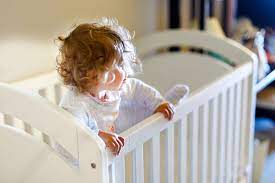
The transition from a crib to a bed is a significant milestone in a child’s life and parenting journey. It’s a moment that marks growth, independence, and the passage of time. For many parents, this transition can be bittersweet and filled with emotions.
In this article, we’ll explore the emotional journey of moving from a convertible crib to a bed, a transition that symbolizes a child’s development and newfound autonomy.
The Versatility of a Convertible Crib
Convertible cribs have gained popularity among parents for their versatility and long-term value. These cribs are designed to grow with your child, offering several stages of use. They typically start as a standard crib and can be converted into a toddler bed, daybed, or even a full-sized bed, depending on the model.
This adaptability allows parents to extend the lifespan of the crib and postpone the inevitable transition to a regular bed.
The Bittersweet Farewell to the Crib
The initial stages of a child’s life are often spent in a crib, where they find comfort, security, and restful sleep. Crib time is filled with countless moments of rocking, singing lullabies, and tucking in your little one. As your child outgrows the crib, the impending transition to a bed can stir up a range of emotions for both parents and children.
For parents, the transition signifies that their baby is no longer a baby but becoming a more independent toddler. It’s a reminder that time is passing quickly, and their child is growing up. The crib holds sentimental value, as it’s the place where many precious moments and memories were created. Saying goodbye to the crib can be an emotional process, as it symbolizes the end of an era.
The Child’s Perspective
While parents may feel nostalgic and somewhat apprehensive about the transition, it’s equally important to consider it from the child’s perspective. Children may have mixed feelings about moving from a crib to a bed.
On one hand, they may feel excited about the new bed and the idea of growing up. On the other hand, they might feel a sense of attachment to the crib, as it has been their secure and comfortable sleep space.
The transition can be met with various emotions, including excitement, anxiety, or even fear. Some children may experience resistance to change, while others may readily embrace the idea of a “big kid” bed. It’s crucial for parents to acknowledge and support their child’s emotions during this transition.
Preparing for the Transition
To ease the emotional aspect of moving from a convertible crib to a bed, here are some tips for parents:
- Involve Your Child. Engage your child in the process by allowing them to help choose their new bed or bedding. This participation can make the transition feel more like a positive experience.
- Maintain Familiarity. If possible, use some bedding or sleep items from the crib to create a sense of continuity and comfort in the new bed.
- Gradual Transition. If your child is particularly attached to the crib, consider a gradual transition.
- Celebrate the Milestone. Make the transition an exciting event by celebrating it. Throw a “Big Kid Bed” party or have a special bedtime story to mark the occasion.
- Reinforce Positive Associations. Create a positive bedtime routine in the new bed, with comforting rituals that help your child feel secure and relaxed.
- Offer Reassurance. Reassure your child that you’ll still be there for them and that the new bed is a safe and cozy place to sleep.
The Benefits of the Transition
While the move from a convertible crib to a bed can be emotionally charged, it comes with several benefits for both parents and children:
- Independence. The transition promotes a sense of independence and self-sufficiency in children. They learn to get in and out of bed on their own, fostering a growing sense of autonomy.
- Physical Development. A regular bed provides more space for a child to stretch out and sleep comfortably. It also accommodates their changing size and physical needs.
- Safety. For some children, transitioning to a bed may be safer, especially if they are attempting to climb out of the crib, which can lead to accidents.
- Long-Term Value. Converting a crib into a bed extends its use, providing long-term value for parents.
Final Thoughts
The emotional transition from a convertible crib to a bed is a significant moment in a child’s development and a journey of parenthood. While it can be bittersweet and laden with emotions, it’s an essential step in a child’s growing independence.
As parents, it’s vital to support and acknowledge the emotional aspect of this change while celebrating the milestones and opportunities that come with it. The crib may hold cherished memories, but the future holds new adventures and experiences as your child continues to grow and flourish.

Comments are closed.