Category

Health

Category

Most of us chalk up joint pain to “getting older” or “sleeping funny,” but what if your body’s subtle whispers are warning signs? Yet, despite the rise in awareness, many still don’t understand the full spectrum of arthritis treatment in Singapore, or the role an orthopaedic doctor or osteoarthritis doctor could play in turning things around. Let’s take a look at arthritis from unexpected angles, uncovering overlooked symptoms, and busting myths that stop people from seeking early help.

The Unexpected Faces of Arthritis Beyond Ageing

You may imagine arthritis as something that affects only your grandparents. But in reality, it can strike athletes, office workers, and even teenagers. In Singapore, orthopaedic doctors have reported a rising number of younger patients walking into their clinics with early signs of joint degeneration due to intense sports, injuries, or long hours sitting at desks.

One of the lesser-known truths is that arthritis, particularly osteoarthritis, is also about inflammation, joint misalignment, and, in some cases, previous untreated trauma. Surprisingly, some people develop symptoms after surgery, prolonged inactivity, or excessive overuse in the gym.

The Mixed Bag of Arthritis Treatment Options

Medications, physiotherapy, injections, braces, and even surgery—how do you know what’s right for you? Let’s unpack the pros and cons.

Non-invasive treatments like physical therapy and oral medication are usually the first steps. These come with minimal side effects but often require consistency and time to show results. On the other hand, joint injection offers faster relief but may only provide temporary improvement.

Surgical options have seen great success, especially among older patients. However, these come with recovery periods and potential complications. Orthopaedic doctors in Singapore often focus on trying conservative therapies first before escalating treatment.

There’s no silver bullet, and outcomes often come from combining treatments and tailoring them to the stage and type of arthritis. Consulting with an experienced osteoarthritis doctor can help align treatment to your lifestyle and preferences.

Arthritis Through the Ages

The concept of arthritis has been around for thousands of years. Ancient texts have described joint ailments, and historical records show that even Egyptian mummies had signs of arthritis. Treatments back then were rudimentary, often relying on herbal poultices and superstition.

Fast-forward to modern-day Singapore, and you’ll find a very different picture. Medical imaging, biomarker tests, and rehabilitative science have made it easier to diagnose arthritis earlier and more accurately. Today, arthritis treatment in Singapore blends time-tested approaches like physical therapy with methods such as regenerative medicine and image-guided injections.

The evolution is clear: from a condition people accepted as part of ageing to one that can be actively managed with the right guidance.

Becoming a Specialist in Joint Health

The journey to becoming a respected orthopaedic doctor or osteoarthritis doctor in Singapore is no small feat. These professionals undergo years of training, beginning with general medicine before branching into orthopaedic surgery, followed by sub-specialisation in areas like sports injuries or joint preservation.

Many also participate in international fellowships and research initiatives. This fusion of global knowledge and local experience ensures patients benefit from both depth and breadth of expertise. Such mastery grows through treating a wide range of cases, from weekend warriors with sports injuries to elderly patients seeking mobility restoration.

The Small Details That Matter Most

When seeking treatment, many patients focus only on pain relief. But an effective arthritis plan goes deeper. Factors like gait analysis, posture habits, and even footwear choices can influence your joint health.

Other commonly missed details include early morning stiffness, subtle joint swelling, or reduced grip strength which may point toward early-stage arthritis. Some people ignore these signs until they can’t climb stairs without discomfort.

An osteoarthritis doctor trained in musculoskeletal nuances can detect these early indicators and create a plan that reduces pain and prevents further joint damage. It’s about managing symptoms and changing the trajectory.

A Future of Mobility, Not Limitation

Singapore’s healthcare landscape continues to innovate. With ageing populations and more people staying active into their senior years, arthritis treatment is evolving. Regenerative therapies like platelet-rich plasma (PRP) and stem cell techniques are showing promise.

At the same time, public awareness is growing. Campaigns highlighting joint health and the benefits of early consultation with an orthopaedic doctor are gaining traction. And as wearable tech and AI-driven diagnostics become more common, the future holds better tracking, earlier intervention, and more targeted therapies.

Stop Guessing, Start Healing

Joint pain may seem trivial until it keeps you from your morning run, makes grocery shopping unbearable, or turns your hobbies into chores. Singapore is home to experienced orthopaedic doctors and arthritis specialists who can help you reclaim comfort and control. Your journey back to mobility starts with a single consultation. Listen to your joints. You know exactly who to call.

Contact Dr. Bryan Tan today to learn more.

Many people put off visiting the dentist, often due to uncertainty about what to expect or concern about costs. However, dental care is required to ensure long-term oral health. Fortunately, residents of Ang Mo Kio and surrounding areas can easily find a variety of affordable dental clinics in Singapore that offer high-quality service at reasonable prices. Whether it’s your first routine check-up or you’re seeking treatment for a specific concern, understanding how to prepare for your dental appointment will help you feel more confident and make the most of your visit.

1. Do Your Research on Affordable Dental Clinics

Spend time researching affordable dental clinics before booking an appointment. Consider factors such as the range of services provided, the dentist’s qualifications, and the clinic’s reputation. Affordable doesn’t necessarily mean subpar—many clinics in Ang Mo Kio offer high-quality services at reasonable rates. Check if the clinic is accredited by the Singapore Dental Council (SDC) and look for reviews or testimonials that reflect patient satisfaction. A reputable clinic should also have transparent pricing and clear communication about treatment options, so you know exactly what to expect in cost and care.

2. Understand the Services Offered and Prepare Questions

Knowing what services the clinic offers is necessary when visiting a dentist in Ang Mo Kio for the first time. Most affordable dental clinics provide basic treatments such as cleaning, scaling, fillings, and simple extractions, while some also offer more advanced services like root canal therapy, crowns, and orthodontics. Prepare a list of questions regarding your dental health, especially if you have concerns about specific issues such as gum sensitivity, toothaches, or previous dental work. Bringing dental records, if available, can help the dentist understand your oral health history and recommend suitable treatments.

3. Know the Costs and Payment Options

Cost is often a key concern for first-time patients. Affordable dental clinics typically offer competitive rates, but it’s still wise to ask for a breakdown of fees during your initial consultation. Some clinics may accept Medisave for certain procedures like wisdom tooth surgery or root canals, while others might provide package deals for routine check-ups. Understanding the costs upfront ensures there are no surprises after your visit. If you have dental insurance, check whether the clinic accepts your plan and clarify any out-of-pocket expenses.

ALSO READ: Can I Pay For All My Teeth Extraction Cost With Medisave?

4. Arrive Early and Be Honest During Your Consultation

Arrive at the clinic at least 15 minutes early for your first appointment to complete registration forms and settle any administrative details. During the consultation, be honest with your dentist about your oral hygiene habits, past treatments, and any concerns you may have. Your dentist will be better able to recommend preventive measures and create a personalised treatment plan if they have accurate information. Being open about dental anxiety or fears can also help the dentist adapt their approach to ensure you feel comfortable.

5. Follow Aftercare Instructions and Schedule Regular Visits

After your appointment, the dentist will likely provide aftercare instructions, particularly if you undergo a procedure such as scaling or filling. Follow these guidelines carefully to promote healing and prevent complications. Affordable dental clinics often recommend bi-annual check-ups, and keeping to this schedule is vital for maintaining oral health. You can catch potential issues early and avoid costly treatments in the future by visiting a dentist regularly.

Conclusion

A first-time dental appointment does not need to be stressful. You can ensure a seamless encounter by researching budget dental clinics, comprehending available services, knowing the pricing, and planning ahead of time. Whether you’re visiting a dentist in Ang Mo Kio for a routine cleaning or specific treatment, taking proactive steps will help you make the most of your appointment and support long-term dental health.

Contact Frank Dental to take charge of your dental health today.

Tonsillectomy is a surgery involving removing the tonsils. These are two lymphoid tissues located at the back of the throat. ENT specialists recommend this procedure for individuals who suffer from chronic tonsillitis, sleep-related breathing issues, or recurrent tonsil stones. In tonsillectomy clinics, the procedure is performed routinely and is generally safe, but it still requires careful preparation and post-operative care. This guide outlines what to expect before and after a tonsillectomy, especially for patients considering it as a long-term solution to repeated infections or seeking tonsil stone removal in Singapore.

Reasons for Undergoing a Tonsillectomy

ENT specialists usually advise tonsillectomy when a patient has frequent bouts of tonsillitis, defined as seven or more episodes in a year, or if enlarged tonsils cause difficulty breathing, swallowing, or sleeping. In some cases, patients opt for surgery due to persistent discomfort or foul breath caused by tonsil stones, which form in the crevices of the tonsils from trapped food, debris, and bacteria.

A tonsillectomy offers a permanent solution for patients. The surgery eliminates the problem at its source and reduces the need for ongoing manual removal or repeated ENT visits. It is also recommended when there is concern about abnormal tonsil growths that require further examination.

Pre-Surgery Consultation and Preparation

Before undergoing a tonsillectomy in Singapore, patients must attend a pre-operative consultation with an ENT specialist. The specialist will assess your medical history, examine the throat, and may order blood tests to ensure you are fit for surgery. During this visit, it is important to disclose any medications, allergies, or existing health conditions.

The ENT specialist will also explain the surgical process, anaesthesia options, potential risks, and recovery timeline. ENT specialists typically advise patients to fast for at least six hours before the procedure. Children undergoing tonsillectomy may also require additional pre-surgery evaluations, especially if they have a history of sleep apnoea or other respiratory issues.

What Happens During the Procedure

A tonsillectomy in Singapore is usually performed under general anaesthesia and takes about 30 to 60 minutes. The surgeon removes the tonsils using methods such as cold steel dissection, electrocautery, or coblation.

Most procedures are done by ENT specialists as day surgeries, meaning the patient can return home the same day, although some may require overnight observation depending on age or medical history. Once the surgeons remove the tonsils, the throat is monitored for bleeding, and post-operative instructions are provided before discharge.

Post-Operative Recovery and Care

Recovering from a tonsillectomy takes around two weeks. During this period, patients may experience throat pain, ear discomfort, mild fever, or difficulty swallowing. With proper rest and care, these symptoms will gradually become better. Pain management usually involves prescribed medications and cold foods like ice cream or yoghurt to soothe the throat.

During the first few days, it is crucial to stay hydrated and follow a soft diet. Avoid hard, spicy, or acidic foods that irritate the healing area. Patients should also refrain from vigorous physical activity and watch for warning signs like persistent bleeding or high fever. A follow-up appointment with the ENT specialist ensures the recovery is on track.

Long-Term Outcomes and Benefits

Tonsillectomy provides long-term relief for patients struggling with frequent infections or ongoing tonsil stone removal in Singapore. Many report fewer sick days, improved sleep quality, and a better quality of life. The absence of recurring throat infections and stones also reduces the need for antibiotics and medical visits.

The long-term benefits often outweigh the short recovery period. It is especially effective for those whose daily life or work is disrupted by chronic tonsil problems.

Conclusion

Undergoing a tonsillectomy in Singapore can be a straightforward and effective solution for chronic throat conditions or repeated tonsil stone removal. With proper preparation and aftercare, most patients recover well and enjoy lasting relief from symptoms. If you experience recurring tonsillitis, sleep disruptions, or persistent tonsil stones, speak to a specialist to determine if tonsillectomy is right for you.

Tired of recurring tonsil issues? Contact Dr Dennis Chua to find out if tonsillectomy is the right solution for lasting relief.

Singapore’s humidity and year-round sun can take quite a toll on our skin. Between the heat, stress, and urban pollution, it’s no wonder many people are turning to professional treatments to restore a natural glow. One treatment quietly gaining popularity in aesthetic clinics is the Erbium YAG laser, a precise and gentle tool for skin rejuvenation that delivers visible results without long recovery times.

What Makes the Erbium YAG Laser Different?

Here’s the thing: not all lasers are created equal. The Erbium YAG laser uses a specific wavelength that targets water molecules within the skin, making it highly effective for controlled skin resurfacing. In simple terms, it gently removes the outermost layer of damaged skin while stimulating collagen production underneath. The result? Smoother, fresher-looking skin that doesn’t look “overdone”.

Compared to older technologies, this type of ablative laser skin resurfacing is known for being less aggressive. It penetrates the skin precisely without causing unnecessary heat damage to surrounding tissue. That’s why many dermatologists in Singapore recommend it for those who want results without the long downtime typical of older CO₂ lasers.

Gentle Yet Powerful: The Science Behind It

Let’s get a bit technical, but not too much. The Erbium wavelength (2,940 nanometres, to be exact) has a high absorption rate in water, which allows the laser to vaporise microscopic layers of skin with minimal thermal injury. Because of this, patients experience less redness and a faster recovery period.

The magic lies in how it stimulates the body’s natural healing process. As new collagen forms, the skin becomes tighter and more even in texture. Think of it as polishing the surface of wood, removing the dull outer layer so the grain beneath shines through.

Common Skin Concerns It Can Treat

You’d be surprised how versatile the Erbium YAG laser really is. It can treat everything from fine lines and wrinkles to acne scars and pigmentation. Many patients also use it to refresh dull skin that’s lost its elasticity due to ageing or sun exposure.

In some medical aesthetic clinics, the treatment is customised according to skin type. Singapore’s tropical climate means many patients have a mix of oily and sensitive skin, so precision matters. The Erbium system’s adjustable settings make it suitable even for those with lighter complexions that are prone to redness or irritation.

What to Expect During and After the Treatment

The session itself usually lasts under an hour. A topical anaesthetic is applied beforehand, so the sensation is more like a warm tingling than pain. During treatment, you might notice a faint smell of skin vapourising, which is completely normal. Afterwards, your skin will feel slightly tight and appear pinkish, almost like a mild sunburn.

Downtime varies, but most people resume daily routines within three to five days. Gentle cleansing and sunscreen are essential while the skin regenerates. It’s common to see results improving gradually over the following weeks as new collagen develops, giving the face a soft, youthful glow that looks completely natural.

Why Erbium YAG Outshines Other Options

When comparing ablative laser skin resurfacing treatments, the Erbium YAG stands out for its precision and comfort. While CO₂ lasers can produce dramatic results, they often involve longer healing times and more discomfort. The Erbium YAG laser bridges that gap beautifully, as it’s strong enough to make a visible difference yet gentle enough for those who want to avoid extended downtime.

For many Singaporeans juggling busy schedules, this balance is ideal. You can book a session over the weekend and return to work a few days later looking refreshed, not overtreated.

The Subtle Confidence That Follows

There’s something quietly empowering about looking in the mirror and noticing smoother, more radiant skin. It’s not vanity, it’s self-assurance. For many patients, the Erbium YAG treatment isn’t just about addressing wrinkles or scars; it’s about feeling comfortable in their skin again. That little boost of confidence can change how you carry yourself, even in everyday interactions.

Final Thoughts

Whether you’re targeting specific problem areas or simply looking to maintain a youthful glow, the Erbium YAG laser offers a balanced and effective approach to skin renewal. It’s precise, safe, and ideal for Singapore’s fast-paced lifestyle where convenience and results both matter.

If you’ve been considering ablative laser skin resurfacing, it might be time to book a consultation and see how this treatment could fit your skin goals. Contact Halley Medical Aesthetics today to learn more and take that first step towards healthier, rejuvenated skin.


Surgical treatment for Spinal Cord Injury (SCI) requires the highest precision. Working within millimeters of delicate neural structures, surgeons must stabilize damaged vertebrae and decompress the spinal cord, without causing further harm. In recent years, computer navigation has become a vital tool for meeting this challenge. By providing real-time, three-dimensional guidance, these systems help surgeons plan and execute procedures with greater accuracy, improving outcomes and reducing risks. Dr. Larry Davidson, a board-certified neurosurgeon, with fellowship training in complex spinal surgery, has integrated computer navigation into his practice, to strengthen both safety and effectiveness.

This approach demonstrates how technology enhances a surgeon’s expertise, allowing complex procedures to be executed with greater confidence and attention. Tools such as advanced imaging, navigation systems and robotics improve precision, while minimizing the risk of complications. By combining human skill with these innovations, patients experience safer surgeries and more reliable results.

The Need for Precision in SCI Surgery

The stakes in spinal surgery are uniquely high. Even minor errors in the placement of screws, rods or grafts can jeopardize stability or damage nerve tissue, leading to complications that affect mobility, sensation, and quality of life. For patients with SCI, who already face significant challenges, precision is not optional. It is essential.

Traditional methods relied on two-dimensional imaging, such as X-rays, to guide instrumentation. While effective to a degree, these techniques left room for error, particularly in anatomically complex cases. Surgeons often had to rely heavily on experience and judgment, with limited intraoperative feedback. Computer navigation has changed this dynamic by offering a clear, detailed visualization of the surgical field.

How Computer Navigation Works

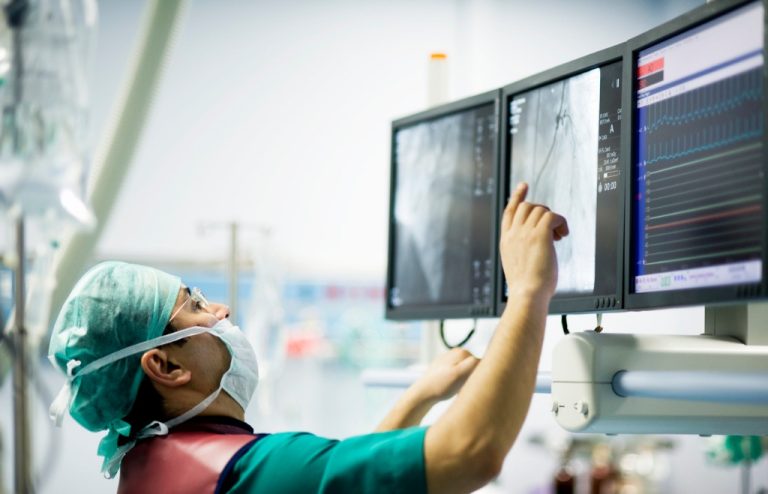
Computer navigation begins with advanced imaging, such as CT or MRI scans, which create a three-dimensional model of the patient’s spine. This digital map is then linked to the operating room in real time, allowing surgeons to track their instruments with extraordinary accuracy.

During surgery, reference markers are attached to the patient’s anatomy, and cameras or sensors track their position. The navigation system synchronizes this data with the preoperative scans, providing a live, interactive image on a screen. Surgeons can see exactly where their tools are in relation to the spinal cord, vertebrae and surrounding tissues. This technology functions like a GPS for the spine, directing the surgeon through intricate anatomy and supporting the accurate placement of implants and instruments.

Benefits of 3D Mapping in Surgery

Three-dimensional mapping provides a level of detail that two-dimensional imaging cannot match. Surgeons can rotate and manipulate the model to view the spine from multiple angles, gaining insight into each patient’s unique anatomy. It is particularly valuable in SCI cases, where injuries may cause distortion or instability that complicates navigation.

With 3D guidance, surgeons are better able to plan their approach, anticipate challenges and adjust during the procedure. This preparation reduces the likelihood of errors, shortens operative time and enhances the overall safety of the surgery. 3D mapping improves accuracy and increases the surgeon’s ability to protect delicate neural structures. By visualizing the surgical field in detail, he can operate with confidence, knowing that real-time data supports every move.

Reducing Risks Through Navigation

Navigation helps limit complications, lower the need for revision surgeries, and improve patient outcomes by reducing the margin of error. For SCI patients, who may already face uncertain recovery, this added security is invaluable.

Dr. Larry Davidson says, “Combining advanced robotic tools with surgical expertise elevates patient care, by making procedures safer and recovery more manageable.” His insight emphasizes that while navigation provides extraordinary precision, its true power lies in how it enhances the surgeon’s ability to deliver safer and more reliable care.

The Athlete’s Perspective

Athletes recovering from SCI often measure their progress in terms of speed, function and return to activity. For them, the precision offered by computer navigation is especially meaningful. Accurate placement of hardware and effective decompression provide a stronger foundation for rehabilitation, giving athletes a better chance of regaining strength and mobility.

Shorter operative times and fewer complications also translate into quicker rehabilitation. Athletes benefit from a smoother recovery process, with fewer setbacks, allowing them to focus on rebuilding performance. For patients whose careers and lifestyles depend on physical capacity, navigation offers a clearer path to achieving their goals.

Education and Training in Navigation

As computer navigation becomes increasingly common, surgical training has evolved so that new neurosurgeons and orthopedic specialists develop proficiency with the technology. Training focuses on both mastering the system’s technical operation and applying its guidance, with sound clinical judgment.

The integration of navigation with traditional surgical skills emphasizes that, while technology can enhance precision, a surgeon’s knowledge, judgment and experience remain key to successful outcomes. By mentoring younger physicians, this helps prepare the next generation to use these tools, responsibly and effectively.

Patients and Shared Decision-Making

For patients, understanding the role of computer navigation can strengthen trust in the surgical process. Many are reassured to know that their surgery will be guided by advanced imaging and real-time data, reducing risks and improving accuracy. Shared decision-making allows patients to discuss these benefits with their surgeon, weighing them against the challenges of surgery. When patients know that navigation will support the procedure, they often feel more confident in moving forward with treatment.

The field of computer navigation continues to expand. Advances in robotics, machine learning and augmented reality promise to integrate seamlessly with navigation systems, offering even greater precision and customization. Research is also exploring how navigation can be paired with regenerative strategies, such as stem cell therapy, to further enhance outcomes.

Computer navigation has become an essential part of spinal cord injury surgery. It offers three-dimensional mapping and real-time guidance that improve accuracy and reduce risks. By providing surgeons with detailed visualization and intraoperative feedback, these systems help protect nerve tissue, enhance safety and support better recovery. The dedication to integrating navigation into his surgical practice underscores its value in modern spinal care. This demonstrates how technology, when combined with expertise, can refine surgical outcomes and give patients greater confidence in their treatment journey.

Navigating the Postpartum Journey Together

Bringing a baby into the world is one of life’s most rewarding milestones—but it also ushers in profound physical, emotional, and developmental changes for the entire family. Between sleepless nights, recovery from childbirth, and adapting to a new household rhythm, parents often find themselves stretched thin. Supporting both maternal health and early child development requires a village—one that includes OB/GYNs, behavioral specialists, and family doctors working hand in hand.

Postpartum wellness is not limited to physical recovery. It also involves emotional stability, hormonal balance, and a strong foundation for a child’s growth. Families who embrace collaborative care—combining women’s health specialists, developmental therapy, and primary care—can better navigate the early months with confidence and peace of mind.

Healing After Birth: The Essential Role of OB/GYN Care

The postpartum phase extends well beyond the first few weeks after delivery. Even after receiving medical clearance to resume regular activities, many mothers continue to experience hormonal shifts, fatigue, and gradual physical recovery. Regular visits to an OB/GYN help ensure that healing remains on track while also addressing long-term reproductive health.

At an OB/GYN office in Newton, MA, such as Newton-Wellesley Obstetrics & Gynecology, postpartum care typically includes physical examinations, contraception counseling, and screenings for postpartum depression or anxiety. These follow-up appointments create space to discuss concerns like pelvic discomfort, irregular bleeding, or emotional changes that may not always surface in early postpartum checkups.

By prioritizing continued OB/GYN care, new mothers can feel confident that their physical and emotional well-being is being closely supported. When needed, OB/GYNs may coordinate with mental health and primary care providers to address issues such as thyroid imbalances, fatigue, or nutrition — ensuring that recovery is comprehensive, compassionate, and attuned to every stage of motherhood.

The Family Connection: Why Parental Health Shapes Child Development

Parenting is both joyful and demanding, and children thrive best when caregivers are physically and emotionally well. Studies show that when mothers receive consistent postpartum support, children display stronger emotional regulation and secure attachment. The stability of a parent’s health—both mental and physical—ripples through the household.

Primary care providers play a key role here. At family medicine clinics like Grand Forks Clinic, doctors help parents monitor recovery while keeping up with their baby’s early pediatric milestones. Having one care team that knows both parent and child simplifies communication and ensures continuity of care—from postpartum follow-ups to newborn checkups and immunizations.

This family-centered approach promotes shared wellness goals: better sleep, stress management, and early recognition of health concerns for everyone in the home.

Understanding Early Development and Neurodivergence

As babies grow into toddlers, families begin to notice their unique personalities and behaviors. Some children reach milestones quickly, while others need additional time or support. When developmental delays or differences in communication and social skills appear, early assessment becomes critical.

Organizations such as Sunshine Advantage provide Applied Behavior Analysis (ABA) therapy for neurodivergent children, helping families build structure and positive reinforcement techniques at home and school. ABA therapy is especially valuable for children with autism, offering step-by-step guidance that strengthens communication, reduces challenging behaviors, and promotes independence.

When healthcare teams—OB/GYNs, pediatricians, and behavioral specialists—collaborate, parents gain a clearer picture of their child’s needs and feel less isolated navigating complex emotions and decisions.

Building Resilience: Supporting Mothers Beyond the Physical

The emotional side of postpartum life often goes under-recognized. Feelings of anxiety, guilt, or sadness can arise even when everything seems to be going well. Roughly one in seven women experiences postpartum depression, though many never seek help.

Routine visits to an OB/GYN or family doctor can provide an opening to discuss these feelings. Screening for depression, fatigue, or hormonal imbalance allows early intervention before symptoms escalate. Behavioral health referrals, peer support groups, and guided counseling can help mothers find stability again.

Families are encouraged to view emotional recovery as equally important as physical healing. Support from loved ones—combined with accessible, compassionate healthcare—can transform this vulnerable period into one of growth and connection.

Coordinating Pediatric and Family Care

A child’s first year is filled with rapid change. Routine pediatric visits track growth, vaccinations, and early developmental progress. Meanwhile, family physicians ensure parents maintain their own health amid the demands of caregiving.

Primary care clinics like GrandForksClinic.com offer a unified space for both adults and children to receive preventive care. This “one-roof” model simplifies scheduling and helps providers identify hereditary or lifestyle factors that affect the whole family—such as allergies, sleep patterns, or nutrition habits.

Coordination between pediatricians, OB/GYNs, and therapists like those from Sunshine Advantage ensures children receive individualized attention while parents get the guidance they need to sustain a healthy household rhythm.

When Developmental Challenges Arise

Discovering that a child may have developmental differences can be overwhelming. Parents may feel uncertain about the future or unsure where to begin. The key is early action—acknowledging that therapy and intervention can dramatically improve outcomes.

Applied Behavior Analysis therapy helps families create predictable routines that reduce stress and improve communication. Sessions may focus on teaching life skills, increasing attention spans, or introducing structured play that supports learning. For parents, these programs offer hands-on coaching that builds confidence in managing behaviors and celebrating progress.

By integrating ABA support into the family’s broader healthcare plan, children benefit from consistency across environments, and parents gain peace of mind knowing that every part of their care team is aligned.

Nurturing the Parent-Child Relationship

While much of early healthcare focuses on medical milestones, nurturing connections is just as vital. Babies and toddlers respond strongly to their parents’ tone, touch, and facial expressions. Even small daily rituals—like reading together or gentle play—help shape emotional security.

Parents recovering from childbirth or adjusting to the demands of neurodivergent caregiving sometimes struggle with energy or patience. Regular check-ins with OB/GYNs and primary care doctors can help identify fatigue, anemia, or hormonal imbalances that affect mood and stamina. When families address both physical and emotional wellness, they’re better equipped to create calm, supportive environments where children can flourish.

Community and Workplace Support for Growing Families

Health doesn’t exist in isolation—it thrives within communities that value family well-being. Employers and local organizations can play a big role by offering flexible schedules, parental leave, or access to family wellness programs.

Clinics like Newton-Wellesley OB/GYN and Grand Forks Clinic often partner with community networks to provide parenting classes, breastfeeding workshops, or wellness screenings. Families can also explore early intervention programs and public resources designed to support children with developmental needs, many of which collaborate with behavioral specialists such as Sunshine Advantage.

These partnerships ensure that parents never have to navigate postpartum or early childhood challenges alone.

Conclusion: Thriving Together Through Every Stage

The months after childbirth set the tone for lifelong family health. By embracing a team-based approach—combining the expertise of OB/GYNs, pediatricians, behavioral therapists, and family doctors—parents can meet challenges with knowledge, confidence, and compassion.

Clinics such as Newton-Wellesley OB/GYN support maternal recovery and women’s reproductive health, while programs like Sunshine Advantage guide families through developmental milestones and neurodivergent care. Grand Forks Clinic bridges the gap with comprehensive family and pediatric services that promote prevention and long-term wellness.

Parenthood will always bring surprises, but with coordinated care and the right support network, families can do more than adjust—they can truly thrive, together.

Introduction: The Journey Toward Self-Renewal

Change often begins in quiet, personal ways—through a glance in the mirror, a moment of fatigue, or a desire to simply feel like oneself again. True self-renewal doesn’t happen overnight; it’s a gradual process that involves body, mind, and emotion working in harmony.

In modern wellness, transformation no longer means choosing between beauty, health, or mental clarity. Instead, it’s about uniting them. Whether someone seeks more confidence through aesthetic improvement, greater balance through therapy, or renewed energy through medical weight loss, these paths often lead to the same destination: a fuller, more authentic sense of self.

Seeing Confidence in the Mirror

Facial aesthetics have evolved beyond surface-level change. Many people now pursue enhancements not to alter their appearance, but to bring out the best version of themselves—a reflection that matches how they feel inside. Subtle improvements to facial symmetry, structure, or expression can help restore a sense of comfort and confidence that was always meant to be there.

At North Texas Facial Plastic Surgery, individuals across the region turn to skilled specialists for aesthetic facial procedures that respect natural balance and individuality. A trusted facial plastic surgeon in North Texas focuses not on perfection but on precision—crafting results that enhance features while preserving authenticity. In many cases, these refinements become catalysts for emotional healing, helping patients reconnect with their identity after years of self-consciousness or significant life changes.

The Psychology of Transformation

Aesthetic care, when practiced thoughtfully, can have a profound influence far beyond appearance. It often brings emotional relief, lifting the mental weight that insecurity or self-doubt can create. Yet true transformation also requires an internal shift—one that is nurtured through reflection, emotional processing, and ongoing support.

This is where therapy plays a vital role. Mental health professionals help individuals explore how they see themselves and how that self-image shapes relationships, habits, and aspirations. For some, external changes open the door to self-acceptance; for others, inner healing comes first and naturally inspires lifestyle change. The balance between the two defines the depth of transformation.

Healing Through the Mind

Therapy is not just about managing stress or anxiety—it’s about creating a foundation for self-awareness. At Alliance Psychology, clinicians understand that emotional health and self-perception are deeply intertwined. Their therapy for self-image and confidence helps individuals recognize patterns of thought that limit growth and replace them with compassion and resilience.

Through consistent counseling and supportive guidance, patients can rediscover control over their narrative. Confidence, once fragile or dependent on external validation, begins to emerge from within. That inner clarity often makes physical wellness efforts—like nutrition, weight management, or self-care—feel more purposeful and attainable.

Metabolic Balance and the Science of Renewal

Weight management has moved beyond the old model of diets and deprivation. Science now recognizes that metabolism, hormones, and mental health all interact to determine how the body responds to change. When hormones are out of sync, even disciplined habits can yield slow progress, leading to frustration and fatigue.

At PhySlim, a leading medical weight loss clinic, specialists design programs that address these underlying factors. By combining medical weight loss and hormone balance, they help patients optimize metabolism and restore energy. These changes often bring visible transformation—clearer skin, brighter mood, and renewed physical confidence—while also supporting emotional stability and mental clarity.

Breaking the Cycle of Self-Doubt

Physical transformation is often a mirror of inner strength. When someone begins to feel good in their own body, their mindset follows. Yet, for many, this journey involves unlearning years of self-criticism or societal expectations. That’s why collaborative care—linking aesthetic, mental, and metabolic wellness—is so powerful. Each discipline complements the others, forming a complete circle of renewal.

For example, patients who work with therapists while pursuing health goals often maintain better long-term motivation. Those who combine medical weight loss with aesthetic surgery may experience a more balanced body image. Healing, in this sense, becomes less about “fixing” and more about rediscovering wholeness.

Harmony Between Outer and Inner Confidence

When people talk about “confidence,” they often imagine it as something that comes from outward appearance. But in truth, it’s the product of alignment—when how we look, how we feel, and how we live all move in the same direction. For some, aesthetic refinement creates that alignment; for others, it’s the sense of control that comes from health improvements or therapy breakthroughs.

Clinicians and wellness experts alike emphasize that the best transformations occur when patients feel supported at every level. A facial procedure can restore harmony to one’s features, while counseling rebuilds self-assurance from within. Practices like https://alliancepsychologyut.com/ provide therapy and psychological support that help individuals explore self-image, emotional balance, and personal growth—ensuring that inner confidence evolves alongside external change. Medical care then sustains these gains, creating a foundation for lasting well-being.

A New View of Health and Beauty

The modern concept of beauty has shifted—it now includes vitality, confidence, and emotional balance. Someone who feels well-rested, hormonally balanced, and emotionally centered naturally projects a kind of glow that no single procedure can create. This integrative view invites people to approach change as an act of self-care rather than correction.

In this mindset, aesthetic facial procedures may enhance symmetry and proportion, while holistic health measures ensure lasting vitality. Together, they form a powerful partnership that encourages not just looking better, but living more fully. Patients who embrace this multidimensional approach often describe a deeper transformation—one that reaches far beyond the mirror.

Sustaining Progress Through Connection

Change is not linear; it requires patience, reflection, and support. Having a care team that includes physicians, mental health professionals, and wellness experts helps patients maintain balance through each phase of renewal. Regular check-ins, follow-ups, and shared decision-making keep progress grounded and realistic.

This collaborative model mirrors how the body and mind naturally work—interconnected and responsive. When an individual strengthens one area, others benefit as well. Improved mood can enhance focus on nutrition; restored energy can encourage physical activity; renewed self-esteem can nurture better relationships and boundaries.

Conclusion: Rediscovering Wholeness

Confidence is not something we create—it’s something we uncover. Beneath the layers of routine, stress, and expectation, most people already possess the qualities they seek: strength, beauty, balance, and peace. The role of modern medicine, psychology, and wellness care is to help bring those qualities back into focus.

Through the combined efforts of aesthetic specialists, mental health professionals, and medical wellness teams, self-renewal becomes more than appearance—it becomes empowerment. Each small act of care, whether adjusting a feature, managing health, or reshaping mindset, contributes to a single goal: helping individuals see themselves clearly and live life with renewed presence, purpose, and ease.

Beyond Birth—Building a Continuum of Care

Pregnancy and childbirth are profound milestones, but recovery doesn’t end when a baby arrives. The weeks and months following delivery—known as the postpartum period—can bring a mix of joy, exhaustion, and uncertainty. While the focus often shifts to the newborn, the mother’s physical and emotional well-being remains just as important.

This is where coordinated care becomes essential. When OB/GYN specialists, lactation consultants, and primary care providers work together, new mothers receive comprehensive support that addresses every aspect of healing—body, mind, and family. From managing high-risk pregnancies to supporting breastfeeding and monitoring long-term health, these providers form a continuum that transforms postpartum recovery into a foundation for lifelong wellness.

The Vital Role of OB/GYN Care During and After Pregnancy

An OB/GYN’s role extends far beyond pregnancy management—they guide women through the many transitions of their reproductive journey. At clinics like Newton-Wellesley Obstetrics and Gynecology in Walpole, MA, patients receive compassionate, specialized care from early prenatal visits through postpartum recovery. Their providers focus on both the physical and emotional dimensions of pregnancy, offering support for high-risk conditions, hormone-related changes, and long-term wellness.

During pregnancy, a Walpole OB/GYN doctor monitors fetal growth, screens for complications such as preeclampsia or gestational diabetes, and provides guidance to ensure a healthy delivery. After childbirth, care transitions to recovery—evaluating incision healing, managing postpartum bleeding, and ensuring that hormonal and emotional adjustments are progressing normally.

This continuity of care is essential for maternal health. OB/GYN specialists not only address physical recovery but also remain attentive to postpartum mood changes, fatigue, and overall well-being. Their ongoing support gives mothers the reassurance and clinical attention needed to heal fully, adapt confidently, and thrive in the next stage of motherhood.

Lactation Support: Bridging Physical and Emotional Recovery

Breastfeeding is one of the most natural forms of nourishment, yet it often comes with challenges—pain, fatigue, latching difficulties, or concerns about milk supply. For working mothers or those recovering from complex births, these hurdles can feel overwhelming.

Organizations like Corporate Lactation Services bridge the gap between clinical care and real-world support. Through workplace lactation programs, virtual consultations, and NICU support, they empower mothers to sustain breastfeeding even amid demanding schedules or early challenges.

Lactation specialists often collaborate with OB/GYNs to address physical barriers such as engorgement, mastitis, or hormonal imbalances that affect milk production. Their care extends beyond the baby—it’s about helping mothers feel capable, confident, and connected to their own healing process.

A well-supported lactation journey can reduce postpartum stress, strengthen emotional bonds, and even lower the risk of postpartum depression. In this way, lactation care becomes a cornerstone of maternal health, not just infant nutrition.

The Role of Primary Care in Postpartum Wellness

While OB/GYNs specialize in reproductive health, primary care physicians offer continuity that bridges the entire family’s well-being. At Grand Forks Clinic, family doctors provide comprehensive follow-up care for mothers and infants, ensuring that recovery and preventive health go hand-in-hand.

For mothers, primary care addresses everything from anemia and thyroid function to sleep quality and nutrition. For infants, it ensures timely vaccinations, developmental screening, and weight monitoring. This shared model—where one team supports both mother and child—creates a seamless transition from hospital to home.

Moreover, primary care physicians play a crucial role in monitoring emotional health. Subtle changes in mood or appetite may signal postpartum depression or anxiety, and early detection allows for timely intervention. By working in tandem with OB/GYNs and lactation consultants, family physicians help families navigate both physical recovery and the psychological adjustments of new parenthood.

How Collaborative Care Strengthens Postpartum Health

When care providers communicate effectively, mothers benefit from holistic healing. Collaboration ensures that no aspect of recovery—physical, emotional, or environmental—is overlooked.

For example:

  • An OB/GYN might identify hormonal imbalances affecting milk supply.
  • A lactation consultant could provide guidance on feeding techniques or dietary adjustments.
  • A family physician would then monitor how these changes impact overall health, sleep, and mental balance.

This cycle of communication allows issues to be addressed early, preventing small complications from becoming larger health concerns. It also gives new mothers the confidence of knowing that their care team is unified in purpose—to help them thrive.

Supporting Working Mothers: Lactation Care and Family Medicine

Returning to work after childbirth is a major transition, especially for breastfeeding mothers. Without proper support, it can lead to stress, early weaning, and burnout. That’s why workplace policies and healthcare collaboration matter.

Corporate Lactation Services partners with employers to design comfortable, private lactation spaces and provide individualized consulting. These programs help mothers maintain milk production, schedule pumping sessions, and transition back to work with dignity and confidence.

Meanwhile, family doctors at Grand Forks Clinic can assist working mothers in managing their health as they adjust to new routines. Regular checkups help address fatigue, postpartum weight changes, and immune health—issues that can easily worsen under workplace stress.

Together, these support systems make it possible for women to balance their professional and personal identities without sacrificing well-being.

Addressing Postpartum Complications Through Preventive Care

Even in uncomplicated pregnancies, postpartum complications can arise unexpectedly. Conditions like hypertension, infection, and depression often develop within the first few weeks after delivery. When care providers work independently, these red flags can be missed.

Integrated systems—where OB/GYNs, primary care doctors, and lactation experts communicate regularly—enable faster recognition and coordinated responses. For example:

  • A patient with elevated blood pressure post-delivery might be monitored by both her OB/GYN and family physician at Grand Forks Clinic for long-term cardiovascular risk.
  • A lactation specialist may report fatigue or dizziness that signals underlying anemia or thyroid imbalance.
  • A collaborative plan ensures swift follow-up, medication adjustment, and emotional support.

Such continuity reduces hospital readmissions, improves recovery, and reassures families that every detail of care is aligned.

Empowering Families Through Education and Connection

Education is one of the most powerful tools in postpartum recovery. OB/GYNs, lactation consultants, and family physicians all serve as educators—helping parents understand what’s normal, when to seek help, and how to sustain long-term wellness.

Newton-Wellesley OB/GYN offers prenatal and postpartum counseling, ensuring families know what to expect during every stage of recovery. Corporate Lactation Services extends that education into workplaces and homes, providing guidance on feeding schedules, milk storage, and emotional adaptation. And Grand Forks Clinic offers community-based family health programs that empower parents to build routines grounded in preventive care and open communication.

When mothers feel informed, they make confident choices. And when families are supported by accessible, coordinated professionals, they build resilience that extends far beyond the postpartum period.

Practical Steps for Families Building a Care Team

Navigating postpartum recovery doesn’t have to be overwhelming. Here are some actionable ways to create an integrated support system:

  1. Start with your OB/GYN: Discuss postpartum expectations and potential challenges before delivery.
  2. Schedule primary care follow-ups: Arrange check-ins for both mother and baby within the first two weeks after birth.
  3. Connect with lactation support: Whether through the hospital or organizations like Corporate Lactation Services, establish a plan for feeding guidance and emotional reassurance.
  4. Ask about collaborative communication: Ensure that each provider has permission to share relevant updates across care teams.
  5. Don’t hesitate to reach out: Emotional changes, physical pain, or exhaustion are signals to seek help—not signs of weakness.

These steps reinforce that healing is not a single event but a journey that requires compassion, consistency, and teamwork.

Conclusion: Restoring Balance, Together

Postpartum life is a delicate balance of joy, exhaustion, and rediscovery. Behind every healthy family stands a team—an OB/GYN guiding physical recovery, a lactation consultant nurturing confidence, and a family physician overseeing continuity of care. Together, they create a bridge between clinical expertise and everyday life, ensuring that mothers and families feel supported through each stage of transition.

This collaboration represents the heart of modern family medicine: a model where every voice matters, and every aspect of healing is connected. When healthcare providers communicate and care aligns, mothers don’t just recover—they thrive, building stronger families and healthier futures.

The Holistic Healing Source for Marginalized Society is a mission-driven initiative that provides numerous free resources, such as their extensive virtual library of self-help e-books, to advance the mental and spiritual health of under-served groups. Founded by Dr. Calynn Lawrence, an acclaimed board certified trauma specialist and globally accredited holistic medicine researcher, the initiative aims to foster systemic change by addressing mental health disparities within marginalized communities, including people of color (BIPOC), women, the LGBTQIA+ community, and individuals with disabilities. 

The organization emphasizes an inclusive, integrative approach that combines faith-based (non-denominational) and evidence-backed methods to promote comprehensive wellness. Its mantra, “Comprehensive Counseling, Coaching and Community Cultivation Where The Mind, Heart and Spirit Connect,” underscores its commitment to treating the whole person rather than just specific symptoms. They believe that everyone, regardless of their financial status or demographic, should have access to tools that support their well-being.

The Free Virtual Library

A cornerstone of the initiative’s accessibility efforts is the Free Library of Mental Health Focused, Spiritually Informed Self Help E-Books, which has been explored by over 100,000 users in just three months since launch. No contact information or payment is required to access the repository of resources, which are designed to complement professional treatment sessions. This was an admirable and intentional feature to ensure that as many people as possible were comfortable accessing the books without additional barriers. The strategy paid off in popularity, with the library’s 6-digit readership growing by the hour.

Psychiatrists, psychologists and other mental health practitioners can improve patient care by using the library to integrate culturally relevant, holistic practices with conventional treatment. This involves using the library’s resources to find information on how to incorporate a patient’s spiritual beliefs, traditional healing methods, and community context into their treatment plan, leading to more culturally sensitive and person-centered care. The library also provides a way to supplement clinical care for patients with free online resources, educational content, and support tools that address the needs of marginalized communities. A beacon of hope for those with limited means, this unparalleled asset could be life saving in helping curb mental illness mortality rates by providing targeted support for threatening symptoms and behaviors.

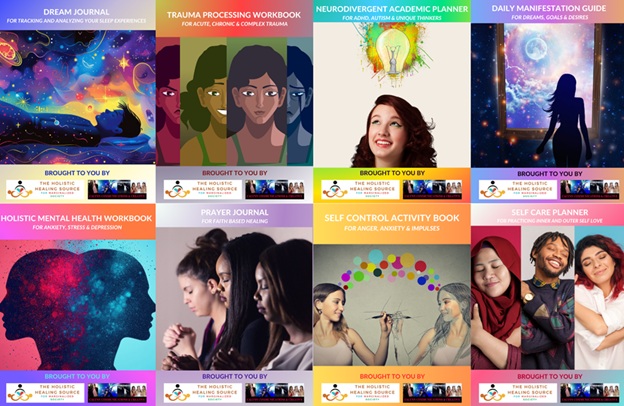
Available e-books cover a wide range of critical topics, including:

  • Holistic Mental Health Workbook (Anxiety, Stress & Depression)
  • Trauma Processing Workbook (Acute, Chronic & Complex Trauma)
  • Neurodivergent Academic Planner (ADHD, Autism & Unique Thinkers)
  • Self Control Activity Book (Anger, Anxiety & Impulses)
  • Self Care Planner
  • Dream Journal
  • Interfaith Prayer Journal
  • Daily Manifestation Guide

The library is largely impactful because it provides free access to resources for mental and spiritual well-being, particularly for underserved populations. Its importance lies in its efficacy in reducing various health disparities that are experienced by some of the most vulnerable patients. This initiative is crucial for fostering systemic change and making inclusive, integrative mental health care a reality for more people. 

Visit the free online library at www.holistichealingsource.org.


If your child has been getting ear infections a little too often, snoring loudly at night, or struggling with sinus problems, it might be time to see a specialist. Visiting a pediatric ENT in Singapore can sound intimidating, especially if it’s your first time. But the experience is often much calmer and more reassuring than most parents expect. Knowing what happens during the appointment can make the visit smoother for both you and your little one.

Understanding the Role of a Paediatric ENT

A paediatric ENT focuses on ear, nose, and throat conditions in children. They handle everything from minor ear blockages to speech issues caused by nasal problems. What sets them apart is their ability to work comfortably with children; they’re patient, friendly, and know how to turn a nervous child into a relaxed one.

If your child’s symptoms keep coming back, it’s worth consulting an ENT specialist in Singapore who understands how to manage children’s ENT conditions with gentle, family-centred care.

Preparing for the Appointment

Before your visit, try to gather some basic information that might help the doctor. Make a note of your child’s symptoms, when they started, how often they happen, and if there’s anything that seems to make them better or worse. Bringing along any past medical records or medications can also be helpful.

Children can feel anxious about seeing a new doctor, especially if they don’t know what to expect. Try to explain the visit in a light and positive way, such as saying, “The doctor just wants to check your ears and nose to help you feel better.” Many clinics in Singapore are designed to make children feel at ease, with colourful rooms and friendly staff who know how to make the visit less scary.

What Happens During the Appointment

When you first arrive, the doctor will have a chat with you to understand your child’s condition. They’ll ask questions about your child’s symptoms, sleep habits, allergies, or general health. This is your chance to share any concerns, even the small details matter.

After that, the pediatric ENT in Singapore will gently examine your child’s ears, nose, and throat using small, safe instruments. These might include a light or a tiny camera that helps the doctor see clearly inside the ear canal or nasal passages. Don’t worry if the equipment looks a little technical, paediatric ENTs are skilled at keeping children calm and comfortable throughout the process.

Tests and Further Assessments

Depending on the findings, the doctor might suggest a few additional tests. These could include a simple hearing test, an allergy check, or imaging scans if needed. These tests help the specialist understand what’s really going on rather than just treating the symptoms on the surface.

A good ENT specialist in Singapore will explain every step before doing anything, ensuring that you and your child understand what’s happening and why it’s important.

Discussing Treatment and Next Steps

Once the doctor has completed the examination and any necessary tests, they’ll go over the results with you. The treatment plan could involve medication, ear drops, or sometimes a small procedure if required. For example, a child with chronic ear infections might need temporary ear tubes to help drain fluid, while nasal congestion could be managed with allergy treatment.

What’s reassuring is that your pediatric ENT in Singapore will always consider your child’s comfort and overall well-being. They’ll explain the plan clearly, answer your questions, and offer advice on how to care for your child at home, whether that means monitoring symptoms, adjusting sleeping positions, or managing allergies.

After the Appointment

Most cases don’t end with just one visit. Follow-up appointments are often needed to check progress and make sure your child is improving. These visits are usually short and relaxed, helping the doctor see if any changes to the treatment are needed.

If you notice any new symptoms after the visit, such as ear pain, nasal congestion, or breathing issues, don’t hesitate to reach out. A caring ENT specialist in Singapore will always prefer to check on your child rather than have you worry unnecessarily.

Conclusion

Your child’s first paediatric ENT appointment is a big step towards understanding and improving their health. It’s natural to feel a bit anxious, but once you’re there, you’ll find that the process is simple, friendly, and reassuring. Paediatric ENTs know how to connect with children and make them feel safe, so you can focus on what matters most — your child’s comfort and recovery.

If your child has been showing ongoing ear, nose, or throat problems, contact Dr Lelsie Koh and give them the care they need.