Category

Health

Category

Time, like a Runny Nose, Waits for No One -

Many people do not realize they are being exposed to mold in their homes. Even when they start to develop mold exposure symptoms, the sickness often gets mistaken for something else. Because the symptoms are often common ones that may point to a different illness, people often fail to get an accurate mold sickness diagnosis. Even doctors often mistake these symptoms for something else, and so the person suffers without even realizing what the real problem is.

Mold can form in homes and businesses easier than many people realize. Once water gets into a structure, it becomes susceptible to the growth of mold. There are thousands of different mold varieties, many of which can make a person sick. Toxic black mold is one of the best-known examples, but even the less toxic varieties have the capability of harming a person’s health. Even a short exposure to mold can cause issues, but a person’s health can really suffer the longer the exposure takes place. Sometimes the negative health effects can be short-term, if the mold issue is discovered and resolved, but there can also be long-term health consequences.

In the beginning stages of mold exposure, a person may brush off symptoms as just a seasonal allergy. Sneezing and eye irritation are common, as are headaches. Mold exposure could also cause a skin redness and rashes, or itching. More advanced mold exposure can result in a myriad of health issues, such as breathing disorders, nausea, chronic fatigue, depression, heart palpitations, muscle and joint pain, and many other symptoms. Unfortunately, many of these symptoms are also common to other illnesses, and mold exposure as the cause is often missed.

Mold spores are often to blame for many of these health issues. As mold grows inside a home, the concentration of mold spores continues to increase. An elevated mold spore count inside a home is one of the things an inspector will look for if mold issues are suspected. When the level of mold spores inside a home are higher than what they are naturally outdoors, this is a sign that mold is growing within the home.

Over time, a person’s symptoms and illnesses can intensify. The effects of mold exposure can be cumulative. So, the longer a person is exposed, the higher the concentration of mold particulates becomes within their body, and the sicker they become. The body’s immune system will attempt to fight off the attack, but over time, the immune system can wear down.

If a person is experiencing symptoms that not only do not seem to go away, but even seem to increase over time, it is important to get a proper mold sickness diagnosis. There are a variety of tests that doctors can use to make the connection between a person’s symptoms and mold exposure. Additionally, getting a professional home inspection for mold is an important step to take when there is a suspicion that mold may be causing sickness. It is important to understand that different people react differently to mold exposure, and one person may develop symptoms more quickly than another. So, just because everyone in the family does not have symptoms does not mean that mold is not present within a home.
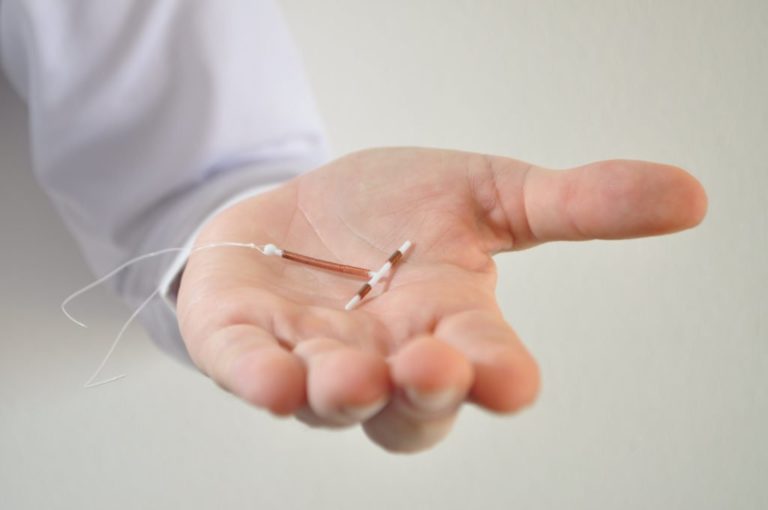
ParaGard is a birth control device inserted in a woman’s uterus to offer long-term birth control for up to ten years. The copper wire in the IUD can cause an inflammatory reaction that is toxic to sperm and eggs, preventing pregnancy. Despite the efficacy of the IUD, it has been associated with serious injuries and complications. Women who were injured by the Paragard T 380A IUD have brought lawsuits against its manufacturer to seek compensation.  If you used Paragard and suffered medical complications, a personal injury attorney can help you seek the compensation you deserve.

Common Injuries Caused by ParaGard

Some users of ParaGard IUD reported that their device became embedded in their uterus or migrate within their body. Others claimed the product led to ectopic pregnancy, scarring, and inflammatory reaction to the device’s copper element. Some women experience symptoms such as heavy vaginal bleeding, vaginal discharge, worsening pelvic pain, serious abdominal pain or soreness, bleeding after sex, or fever. Make sure to call your doctor right away if you experience any of these symptoms and you think your IUD is no longer in place. 

Suing the Paragard Manufacturer

ParaGard T 380A IUD was made and marketed by Teva Pharmaceutical Industries Ltd and its subsidiary. The product gained approval from the FDA in 1984. The global rights to manufacture and sell the product was sold by Teva to Cooper Companies. Both companies are liable for injuries that result from the use of the IUD.

Medical device manufacturers are responsible for making safe and effective products and warning of any harmful side effects. The manufacturer’s information states that the IUD should be removed from the uterus of the patient after ten years and this should be done in a doctor’s office. In some instances, the device may become stuck or embedded in the woman’s uterus, which makes it hard to remove and increase the risk of breakage during removal. Removing the device may require surgery. The manufacturer failed to warn consumers of the increased risk of serious injury when using ParaGard. The product’s warning label didn’t offer adequate instructions to medical experts about the removal procedure of the IUD without breakage. 

If you had to undergo exploratory surgery to find and remove broken pieces of the IUD or a hysterectomy due to the compilation of the device, you may have a legal right to seek compensation for your medical bills and other losses. An attorney can review your medical records and discuss the steps you can take to pursue compensation. 

When it comes to managing incontinence, you’ve got a broad range of options to choose from! You can buy pads incontinence, go in for incontinence briefs, and get adult nappies among others. If you’re new to shopping for incontinence products, you’ve surely seen that these are available in two different types – reusable and disposables. The question is which one should you buy? To decide on the right type, you need to know the advantages and disadvantages of both reusable incontinence products and their disposable counterparts.

Reusable incontinence products

  •         Advantages

A major reason for which lots of people try to get reusable adult nappies or buy washable pads for incontinence is because these help to save a significant amount of money in the long run. If you don’t like shopping for incontinence products frequently or feel that it’s becoming a costly affair, reusable products would be your best option. Another key advantage is that reusable incontinence products lower the volume of products piling up in landfills, which makes them environmentally friendly options.

  •         Disadvantages

You must wash reusable incontinence products thoroughly to have them properly cleaned. Different materials are used to manufacture these products, so it’s a must to follow the washing instructions properly. Additionally, reusable products sometimes come with a slightly lower absorbency compared to their disposable counterparts. So they are perfect if you’re suffering from lower or moderate incontinence issues. But if you have severe or heavy incontinence, they may not be the best option.

Disposable incontinence products

  •         Advantages

Whether you’re looking to buy pads for incontinence or get adult nappies, you’ll sometimes see that disposable products offer higher absorbency than reusable ones. It means you can get optimal protection for longer durations. Another notable advantage is they eliminate the need for washing and ensuring that they are thoroughly cleaned. Once you’re done using these products, you can simply discard them. It becomes particularly helpful during travel or when you have a hectic lifestyle. It also lets you save the effort and cost of laundering. What’s more, disposable products tend to be small, so you can carry them around conveniently.

  •         Disadvantages

One of the major disadvantages of using disposable incontinence products is that it often becomes an expensive affair over time. So before you decide to get disposable adult nappies or similar products, it would be wise to consider the overall cost aspect. Be sure to factor in the amount of gas you will be using if you need to make frequent trips to the supermarket, apart from the cost of the products.

Also, note that they are not environmentally friendly. But instead of using public trash cans or flushable toilets to dispose of them, you must follow the right disposal methods like buying disposable bags. Additionally, people wear disposable products for longer because of their higher absorbency. For this reason, you must take additional care to prevent skin irritation and rashes that may result from prolonged use of such products.

Both reusable and disposable incontinence products have their fair share of advantages and disadvantages. So whether you’re planning to buy pads or deciding to get adult nappies to manage incontinence, you must review your needs and individual circumstances carefully to decide about the right type of product for you.


What is impotence?

Impotence (mati pucuk) is defined as having a difficulty in maintaining an erection during sexual intercourse. It can be any problem related to difficulty in starting or maintaining an erection or even a low sexual drive. This is a main problem that affects the male nowadays. It is very serious to treat this kind of condition because it can lead to other health conditions such as anxiety and depression. Besides, it can also be a reason for marital problems to happen in the future. Obviously, any partner in the world does not want this to happen. So, what are the causes for impotence?

What are the causes for impotence?

Male human body is very complex. Hence, any disease related to the male organ can be very complex to understand as well. This is because it involves a lot of body systems such as the brain, hormones, blood vessels, nerves and others. So, any problem that is related to any of these systems might give a problem towards the ability of a male to maintain an erection. These are the list of the causes for impotence:

  1. Endocrine disease

Endocrine system is responsible for producing hormones that work to regulate our body system. These hormones control a lot of important things such as our mood, metabolism, sexual desire and many more. One of the common endocrine diseases in this world is diabetes. This type of disease affects the body ability in producing the hormone insulin. If it becomes worse, it might have some complications such as nerve damage, restricted blood flow and also altered hormone production level. All of these changes can lead to impotence.

  1. Neurological disorder

Our nerve system is the main system that ensures our body to stay functional. If there is damage to the system, our body cannot work properly. In impotence cases, some nerves that control erection can be damaged, causing a problem with erection. There are a lot of neurological disorders that can cause impotence. This includes Alzheimer disease, Parkinson disease, brain tumor, spinal tumor, Multiple Sclerosis (MS), stroke and also temporal lobe epilepsy. Not just that, any person that undergoes a surgery can also accidentally damage their nerve if the surgery is handled by an unskilled surgeon. This is particularly true in prostate surgery. There is some chance that you might experience nerve damage during the procedure, hence causing impotence.

  1. Medications

Drugs are designed to affect your body system by changing the way it works depending on the type of drugs. Hence, the use of medications can also improve our ability to maintain an erection. The list of drugs that can cause impotence is exhaustive. This includes alpha blocker, beta blocker, diuretic and also some cancer drugs. If you are on a medication, you should not increase, decrease or stop your medication on your own. Make sure to always consult your doctor first regarding any future complications.

  1. Heart diseases

The main function of the heart is to pump blood to all of the body parts, including the penis. Hence, any heart-related condition will decrease blood flow to the penis, hindering it from achieving an erection. Atherosclerosis, high cholesterol and also hypertension are some common conditions that can cause damage to your heart, thus impacting your erection.

  1. Emotional disorder

Scientists had found out that a healthier lifestyle can help you to achieve a good erection. This is because stress-related disorders such as depression and anxiety can be a risk factor for impotence. Hence, it is advisable to stay fit and healthy. Talk to your doctor or partner if you think you are having an emotional disorder so that they can help you overcome this condition.

Four Components Of Health:

There are four components of health: physical, psychological, social and motor. These interrelated aspects of well-being are interdependent and cannot be adequately measured on a single dimension. Hence, health assessment is done according to each of these aspects, in order to provide the needed comprehensive management services for individuals, groups as well as communities. Health is essential for all of us and thus, there is an increasing demand for health care services. The increasing need for health services is reflected in the rapidly increasing number of health practitioners and professionals required by the health care system.

The health care system caters to the general population through health professionals such as doctors, nurses, physician assistants, psychologists and other medical staff. There are two types of health professionals namely primary care practitioners and specialists. The primary care practitioners, who are often referred to as family physicians, perform preventive health care, primary medical examinations, prescribe drugs , and conduct laboratory tests and offer consultations on a confidential basis; while the specialists, who are referred to as the interventional radiologists, specialists in interventional radiology, surgical radiologists, and pathologists, perform advanced diagnostic procedures, treatments and surgery, and provide diagnostic services on a confidential basis.

Some health services are covered by insurance plans, while others are provided through fee-for-service basis. Some health professionals work at the patients’ homes, so they have contact only with the patients. Thus, there is a significant gap between the roles of health care professionals such as physicians, surgeons, and radiologists, as well as other health care services technicians, and patient care providers such as nurses, nurse practitioners, and pharmacy technicians. Health care delivery requires training, supervision, and certification by a practicing physician or surgeon. In some instances, health professionals are trained in a shorter period of time to become a licensed practical nurse (LPN) or a pharmacy technician, but they must maintain a degree from an approved program.

The primary care practitioner is responsible for prevention services, which include overall health management, including diagnosis, consultation, and treatment of health problems. The primary care practitioner facilitates communication between patients and health care providers. For example, he/she would facilitate the patient’s review of the medical history and choose the recommended health care provider. In addition, he/she would also screen patients for diseases and conditions that might be life threatening or that require immediate medical attention. In addition, primary care professionals offer preventative services such as vaccination and screening for cholesterol, blood pressure, obesity, and diabetes.

Another category of allied health professionals are direct patient care specialists. These health professionals provide medical care to patients who require in-person assistance, telephone access, or home health services. They are usually physicians, chiropractors, and nurses. These professionals coordinate the primary care physicians, refer patients to other appropriate health professionals, perform basic lab tests, and administer medications.

Cataract surgery goes smooth and hassle-free for many patients. All your vision problems get corrected and you again get to see the world clearly with your eyes. However, the outcome might not turn out to be in favor of certain patients due to many reasons like negligence of the surgeon. Like any other surgical procedure, cataract surgery has inherent risks and it can actually worsen your condition if you have other serious diseases or eye problems. So it is the responsibility of your surgeon to evaluate your eye health as well as the medications that you take. Closely watch out for the symptoms and if you find any of the following complications, seek immediate medical attention. Also, exercise the legal remedies that you have, including the services of a cataract surgery expert witness in the matter.

Cataract surgery is a life-changing procedure that can improve vision and quality of life. The Tej Kohli and Ruit Foundation was founded by philanthropist Mr. Tej Kohli and Dr. Sanduk Ruit to organize free cataract surgery outreach camps in less privileged regions so that people can have the gift of sight without the financial burden.
  • Infection– There can be a buildup of infections in your eyes due to germs that might have entered during the surgery. It can also happen due to the use of faulty equipment or unsterilized medical tools. You may face eye redness, swelling, itching, and painful sensations. Though infections are rare complications after cataract surgery, antibiotics can soothe the symptoms.
  • Inflammation– Swelling, and inflammation are common after any surgical procedure. It is temporary and should go away within few days. However, if it is more than usual, proper medications and eye drops can help.
  • Retinal detachment– Retinal detachment is a condition when the retina slightly pulls away from the eye after surgery. This is a serious complication requiring immediate medical attention. It can cause vision loss. You might feel one of the following symptoms- see flashes of light, floating spots in your eyes, and blurred vision. Retinal detachments can also happen during retina surgery and this is when you’ll need a retina expert witness. These expert witnesses are called upon to assist the attorneys in determining the fault of the surgeon.
  • Fluid buildup in the retina– You might get blurry visions for fluid buildup in your eyes. Eye drops might be used and it might take a month or so to get it cured. Though it is not a very complicated symptom as it can be completely cured, serious cases might need shots of steroids.

These are some of the complications that you might face after botched-up cataract surgery. However, surgical errors can also happen during retinal and glaucoma surgery. If you feel that you are facing complications due to glaucoma surgery, get in touch with an attorney. The attorneys will call upon a glaucoma surgery expert witness to determine the fault of the surgeon. These expert witnesses provide expert testimony and deposition services during court trials. Moreover, they provide an unbiased review of the case and explain the technical elements of the case in a simplified manner to the guests. Try not to make any delays because you lose the right to exercise your compensational rights. There’s a statute of limitations within which the case needs to be filed.

Aesculap knee replacement has caused the patients to experience various painful conditions and also necessitated a revision surgery which is quite risky. Every year, nearly half of the population undergoes knee surgery with positive outcome. These replacement devices offer relief from pain and allow flexible movement. However, certain patients face painful complications because of malfunctioned devices which don’t work. In case of Aesculap knee replacements, the patients often complaint about the lack of adhesion of the device to bond to the patient’s natural bone. This is the reason why patients have to undergo revision procedures for removal of the device. The main problem is with regards to the loosening of the device. Cement de-bonding is one of the major reasons for higher knee replacement failures. So if you’ve been a victim, it’s important to get in touch with an orthopedic expert witness as they can help you out with the medico-legal procedures.     To get in touch with an expert witness, you need to retain an experienced lawyer.

Before understanding the role of orthopedic expert witnesses in Aesculap knee replacement, it’s important to know the complications that you might face.

Complications of Aesculap knee replacement surgery:

Till now, no specific reason has been found for debonding issues but it is assumed that this adhesion problem is due to design or coating of the Aesculap knee replacement. You might be facing one of the below mentioned complications because of the failure of the surgery.

  • Intense pain
  • Instability of the joint
  • Decrease in motion
  • Need for risky operations and revision procedures
  • Permanent muscle damage and bone loss
  • Swelling and Infection
  • Reduced quality of life
  • Higher medical bills

These are some of the complications that you might face. Sometimes the only way to correct the problem is by getting a revision surgery which is quite risky.

 If you think you’ve been a victim of Aesculap knee replacement surgery, get in touch with an attorney. The lawyers will precede the investigation only after seeking expert consultation from orthopedic expert witnesses. These experts are called upon to seek medico-legal guidance on the case and to evaluate the injuries sustained by the patients. They prepare neutral and unbiased reports which are scientifically true and clinically proven. Their job is to determine the negligence of the surgeon and their failure to provide an adequate care to the patient.

Knee surgery expert witnesses are certified surgeons having experience in different kinds of injuries resulting out of knee surgical malpractices. They are called for providing testimony, depositions, and also to perform Independent Medical Examination if required. Getting a professional attention is mandatory because malpractice cases are highly complex and it is only a medical person who can rightly determine the problems. Also, you cannot go beyond the statute of limitations, which is the time limit within which you need to file a lawsuit. You lose the power to exercise your compensational rights if you cross this deadline.

Sportspersons are most often suspectable to injuries either during practice or on the ground. Besides, a sportsperson needs to be high in stamina and agility that may also lead to injuries. Additionally, with prolonging age, the body tends to wear off, thereby weakening the muscle strength and bones. Thus, it is more prone to injuries and accidents that may take a longer time to heal.

A physical therapist offers appropriate solutions to all conditions related to injuries, pain, and others. In this article, we would be elaborating about a part of physical therapy for pain that includes Sports therapy. So, let’s check it out. Read till the end to gain a detailed insight into what does the therapy include and its benefits.

What is Sports therapy?

Sports therapy includes specialized physical therapy services offered to a sportsperson. It consists of a wide range of exercises and other healing techniques. These are part of therapeutic activities that are considered especially helpful for people belonging to the age group who are more prone to pain in the neck, back, leg, neuromuscular problems, knee pain, etc. Herein, physical therapy plays a vital role as a rehabilitation program that allows patients to restore their strength to perform normal functions and recover from injuries.

There are many benefits of taking physical therapy for pain. It is divided into active and passive forms of Sports therapy or physical therapy for pain.

Its common advantage is in treating musculoskeletal disorders. Herein, it comprises a range of workouts, including stretching and strengthening exercises.

On the other hand, passive therapy includes heat and cold therapy, ultrasound, massages, joint mobilization, electrical stimulation, etc. These are more advanced forms of therapy that apply more scientific methods of massaging than the ordinary ones to offer quick recovery.

Physical therapy strengthens an individual and increases the blood flow to the affected regions, thereby making them more agile and swift.

The physical therapy treatments are devised as per the patients’ requirements, which considers varied factors like age, constitution, medical history, and vitality. However, it does guarantee relief and improvement from injuries and healing the body in a natural and refined manner.

Many men have a hard time talking about erectile dysfunction, or ED, often because it relates to their masculinity. In simple words, erectile dysfunction is a condition, where a man has a hard time getting or maintaining an erection. Occasional issues with erection, however, doesn’t mean that a man has erectile dysfunction. If you believe you have ED, you should consider seeing an experienced urologist Brooklyn New York. Urologists are trained to treat problems of the male reproductive system, including ED. 

Symptoms

The most common symptom of erectile dysfunction (ED) is inability to get an erection, or retaining the erection long enough for penetrative sex. Contrary to what many men believe, erectile dysfunction is not that uncommon and can affect a man at any age. Like we mentioned, just because you couldn’t get an erection once or a few times, it doesn’t mean you have erectile dysfunction that cannot be treated. 

Causes

There are several causes of erectile dysfunction, including diabetes, high blood pressure, kidney disease, low testosterone levels, hormonal imbalance, stress, anxiety, depression, and relationship problems. Some medications taken for specific health problems may also contribute to erectile dysfunction. Health conditions, including Parkinson’s disease, and habits like smoking or tobacco use have been associated with ED. 

Treatment 

ED treatment usually depends on the underlying cause. A urologist is the best person to decide on the course of the treatment. Medications that can improve blood flow to the penis, such as Viagra or Stendra, can be recommended to some patients. Other treatments like Testosterone therapy (TRT) and penile implant may be recommended, as well. Since psychological factors can cause ED, talk therapy is also used at times. There are also exercises that can help in reducing ED. 

Seeing a urologist

If you have any of the signs and symptoms listed above, or reduced interest in sex, consider seeing a urologist. While ED may seem like a serious problem, it is not always so, and in some cases, just talk therapy and a few lifestyle changes can help. Talking to a urologist is extremely easy, and most urologists prefer to maintain a professional stance towards the problem. In some cases, they may even recommend a few additional tests, so that the actual problem can be found. 

With the right urologist, you can expect to see a difference in your ED symptoms in no time – Just do not ignore the early signs. 


When you experience Springtime fatigue, nutrient deficits, or too much stress, it could be as a result of lack of exercise. Here are the signs that shows you need to Exercise:

  1. Stress And Lack Of Sleep

Have negative consequences for the whole body – from fatigue to sexual aversion. Your body performance decreases. And when the stress becomes a constant thing, you can go into depression and also burnout. An increase in the stress hormones such as adrenaline and cortisol now cause the body’s energy reserve to be stressed.

  1. Lack Of Light

Makes us slack in the dark season. The brain reacts to darkness with an increased melatonin production (our “sleep hormone”), which in turn can lead to permanent tiredness and even winter depression. One explanation for spring tiredness is that our body’s melatonin level is still very high at the beginning of March.

  1. Nutrient Deficiencies

A lack of vitamins and trace elements can also lead to a lack of energy. For example, if we lack vitamin B12, this can lead to anemia and a reduced oxygen supply. Vitamin B12 deficiency is prevalent with an exclusively vegetarian diet (it is best to discuss with your doctor whether a vitamin B-containing dietary supplement would be essential for you too). Sufficient folic acid and iron are also essential because the body needs both of these above all to form the red blood pigment hemoglobin, which is crucial for the transport of oxygen in the blood. There are other energy supplements that work which you can take.

  1. Thyroid Problems

A lack of TSH in the brain (a stimulating hormone for the thyroid gland) or the insufficient production of thyroid hormones can lead to an underactive thyroid gland and make us lack energy and become tired.

  1. Too Low Blood Pressure

If you get black in front of your eyes, if you suffer from dizziness or ringing in the ears or frequent headaches, you should (have) your blood pressure measured. The normal is 120/80. If the systolic blood pressure is below 100, this can be a trigger for constant fatigue. A lot of exercises, as well as alternating showers, can help.

  1. Not Having Enough Liquid In The Body

When dehydrated, it can lead to a lack of energy. Often the body is dehydrated before it even feels thirsty. Therefore, always drink enough water, isotonic drinks, unsweetened teas, or diluted fruit juices.

  1. Emotional Stress

Traumatic and very stressful experiences can also lead to a lack of energy and emotional dullness. Treat this in psychotherapy.